Temple City's housing stock centers on 1958, which sits right in the middle of the broader 1943-2012 range we see across the wider service area, and it tracks with the pattern of mostly pre-1960 construction found across the 65 named communities we cover out of Pasadena. That single number matters more than it sounds. A house built in 1958 got a garage door built to 1958 specs: probably a one-piece slab door, or an early sectional with a torsion spring sized for the lighter steel of that era, mounted on hardware nobody has manufactured in decades. With 11,453 households in Temple City, a big share of those original setups are still hanging on tracks that were never meant to run this long. We're not saying every door here is original - plenty have been swapped out over the years - but the bones of the neighborhood, the header heights, the jamb widths, the spring drums, still reflect that late-1950s build era more than any recent trend.
The Usual Work Here
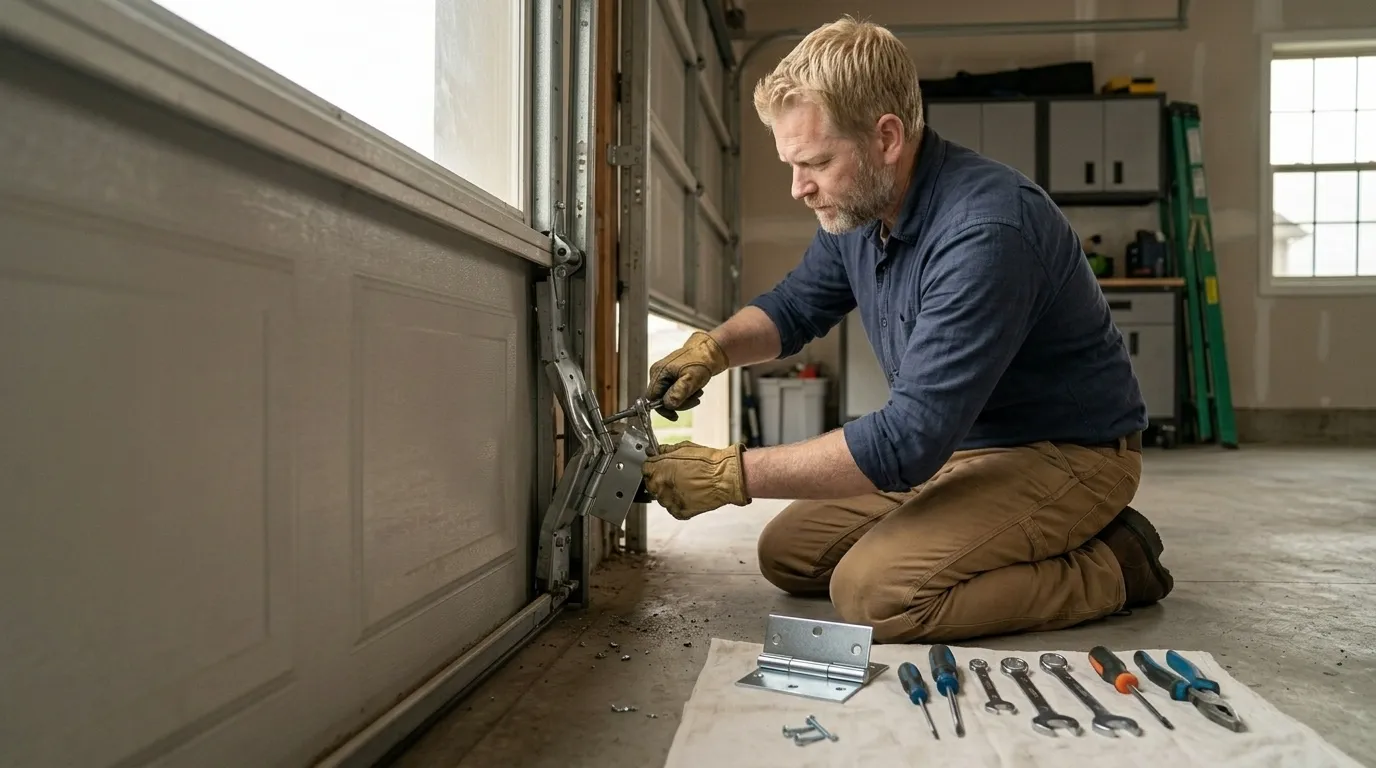
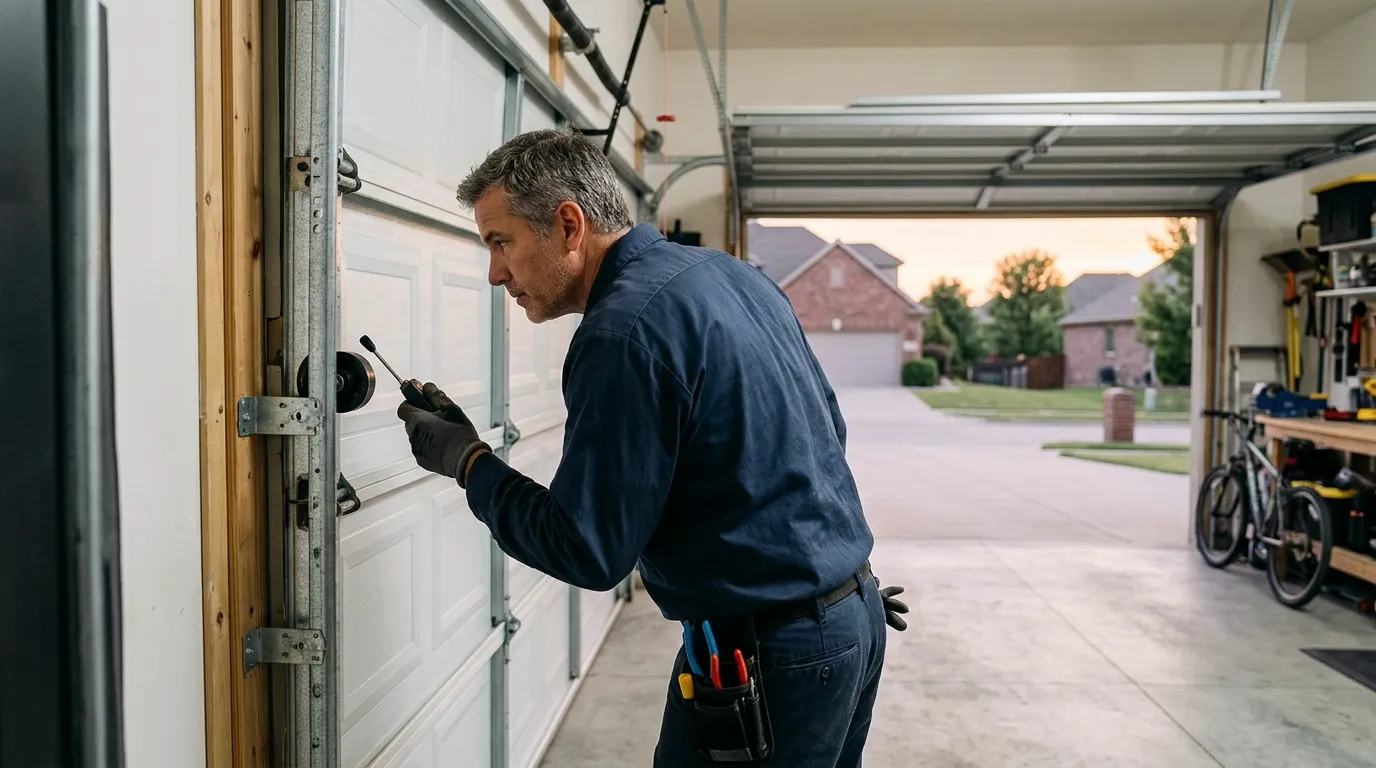
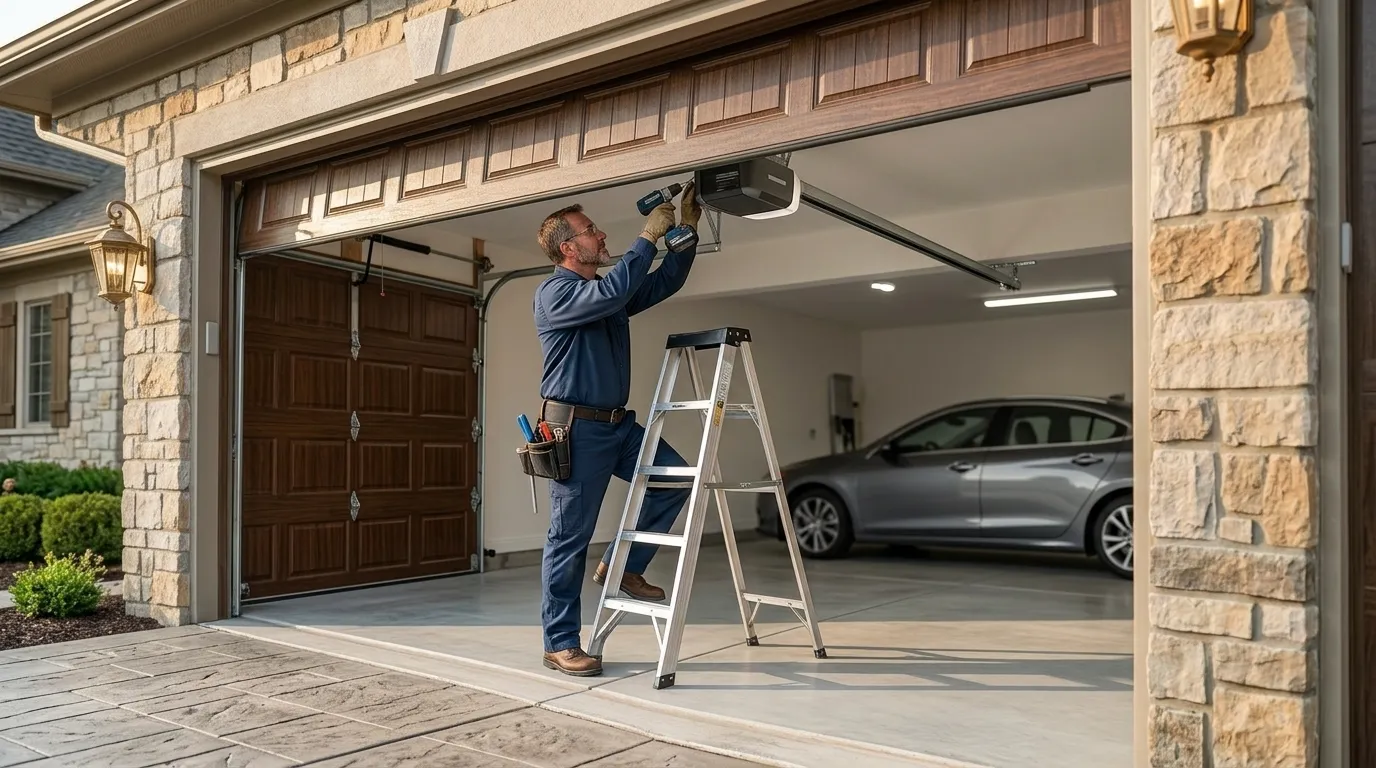
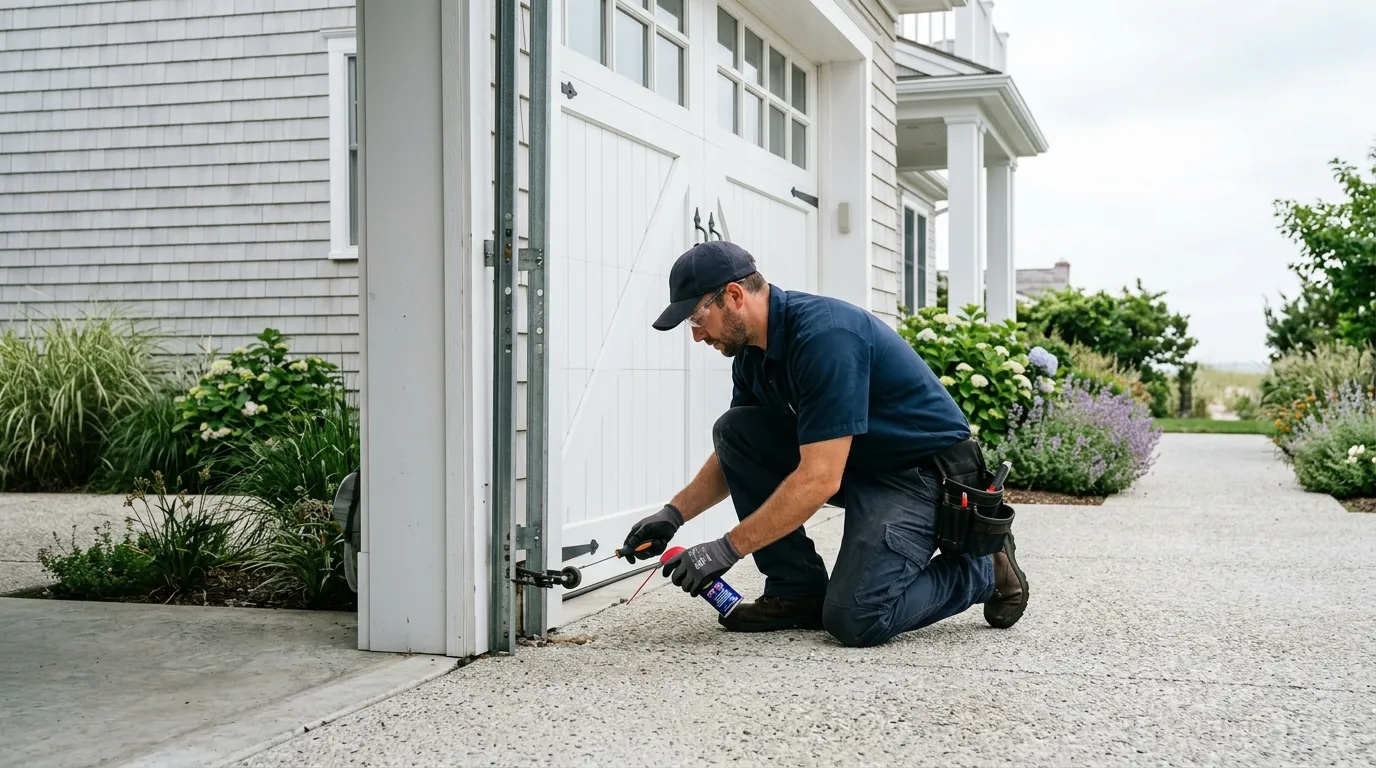
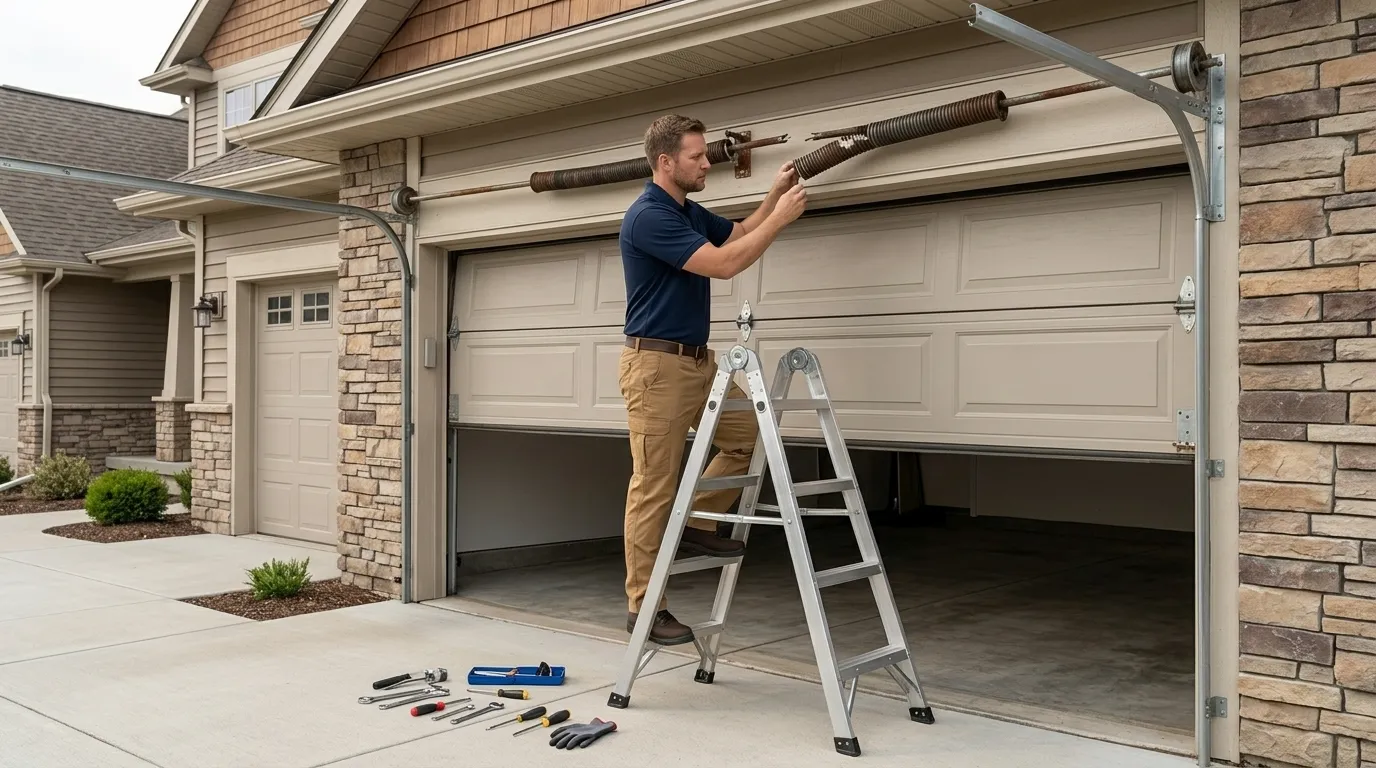
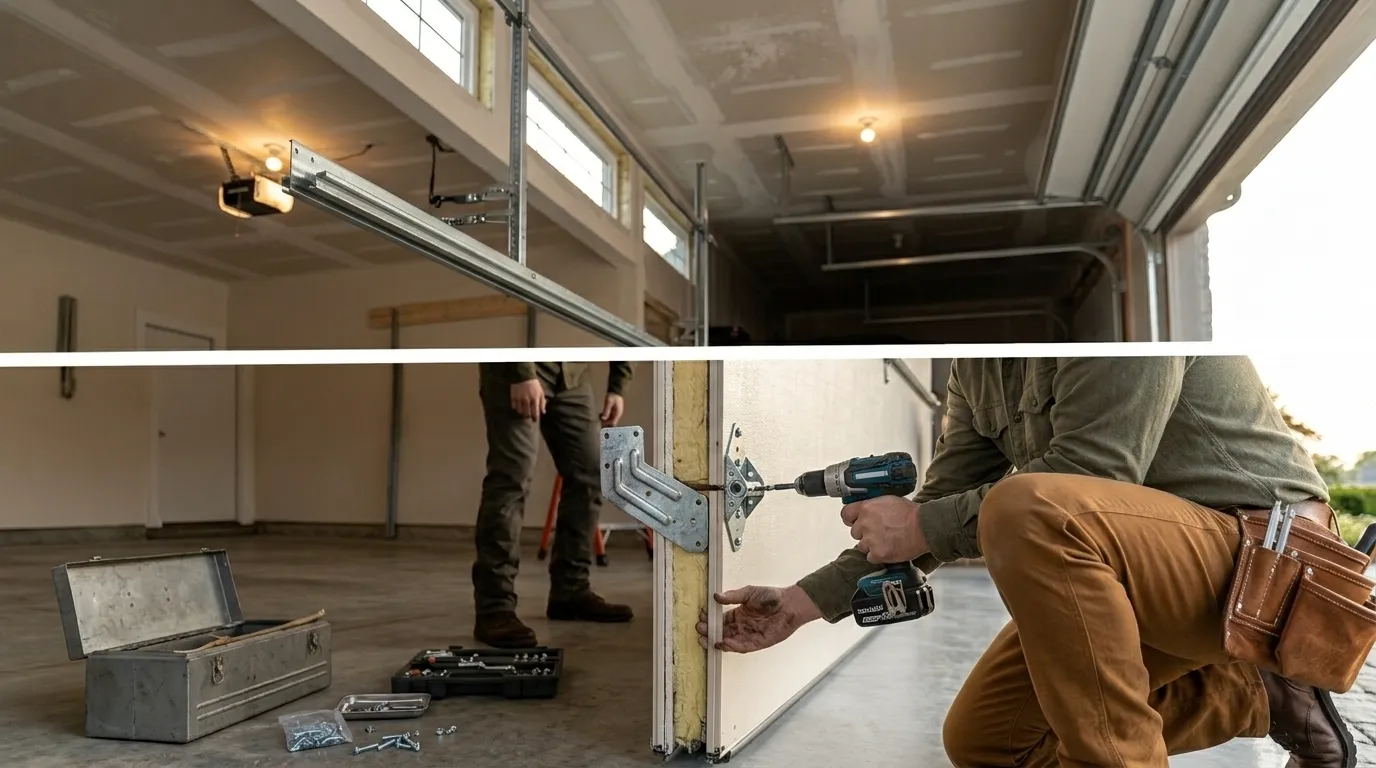
On a call in Temple City, we're more often untangling old hardware than doing a straightforward parts swap. Torsion springs from the original build era used different wire gauges than what's stocked on the truck today, so a repair sometimes means adapting a modern spring to an old drum rather than a drop-in replacement. Rollers on these older tracks tend to be steel, not nylon, which means more noise and more wear on the track flanges over the decades. Openers get replaced more than doors do - the chain-drive units from a remodel twenty years back are usually the ones failing now, not the door itself. We also see a fair number of panel sections that were never meant to be paired with the opener installed later, which throws off balance and puts extra strain on the spring. None of this is exotic work. It's the ordinary result of a neighborhood built at one point in time getting patched, piece by piece, ever since. The honest limitation: if the original track and jamb hardware is bent or rusted through, we'll tell you replacement beats another patch repair, even if that's not what you called about.
Timing on This Area
Temple City sits about six miles from our shop in Pasadena, inside the mild temperate band that covers this whole part of the service area. That climate doesn't put the kind of stress on doors that freeze-thaw regions see, so panels here don't warp and crack the way they might elsewhere - the wear tends to be mechanical, from decades of use, not weather damage. Median household income in Temple City runs $102,449, notably higher than the $94,792 median across the 778,508-household service area we work in. In practice, that shows up as owners calling about a spring that's making noise before it snaps, rather than waiting for a full failure that strands a car in the garage. It also means more requests for opener upgrades - quieter belt drives, battery backup - rather than just bare-minimum fixes. We schedule Temple City jobs on the same route as Rosemead and Arcadia, both close by, so timing on a repair here isn't a special case, just part of the regular loop out from Pasadena.
How That Shows Up in the Door
Put the build year and the mild climate together and here's what you actually see on a service call: a torsion spring original or close to original to a 1958 install, wound for a lighter door than what may be hanging on it now if a heavier insulated panel was added later. That mismatch is one of the more common Temple City calls - a door that feels heavy to lift by hand, or an opener straining and burning out its gears trying to compensate for a spring that's undersized for the door it's lifting. Track alignment issues follow close behind, since original jamb framing from that era doesn't always sit square anymore after decades of settling. We check spring sizing against the actual door weight before touching anything, because guessing here means a redo. What we don't do is replace a whole door system just because the spring failed - if the track and opener are sound, a correctly sized spring swap solves it, and we'll say so even when a full replacement would be the bigger job.
How it works
From “it’s stuck” to “it’s fixed”
01
Tell us what’s wrong
Describe the symptom - won’t open, loud bang, opener runs but the door won’t move.
02
On-site diagnosis
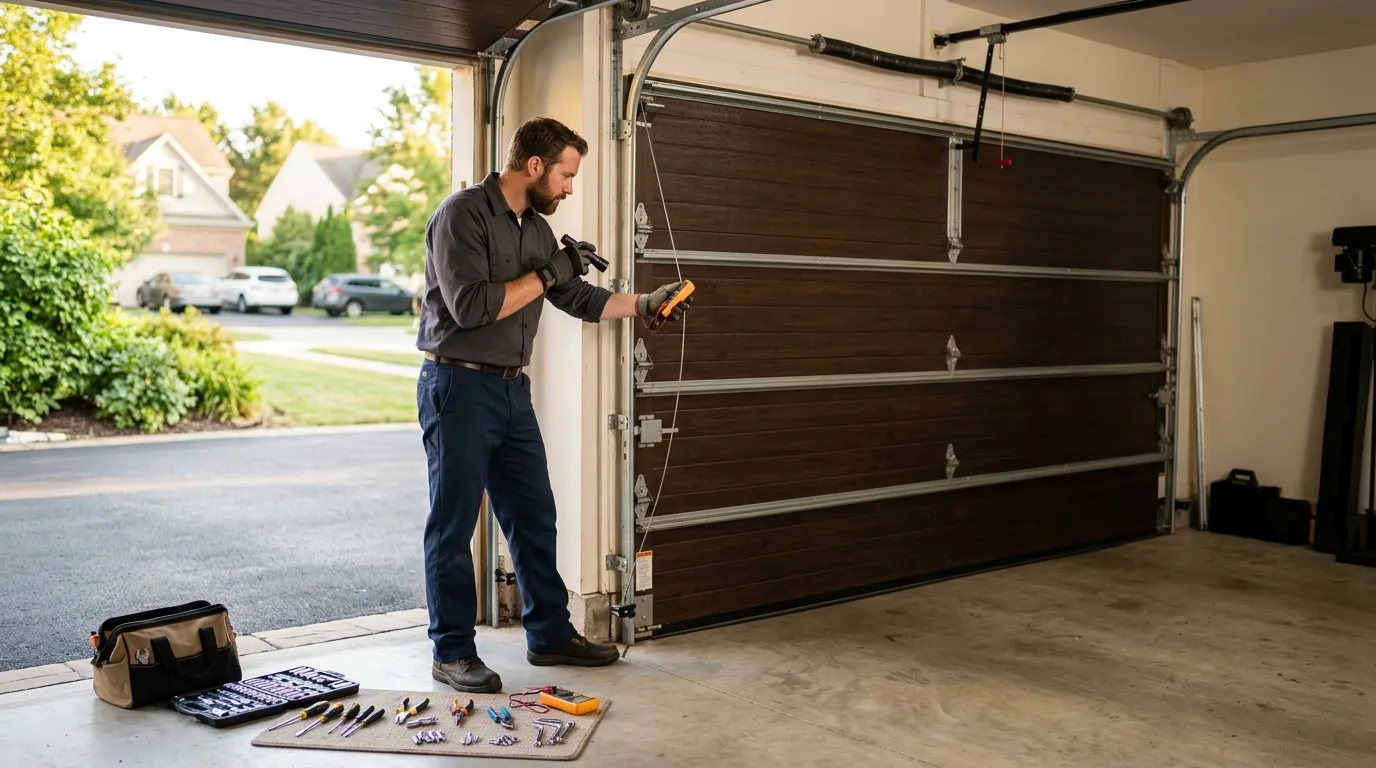
A technician tests the door under power and by hand and finds what actually failed.
03
Clear, up-front plan
You get the fix that’s needed and what drives the cost - before any work starts.
04
Repaired & tested
The repair is done, the door is set true and tested, and the work area left clean.
Serving Pasadena, CA - tell us what your door’s doing and we’ll take it from there.
Straight answers about garage door repair in Pasadena. Still unsure? Ask us directly.
Why does my garage door feel heavier than it used to?
If your house dates to Temple City's typical 1958 build era, the original torsion spring may have been sized for a lighter door than what's on the opening now, especially if a heavier insulated panel was added at some point. A mismatched spring makes the door feel heavy and strains the opener. We check spring sizing against actual door weight before recommending a fix.
Do you have a shop in Temple City?
No, we run out of Pasadena, about six miles away, and Temple City is a regular stop on our route alongside nearby areas like Rosemead and Arcadia. We don't claim a local depot here - we travel to the job.
Is my old steel roller track a problem?
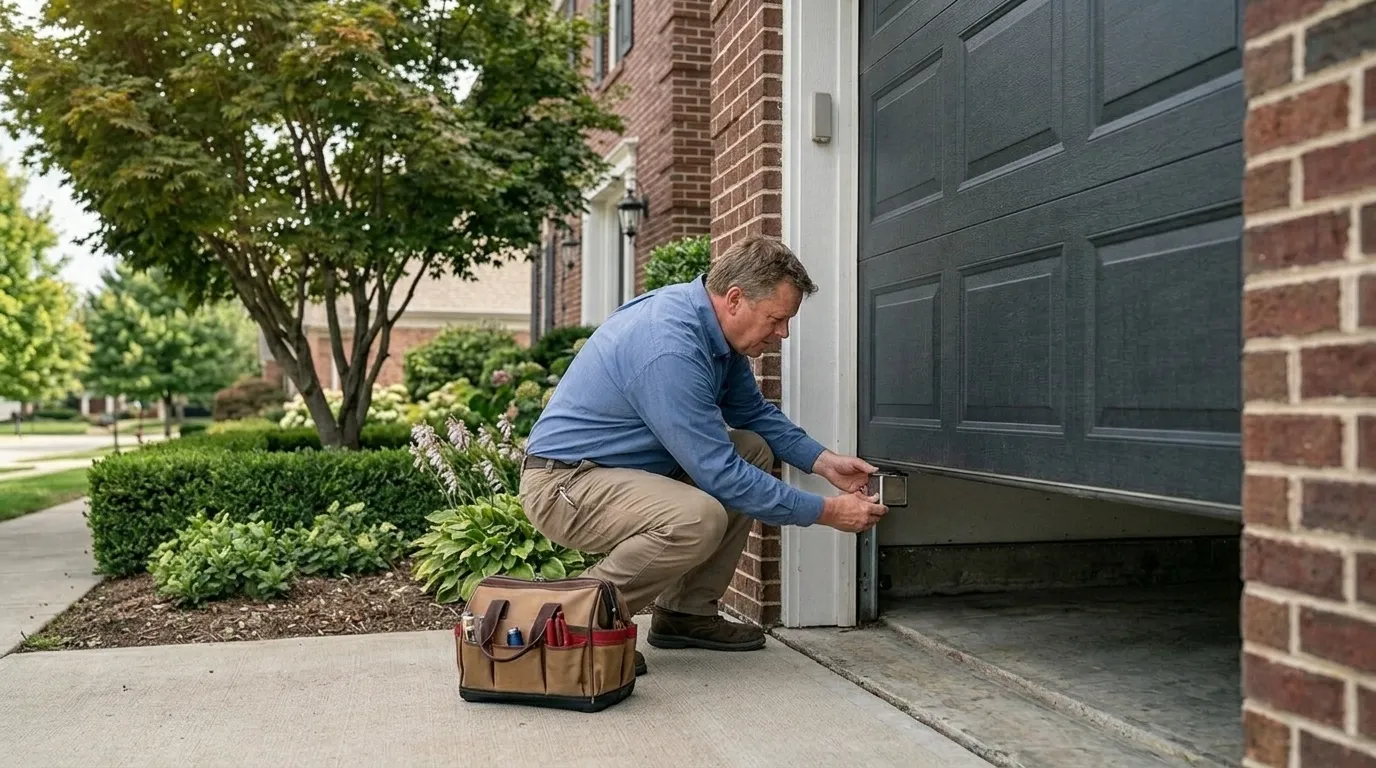
Not automatically. Steel rollers from an older build tend to run louder and wear track flanges faster than nylon, but plenty still function fine. We only recommend replacing track hardware when it's bent, rusted through, or throwing the door out of alignment - not as a blanket upgrade.
My opener is newer than my door - does that matter?
It can. A number of Temple City homes have a chain-drive opener installed well after the original door and spring, and if nobody rebalanced the spring for the paired door weight at that time, the opener ends up doing extra work it wasn't built for. That mismatch is one of the more common issues we find on service calls here.