Serving Northeast Los Angeles, 5 miles southwest of Pasadena, where most homes date to the pre-1960 building wave. Spring, opener, and panel work for original hardware.
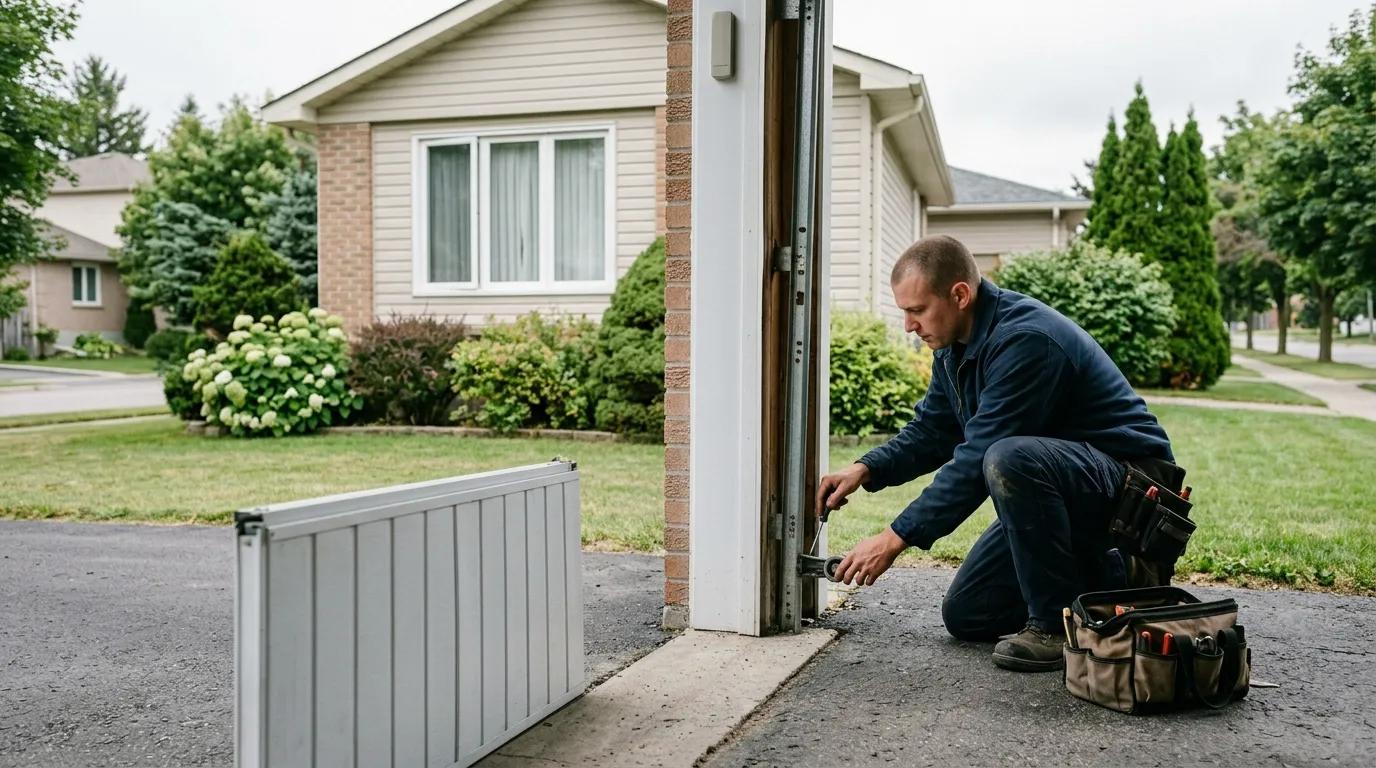
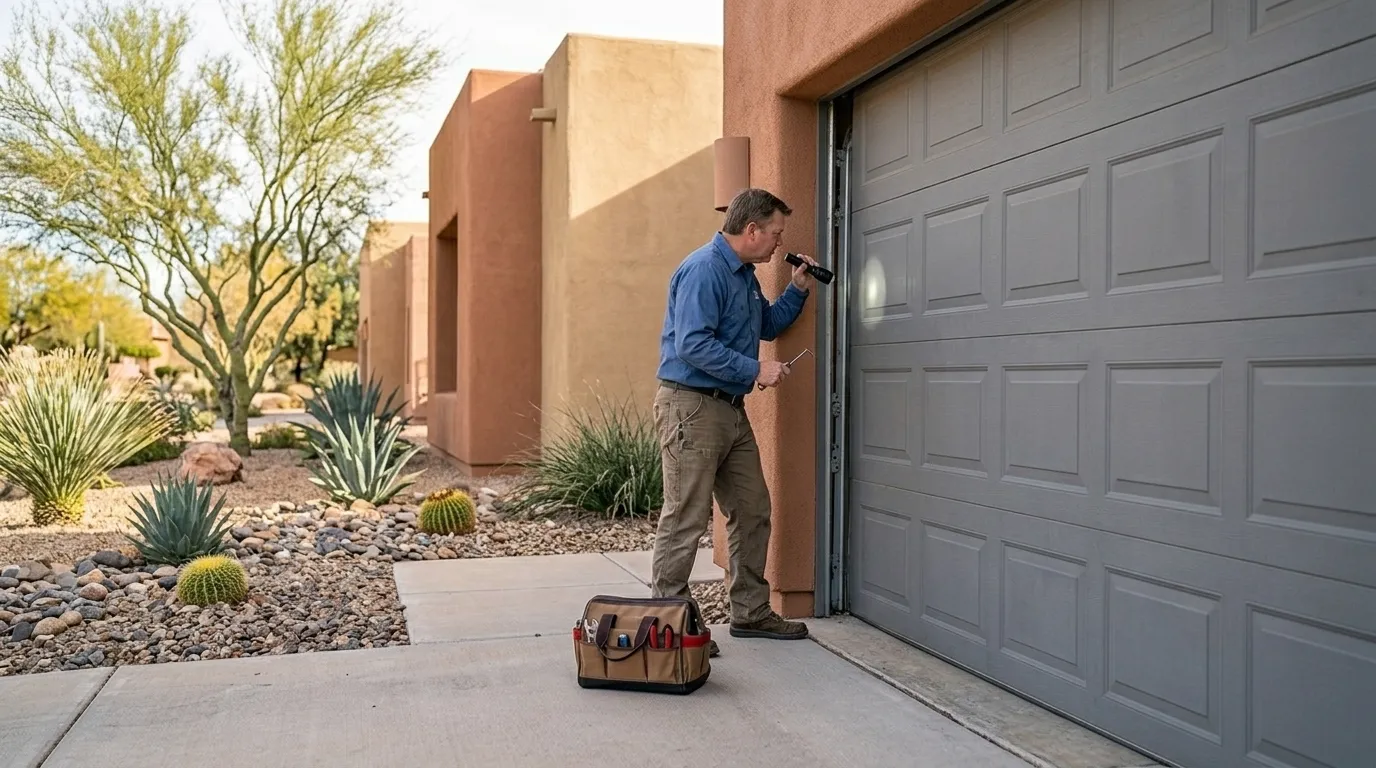
Northeast Los Angeles sits about 5 miles southwest of central Pasadena, inside a service area where the housing stock runs from 1943 up through 2012 but centers on a median build year of 1959. That puts most of the garages we get called to on the older end of that range - built when a single-car or narrow two-car garage was standard, and when the door hardware that came with the house was whatever the builder's supplier had on the truck that year. We're not guessing at this; it's the pattern across the 65 named areas we track in this part of the county, and Northeast LA sits well inside the pre-1960 majority. What that means on a service call: original jamb widths that don't match today's standard door sizes, and openers that have been swapped once or twice already because the original units are long past their service life. We size doors to the actual rough opening rather than assume a modern standard, because on streets like these, assuming costs you a return trip.
The Doors Around Here
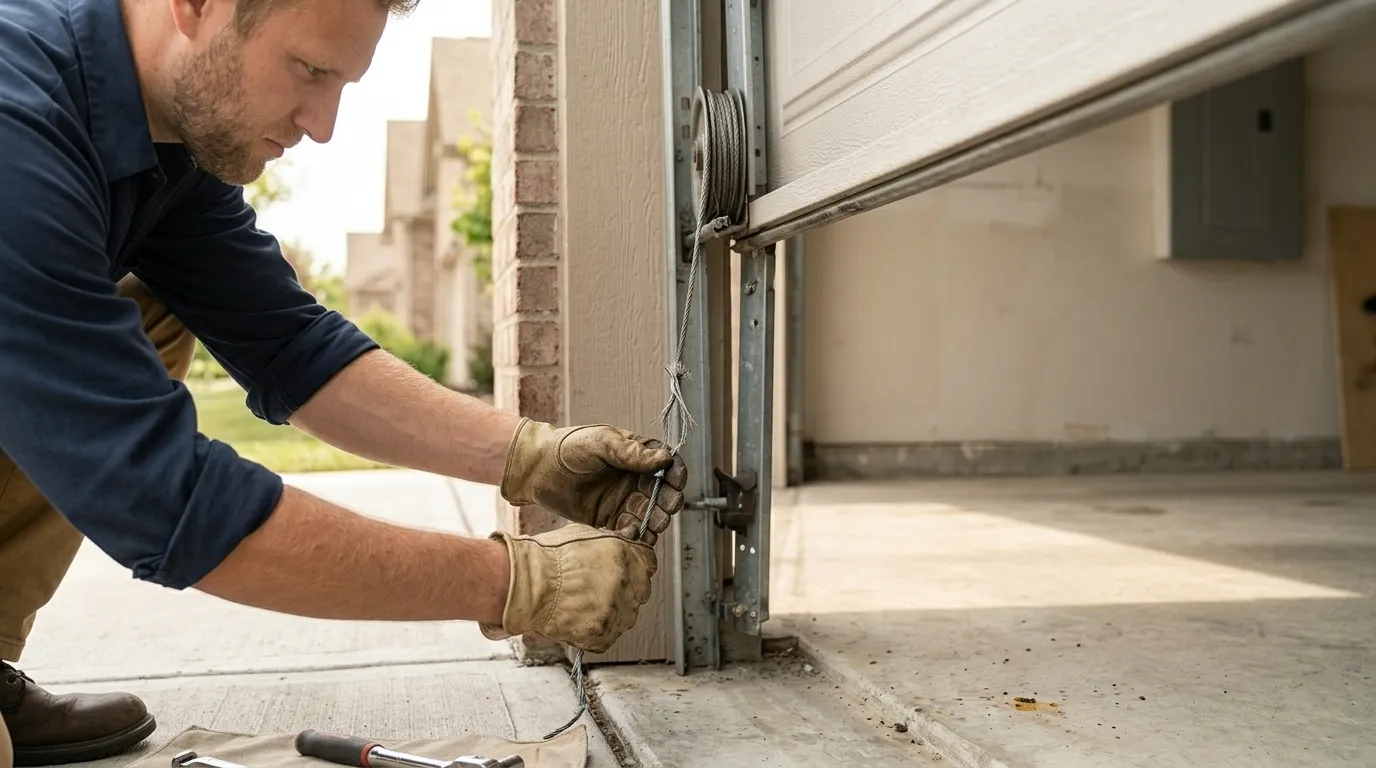
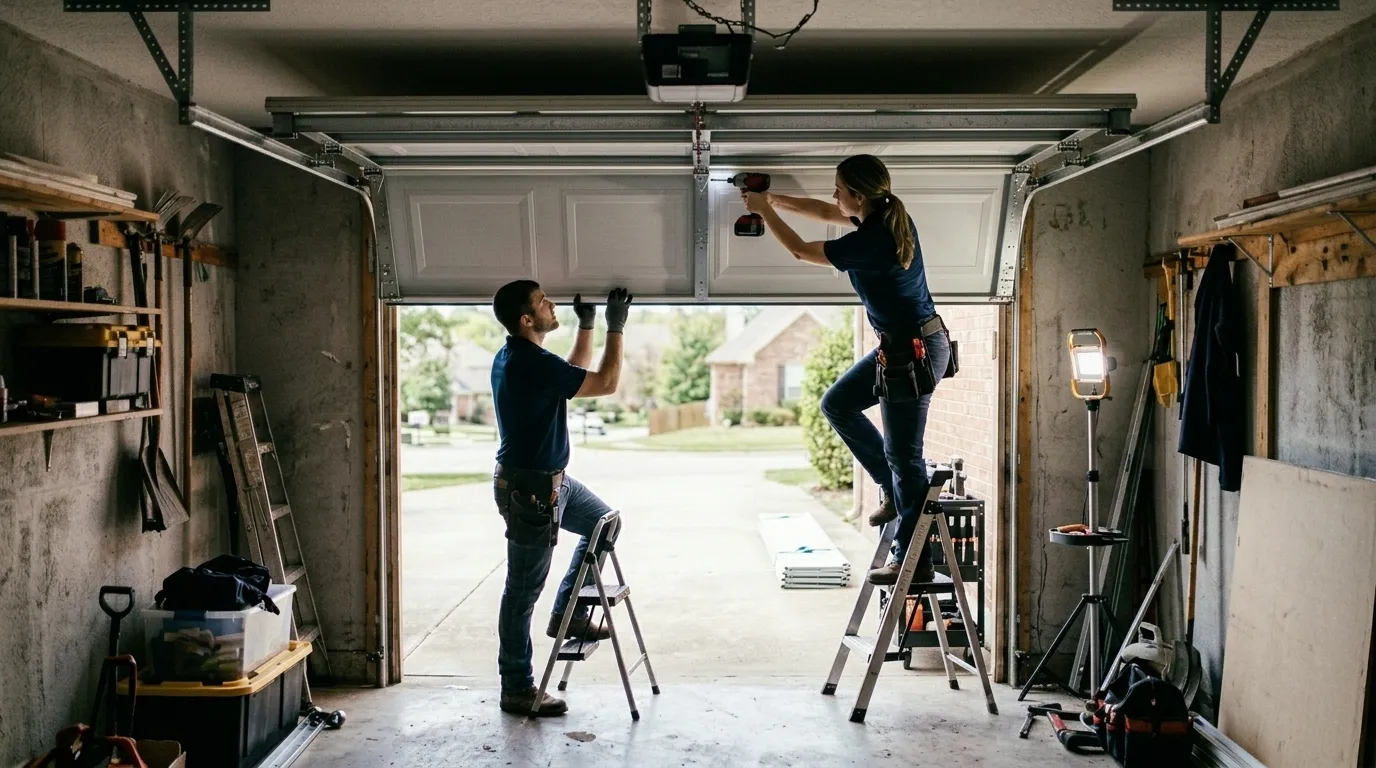
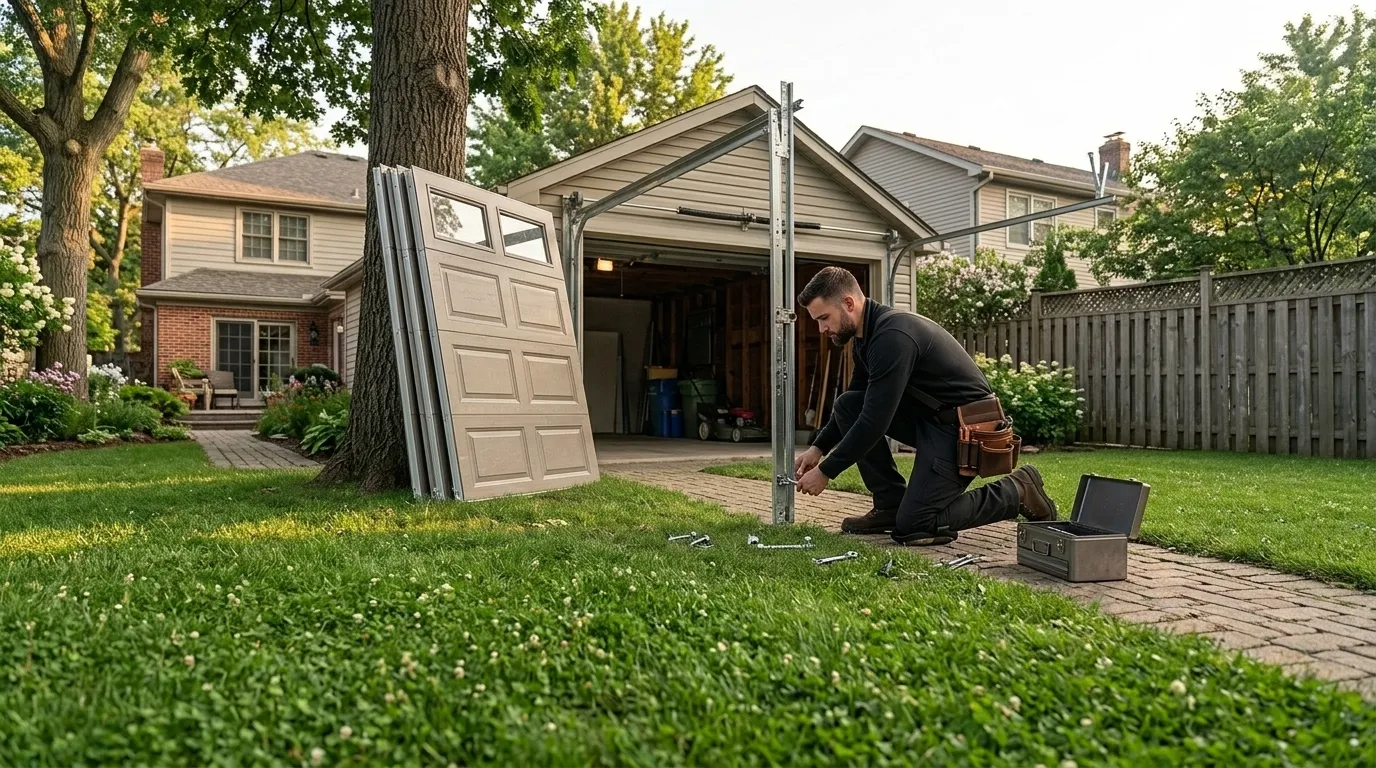
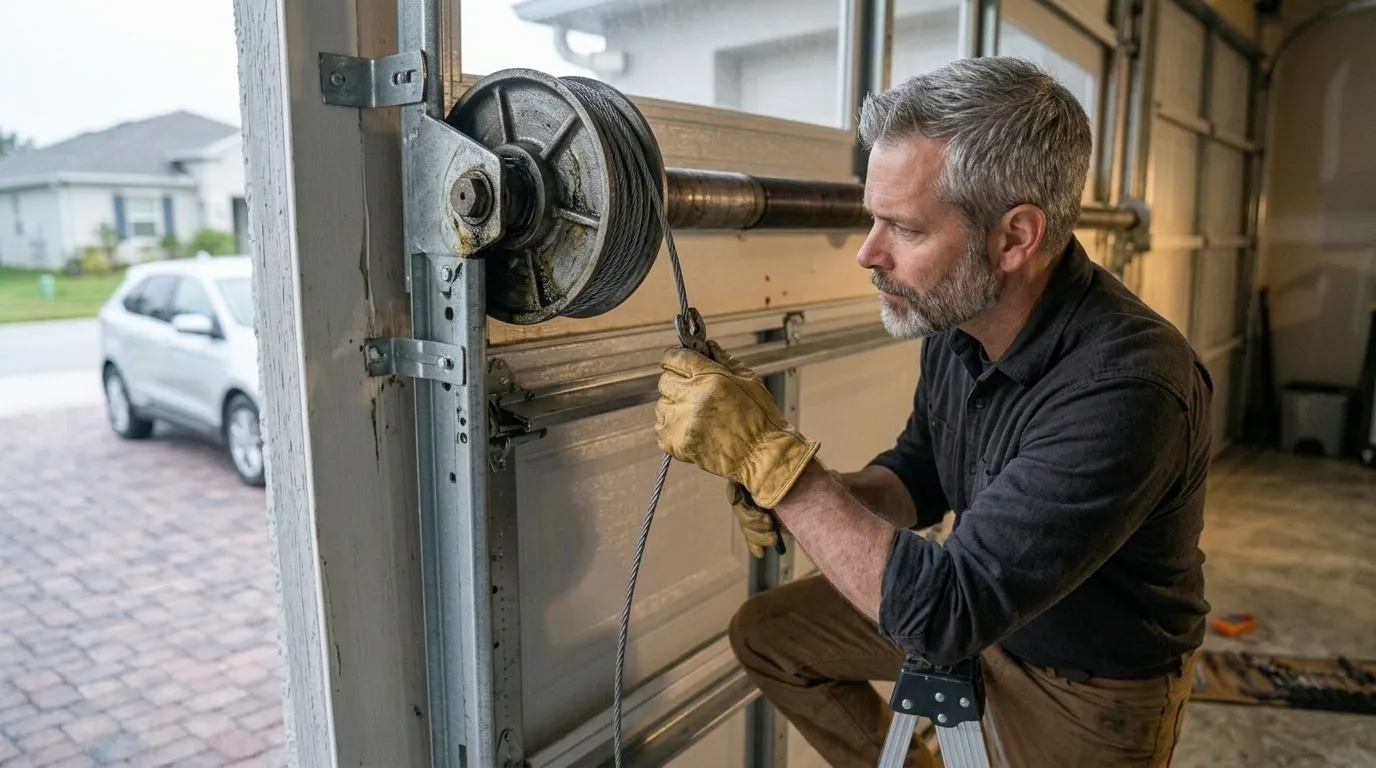
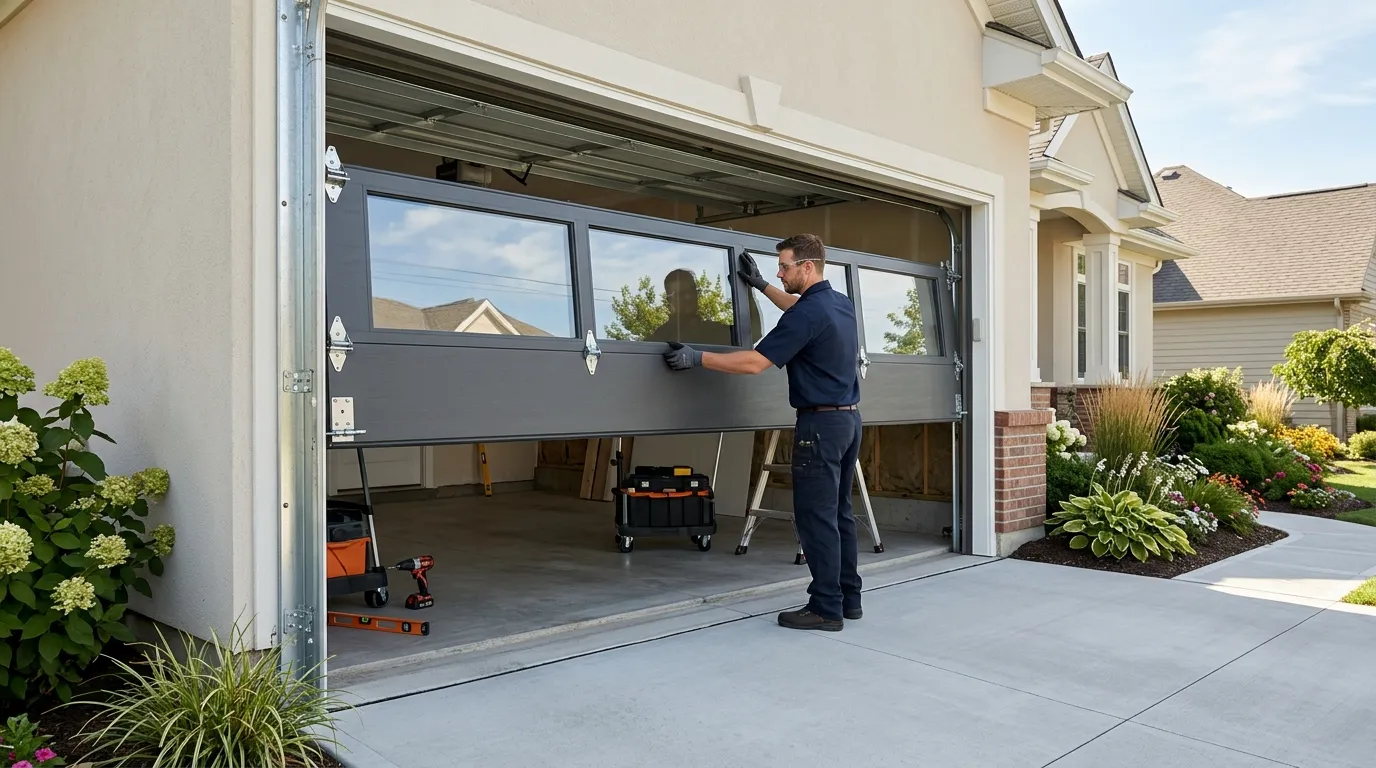
With housing this old, the springs, tracks, and panels we replace are rarely original - they're the second or third generation of hardware on a garage that hasn't been widened or re-framed. The area sits in a mild temperate climate band, so we're not fighting the freeze-thaw cracking or the heavy snow load that ages hardware fast in colder regions. What we do see is UV and heat cycling on painted wood and steel panels that have been up for decades, plus torsion springs that have simply worked their way through their rated cycle count. One honest limitation: if a door's track spacing or header height doesn't match anything current, sourcing an exact panel match can mean a lead time we don't control, and sometimes a full replacement is the more sensible call than chasing a discontinued part. We'll tell you which one applies before we quote it, not after.
Where This Is
Northeast Los Angeles sits roughly 5 miles southwest of downtown Pasadena, in a service area that also reaches Altadena, South Pasadena, Highland Park, and Montecito Heights among the 65 named communities we cover. The area's households sit at a median income of $94,792, part of a broader base of 778,508 households and 274,200 owner-occupied houses across the region - a mix that includes plenty of long-held family homes and a smaller share of newer construction filled in over the decades. We work this stretch as part of that wider service area, not as a one-off stop, which is how we've come to know the age and layout of the garages here rather than treat every call as a blank slate.
How it works
From “it’s stuck” to “it’s fixed”
01
Tell us what’s wrong
Describe the symptom - won’t open, loud bang, opener runs but the door won’t move.
02
On-site diagnosis
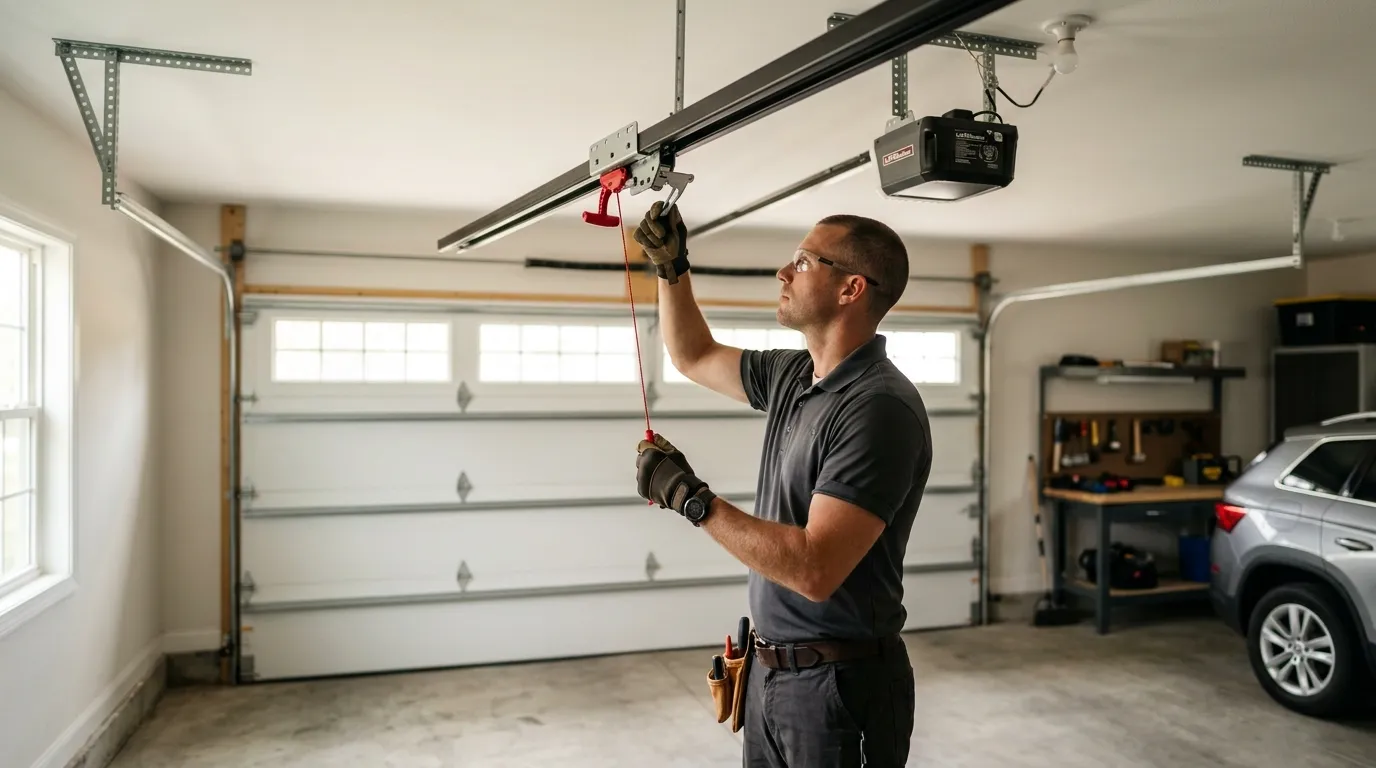
A technician tests the door under power and by hand and finds what actually failed.
03
Clear, up-front plan
You get the fix that’s needed and what drives the cost - before any work starts.
04
Repaired & tested
The repair is done, the door is set true and tested, and the work area left clean.
Serving Pasadena, CA - tell us what your door’s doing and we’ll take it from there.
Straight answers about garage door repair in Pasadena. Still unsure? Ask us directly.
How old are most garages in Northeast Los Angeles likely to be?
Housing across this service area runs from 1943 to 2012 with a median build year of 1959, and Northeast LA falls inside that older, pre-1960 majority. That means original garage openings and hardware generations that don't always match what's sold as standard today, which is something we check before quoting any repair.
Does the mild climate here mean less wear on garage door hardware?
The area sits in a mild temperate climate band, so you're spared the freeze-thaw cycling and heavy snow load that wear out springs and tracks fast elsewhere. Age and cycle count still catch up with hardware here, just from sun and daily use rather than weather extremes.
What if my garage door's size doesn't match anything sold today?
On older streets it happens - jamb widths and header heights from a 1950s build sometimes don't match current standard sizing. When that's the case, we're upfront that sourcing an exact match can take longer, and we'll tell you if full replacement makes more sense than waiting on a part.