24/7 Emergency Service Open 7 days · 7am–8pm Serving Pasadena, CA & nearby
(626) 538-6769
Pasadena, CA

What a Technician Checks First in Pasadena

Pasadena's housing stock runs mostly pre-1960, and that shapes the first five things a technician checks before touching a spring or opener here.

What a Technician Checks First in Pasadena

What Local Conditions Do

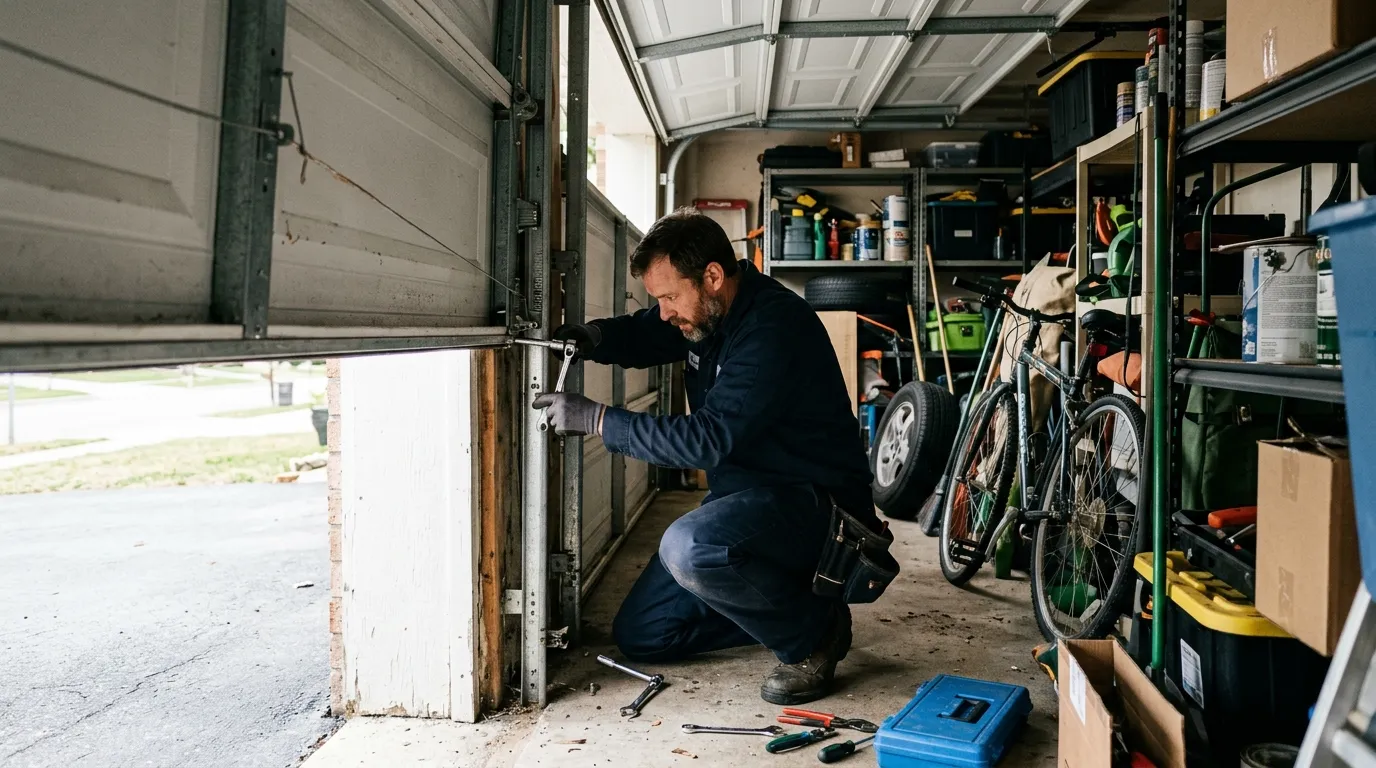
Pasadena's housing stock is older than most people assume. Census data puts the median build year at 1959, with homes across the service area ranging from 1943 up through 2012 - and across the 65 named communities we work in, from Altadena and North Arroyo two miles out to Bell thirteen miles south, the pattern holds: pre-1960 construction dominates. That matters because a door installed on a house built in the 1950s is almost never on the same track hardware, spring mount, or opener bracket you'd find on new construction. A tech who walks up expecting modern rail systems and finds a side-mounted torsion spring on a garage that predates the National Electrical Code updates is going to spend the first ten minutes just figuring out what he's looking at.

The climate here is mild temperate, which cuts both ways. We don't get the freeze-thaw cycles that crack concrete slabs or seize steel rollers in colder regions, so the failures we see aren't weather-snap failures - they're slow ones. Rubber weather seals that sat in the same driveway sun for decades go brittle and split rather than freeze and crack. Cables and springs wear from age and cycle count, not from ice load. That changes what gets checked first and in what order.

What It Costs

We don't post a flat number here because the honest answer depends on what's actually on the house. A pre-1960 door on original hardware in Lamanda Park or South Arroyo often needs a part nobody stocks anymore, and sourcing that costs more than swapping in a current part - sometimes replacement of the whole assembly ends up cheaper than chasing a discontinued spring size. A newer door built after a 1990s or 2000s remodel is a different job entirely, usually a straightforward parts swap.

Household income across the service area runs a median of $94,792, and most of the owner-occupied houses we see - out of roughly 274,200 in the broader area - are the kind of long-owned single-family homes where people fix things properly rather than patch them. That shapes the calls we get: fewer emergency band-aids, more people asking for the repair that actually lasts, even if it costs a bit more up front.

One limitation worth saying plainly: we can't quote a price without seeing the door. Spring size, track type, and opener age all move the number, and guessing over the phone does nobody a favor.

The Situation

With a service area this large - 778,508 households spread from dense inner neighborhoods like North Arroyo and Lamanda Park out to Bradbury and Duarte ten and eleven miles off - the doors we're called to cover a wide range of ages in a fairly narrow window. Most of what's out there was built between the late 1940s and the early 1960s, with pockets of newer construction mixed in closer to the hills and out toward the eastern edge of the service area.

That means two technicians on two calls the same day might see completely different problems: one door running on hardware that's sixty-plus years old, the next on a torsion system installed within the last fifteen years. The mild climate keeps both from failing the same way weather would force them to fail somewhere with real winters - but age alone still takes its toll, especially on original springs that have been cycled tens of thousands of times without ever being swapped out.

What to Check

First, the build era. Knowing a neighborhood runs older - Altadena, San Marino, South Pasadena, and the inner communities closer to the 2-to-5-mile ring tend to skew earlier - tells a tech what kind of spring mount and track hardware to expect before he even opens the truck.

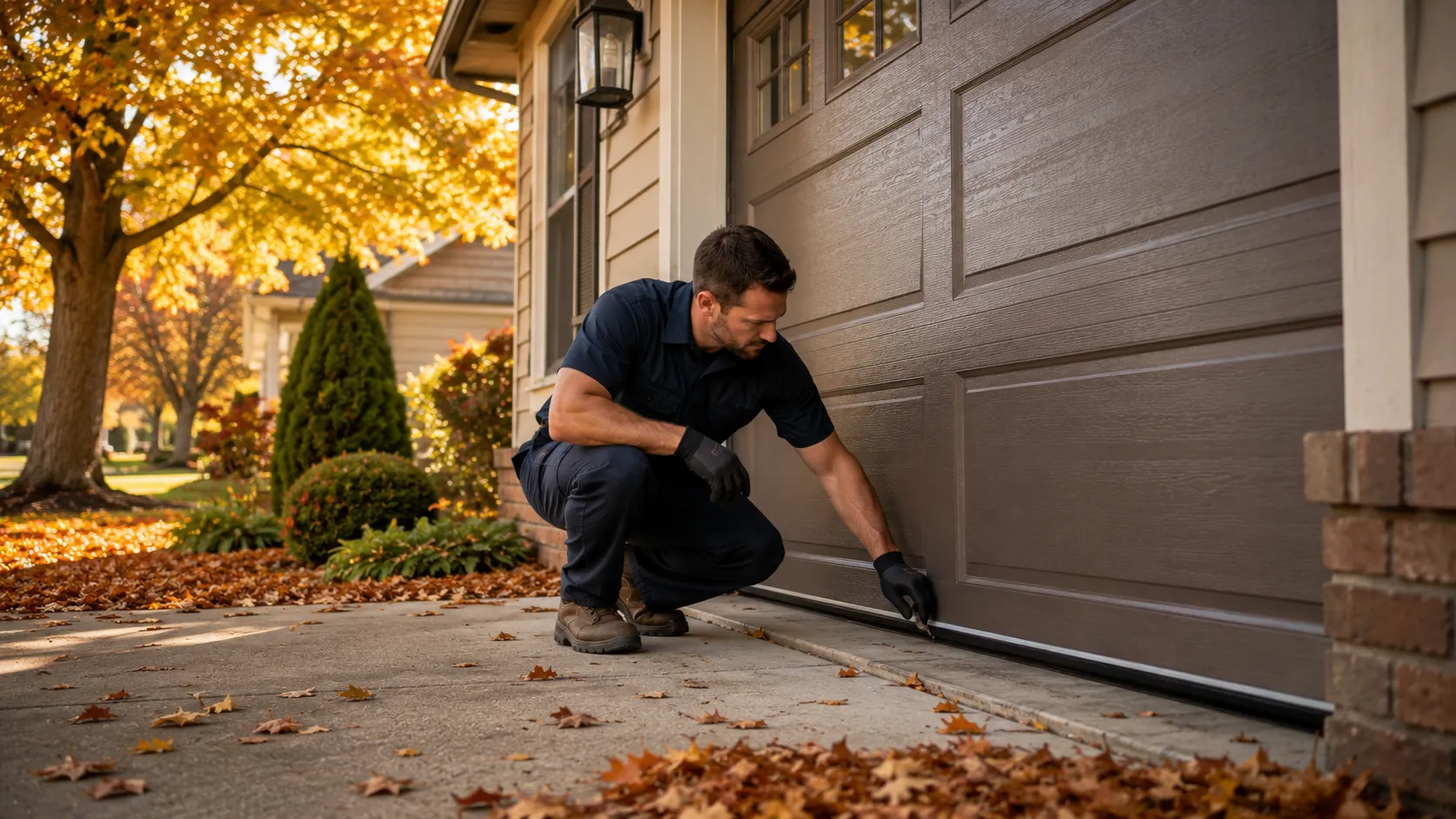
Second, the seals and rollers. In a mild temperate climate, these fail from sun and age rather than cold, so a tech checks for cracking, brittleness, and UV wear rather than ice damage or frozen tracks.

Third, cycle count on the spring, not just its age. A door on a house built in 1959 that's been opened twice a day for decades has seen more cycles than a much older door used rarely.

Fourth, whether the opener has been replaced separately from the door - common in this area, since owners often upgrade the motor before touching the door itself.

Fifth, and this is the one we're honest about: if the hardware is original and a matching part isn't available, we say so and talk replacement instead of pretending a patch will hold.

How it works

From “it’s stuck” to “it’s fixed”

01
Tell us what’s wrong - Pasadena garage door service

Tell us what’s wrong

Describe the symptom - won’t open, loud bang, opener runs but the door won’t move.

02
On-site diagnosis - Pasadena garage door service

On-site diagnosis

A technician tests the door under power and by hand and finds what actually failed.

03
Clear, up-front plan - Pasadena garage door service

Clear, up-front plan

You get the fix that’s needed and what drives the cost - before any work starts.

04
Repaired & tested - Pasadena garage door service

Repaired & tested

The repair is done, the door is set true and tested, and the work area left clean.

Serving Pasadena, CA - tell us what your door’s doing and we’ll take it from there.

How we work

What to expect

Diagnosis firstEvery visit starts by finding what actually failed - not a pre-written parts list.
The right part for the doorSprings and openers matched to the door’s weight and age, so the fix holds up.
Straight answersWhen a repair makes more sense than a replacement - or the reverse - you hear it plainly.
Clean, careful workTension released safely, hardware set true, the door tested under power before we leave.
Questions

Frequently asked

Straight answers about garage door repair in Pasadena. Still unsure? Ask us directly.

Why does my garage door hardware look different from a newer house down the street?

Pasadena's housing stock spans 1943 to 2012, with a median build year of 1959, so hardware varies block to block depending on when the house went up. Older homes often carry original spring mounts and track hardware that newer construction never used, which is why two doors a mile apart can need completely different parts.

Does the mild climate here mean less maintenance?

Less weather-driven failure, yes - we don't see frozen tracks or ice-jammed openers. But mild temperate conditions still bring sun and age-related wear: rubber seals crack and springs fatigue from years of cycling, not from cold. Age still catches up with a door regardless of climate.

Can you tell me a price over the phone?

Not accurately. Spring size, track type, and opener age all change the cost, and on older Pasadena homes the original hardware sometimes isn't available anymore, which can shift the job from a repair to a replacement. We'd rather look at the door than guess.

Ready to get your garage door sorted?

Tell us what it’s doing and where you are in Pasadena - we’ll take it from there.

Request a QuoteCall