Garage door repair for South Gate's 1952-era homes, serviced by Pasadena Garage Door Pros, 15 miles from Pasadena, fixing springs, openers, and tracks.
South Gate's housing stock centers on 1952, a good seven years earlier than the median across the wider Pasadena Garage Door Pros service area, which sits at 1959. That gap matters more than it sounds like it should. A house built in 1952 was framed and permitted under different code assumptions than one built in the late 1950s or 1960s, and garages from that era were often built as an afterthought to the main structure rather than designed in from the start. With 24,826 households in South Gate and a median income of $71,315 - well under the $94,792 median across the broader service area - a lot of these homes have never had the garage touched beyond a coat of paint. The climate here is mild temperate, so the doors aren't fighting extreme heat or cold cycling, but they are fighting age. Wood jambs have shrunk. Concrete has settled. None of that shows up as a headline, but it shows up in the door.
The Usual Work Here
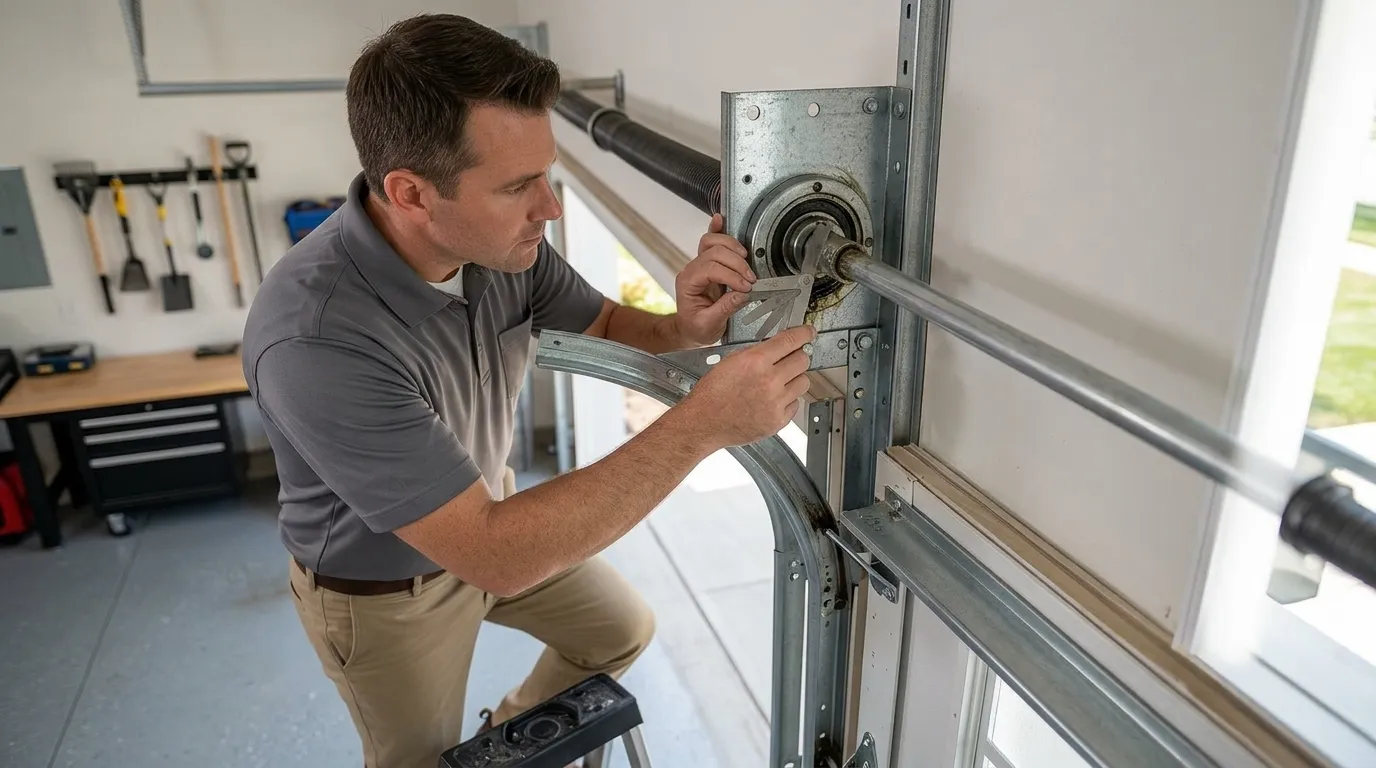
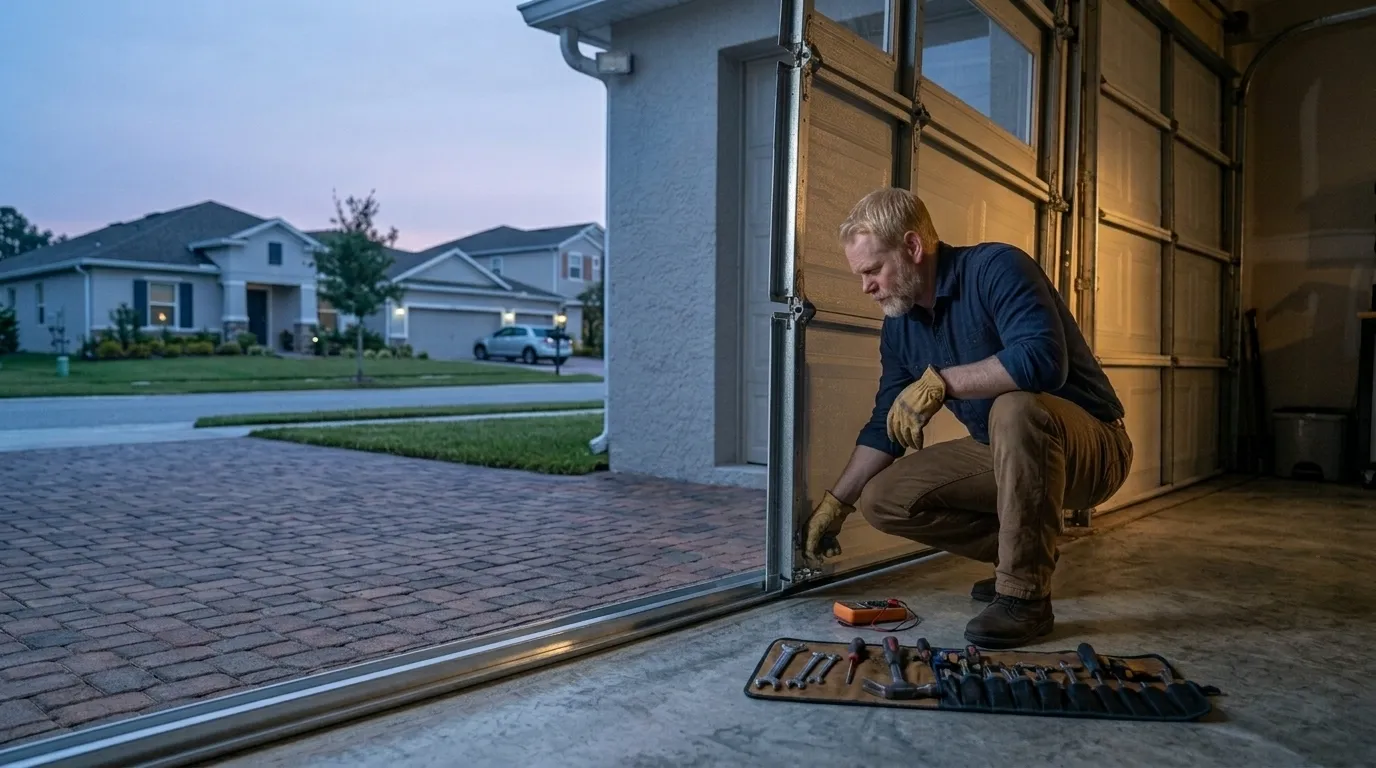
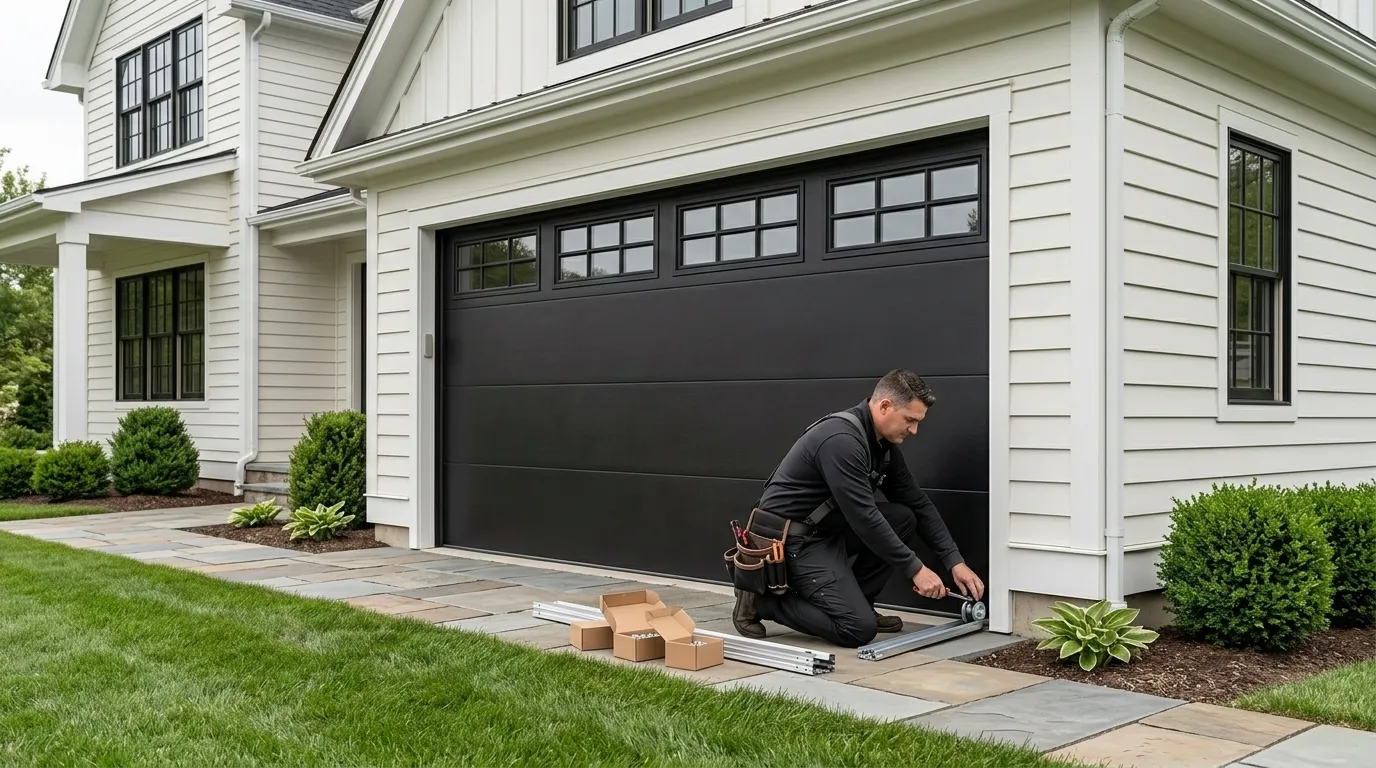
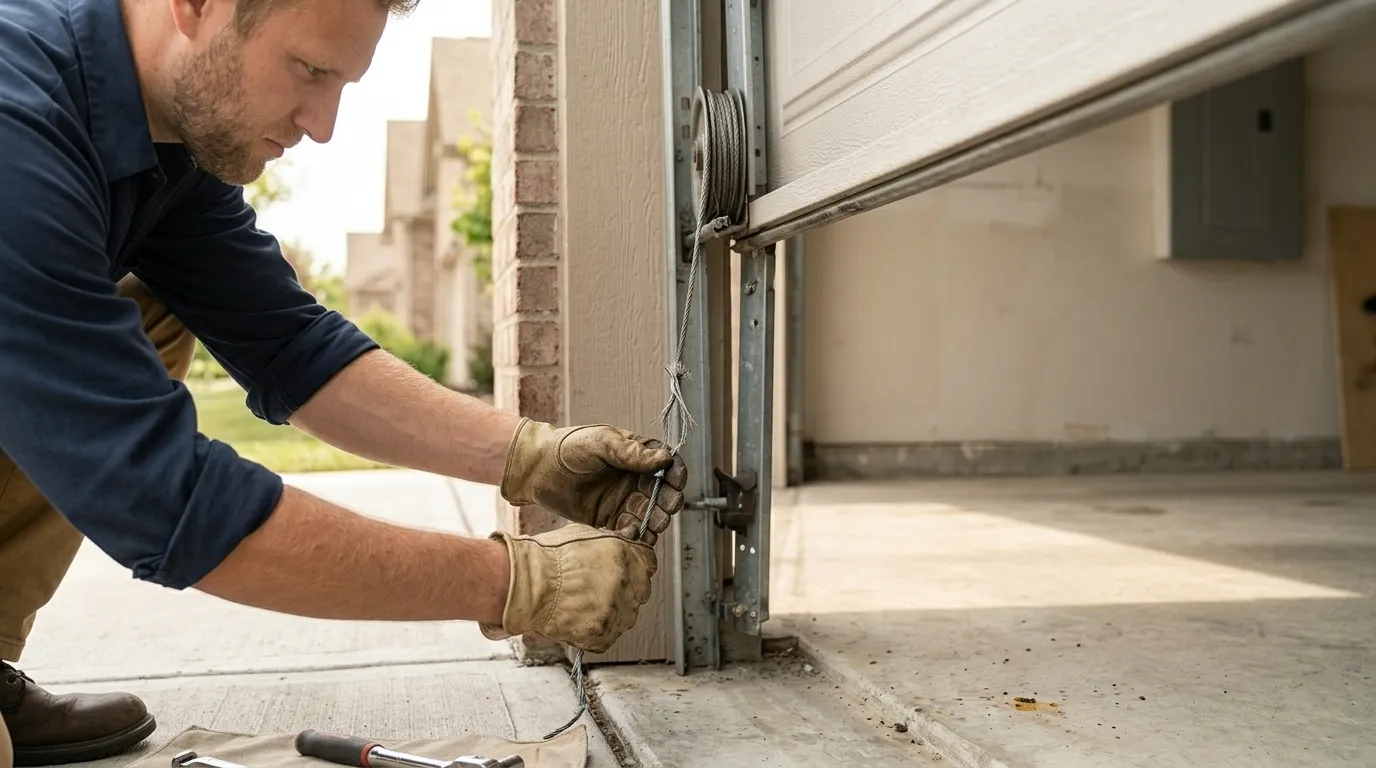
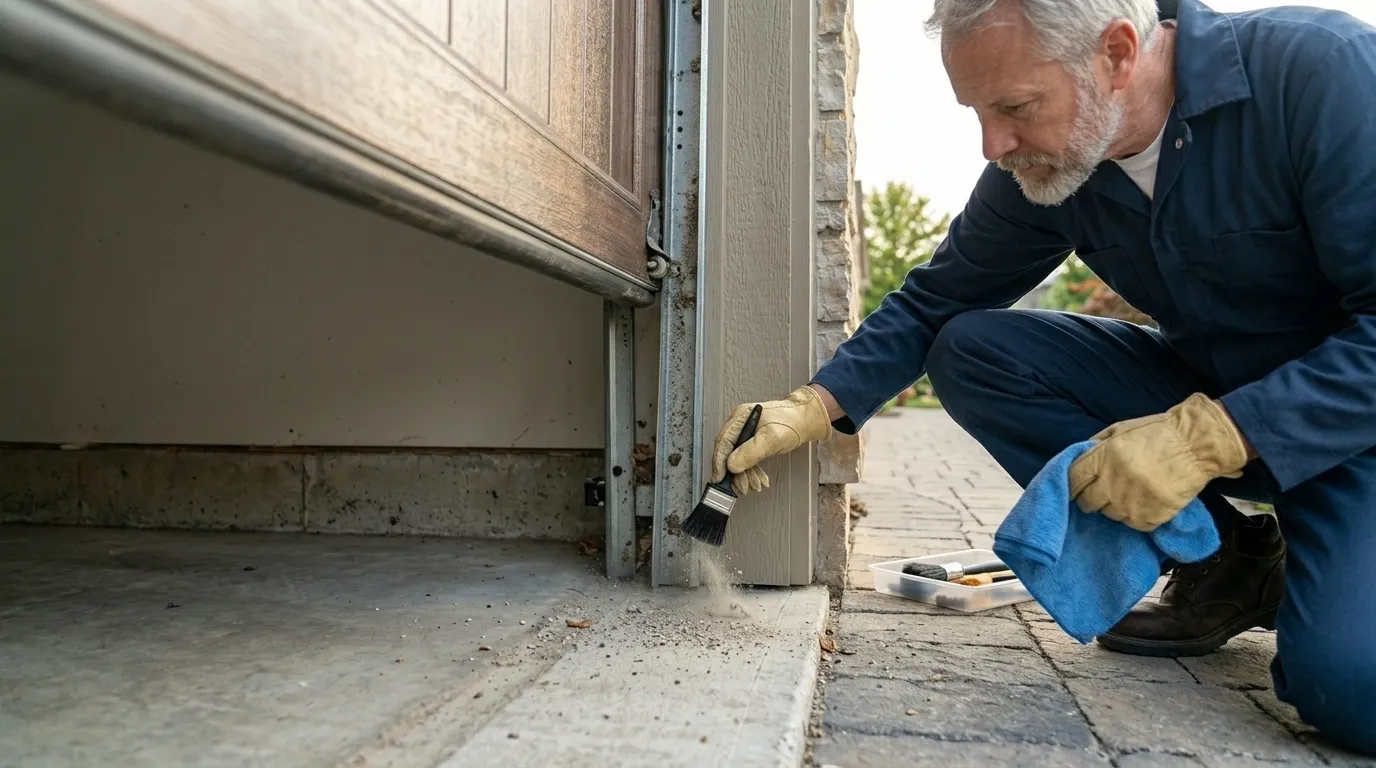
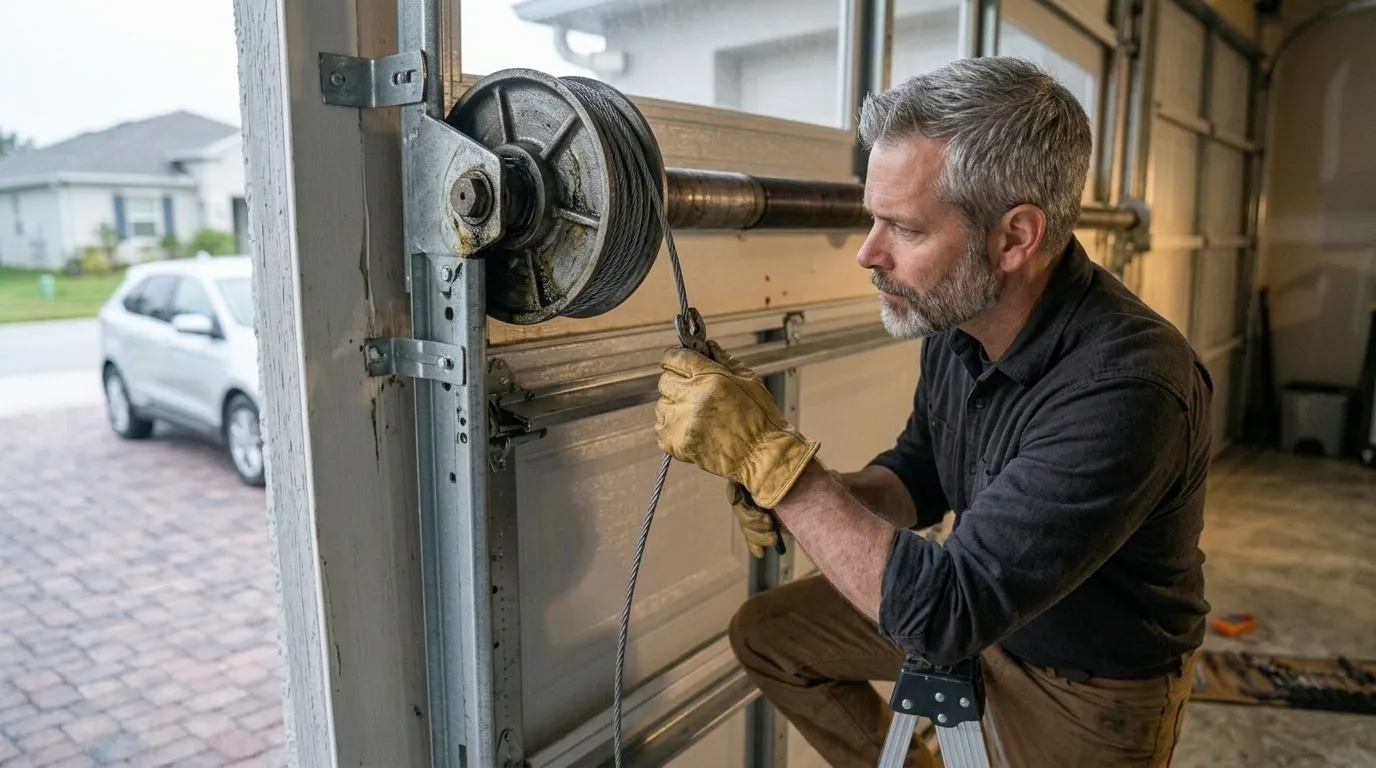
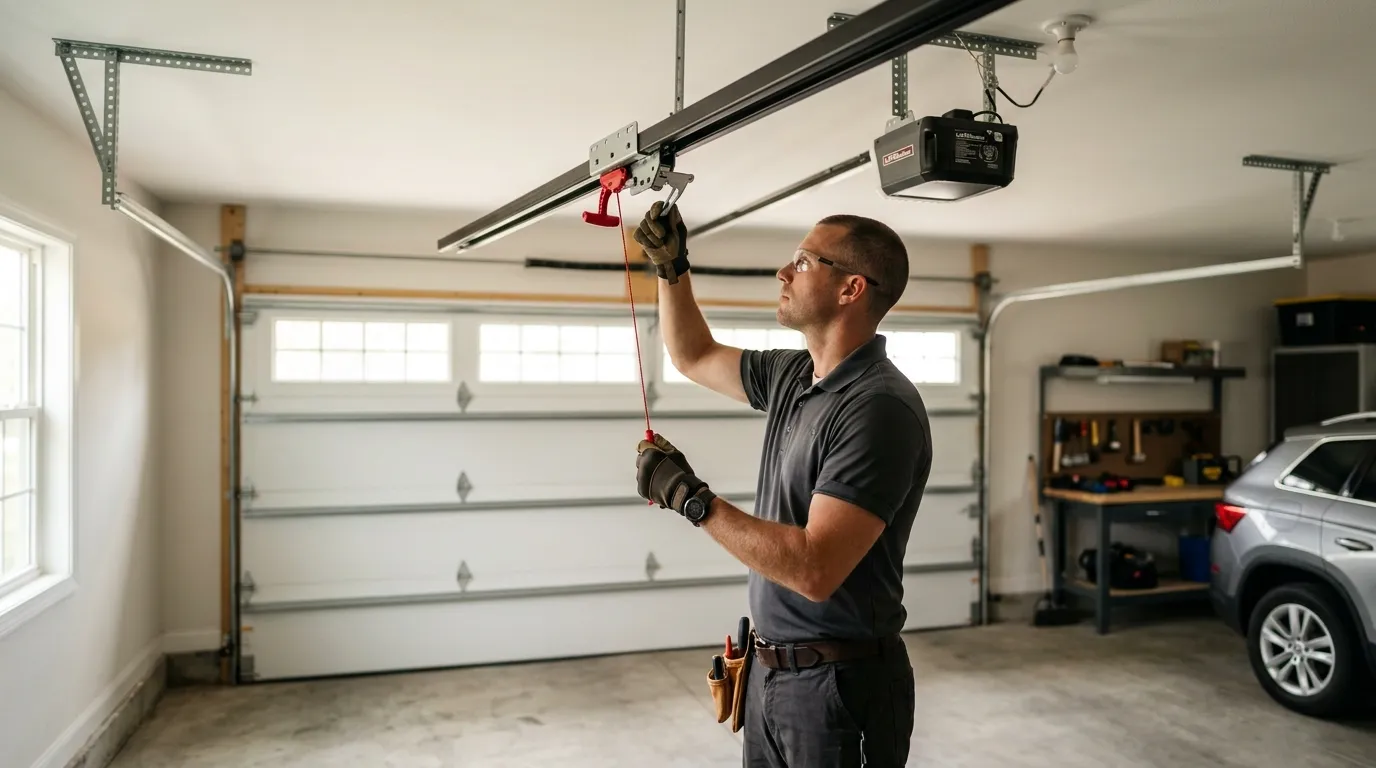
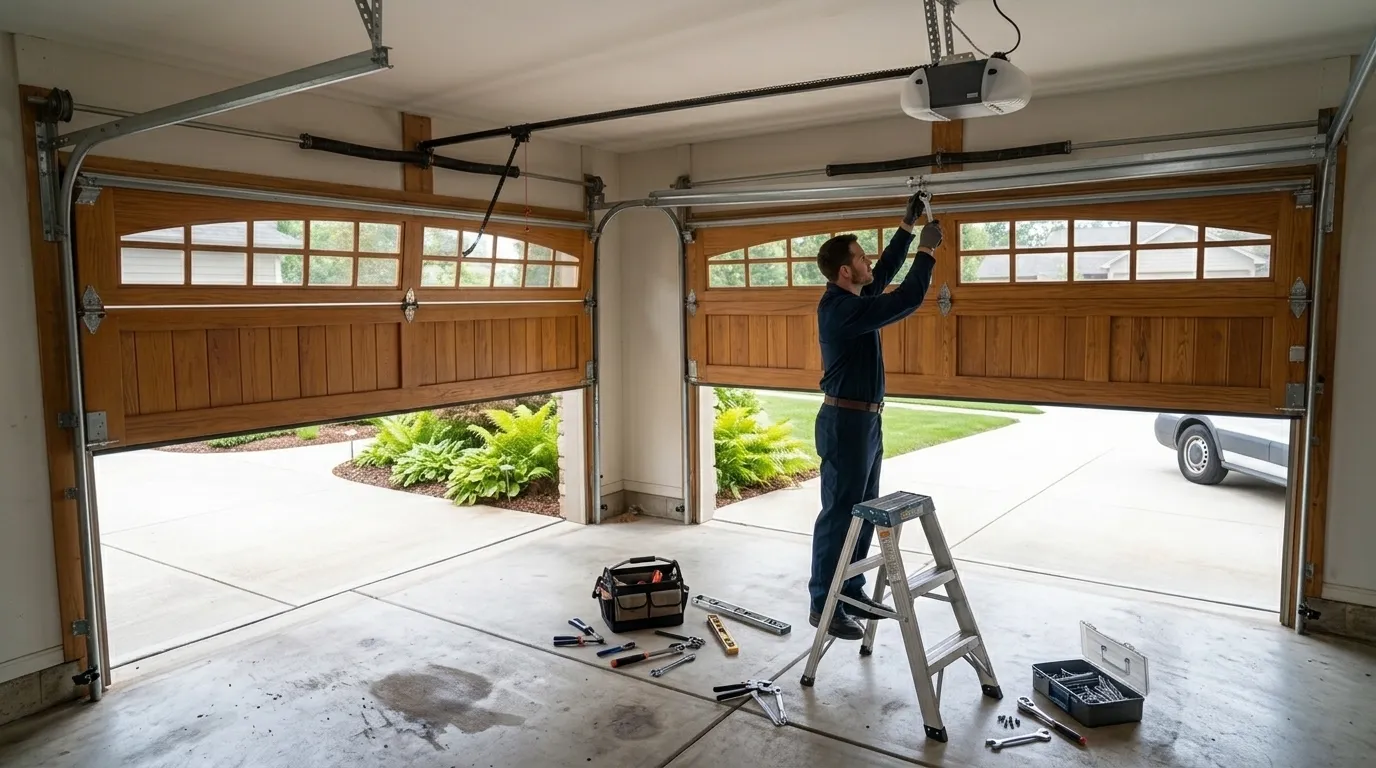
On a house from 1952, the door itself is usually the second or third one that's hung in that opening, but the track brackets and header are often original. That means we're not just swapping a door, we're working around fasteners and framing that have been drilled into more than once. The common call here is an extension spring that's stretched out or snapped, not a torsion spring - torsion setups became standard later, and a lot of South Gate garages never got upgraded. Openers in these houses are typically retrofits bolted to old ceiling joists, sometimes without a proper header bracket, so a rattling opener is often a mounting problem, not a motor problem. We also see track misalignment from slab settling, which is a slower, quieter failure than a snapped spring but just as real. One honest limit: if the framing around the opening has shifted enough that the door binds no matter how we adjust the track, replacing the frame isn't garage door work, and we'll tell you that instead of chasing it with more adjustments.
Timing on This Area
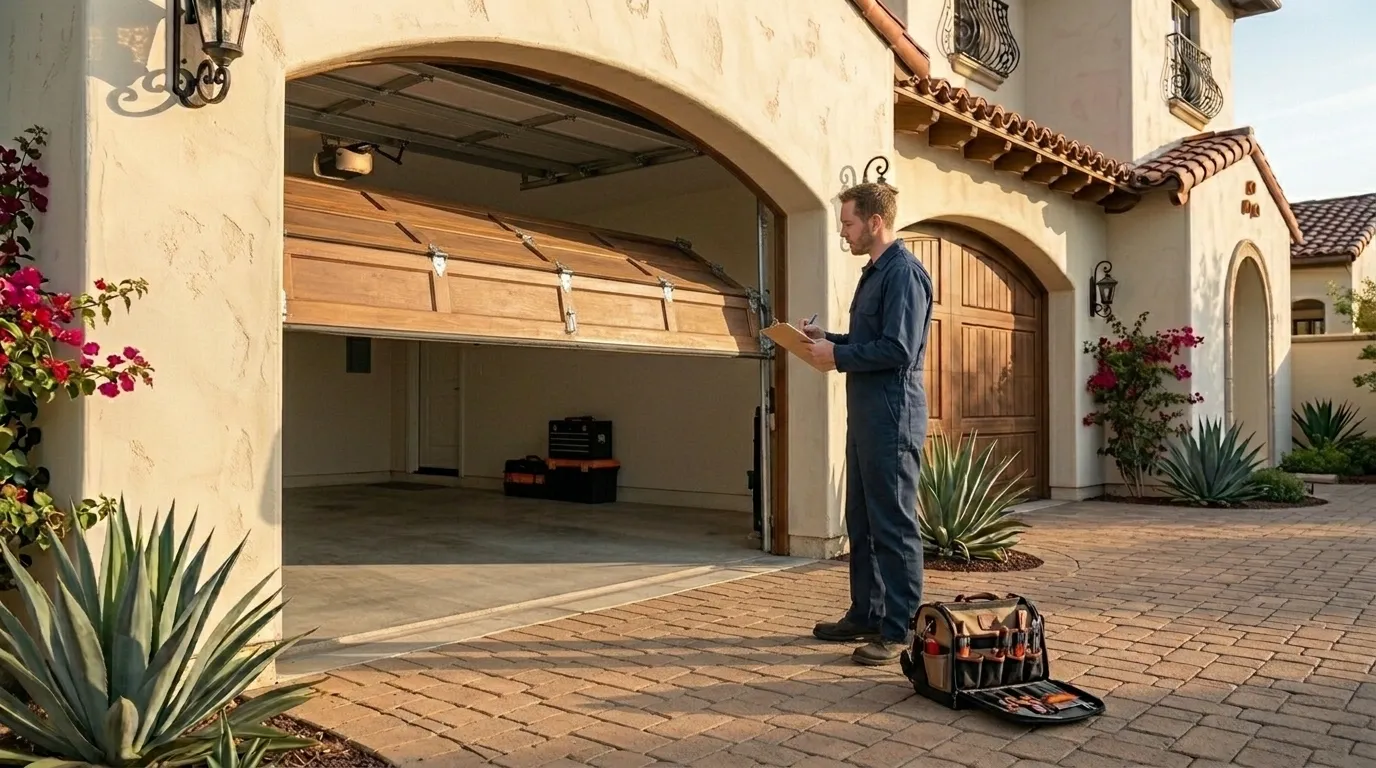
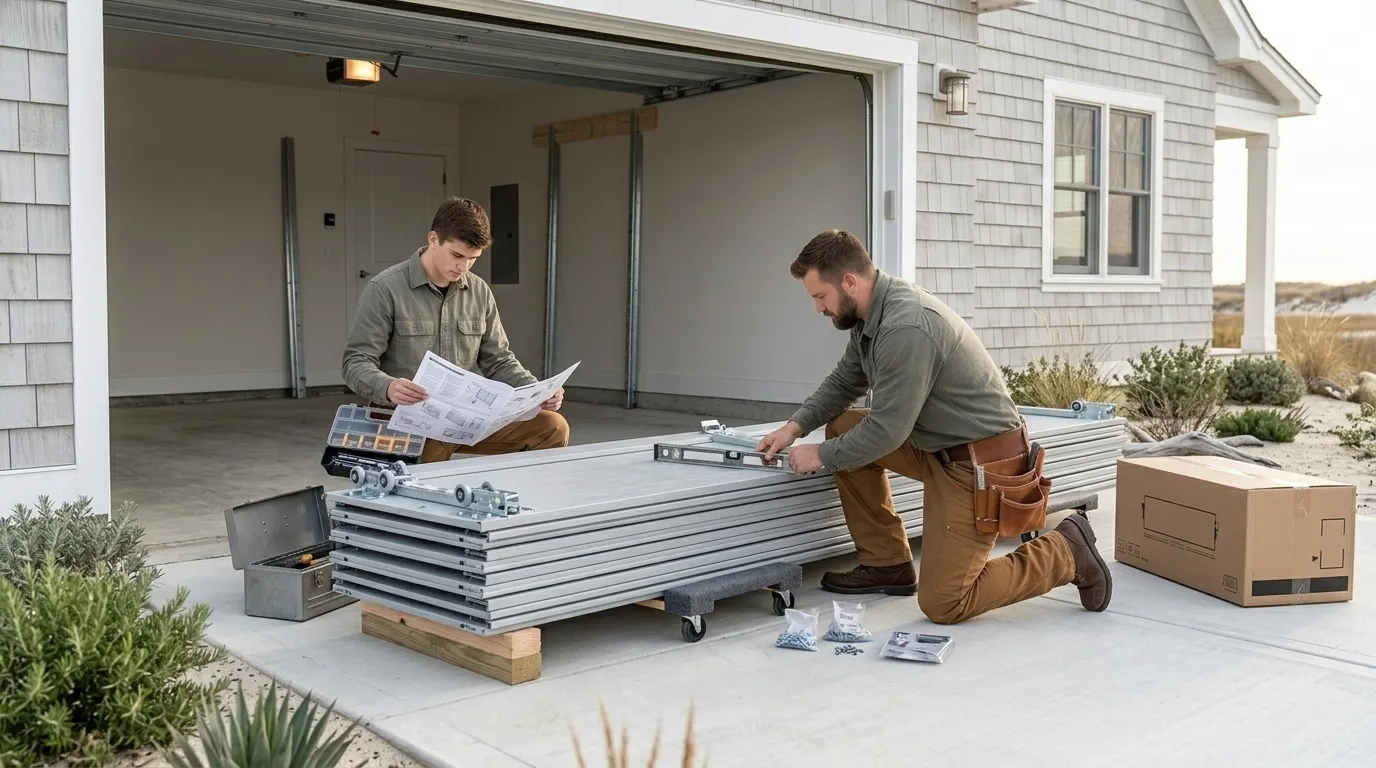
We run out of Pasadena, and South Gate is about 15 miles from there, so we're not sitting in a depot around the corner. That distance is worth being upfront about - we schedule the drive, we don't claim to be already local, and a job here gets slotted the same way a job anywhere else in the coverage area does. Where the age of the house actually affects timing is parts. A torsion spring for a newer door is stock on the truck. An extension spring setup or an older panel size from a 1952 build sometimes isn't, and if the track hardware is a discontinued style, that can mean a return trip once the part is in hand. We'd rather say that plainly than promise a one-visit fix on a door we haven't seen yet. For a straightforward call - spring, cable, roller - there's no reason a South Gate job takes any longer than one closer to Pasadena. It's the older or nonstandard setups where the extra mile matters.
How That Shows Up in the Door
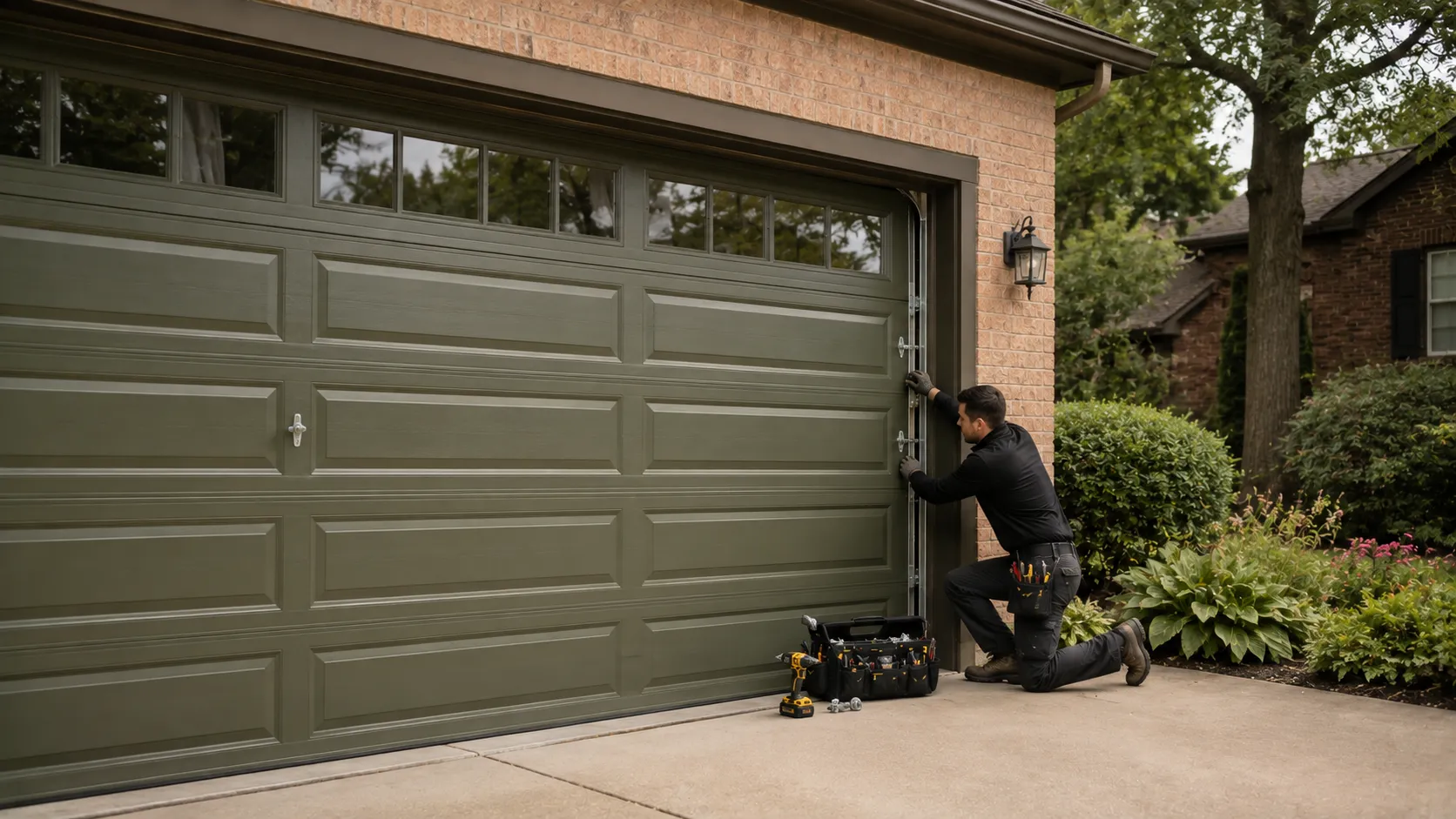
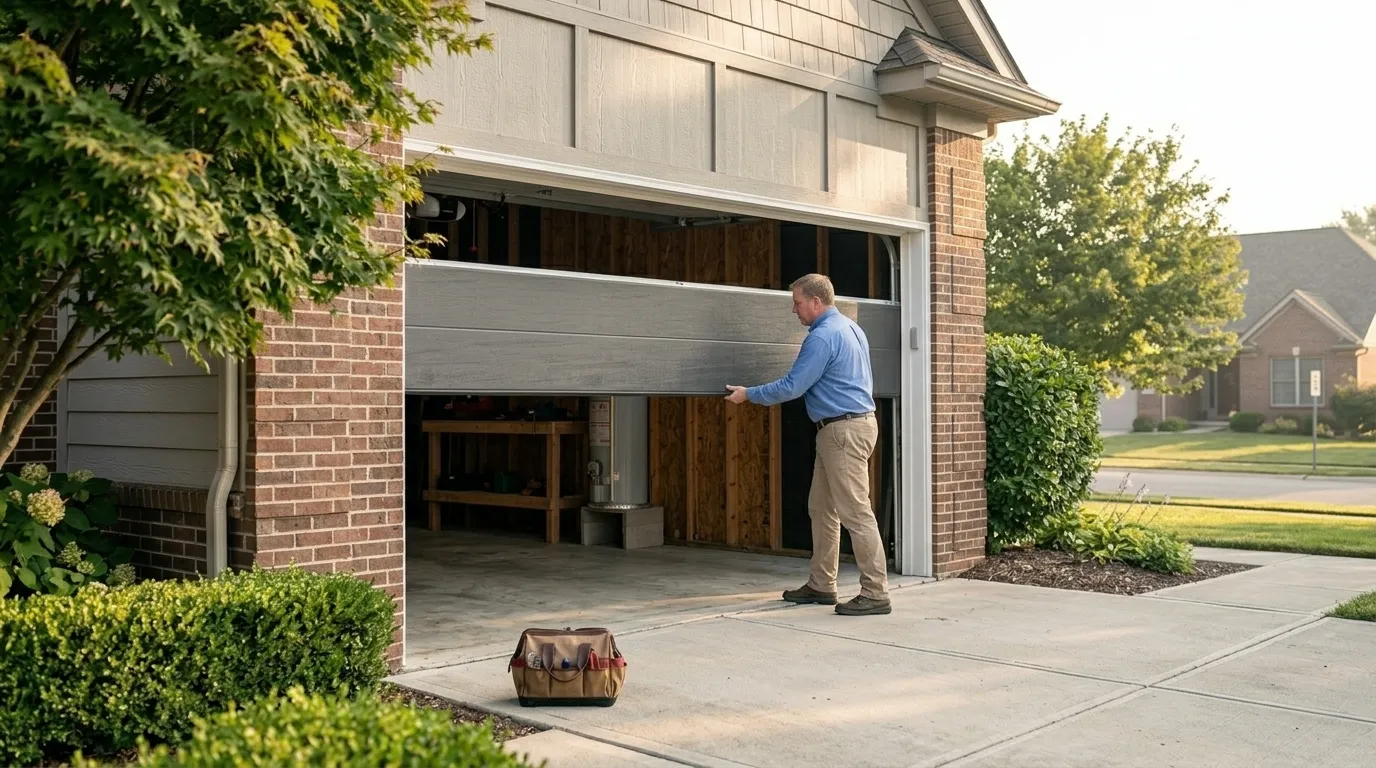
Walk down a block of these 1952 houses and you'll see a lot of the same door twice over - a plain steel sectional, two or three wide panels, no window row, hung on extension springs with the safety cables that got added years after the original install. That's not a knock on the houses, it's just what got built and what got retrofitted onto them in the decades since. It means when we're out here, we're less often installing a modern insulated door with torsion springs on a fresh header, and more often working with what's already there: adjusting an extension spring system that's lost tension, replacing a bent track that never quite lined up with the settled slab, or resetting an opener that was bolted onto framing built for a lighter, older door. None of this is unusual work, but it's a different job than the one we'd be doing on a house built ten years later with different hardware assumptions baked in from the start.
How it works
From “it’s stuck” to “it’s fixed”
01
Tell us what’s wrong
Describe the symptom - won’t open, loud bang, opener runs but the door won’t move.
02
On-site diagnosis
A technician tests the door under power and by hand and finds what actually failed.
03
Clear, up-front plan
You get the fix that’s needed and what drives the cost - before any work starts.
04
Repaired & tested
The repair is done, the door is set true and tested, and the work area left clean.
Serving Pasadena, CA - tell us what your door’s doing and we’ll take it from there.
Straight answers about garage door repair in Pasadena. Still unsure? Ask us directly.
Do you have a location in South Gate?
No. We work out of Pasadena and travel to South Gate, about 15 miles away. There's no separate depot here - jobs are scheduled the same way any call in the service area is, with the drive built into the appointment.
Why does my extension spring keep breaking instead of a torsion spring failing?
A lot of South Gate garages were built or fitted out before torsion spring setups became the standard, so the original extension spring hardware is often still in place. Extension springs wear differently and tend to fail at the spring itself rather than the shaft, which is why replacement is a common call here.
My opener rattles every time it runs. Is that the motor?
Often not. In houses from this era, openers are usually retrofits bolted onto joists that weren't built with a proper header bracket for one. A rattle is frequently a mounting issue rather than a failing motor, and it's worth having someone check the bracket before replacing the unit.
Can you always get parts for an older door the same day?
Not always. Standard torsion springs and common track hardware are stock on the truck, but older extension spring sizes or discontinued panel styles from 1950s builds sometimes need to be ordered, which can mean a second visit.