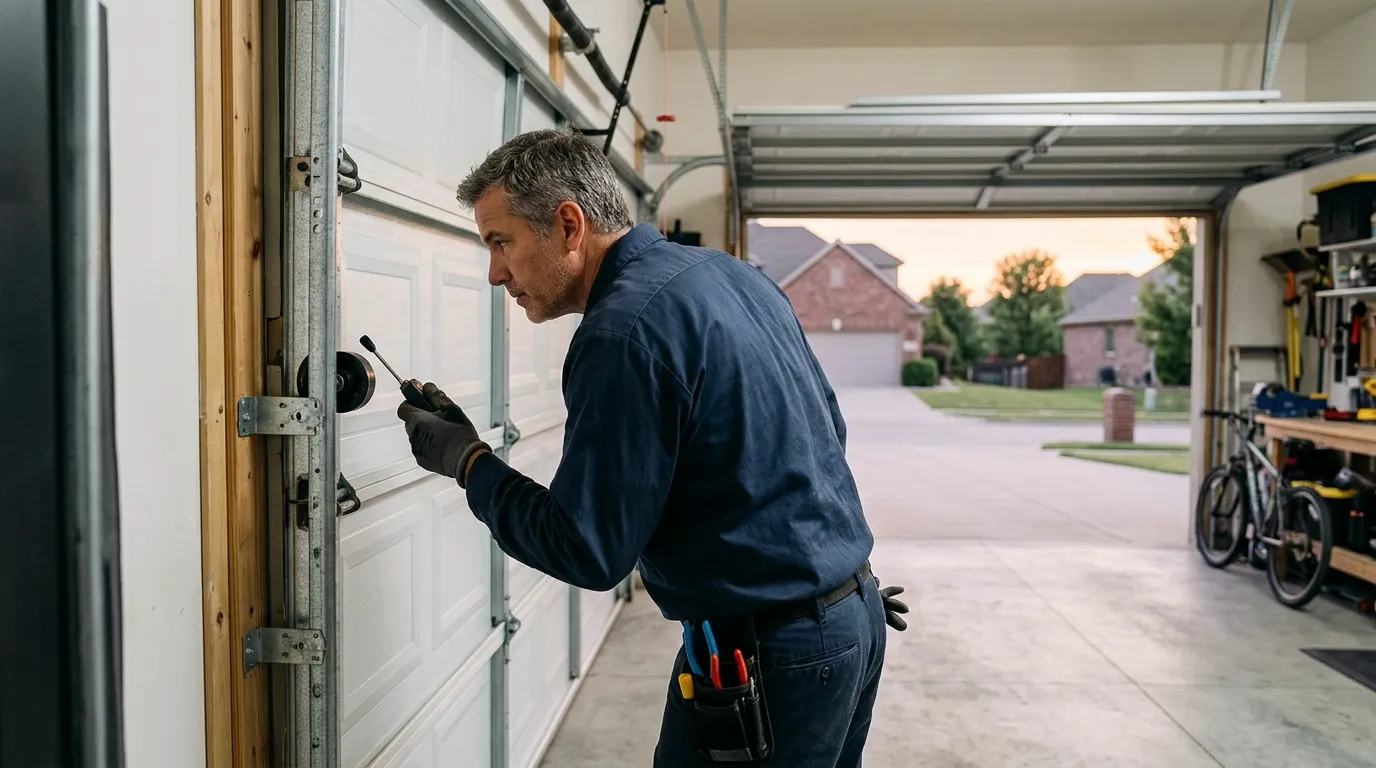
Houses in Pico Rivera cluster tightly around 1957, which puts this area right in the middle of the postwar building boom that shaped a lot of the San Gabriel Valley. That single-decade concentration matters more than it sounds like it should. A neighborhood built out in a five-to-ten year window tends to have the same garage door hardware installed by the same handful of builders, which means the same failure points show up house after house on the same block. We're not guessing at what's behind your door panel when we drive out from Pasadena - a 1957 build year tells us most of what we need to know before we open the truck. Some of these doors have been replaced once or twice since, but the framing, the header clearance, and the track mounting are usually original to the house, which shapes what a modern door can and can't do without extra carpentry.
The Usual Work Here
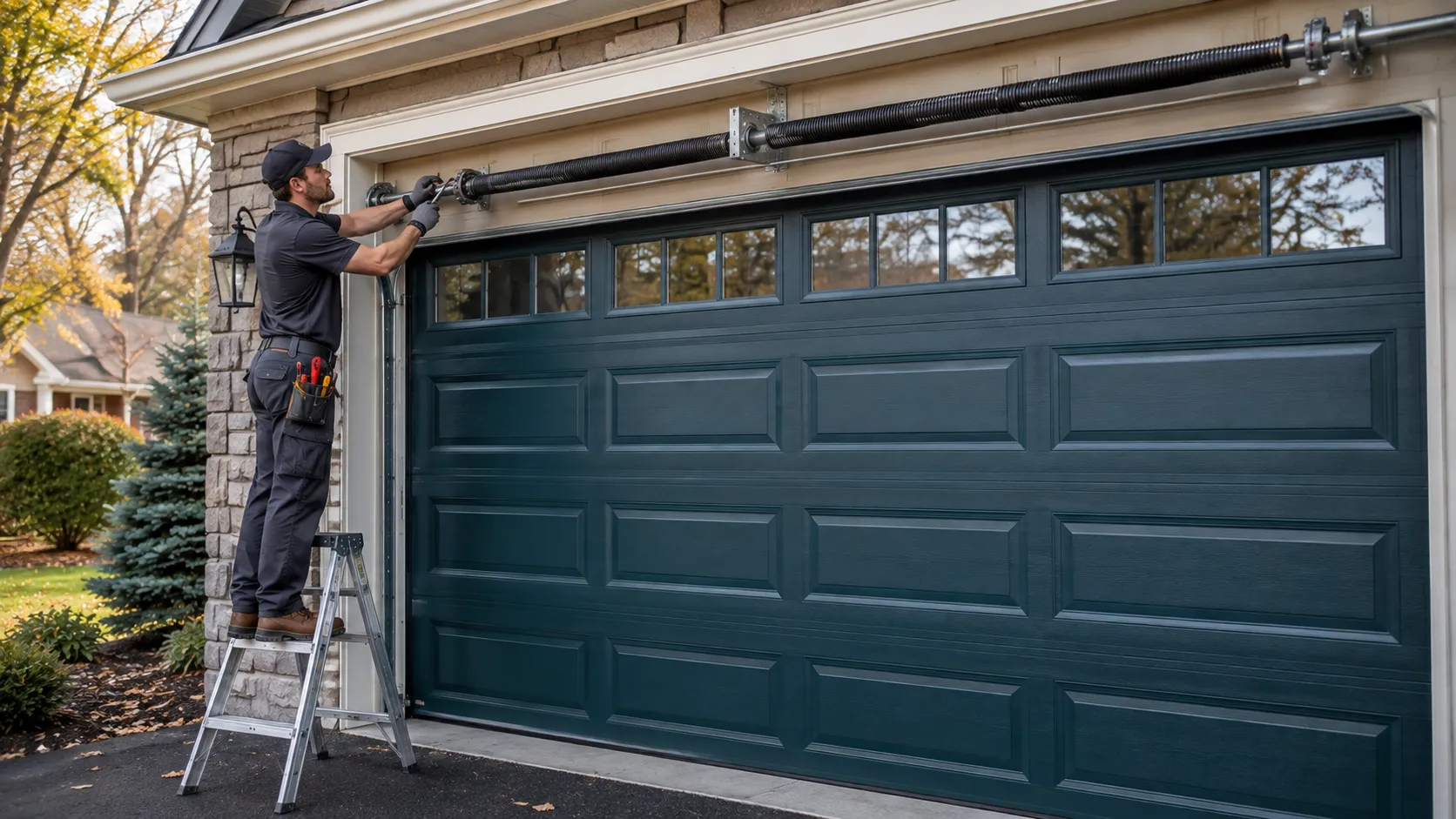
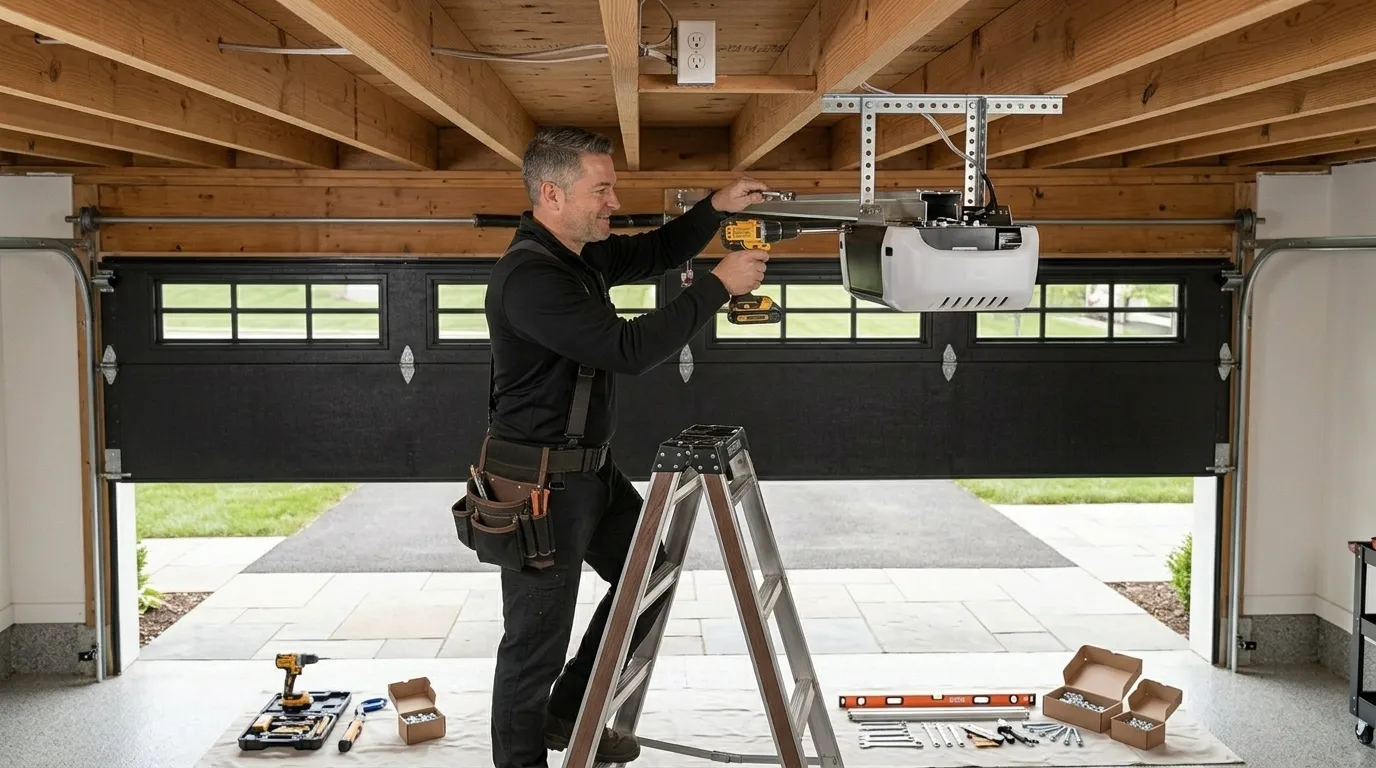
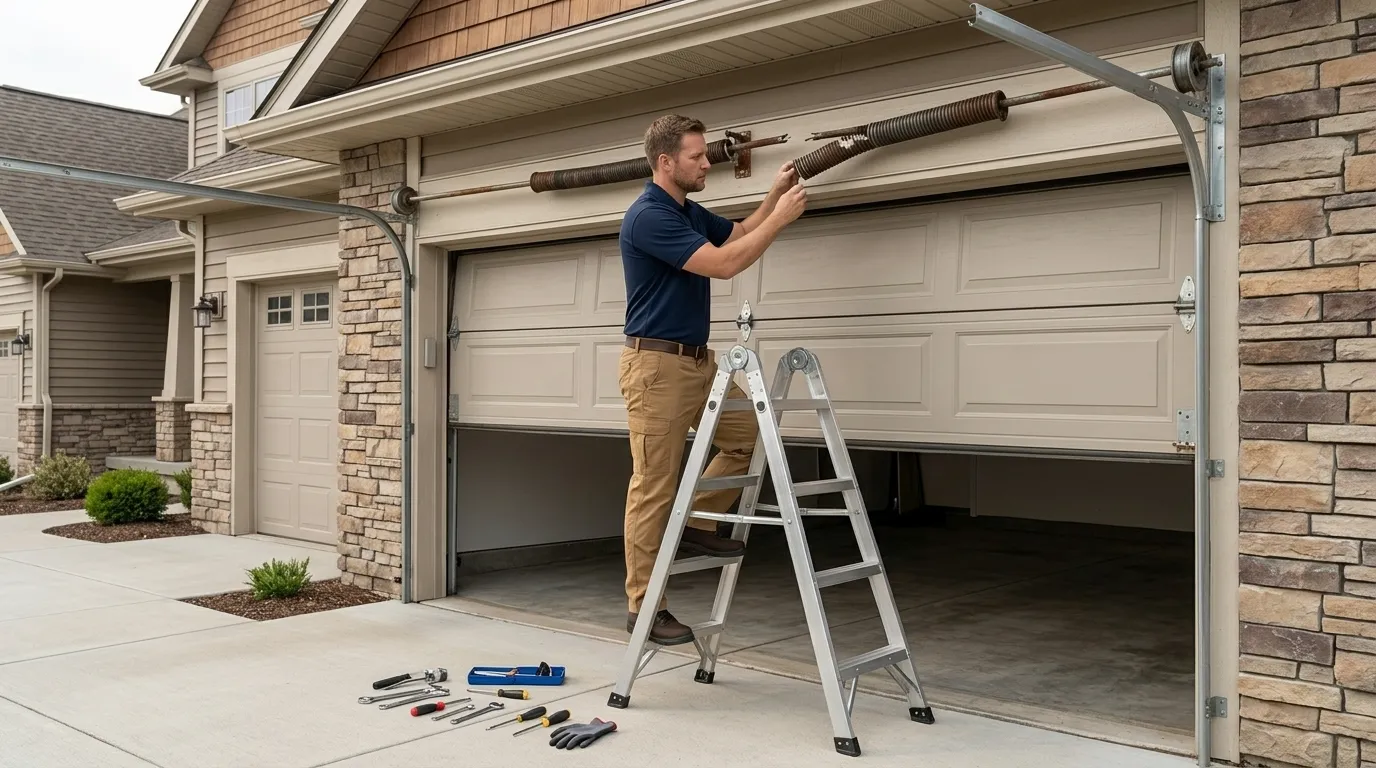
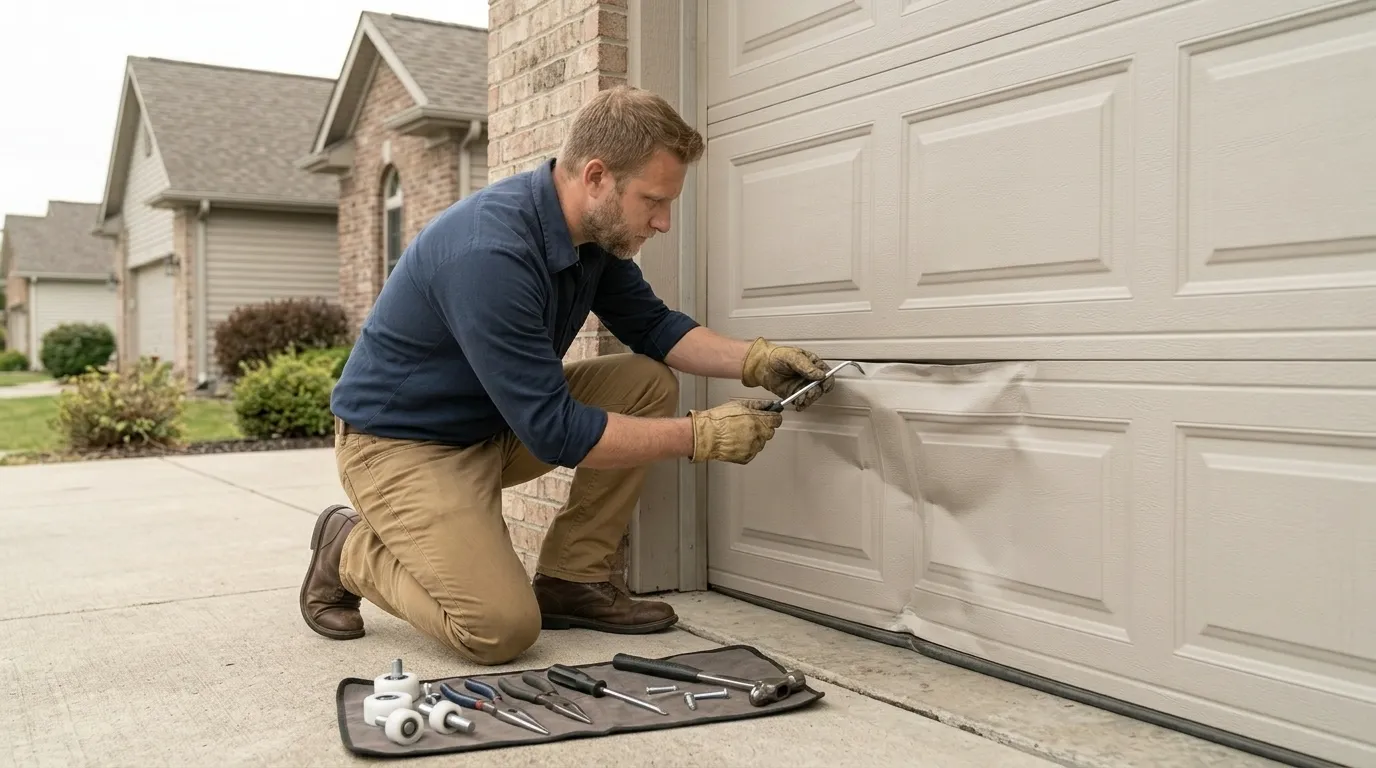
With roughly 16,800 households in this area sitting on that same building era, the calls repeat themselves: torsion springs that have gone well past their cycle count, steel rollers seized in tracks that were never resurfaced, and openers original enough that parts stopped being made for them years ago. We also see a fair number of doors where a homeowner swapped in a newer panel set but kept the old track width, which throws the roller alignment off in a way that looks like a spring problem but isn't. Median household income here runs around $86,956, and what that tends to mean in practice is homeowners who'll pay for a proper spring and drum replacement rather than a patch, but who also want a straight answer on whether the door is worth fixing at all versus replacing. We give that answer honestly, even when it costs us the bigger job.
Timing on This Area
We run out of Pasadena, and Pico Rivera sits about 12 miles out, which we build into how we schedule the day rather than treating it as an afterthought. We don't claim a depot here and we don't promise a same-hour arrival - what we do is stock the truck for what a 1957-era door actually needs before we leave, torsion springs sized for older drum diameters included, since that's not always sitting on a generic parts shelf. Mild year-round temperatures across this part of the region mean we're not fighting the kind of extreme heat or cold cycling that wears out seals and lubricant faster elsewhere, so the springs and hardware out here tend to fail from age and cycle count rather than climate stress.
How That Shows Up in the Door
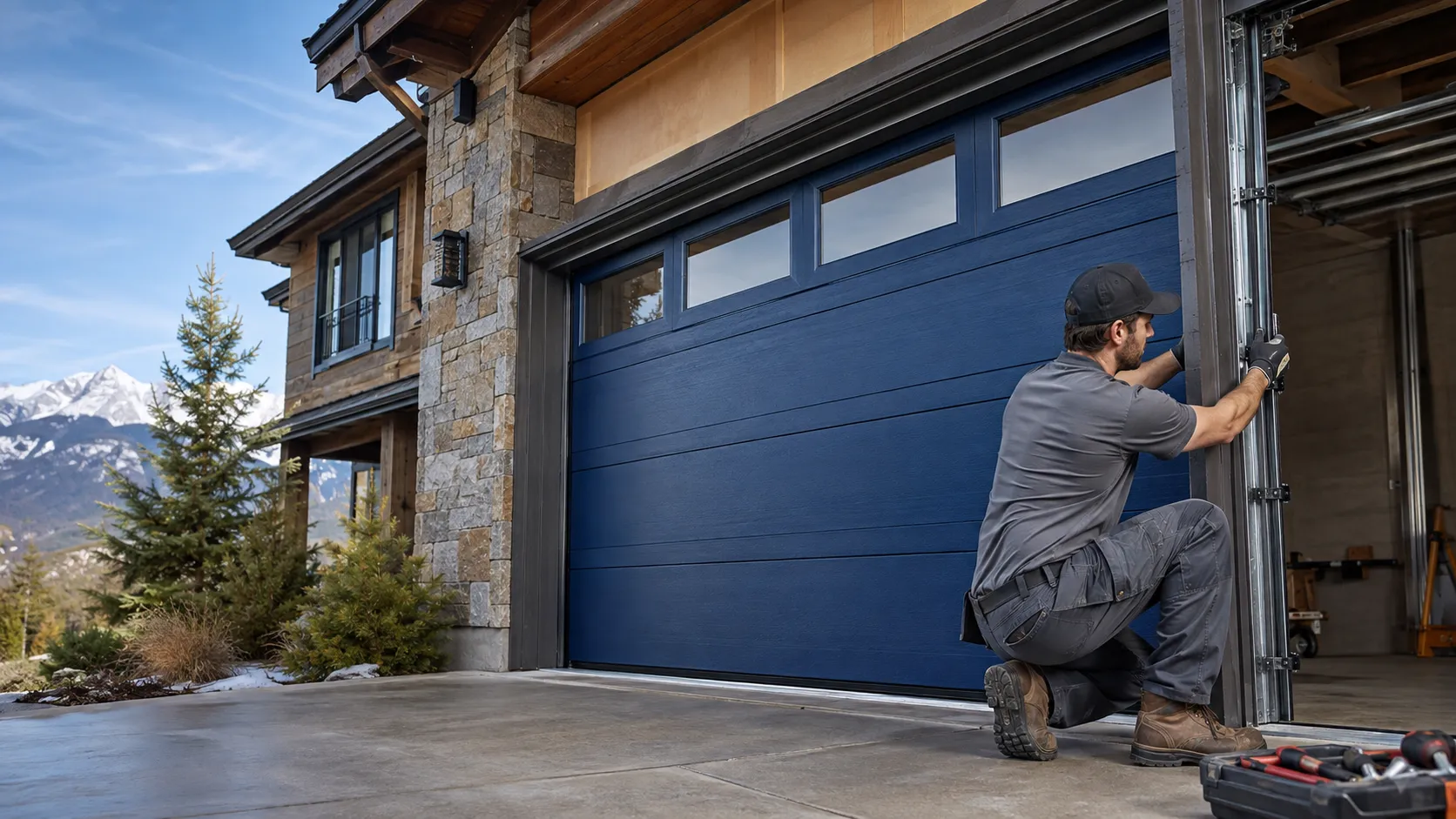
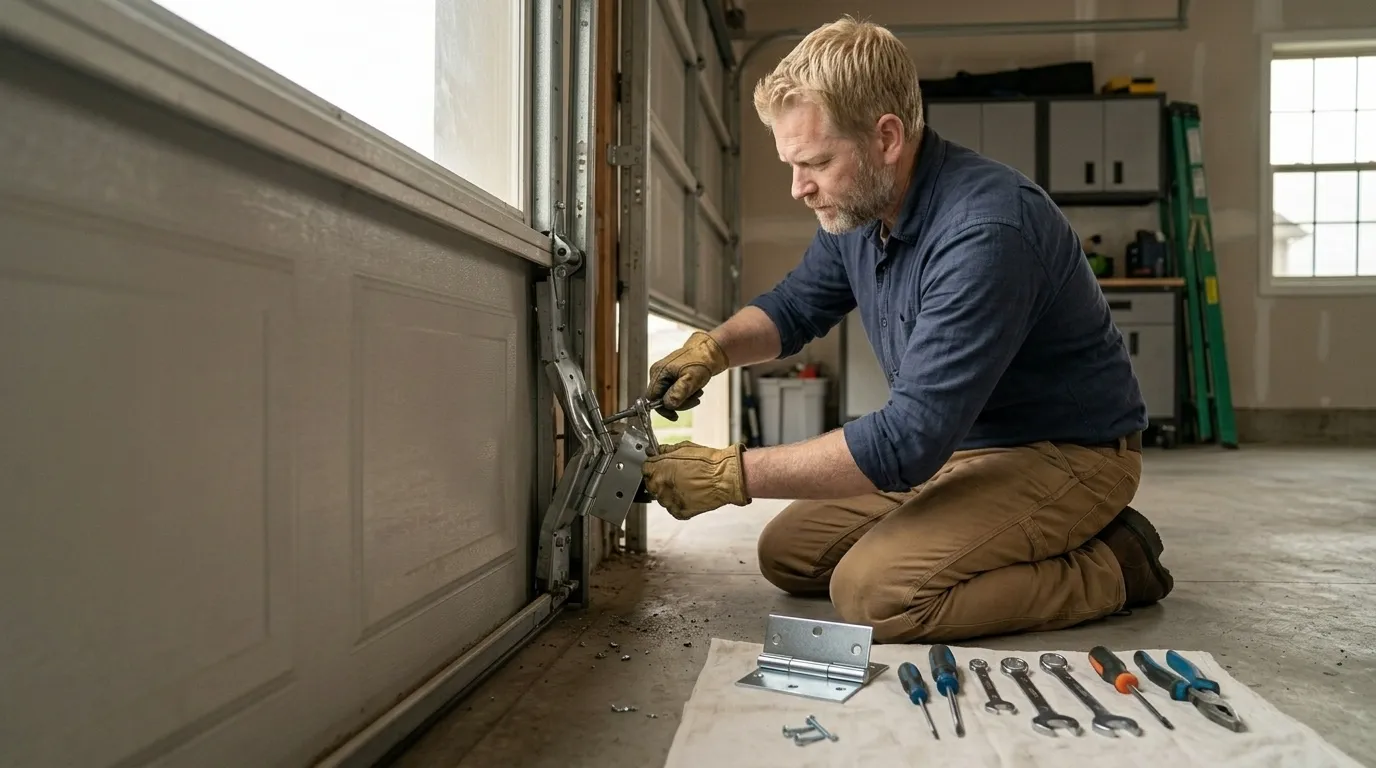
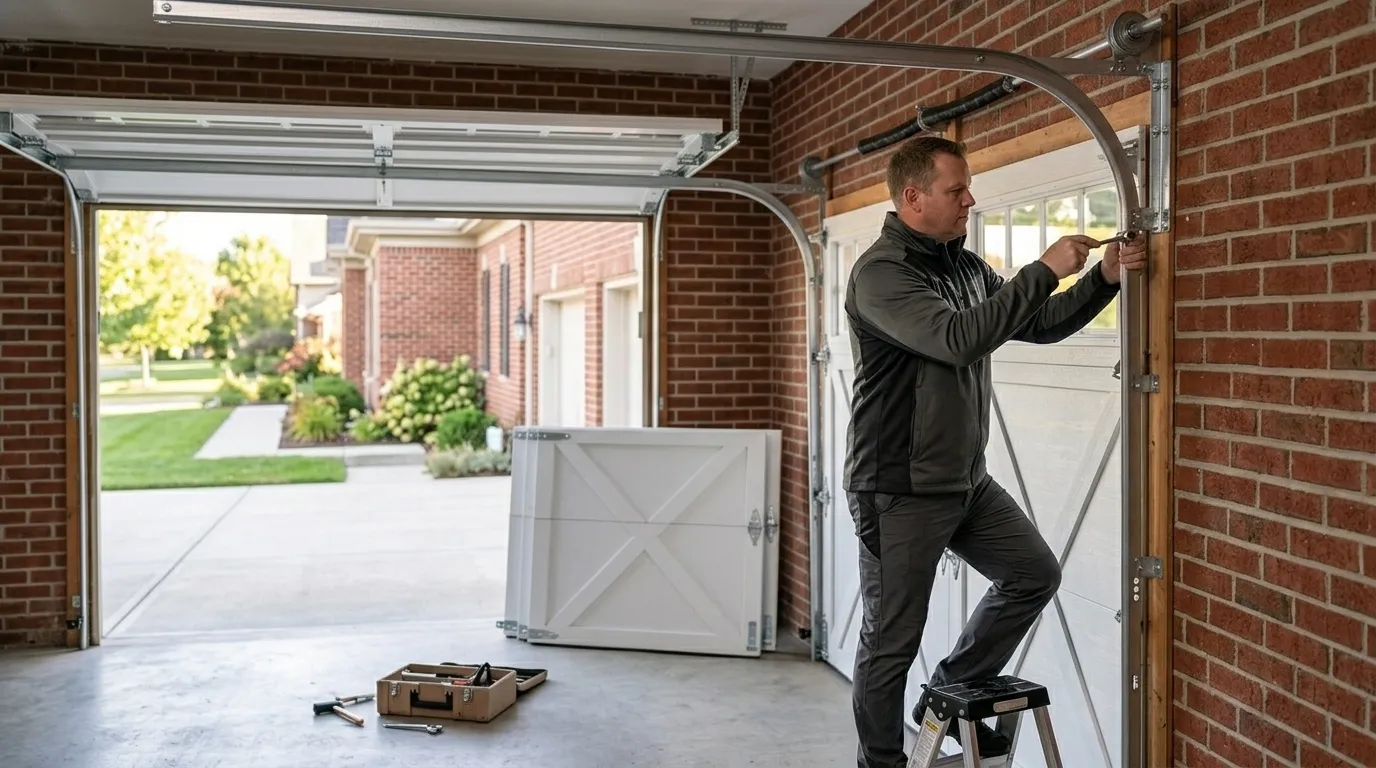
On a house built around 1957, the door problem you're looking at usually isn't the door - it's what it's hanging on. Original header framing from that era was sized for lighter, single-layer doors, so when a heavier insulated steel door goes in later without adjusting the spring count or drum size, the opener starts straining and the springs wear out faster than the label suggests they should. We see this constantly in this area: a five-year-old door on forty-year-old hardware, fighting itself every time it opens. The honest limitation here is that we can't always fix that mismatch with a spring swap alone - sometimes the fix is a new track and header bracket, and sometimes it's telling you the door needs full replacement rather than another repair. We'd rather say that up front than sell you a spring that fails again in a year.
How it works
From “it’s stuck” to “it’s fixed”
01
Tell us what’s wrong
Describe the symptom - won’t open, loud bang, opener runs but the door won’t move.
02
On-site diagnosis
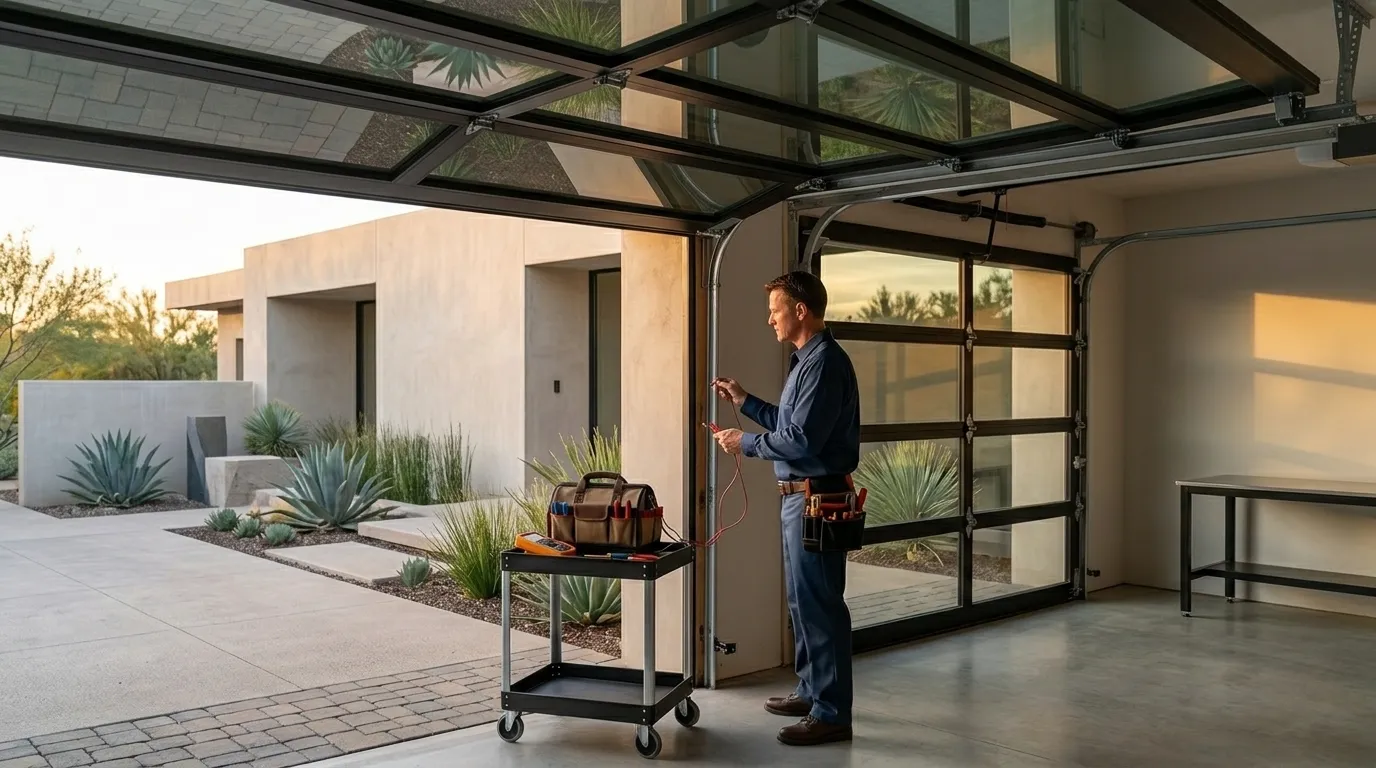
A technician tests the door under power and by hand and finds what actually failed.
03
Clear, up-front plan
You get the fix that’s needed and what drives the cost - before any work starts.
04
Repaired & tested
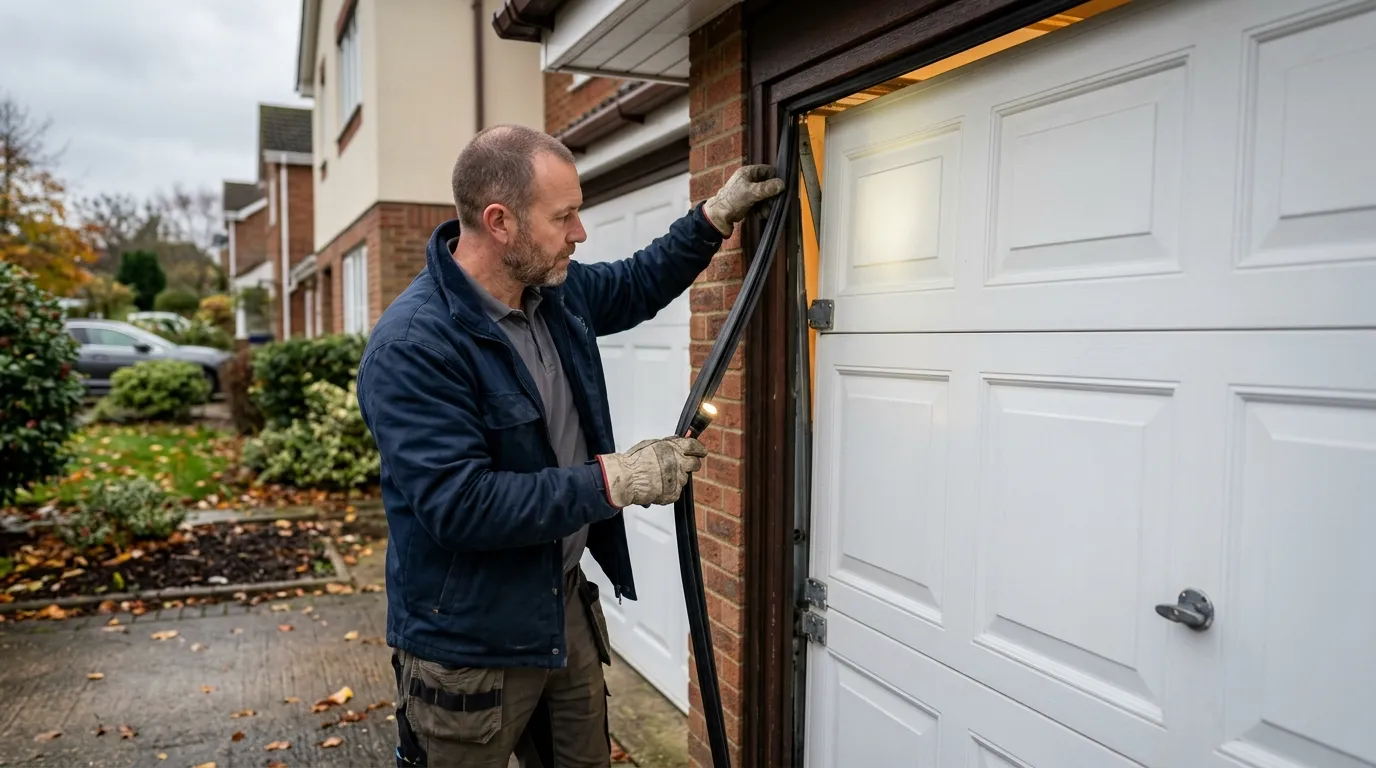
The repair is done, the door is set true and tested, and the work area left clean.
Serving Pasadena, CA - tell us what your door’s doing and we’ll take it from there.
Straight answers about garage door repair in Pasadena. Still unsure? Ask us directly.
Do you have a location in Pico Rivera?
No, we run out of Pasadena, about 12 miles away. We don't keep a local depot here, but we stock the truck ahead of the job based on what homes from this area typically need, so we're not making a second trip for parts.
Why does my garage door strain even though it's newer than my house?
Your house was likely built around 1957, when header framing and track spacing were sized for lighter doors. A newer, heavier insulated door on that original hardware puts extra load on the springs and opener, which wears them out faster than you'd expect from a recently installed door.
Are parts for older openers still available?
Sometimes, sometimes not. A lot of homes here still run openers old enough that the manufacturer has discontinued parts. When that happens we'll tell you straight whether a repair is realistic or whether the opener has reached the point where replacement is the better spend.