
Do you have a shop or crew based in Paramount?
No. We're based in Pasadena and drive out to Paramount for scheduled jobs, about 18 miles each way. We don't stage a truck locally, so appointments are booked ahead rather than same-hour drop-ins.
We travel from Pasadena to Paramount, where most houses were built around 1970 - newer torsion springs and openers than the city's typical 1959 stock.
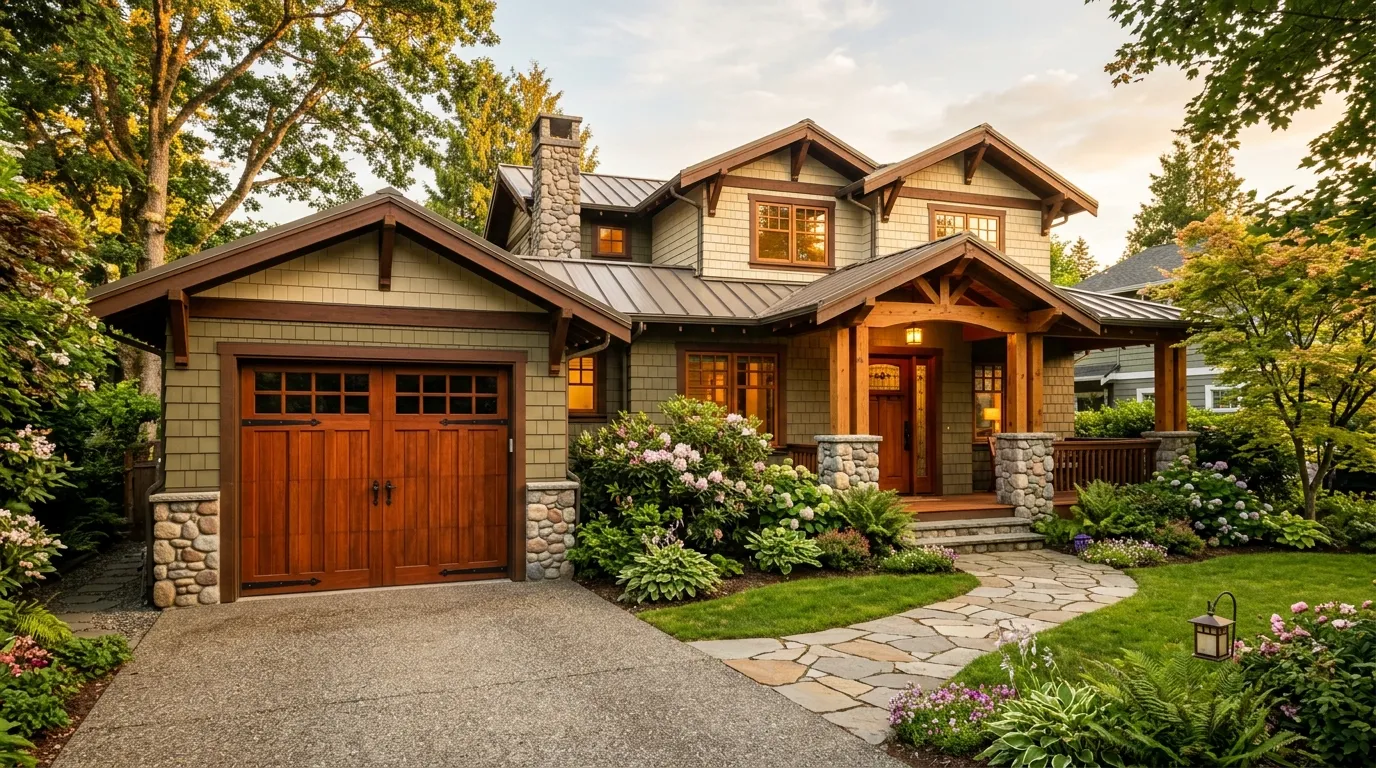
Paramount's houses mostly went up around 1970, which puts this area a full decade past the median year for the wider service area we cover, where the typical build date lands closer to 1959. Across the 65 named communities in that broader area, most of the housing stock is pre-1960. Paramount breaks from that pattern. The 14,348 households here are living in homes from a later construction wave, built under different code and with different standard hardware than what you'd find in the older pockets closer to Pasadena. The region overall sits in a mild temperate climate band, so the failures we see here aren't driven by freeze-thaw cycles or storm damage. They're driven by age of the parts and how many times a door has cycled. That distinction matters when you're trying to figure out why your door is doing what it's doing - the answer usually traces back to when the house, and the door on it, actually went in.
A door installed around 1970 typically came with a steel roll-formed panel door and, depending on the builder, either an extension spring system over the track or an early torsion setup - not always the double-torsion-spring arrangement you'd expect on a newer double door. Openers weren't universal yet at that build date, so a lot of these doors got a chain-drive opener bolted on later, sometimes years after the house was finished, which means the opener's age doesn't always match the door's age. We see worn rollers, stretched or frayed lift cables on extension systems, and openers that are on their second or third motor. One honest limitation: if a door's track or jamb hardware was custom-fit to an old, out-of-square frame, we may need to source or fabricate a bracket rather than grab a stock part off the truck, and that can add a day to the job. We won't force a stock part where it doesn't belong.
On a house from this build era, the door you've got is probably a steel panel door, original or a like-for-like replacement, running on a track that was set for either an extension spring pair or a single torsion spring - not the double-spring, insulated-panel setup that shows up in newer construction. If your opener is chain-drive and grinding, or your door drops fast on one side when the spring lets go, that's consistent with what we expect to find on a door of this age and type. Cables on extension systems fray at the pulley over time and are worth checking before they snap. If your opener has been swapped once already, the door itself may still be original, which changes what we look at first - track alignment and spring balance, not just the motor. We diagnose from what's actually on your header, not from an assumption about what a 1970-era door should look like.
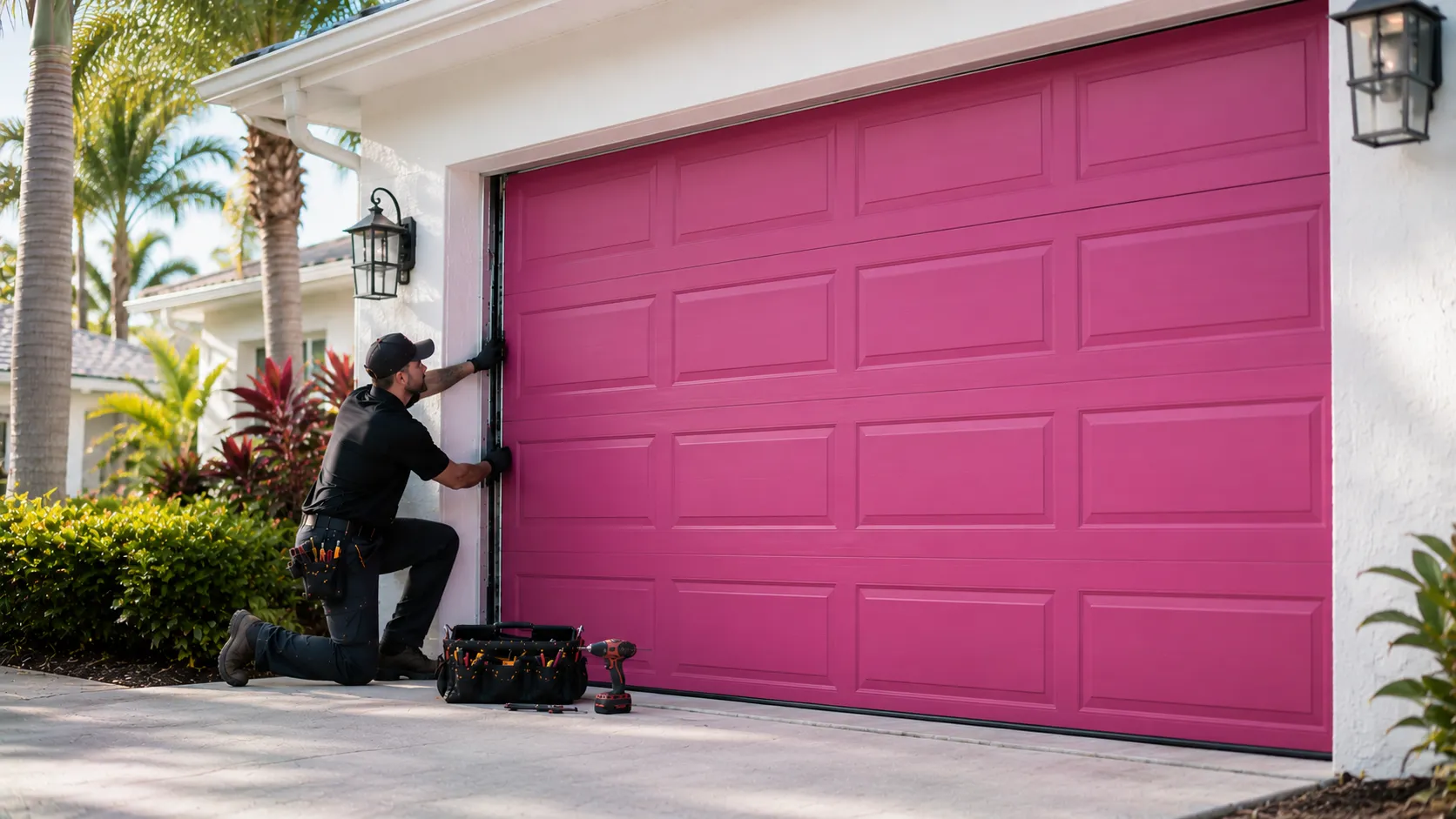
Describe the symptom - won’t open, loud bang, opener runs but the door won’t move.
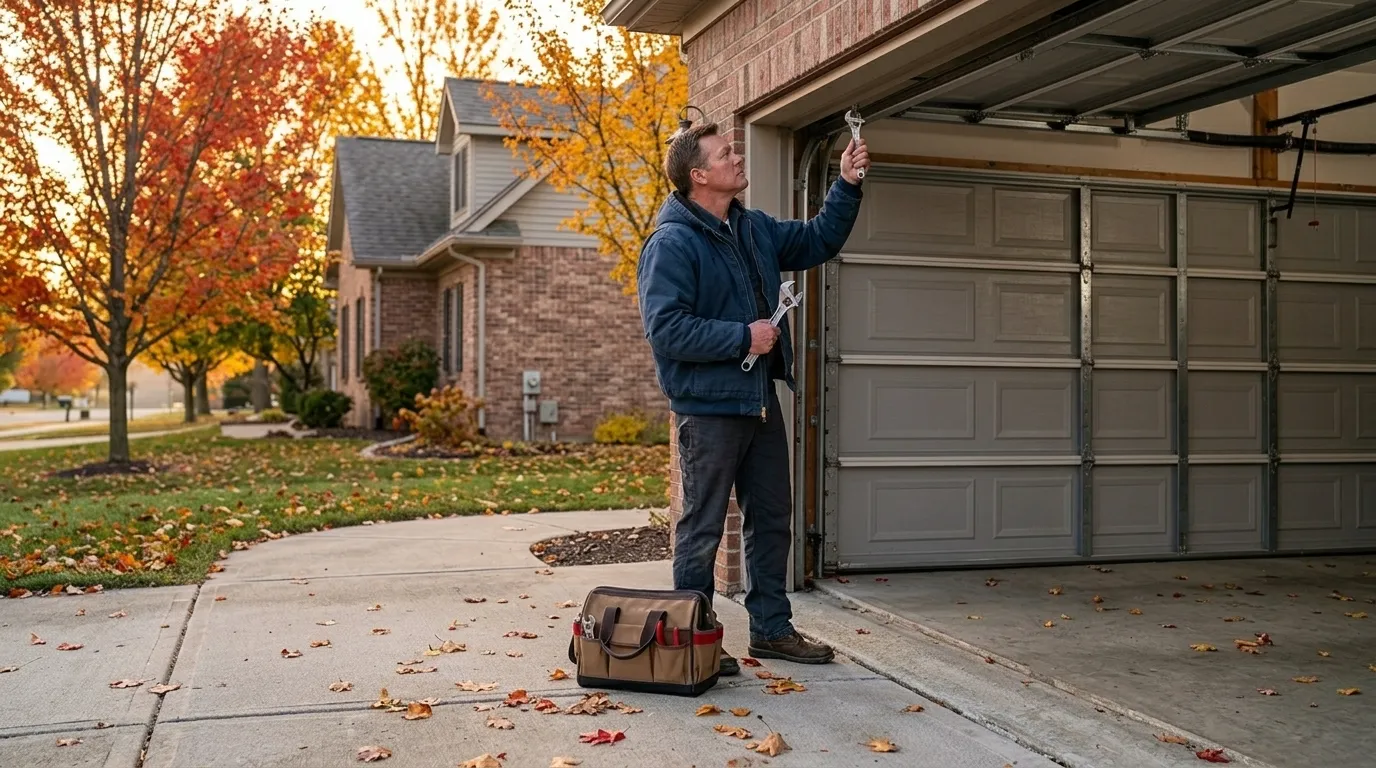
A technician tests the door under power and by hand and finds what actually failed.
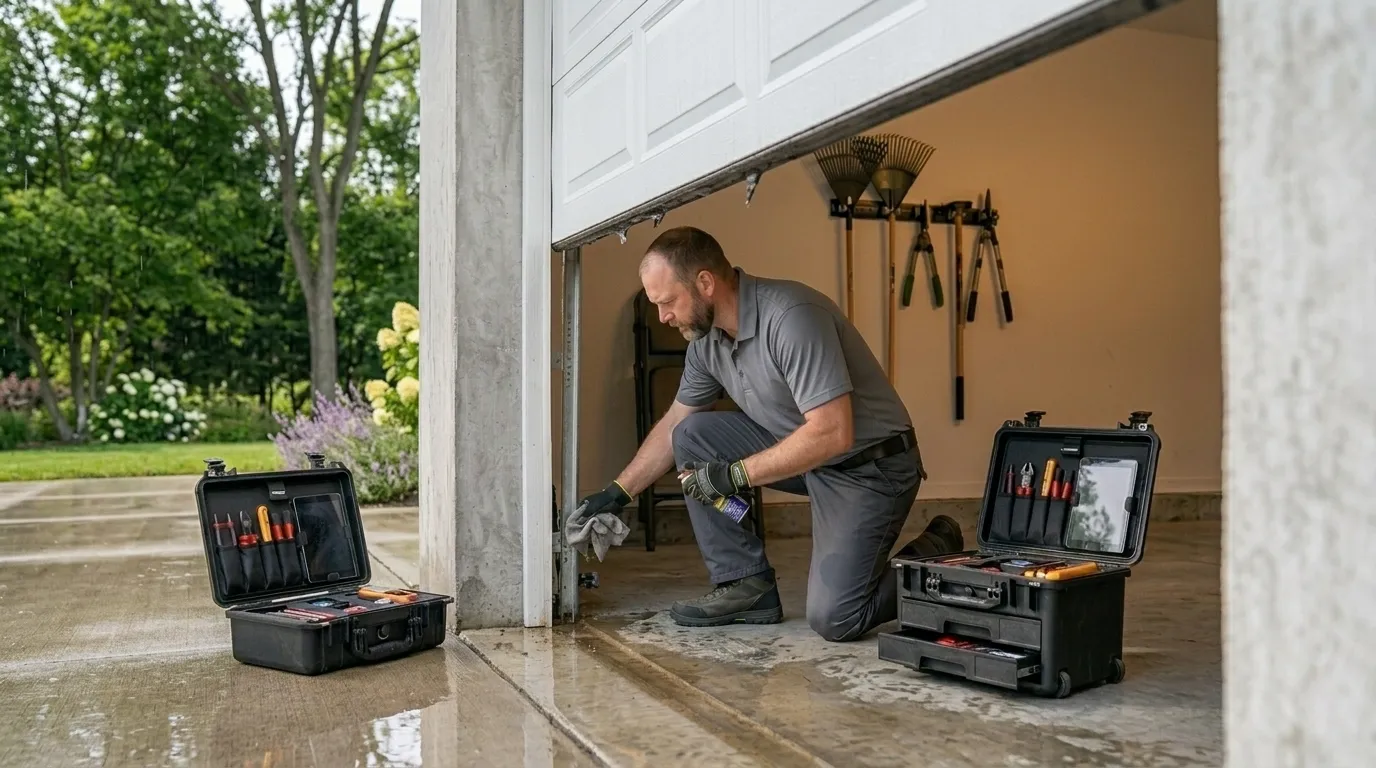
You get the fix that’s needed and what drives the cost - before any work starts.
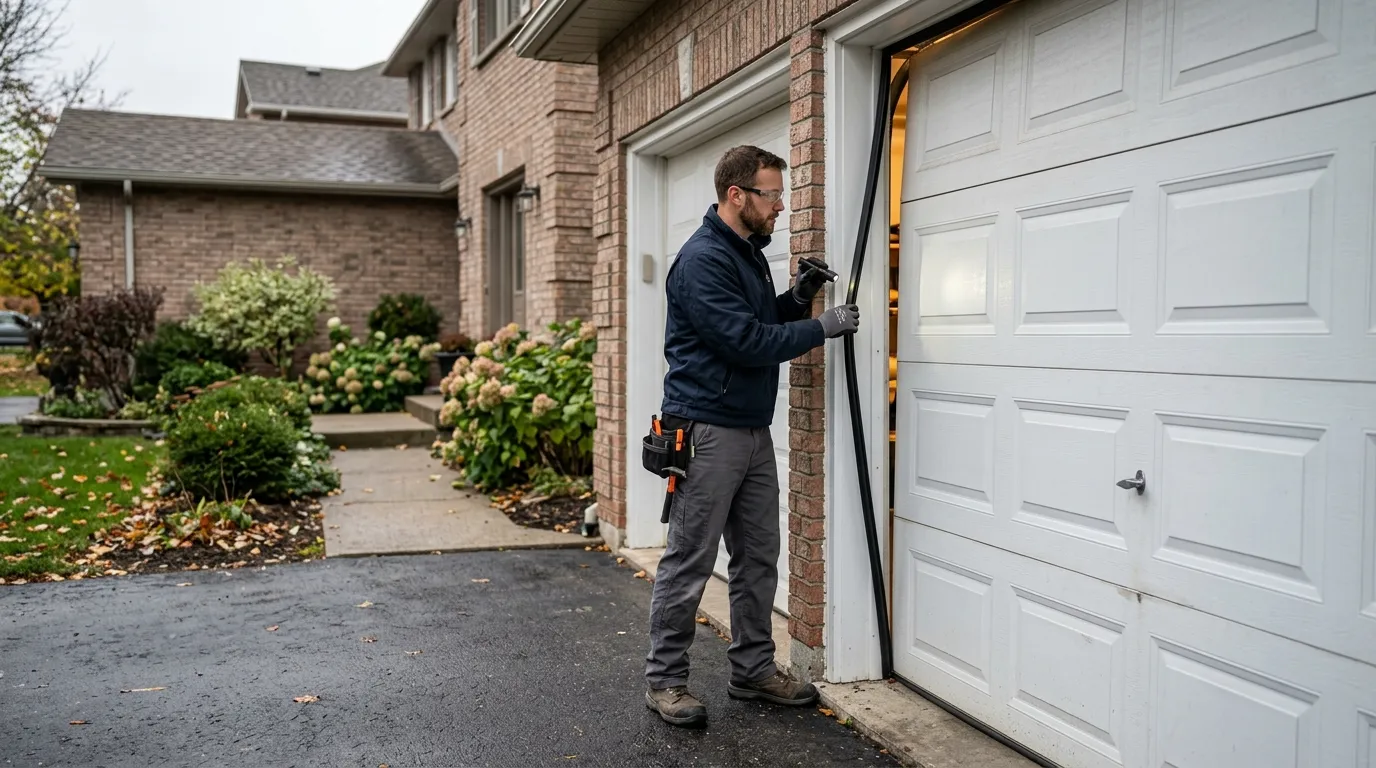
The repair is done, the door is set true and tested, and the work area left clean.
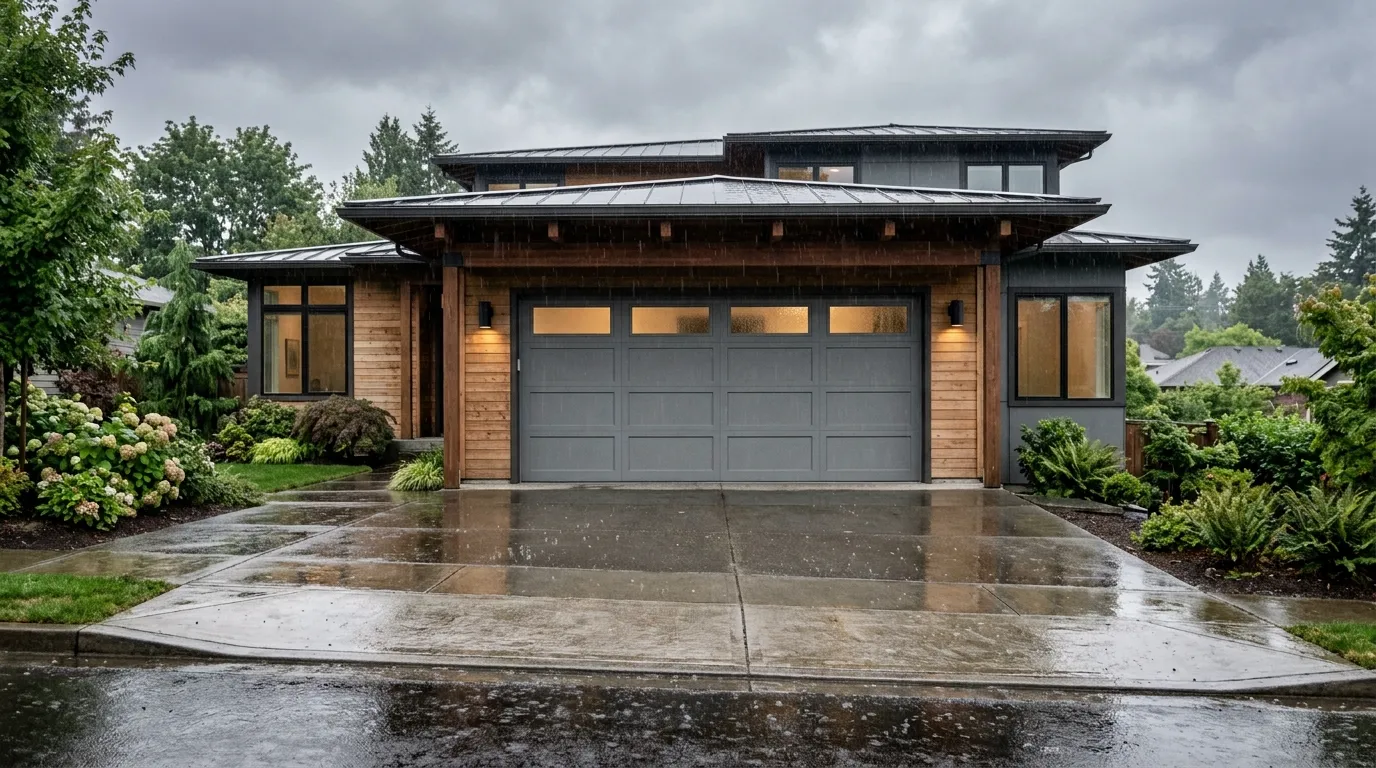
Repair, spring and opener service, and new door installation for single- and double-car home garages.
See services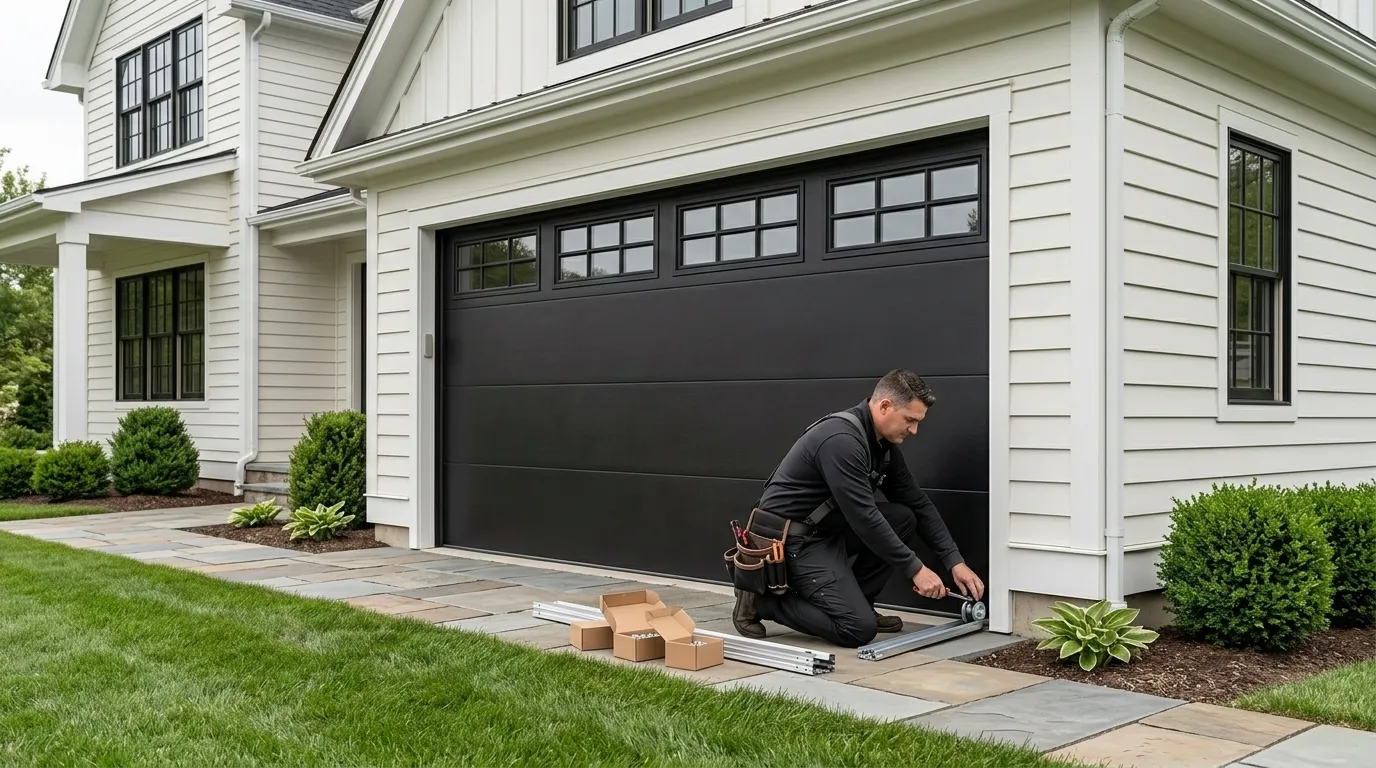
Rolling steel, sectional, and dock doors serviced with the higher cycle counts of commercial use in mind.
See servicesIllustrative styles - sectional, insulated steel, carriage, and commercial doors.
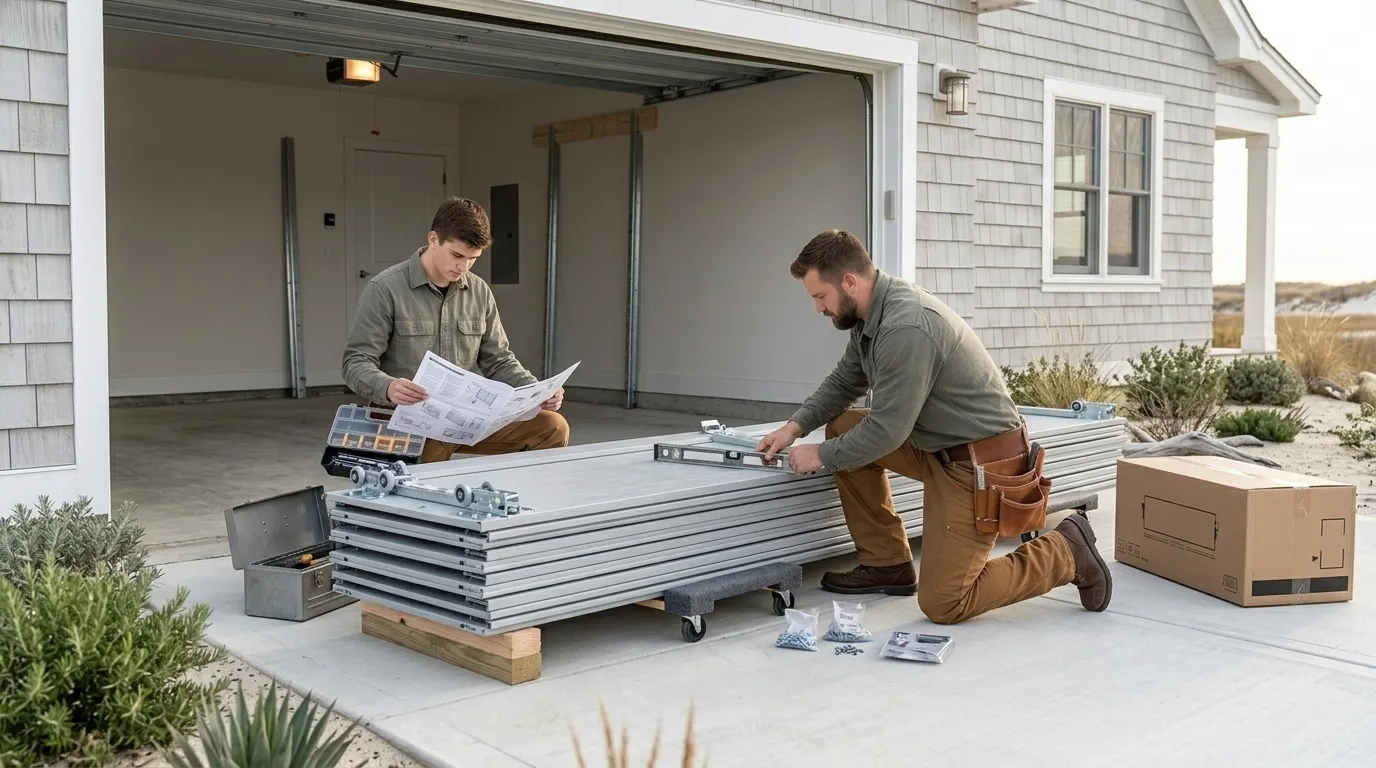
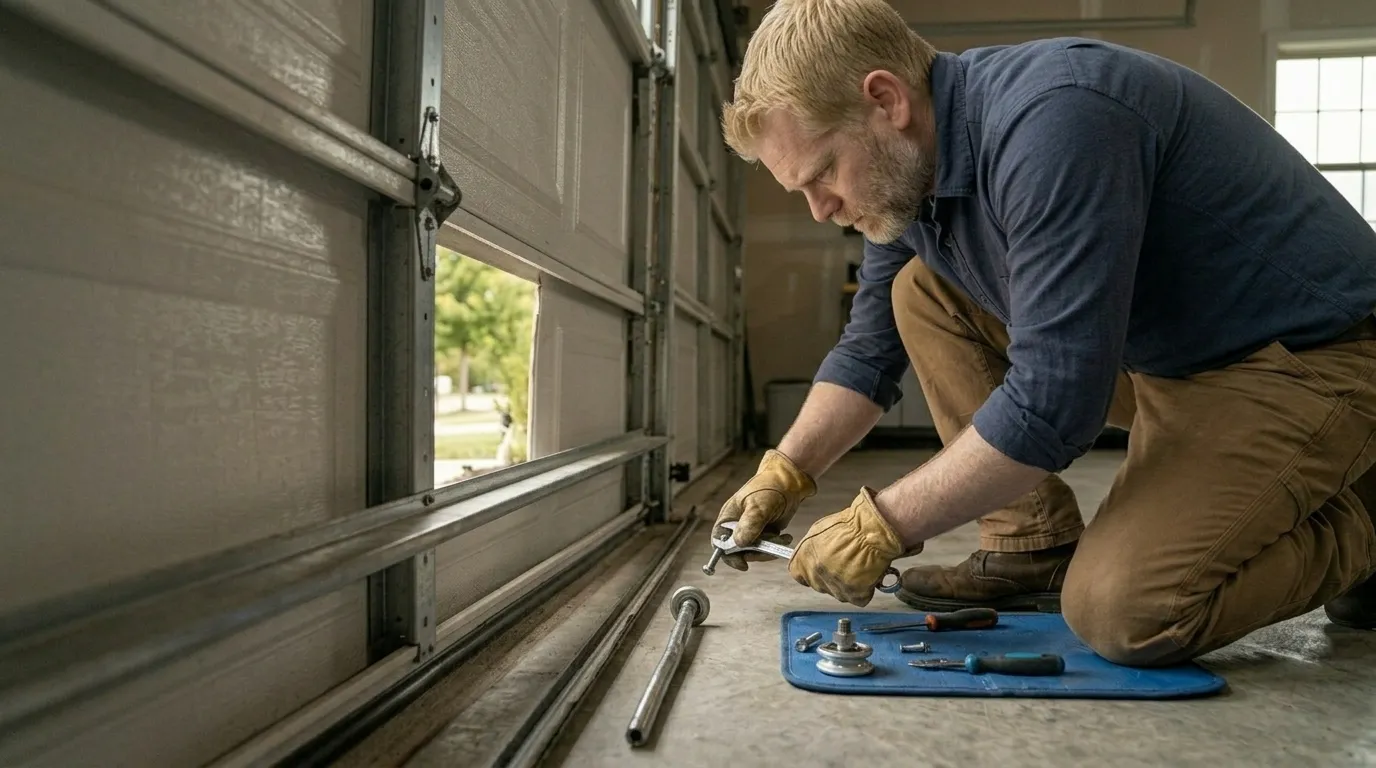
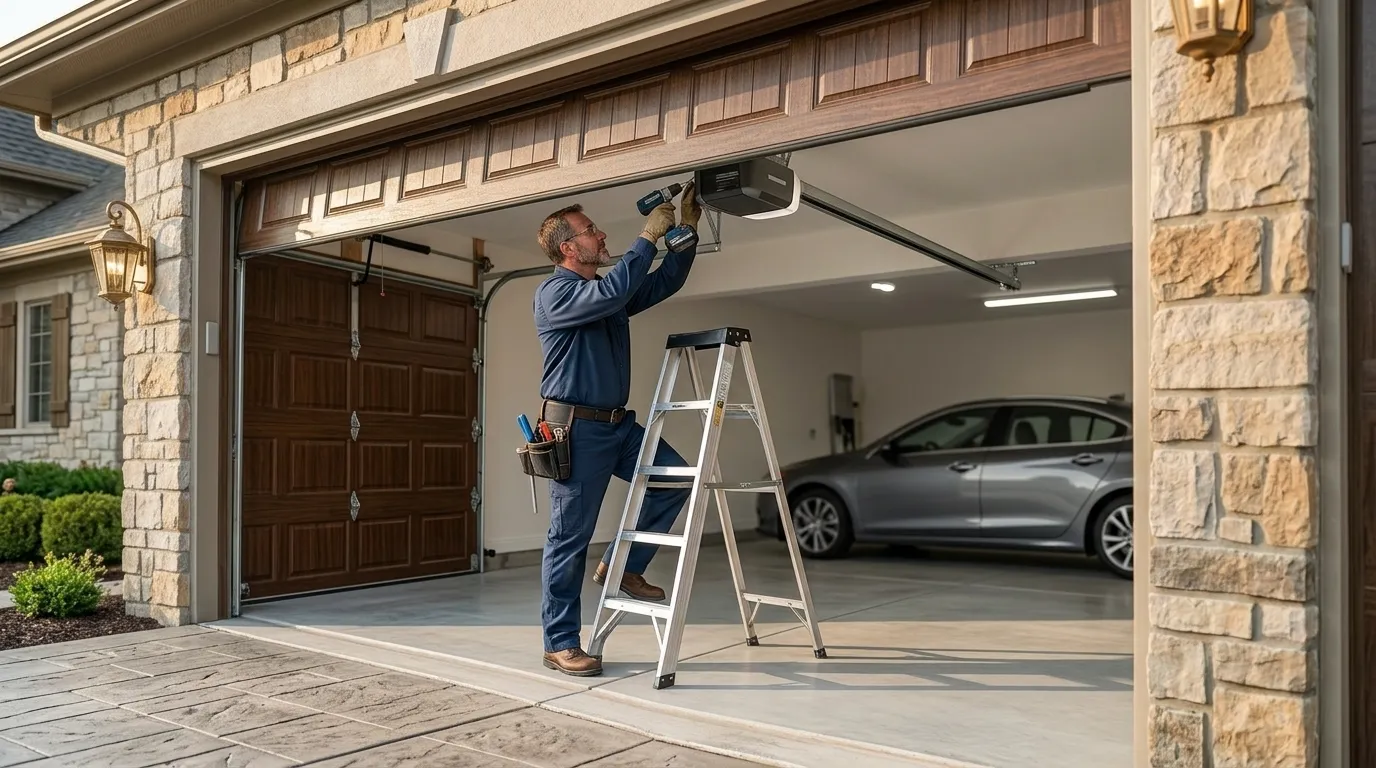
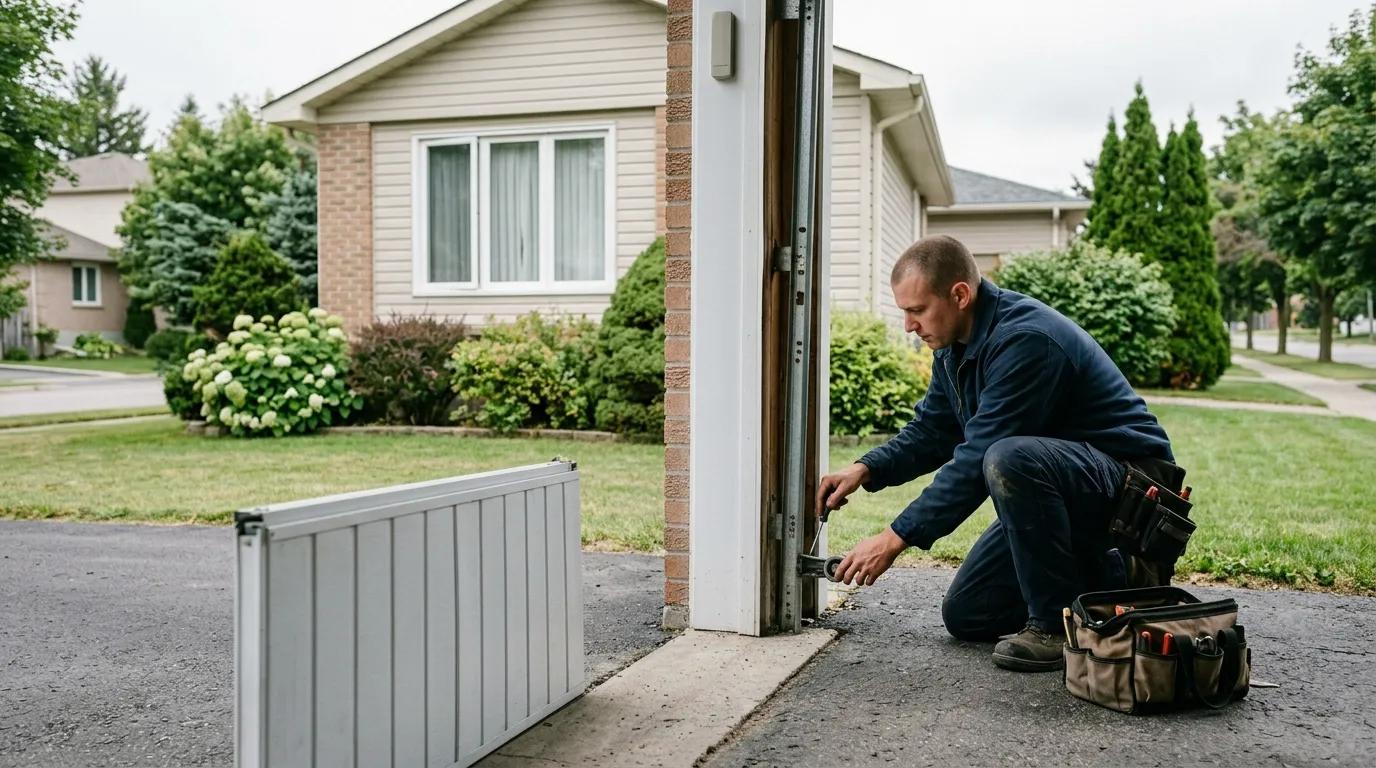
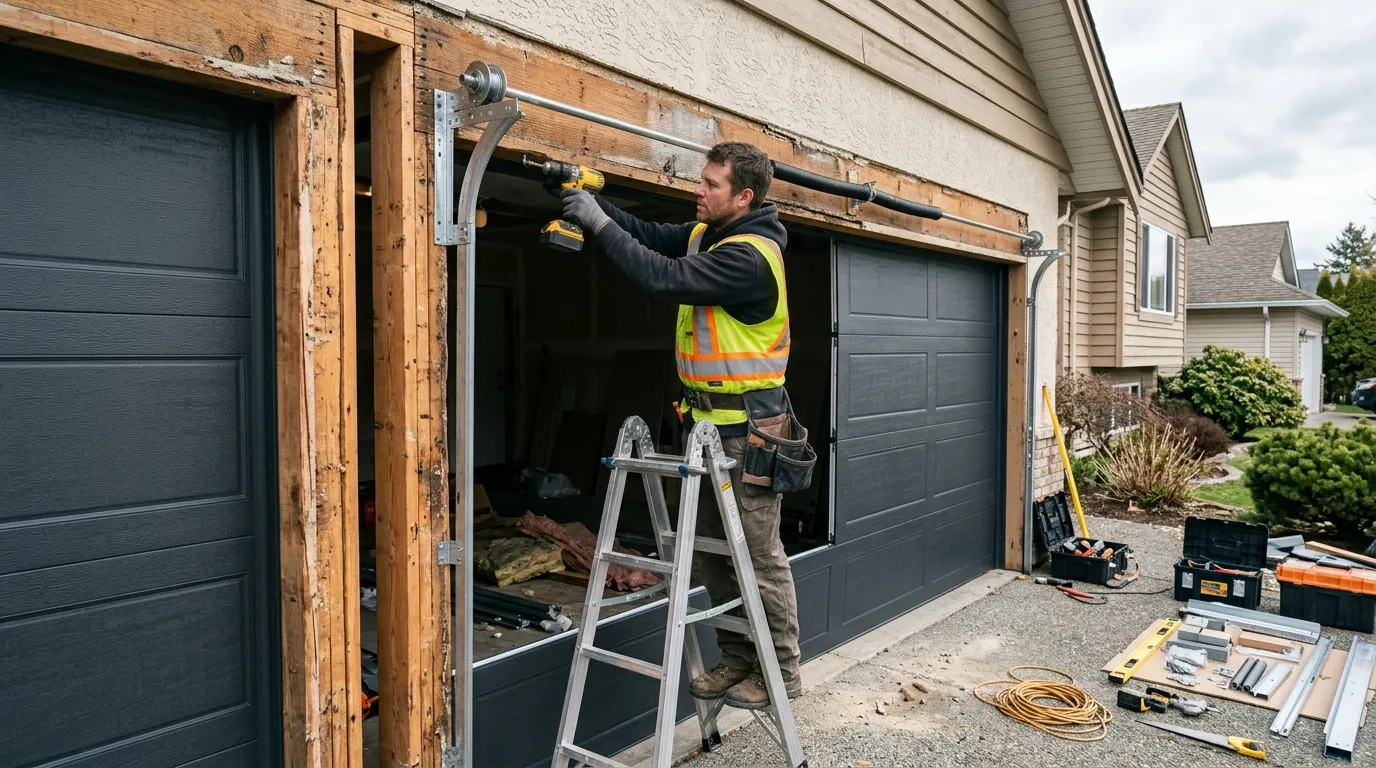
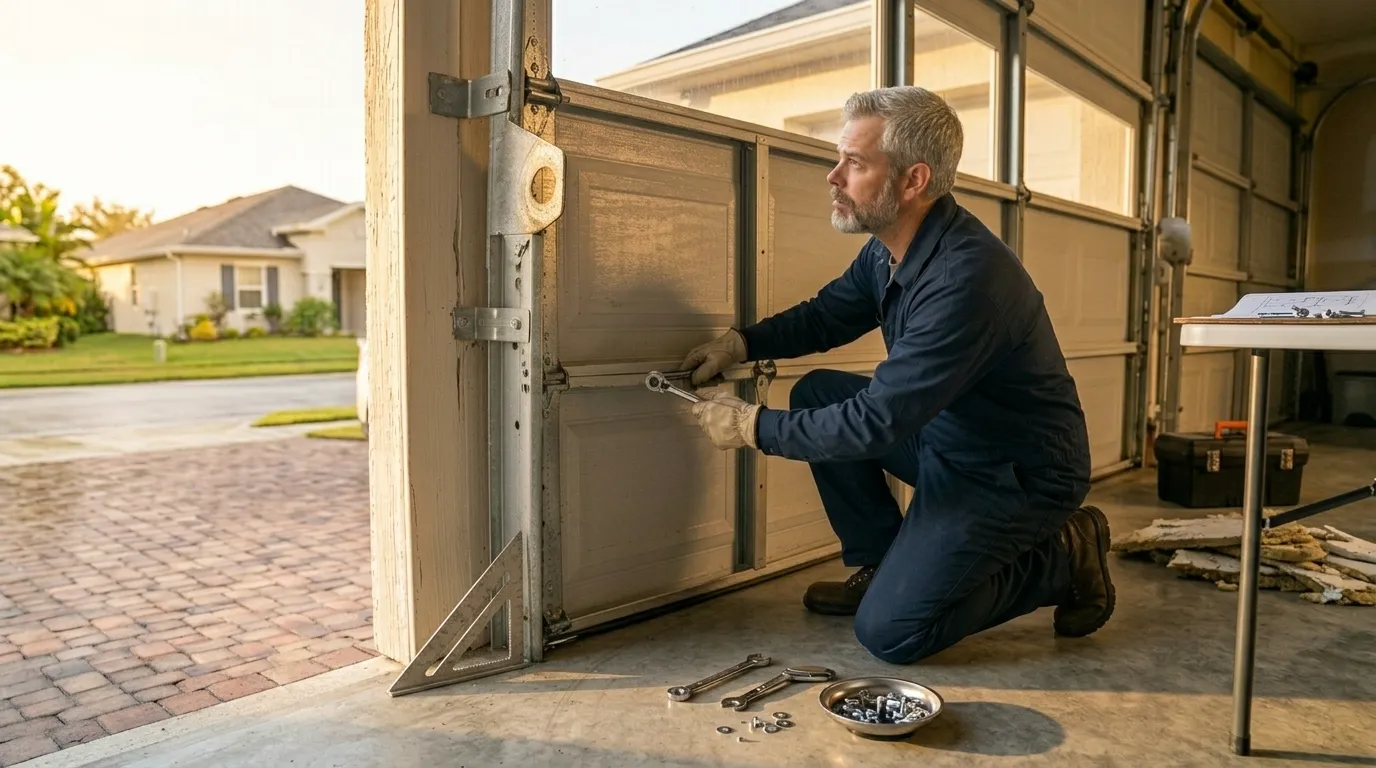
Repair and installation work for Pasadena homes and businesses.
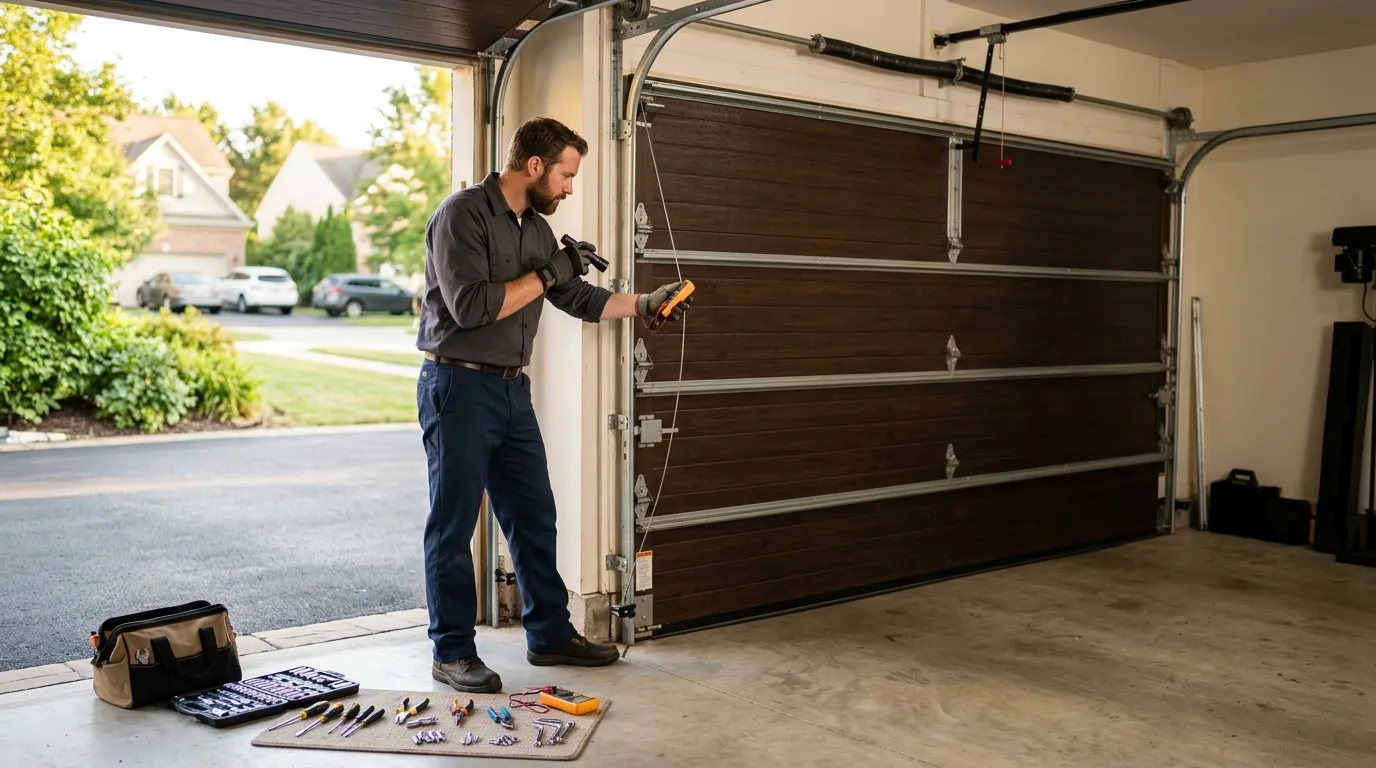
Garage door repair for Pasadena homes built mostly before 1960 - torsion springs, worn rollers, and openers that outlived their hardware. Same neighborhood, real fixes.
Learn more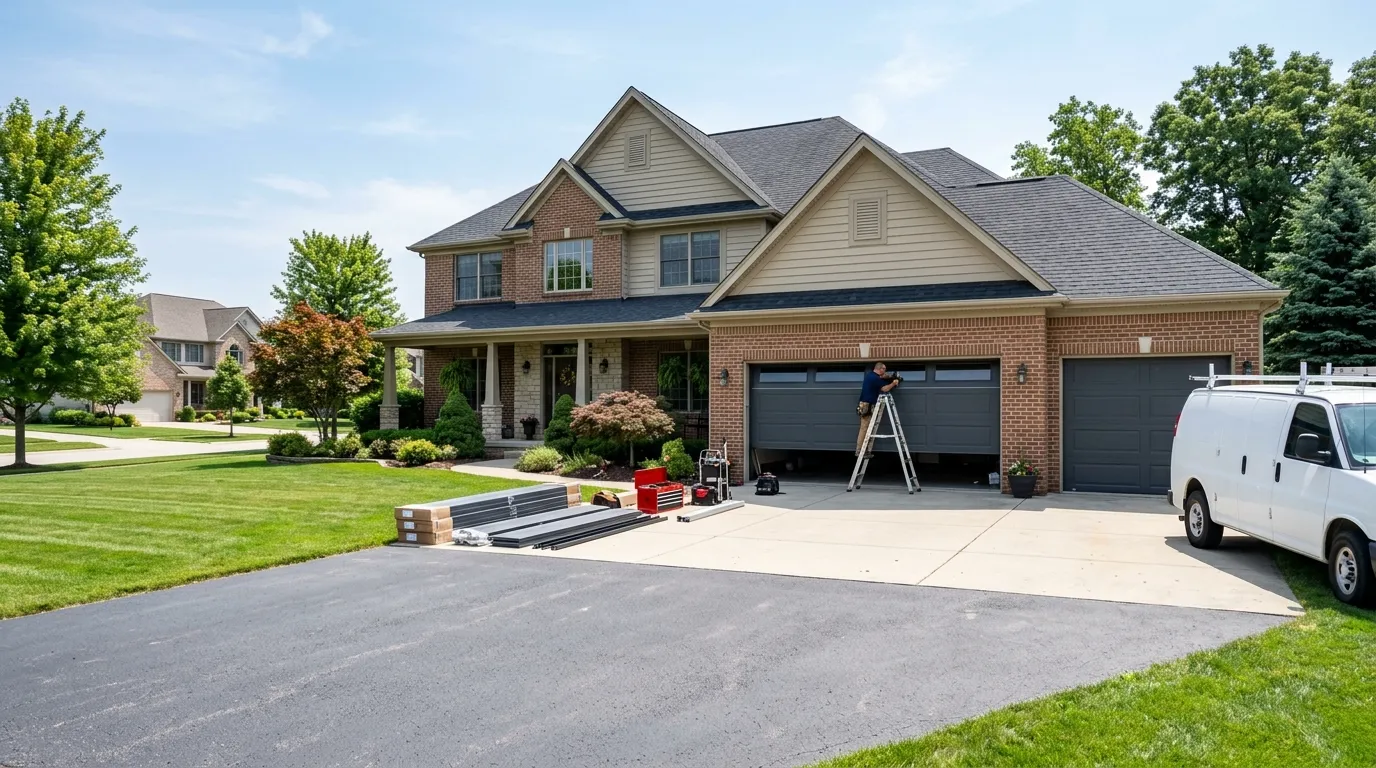
New garage door installation for Pasadena homes, most built before 1960, with hardware sized for older openings and doors that hold up in a mild coastal climate.
Learn more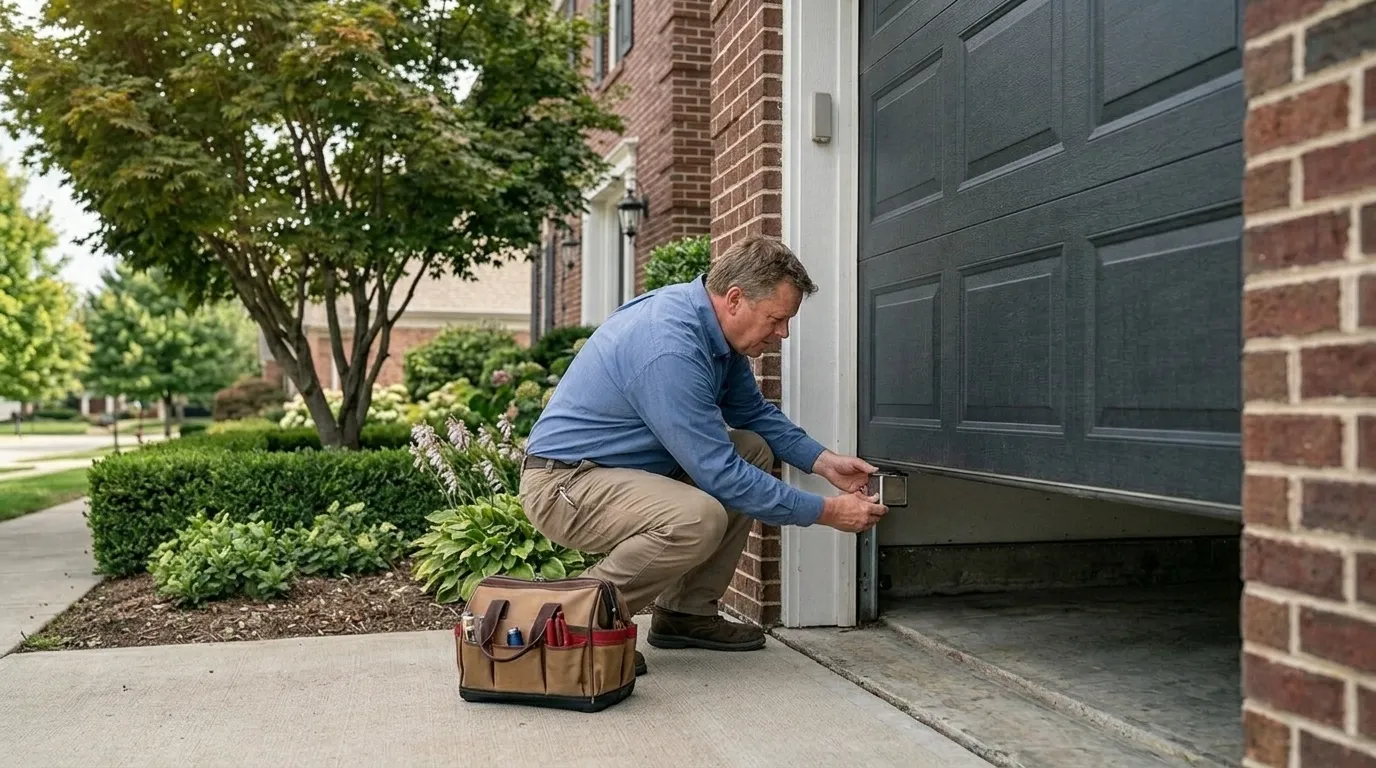
Garage door service for Pasadena homes built between 1943 and 2012 - most from the 1950s. We know the original hardware and what mild-climate age does to it.
Learn moreStraight answers about garage door repair in Pasadena. Still unsure? Ask us directly.
No. We're based in Pasadena and drive out to Paramount for scheduled jobs, about 18 miles each way. We don't stage a truck locally, so appointments are booked ahead rather than same-hour drop-ins.
Most homes here date to around 1970, so you're likely looking at a steel roll-formed panel door on either an extension spring pair or a single torsion spring, often with a chain-drive opener added after the house was built rather than installed with it.
Depends on the door's condition, not just its age. A sound 1970s steel door with a broken spring or worn cable is often a straightforward repair. We only recommend full replacement when the panels or track are actually failing, not by default.
It means fewer weather-driven failures - no freeze-thaw cracking or storm damage to worry about. Most issues we see in this area come down to spring fatigue, cable wear, or an opener that's outlived its motor, not the weather.
Tell us what it’s doing and where you are in Pasadena - we’ll take it from there.