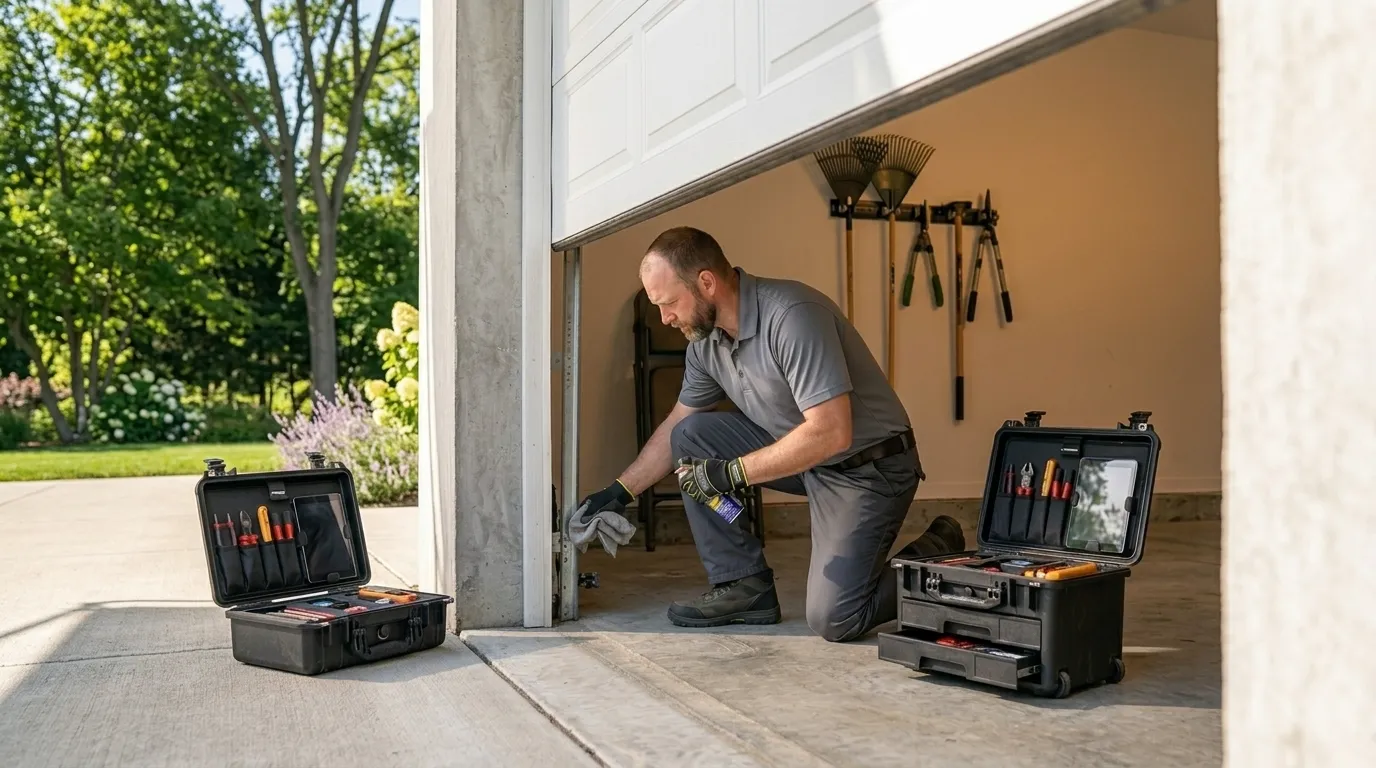
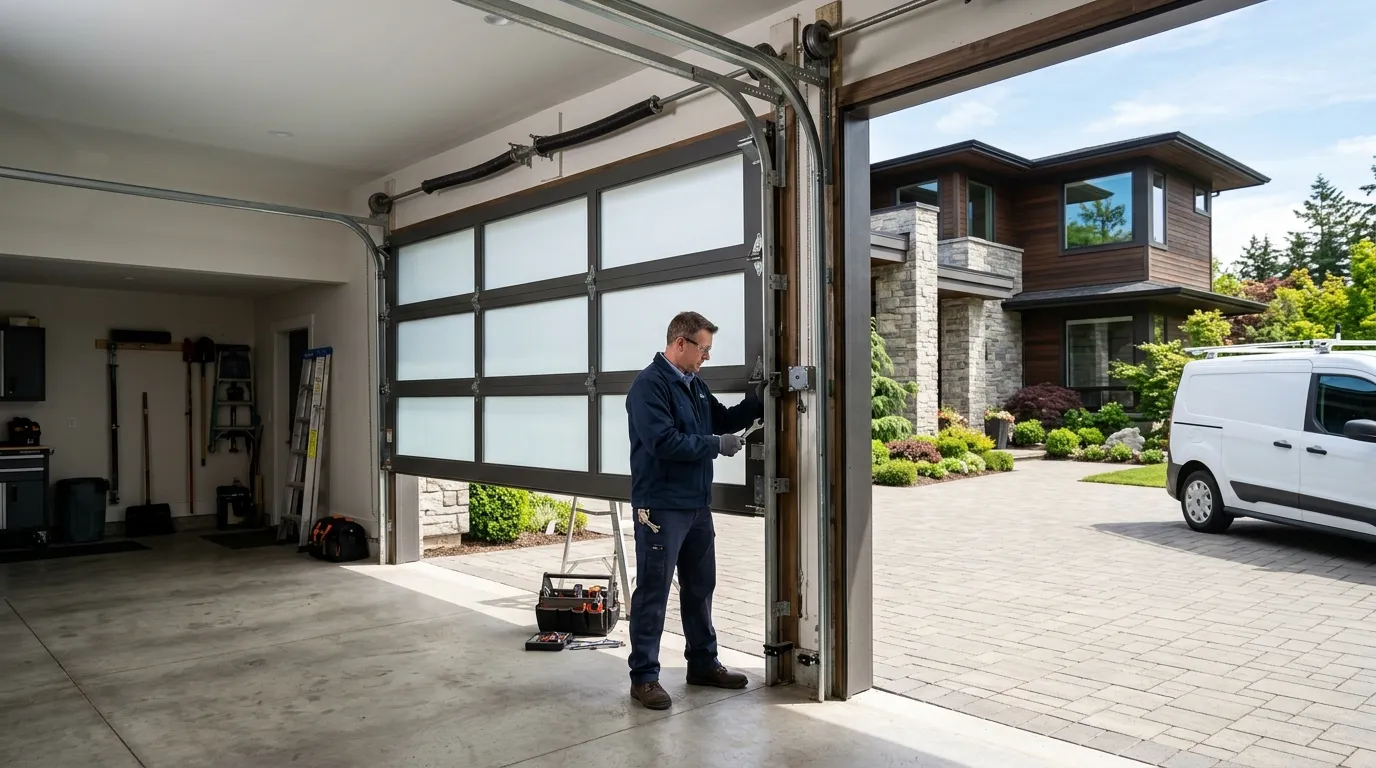
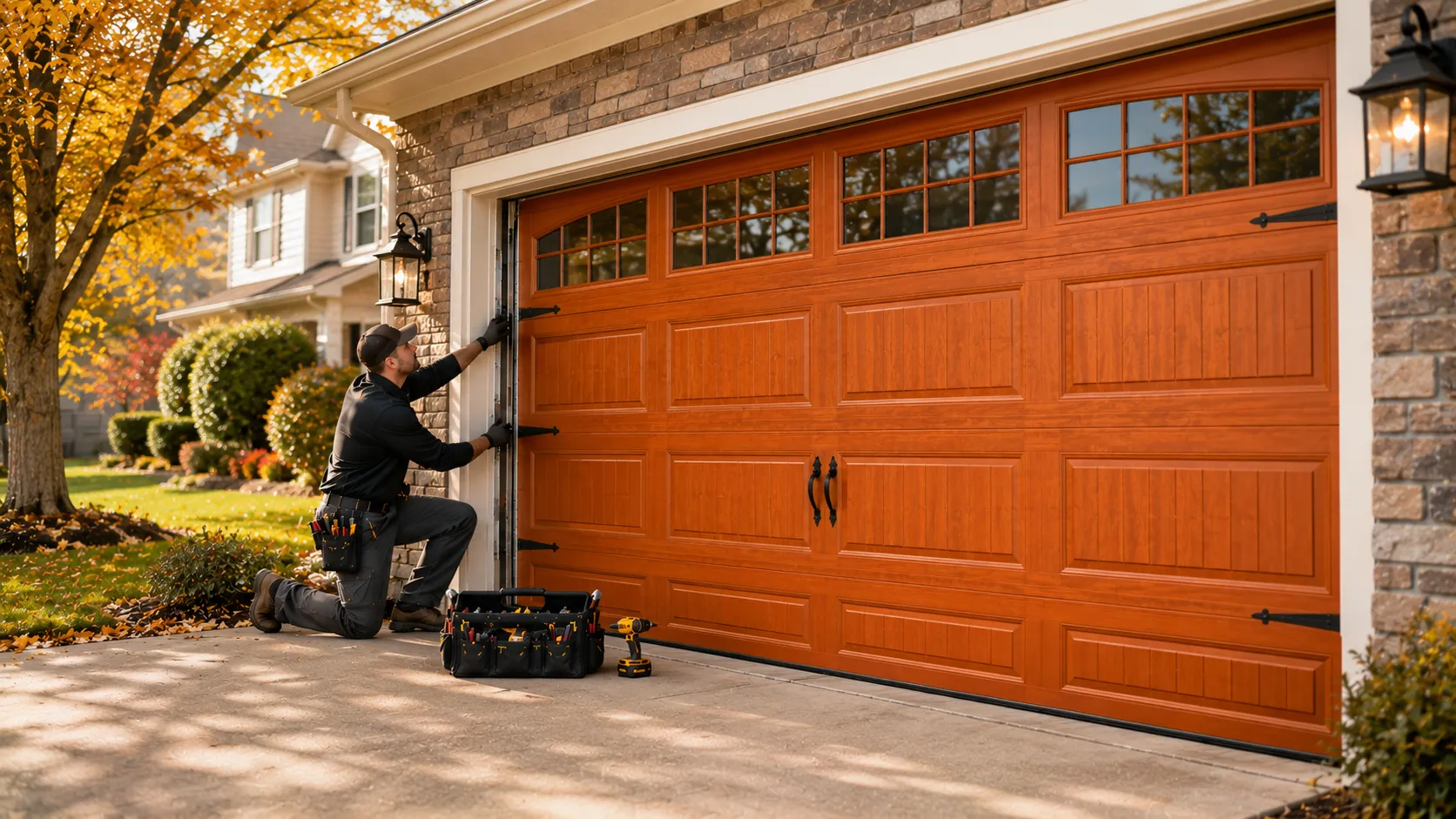
Garage Door Service for Norwalk Homes, 18 Miles from Pasadena
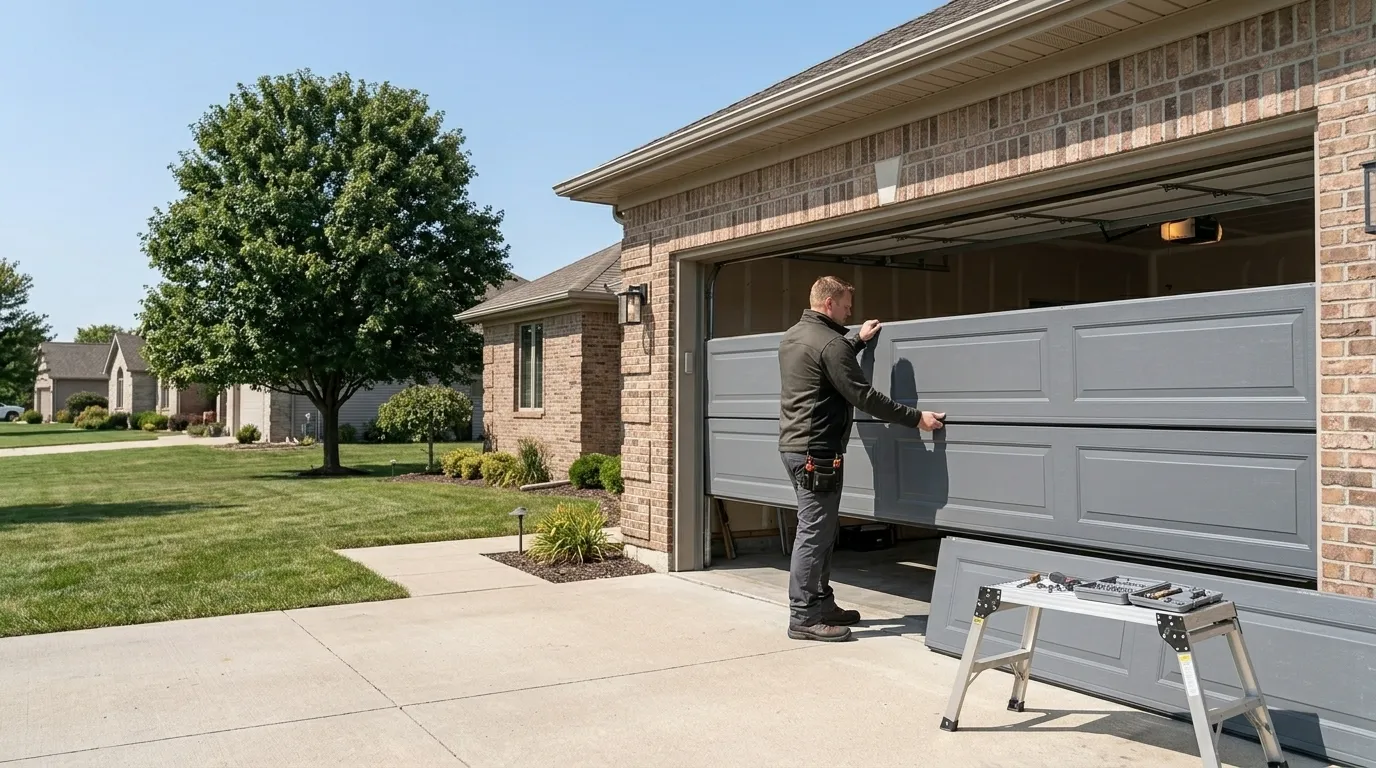
Pasadena Garage Door Pros services Norwalk homes built around 1957, working on original spring setups and modern openers 18 miles from our Pasadena shop.
Norwalk's housing stock centers on 1957, a touch earlier than the 1959 median across the wider Pasadena service area. That two-year gap matters less than what it represents: this is a neighborhood built almost entirely inside one tight window, mostly mid-1950s tract construction rather than the mixed 1943-2012 range you see stitched together elsewhere in the service area. Sitting 18 miles from our Pasadena shop, Norwalk falls outside the immediate radius but stays on the routes we run regularly.
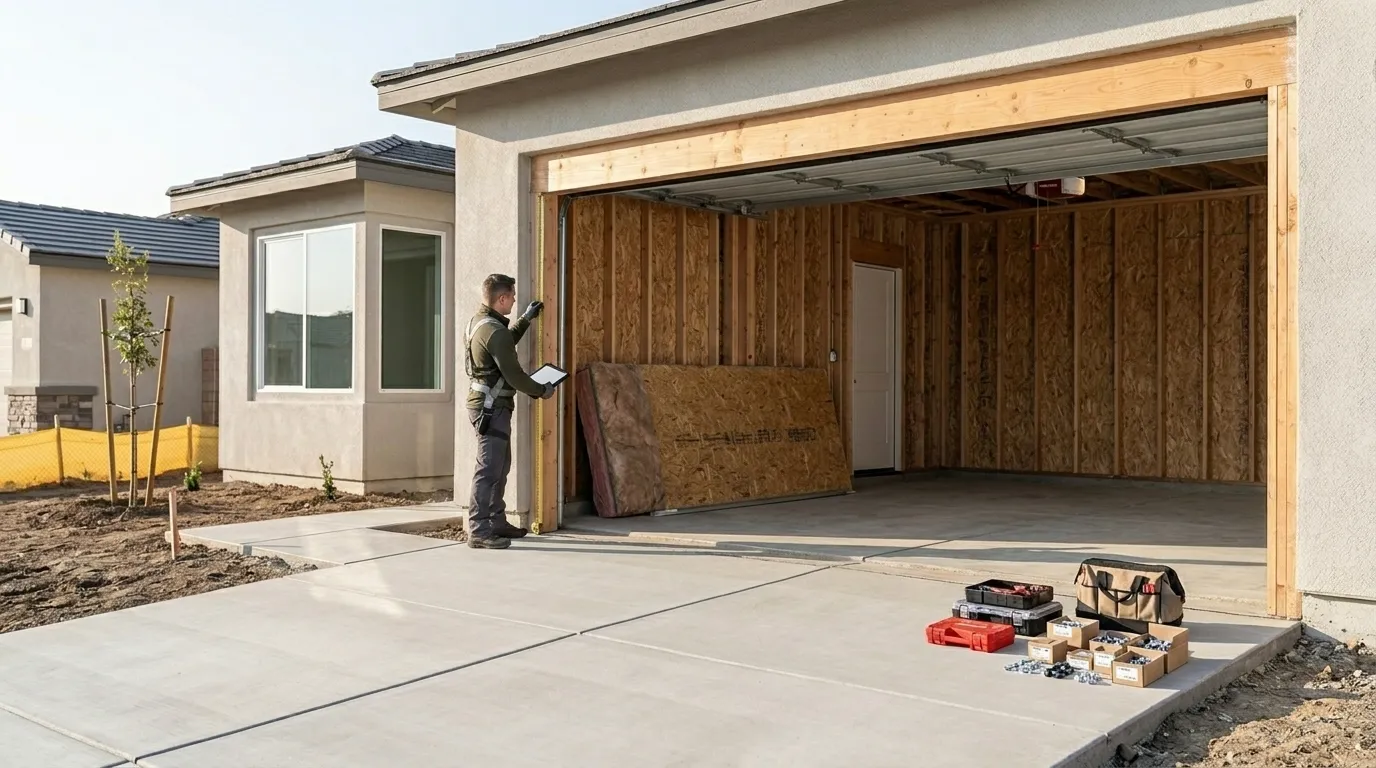
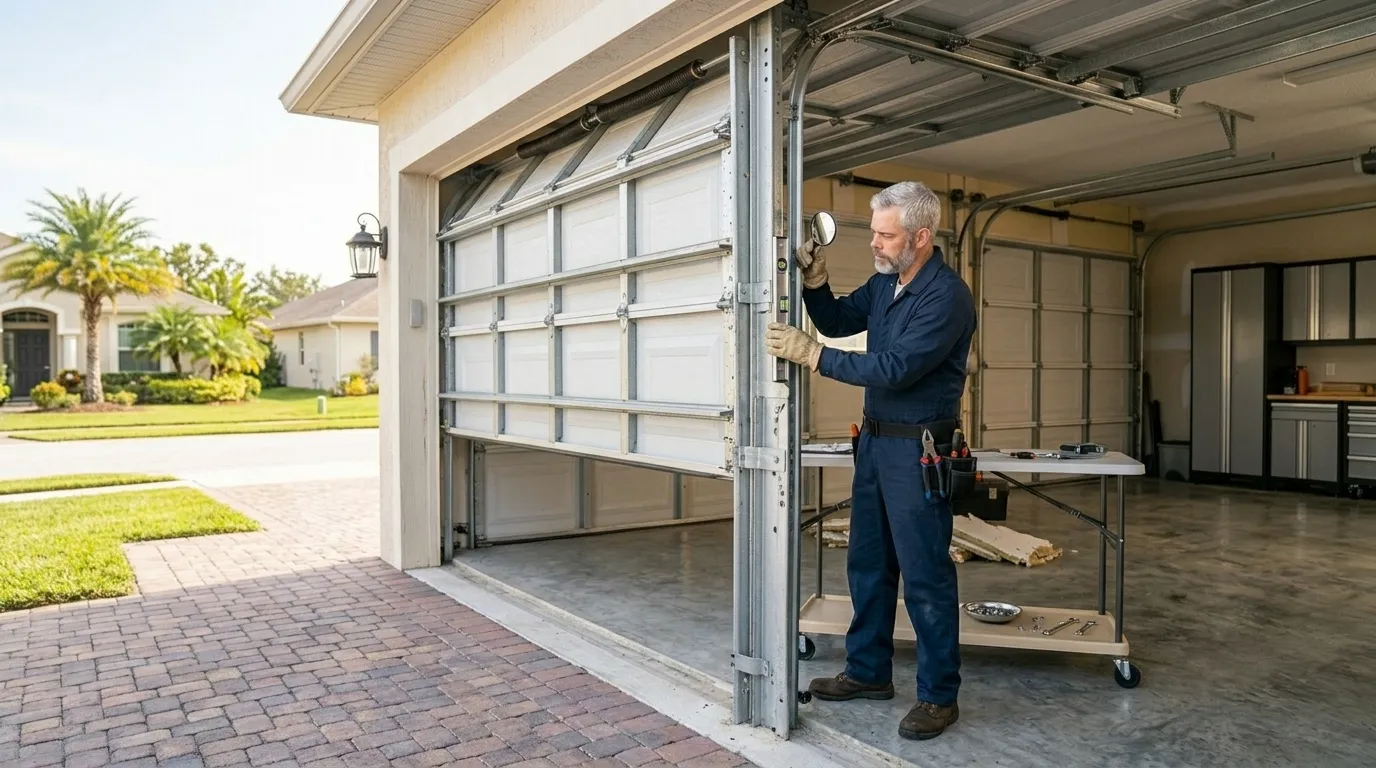
Garage doors installed when these houses went up were typically wood panel or light-gauge steel, single doors riding on extension springs along a horizontal track rather than the torsion bar over the header that's standard on new installs. Plenty of those original doors have already been swapped once, but the framing and header clearance cut for a 1950s door often stayed exactly as built, which is why a modern off-the-shelf door doesn't always drop in clean here without adjusting the track or header. The mild temperate climate across this region means these doors haven't had to survive hard freeze-thaw cycling or hail - what fails here is age and use, not weather.
The Usual Work Here
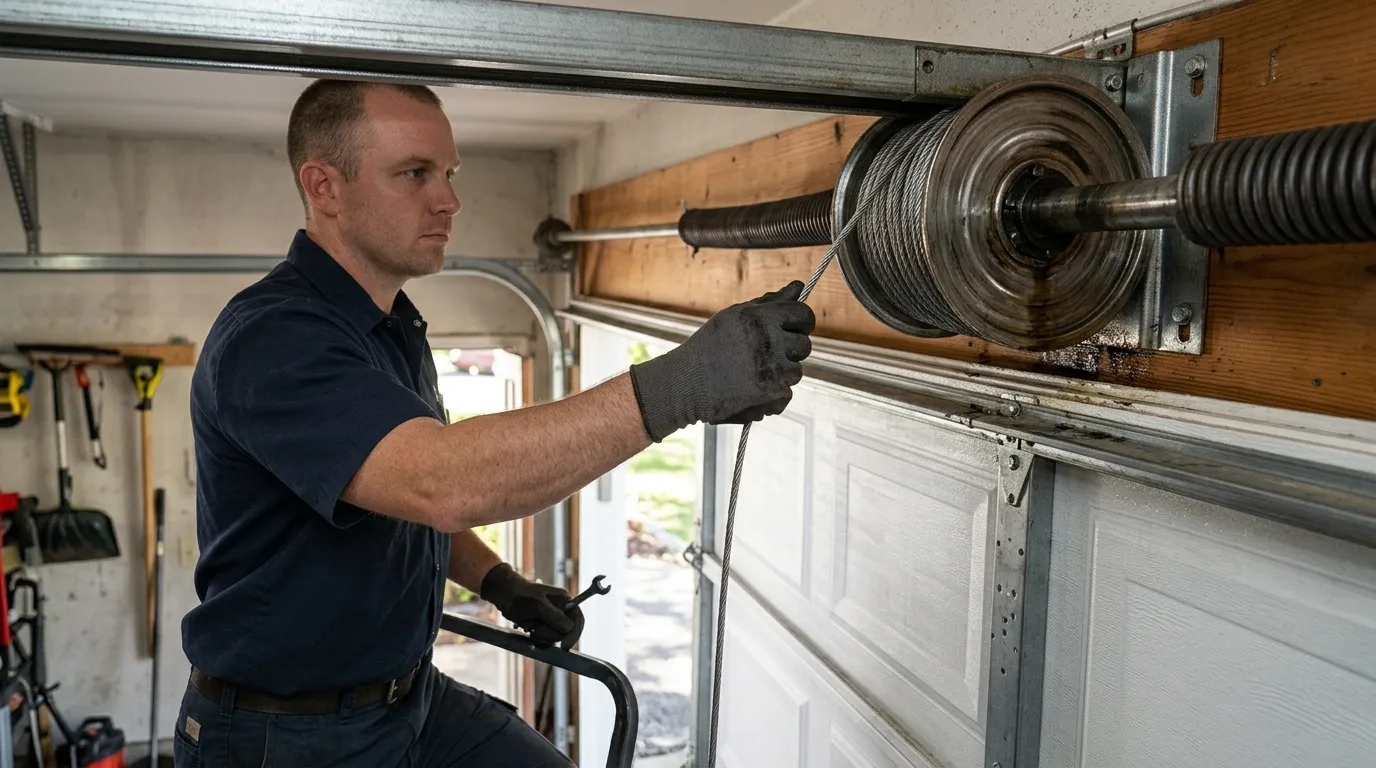
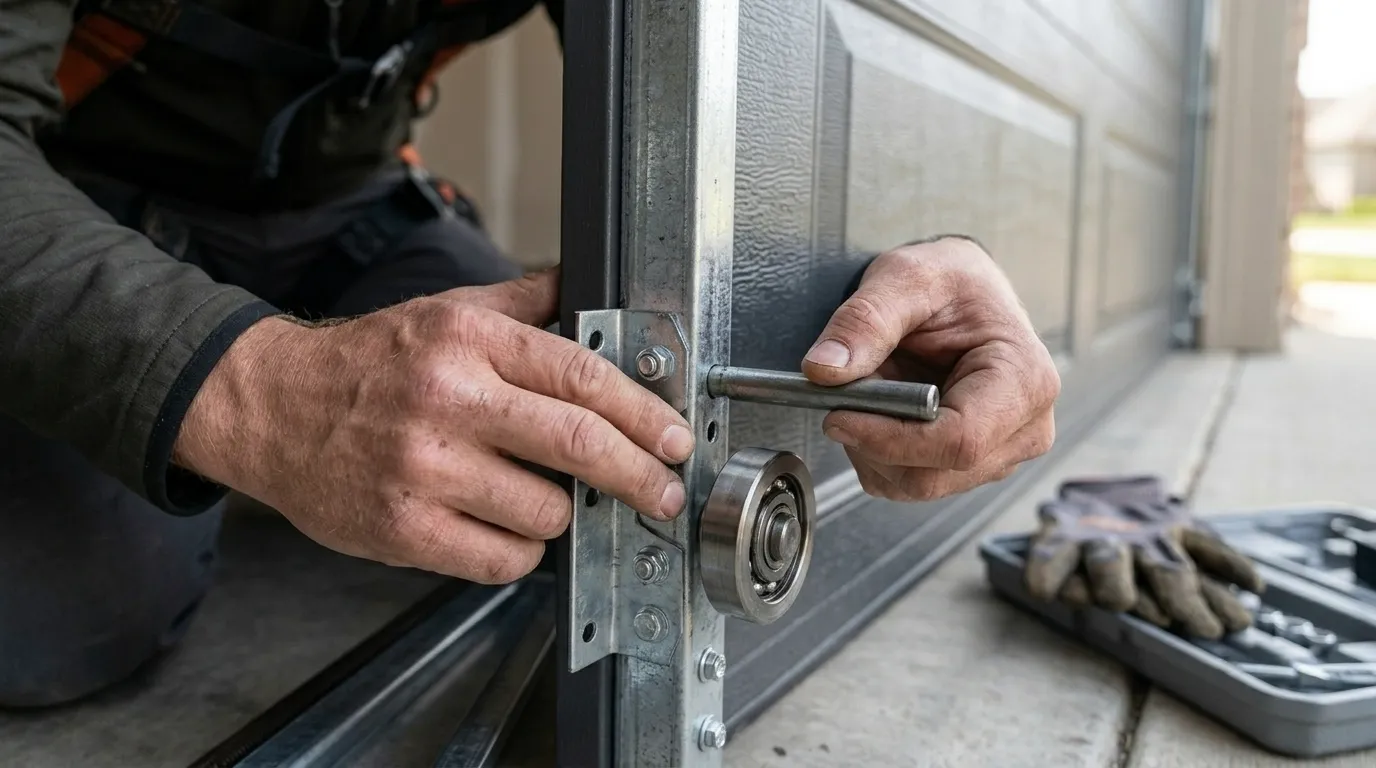
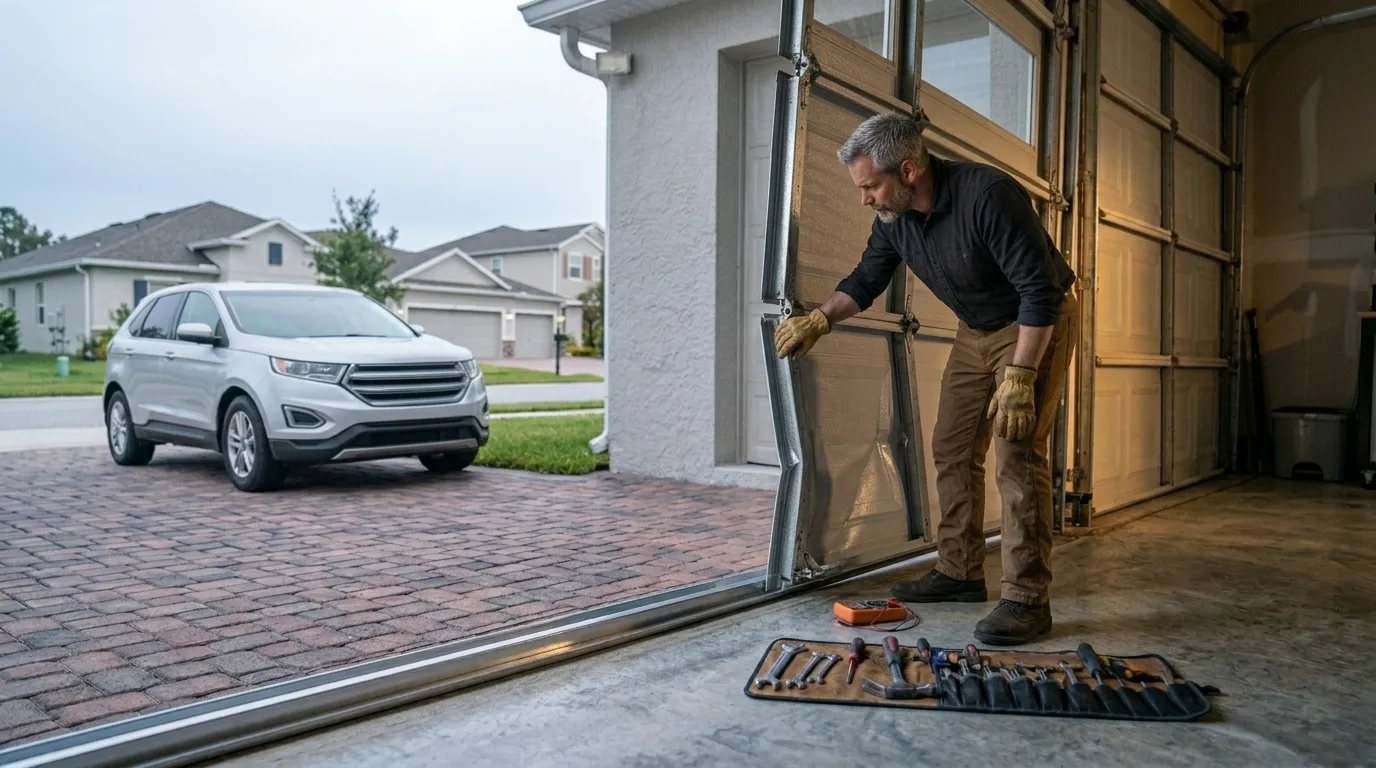
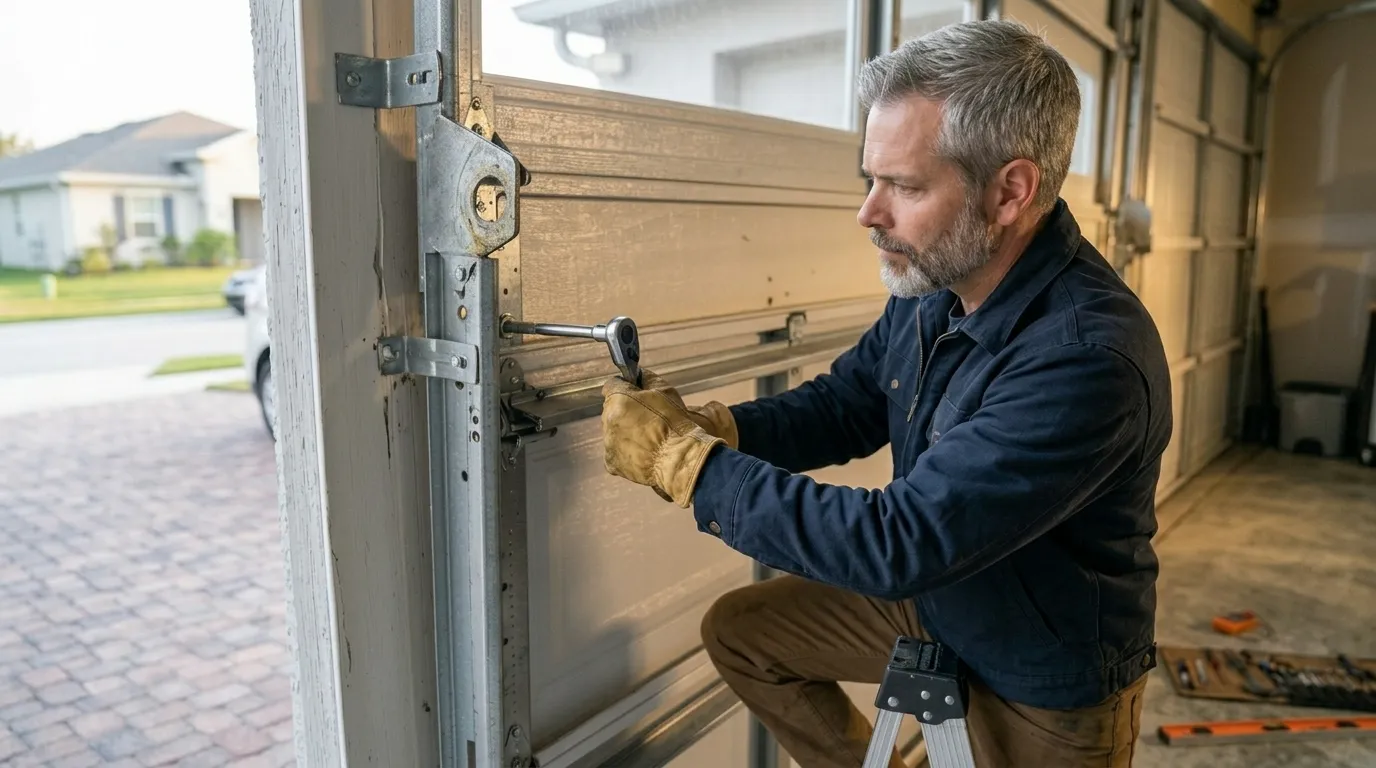
The calls we get from this part of the map follow the build year. Extension springs from a 1950s install, if they're still original or the first replacement, are past due and often missing a safety containment cable - that's the job we don't put off, because a snapped extension spring with no cable is a real hazard, not just an inconvenience. Steel roller sets from that era have usually seized or worn oval, which shows up as grinding or a door that shudders instead of gliding.
Openers are the other recurring item - chain-drive units bought in the past couple of decades to replace whatever came with the house are now hitting the end of their working life, and a lot of these houses still run openers with none of the safety-reversal sensors required on anything sold today. Door widths can also be a wrinkle: tract building in this window sometimes used sizes that don't match today's standard stock widths, so a straight swap isn't always possible without custom framing. Norwalk counts roughly 26,801 households, most of them still living in houses built during that same mid-1950s wave, which is why this pattern of calls repeats so consistently.
Timing on This Area
We don't keep a depot in Norwalk - we run out of Pasadena, and jobs out here get grouped with other stops 18 miles out rather than dispatched on a same-day, drop-everything basis. That's an honest limit worth stating plainly: if your spring goes on a Tuesday afternoon, we'll get you a window, but it's a scheduled trip out, not a truck sitting around the corner.
Parts availability is the other timing factor. Standard torsion springs, rollers, and cables for a modern door are stock items we carry. Hardware sized for some of the original 1950s door openings is not something we keep on the truck, and if a job needs a match to an unusual old opening rather than a straightforward torsion conversion, that can mean an order and a second visit instead of a one-trip fix. Median household income here runs about $98,709, a notch above the $94,792 figure for the wider service area, and most owners we talk to would rather pay once for a torsion conversion done right than keep patching an extension-spring setup that's been failing piecemeal for years.
How That Shows Up in the Door
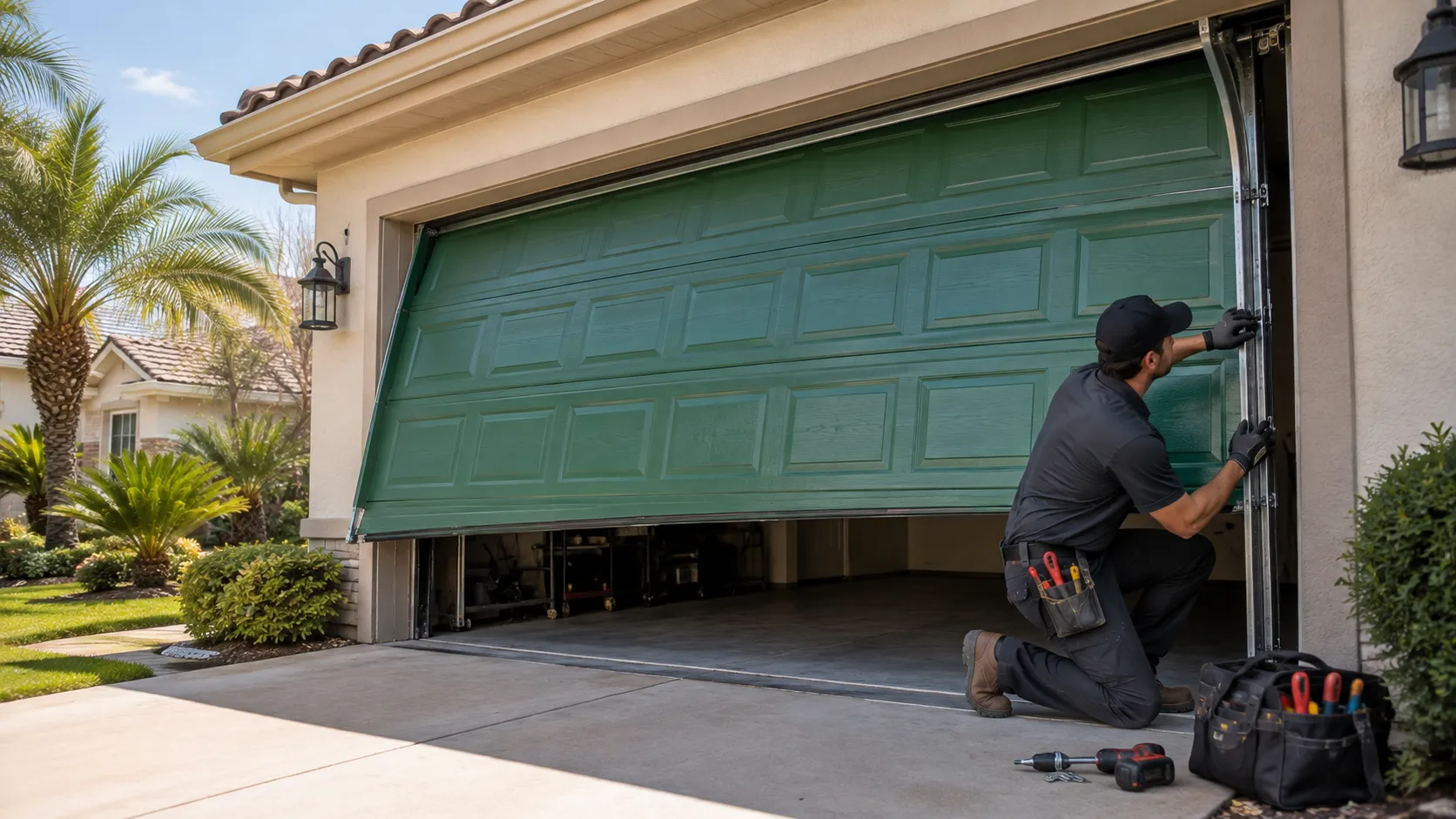
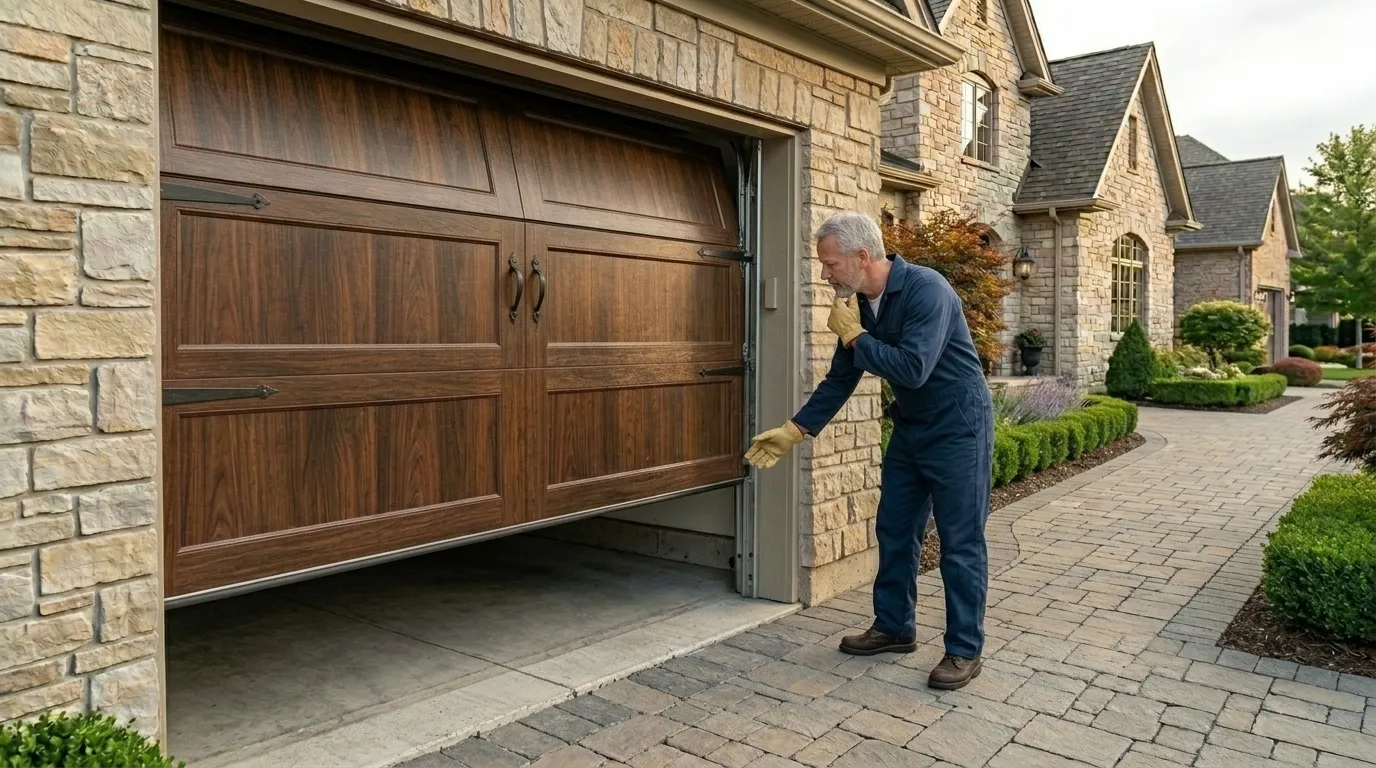
Put the build year, the original hardware, and the drive distance together and you get a fairly predictable failure pattern. A door that binds or shudders partway up is almost always a worn steel track or seized rollers dating to the original 1950s install, not a modern-manufacturing defect. A door that drops suddenly or won't stay up is usually an extension spring that's finally given out after decades of cycling, sometimes taking a cable with it.
Openers that grind, reverse randomly, or simply quit tend to be older chain-drive units nearing the end of a long service life rather than anything installed in the last few years. None of this is dramatic - it's wear that shows up on a predictable schedule because so many houses here were built in the same few years. Jobs in Norwalk get grouped with other stops 18 miles out, since we run this route from Pasadena rather than keeping a depot in town, so when you call, tell us the age of the house and what the door was doing right before it failed - that alone usually tells us which hardware era we're dealing with before we even load the truck.
How it works
From “it’s stuck” to “it’s fixed”
01
Tell us what’s wrong
Describe the symptom - won’t open, loud bang, opener runs but the door won’t move.
02
On-site diagnosis
A technician tests the door under power and by hand and finds what actually failed.
03
Clear, up-front plan
You get the fix that’s needed and what drives the cost - before any work starts.
04
Repaired & tested
The repair is done, the door is set true and tested, and the work area left clean.
Serving Pasadena, CA - tell us what your door’s doing and we’ll take it from there.
Straight answers about garage door repair in Pasadena. Still unsure? Ask us directly.
Do you have a shop or depot in Norwalk?
No. We run out of Pasadena, about 18 miles away, and schedule Norwalk jobs on our regular routes rather than staffing a local depot. That means a booked window rather than an instant same-hour arrival, but the work itself is the same.
Why does my 1950s garage door still use extension springs instead of a torsion bar?
Norwalk's housing stock centers on 1957, and doors from that era were commonly built with extension springs running along the horizontal track. Torsion bar setups over the header became standard later. If yours is still original, it's likely overdue for a torsion conversion with a proper safety cable.
Does the mild climate here mean less wear on garage door hardware?
It helps in one respect - doors in this region aren't fighting hard freeze-thaw cycling or hail damage. But age and use still take their toll, so a spring or roller set from the 1950s wears out from decades of cycling regardless of how mild the weather has been.
Can you match a door to my home's original 1950s opening size?
Sometimes. Standard modern door widths cover most of these homes, but a handful of tract-built openings from that window are non-standard. If yours is one of them, we may need to order rather than pull hardware straight off the truck.