
Do you have a location in Hacienda Heights?
No. We work out of Pasadena, about 15 miles away, and drive out for jobs. We don't keep a local depot here, so we schedule the drive time into the appointment rather than promising an immediate arrival.
Pasadena Garage Door Pros drives out to Hacienda Heights for torsion spring, opener, and panel repairs on the area's late-1960s housing stock. No local depot, honest scheduling.
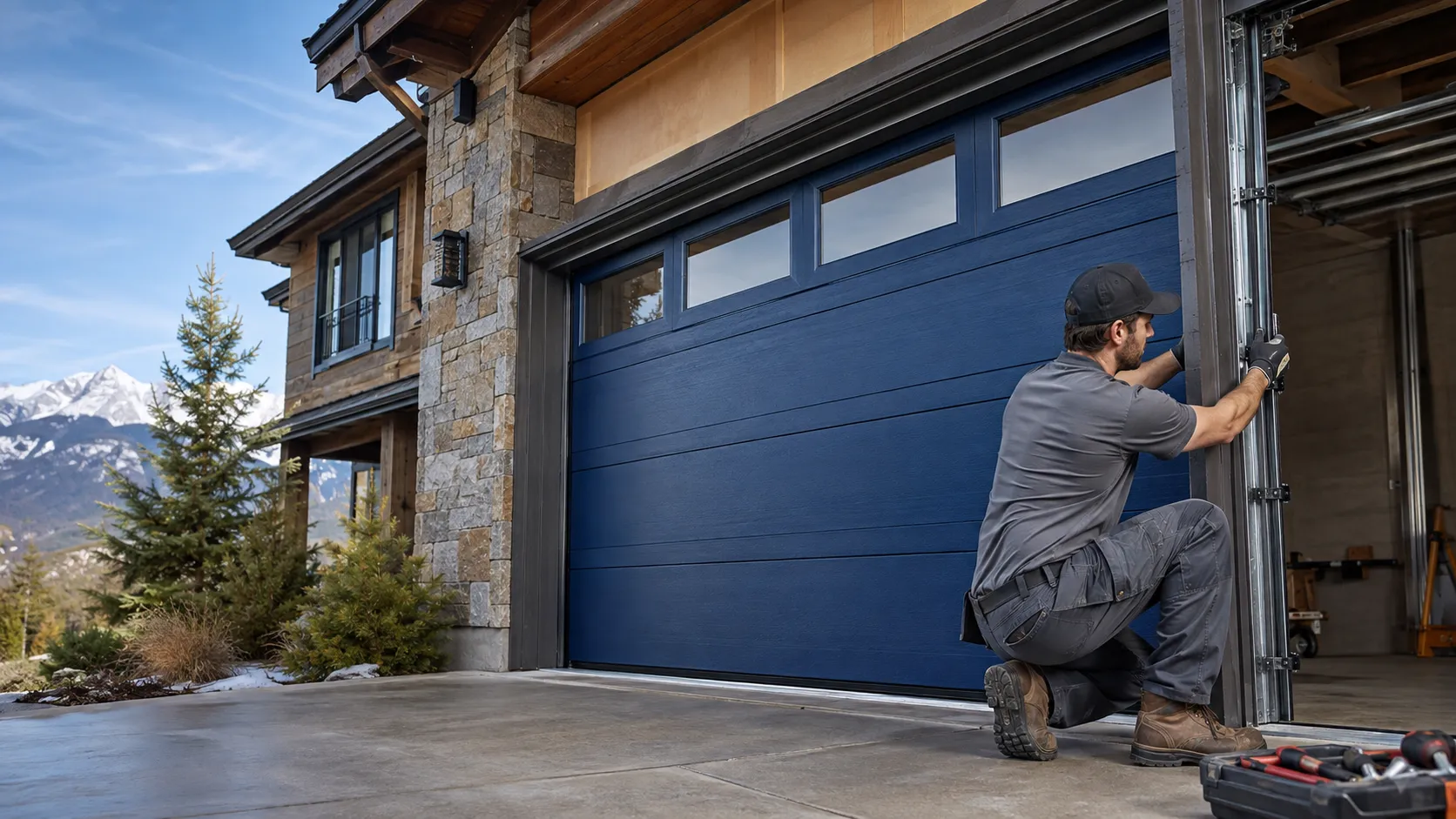
Hacienda Heights sits later on the timeline than a lot of the neighborhoods we cover out of Pasadena. Across the wider service area the median house went up in 1959, with construction spanning 1943 to 2012, but here the typical home dates to around 1968. That's not a small gap. A decade separates a lot of hardware choices in residential construction, and garage doors are no exception.
By 1968, tract builders had mostly moved past the older extension-spring setups that show up on 1950s houses elsewhere in the area. Torsion spring systems, mounted on a shaft above the door rather than stretched along the tracks, were becoming the standard install. If your house here still has its original hardware, there's a decent chance it's torsion, not extension - which changes what a repair actually looks like.
The climate band across this whole service area is mild temperate, so we're not dealing with the freeze-thaw cycles that crack panels or the extreme humidity swings that warp wood doors elsewhere in the country. That works in your favor - it means the wear you see on a Hacienda Heights door is almost always age and cycle count, not weather damage.
On houses built around 1968, the calls we get tend to cluster around a few things. Torsion springs from that era, if original, are long past their rated cycle life - most torsion springs are only rated for a set number of open-close cycles, and a door installed new in 1968 has had a lot of decades to burn through them. When one breaks, the door won't lift, or it'll lift a few inches and stop.
Steel panel doors from the late 1960s also tend to have thinner gauge steel than what's sold today, so dents and rust-through at the bottom panel show up more here than on newer replacement doors. Rollers on original track hardware are often steel, not nylon, which means more noise and more wear on the track itself over time.
We also see a fair number of openers that have been swapped once already - a 1968 door with a 2005 opener bolted on, mismatched to the original spring tension. That combination causes premature motor strain, and it's a common source of the
Put the build year and the drive distance together and here's what it actually means for your door. If your house dates to the late 1960s and hasn't had the springs replaced, we're likely looking at galvanized torsion springs on a single shaft, sized for a door that may have gained weight over the years from added insulation or a heavier replacement panel set. That mismatch is a common reason a door feels harder to lift by hand than it should.
Track hardware from this era is often narrower gauge than current code calls for, and if the rollers are the original steel type, replacing them with sealed nylon rollers cuts noise significantly without touching anything else on the door.
Because we're coming from Pasadena rather than working from a location in Hacienda Heights, we try to diagnose as much as possible from a phone description before the drive out - torsion versus extension, single door versus double, and roughly how old the opener is. It saves a return trip if we can bring the right spring size on the first run.
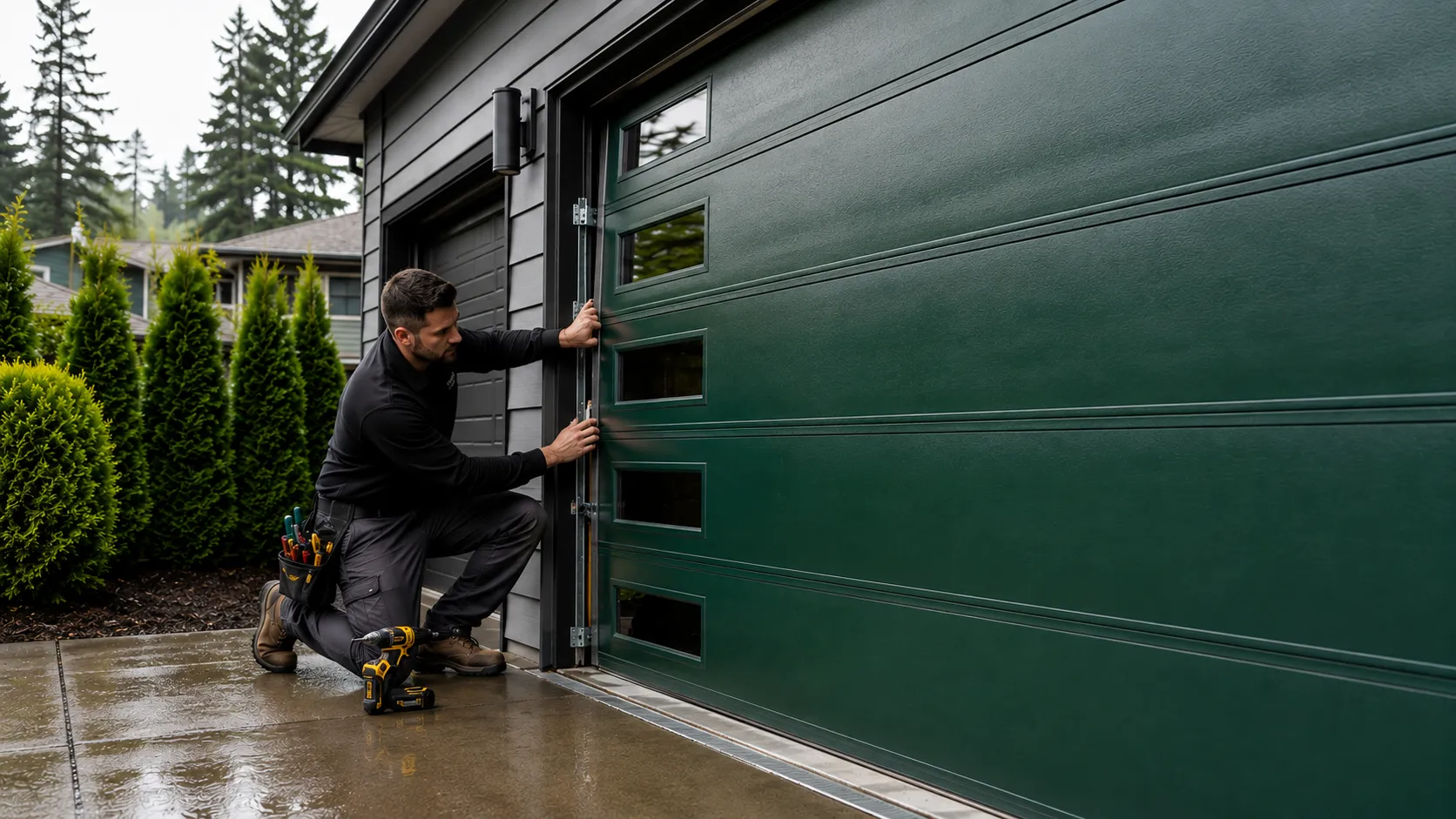
Describe the symptom - won’t open, loud bang, opener runs but the door won’t move.
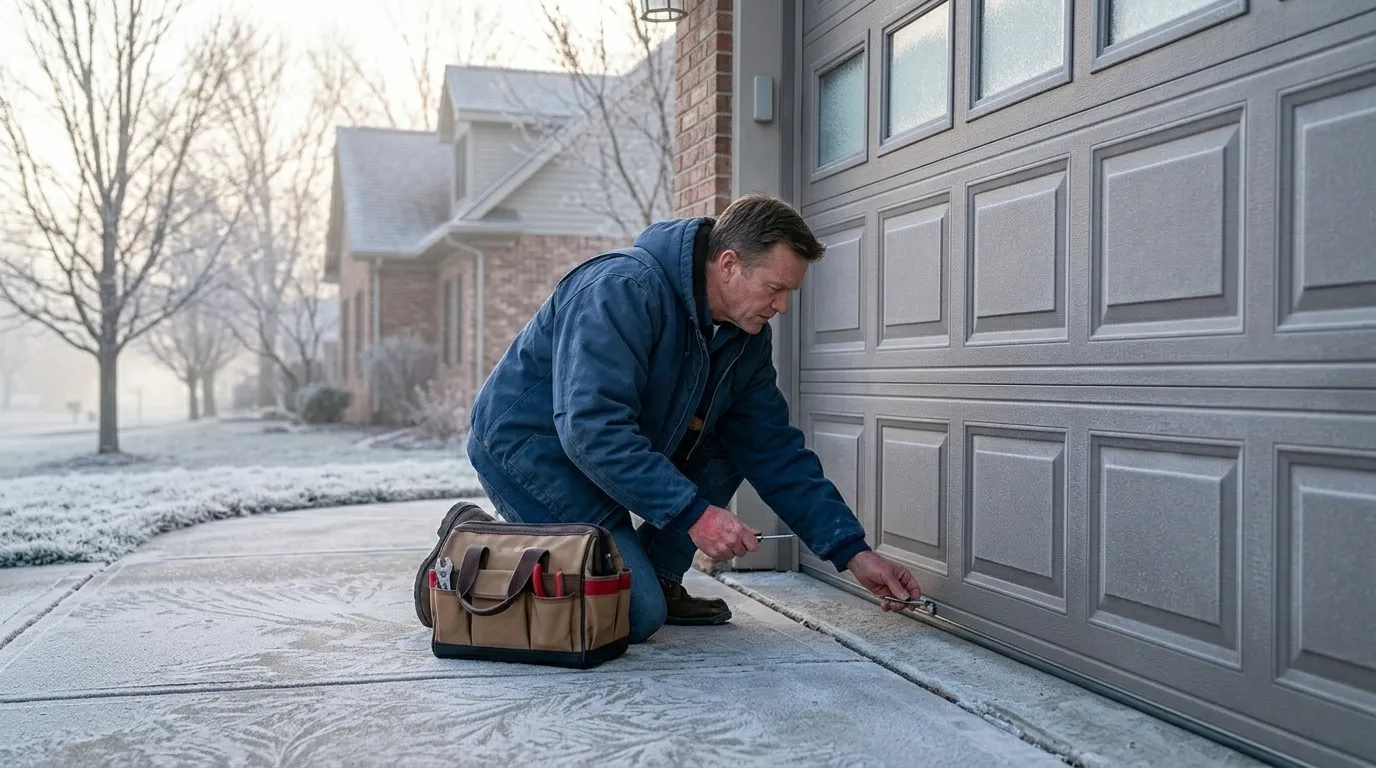
A technician tests the door under power and by hand and finds what actually failed.
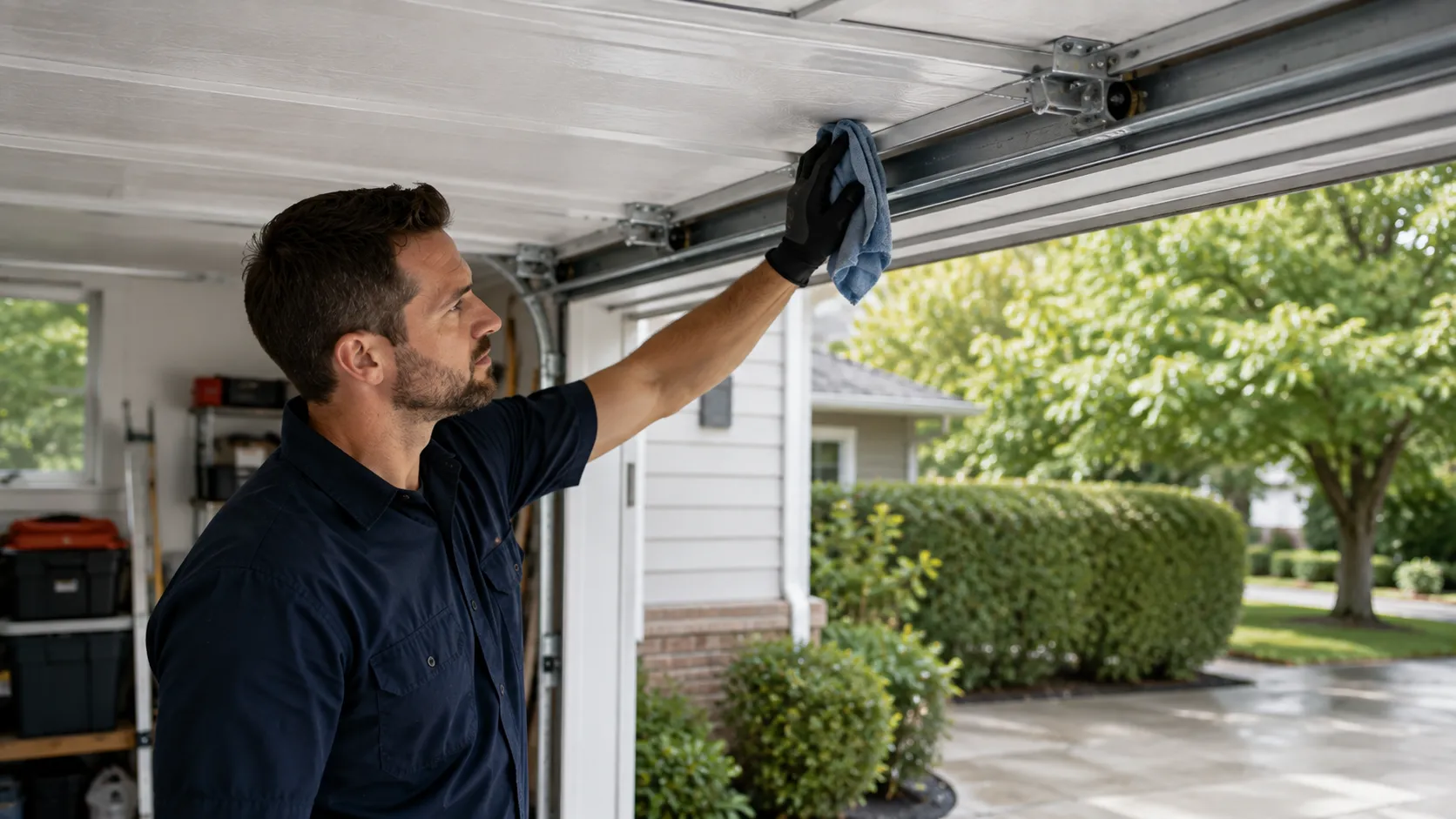
You get the fix that’s needed and what drives the cost - before any work starts.
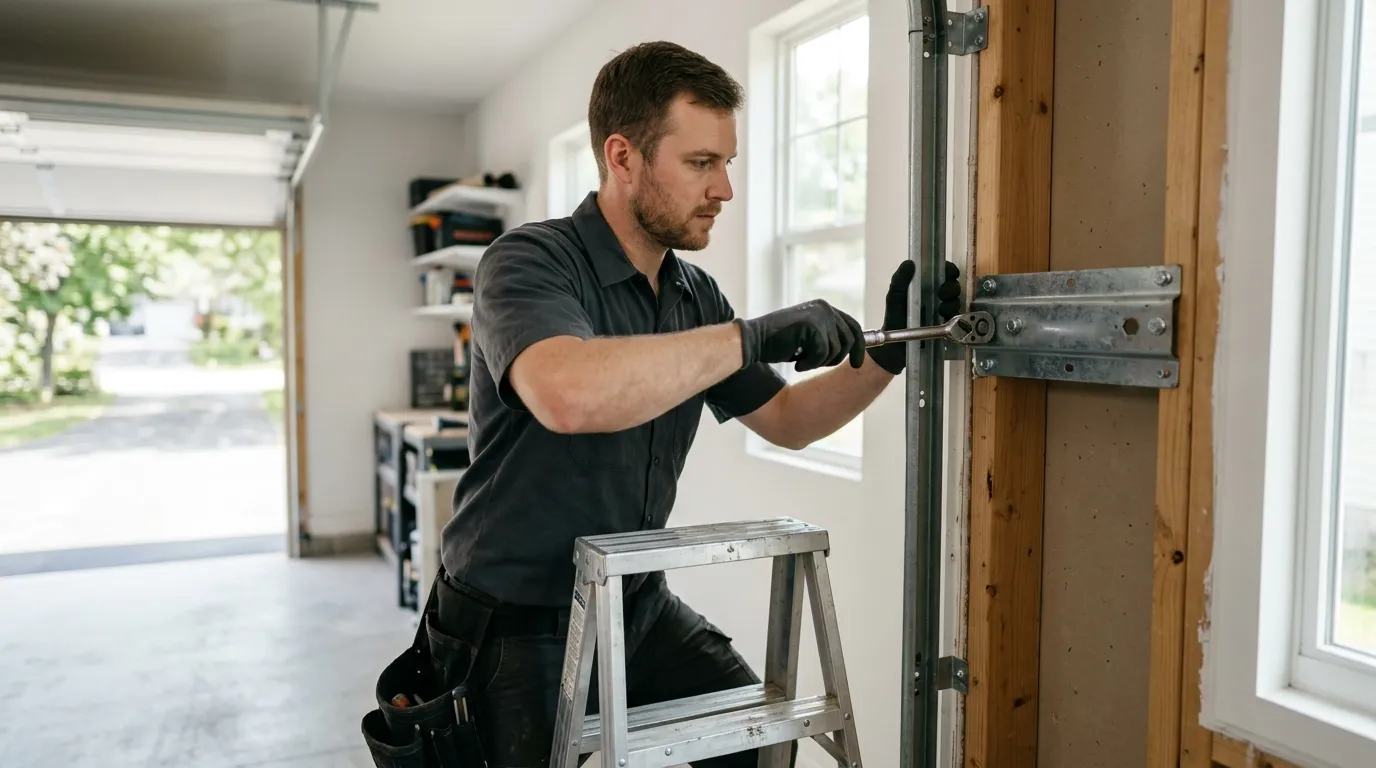
The repair is done, the door is set true and tested, and the work area left clean.
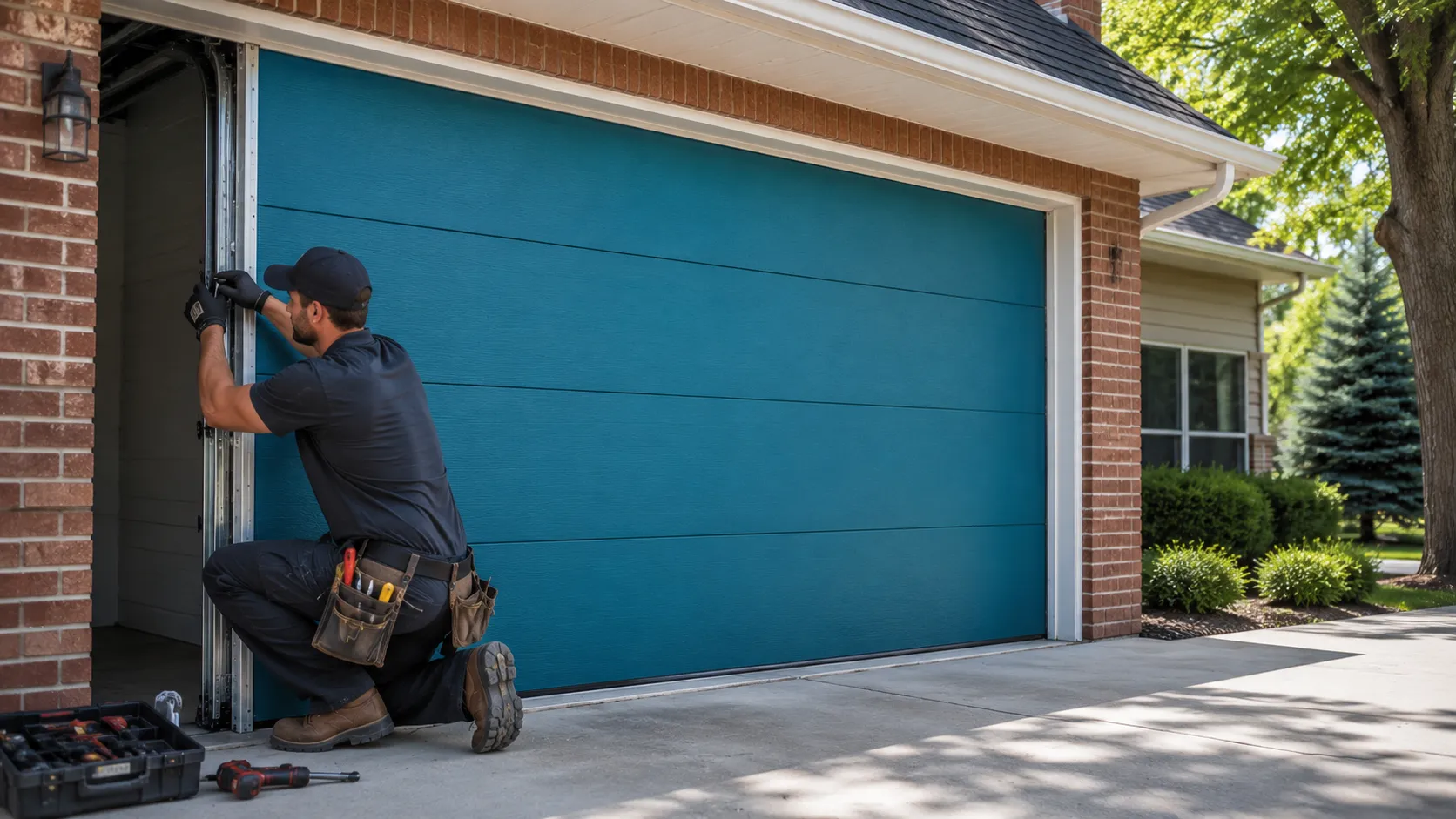
Repair, spring and opener service, and new door installation for single- and double-car home garages.
See services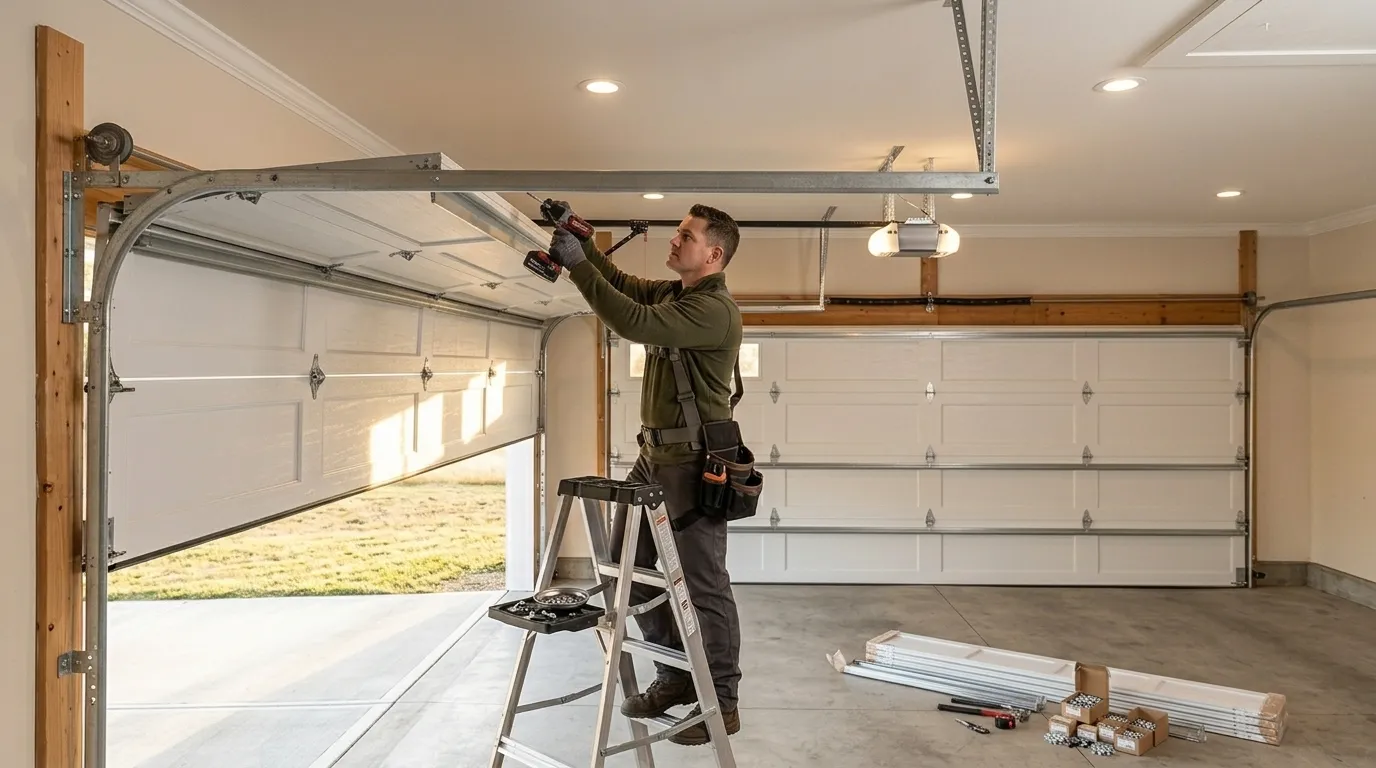
Rolling steel, sectional, and dock doors serviced with the higher cycle counts of commercial use in mind.
See servicesIllustrative styles - sectional, insulated steel, carriage, and commercial doors.
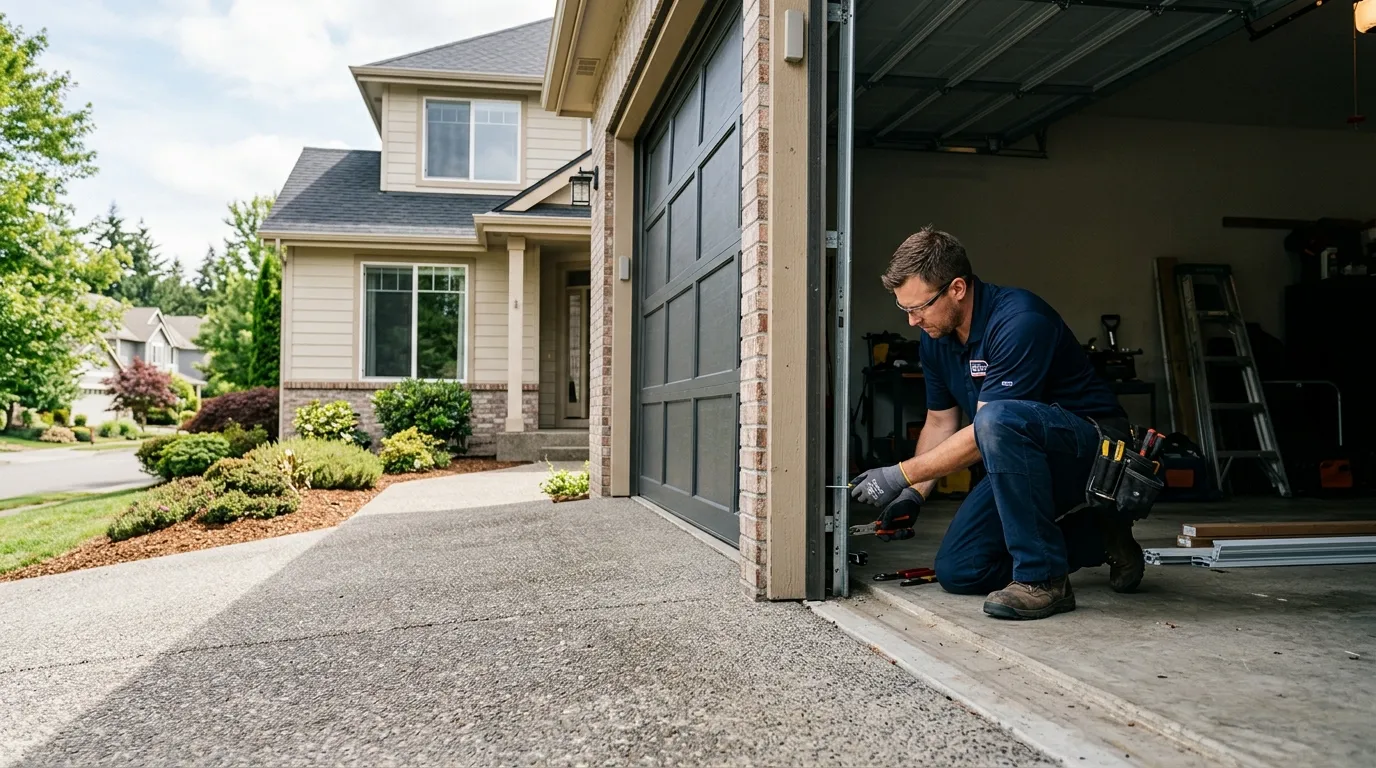
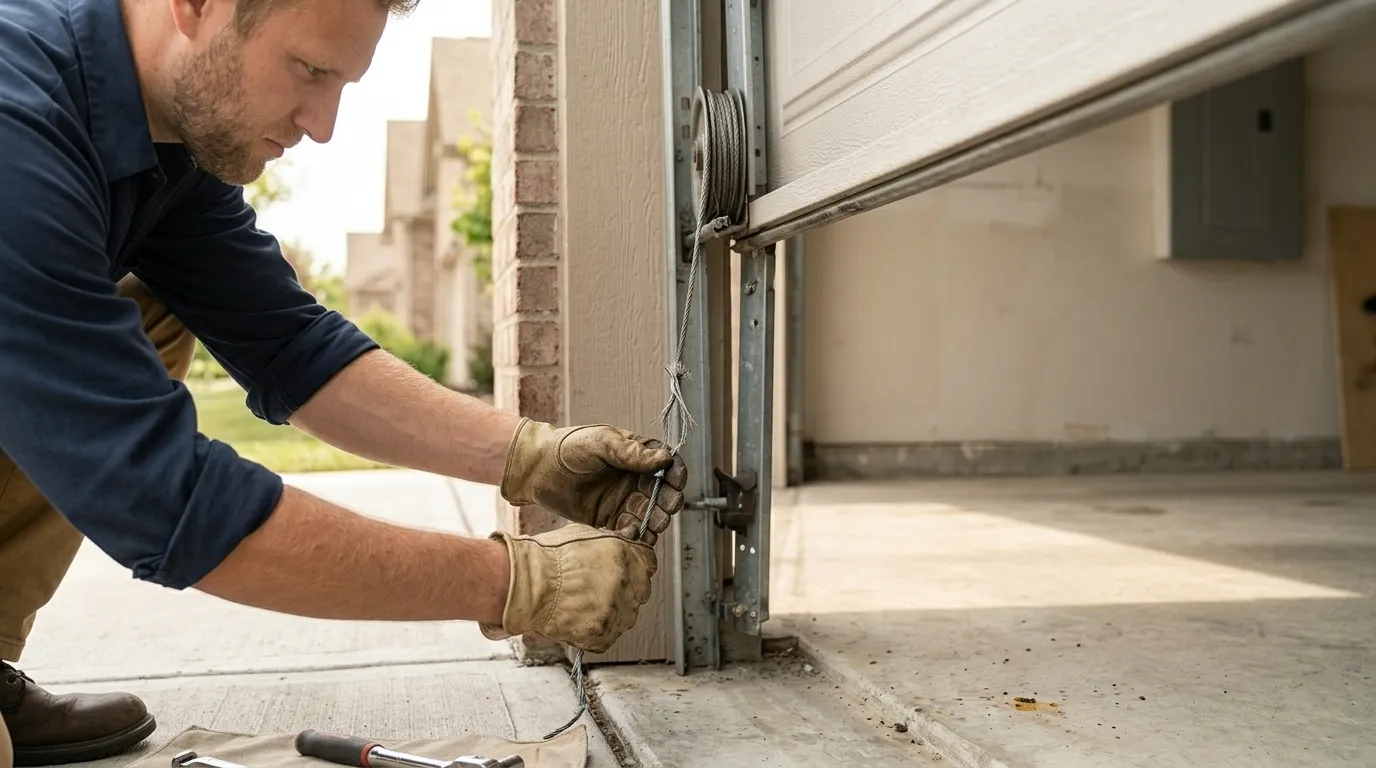
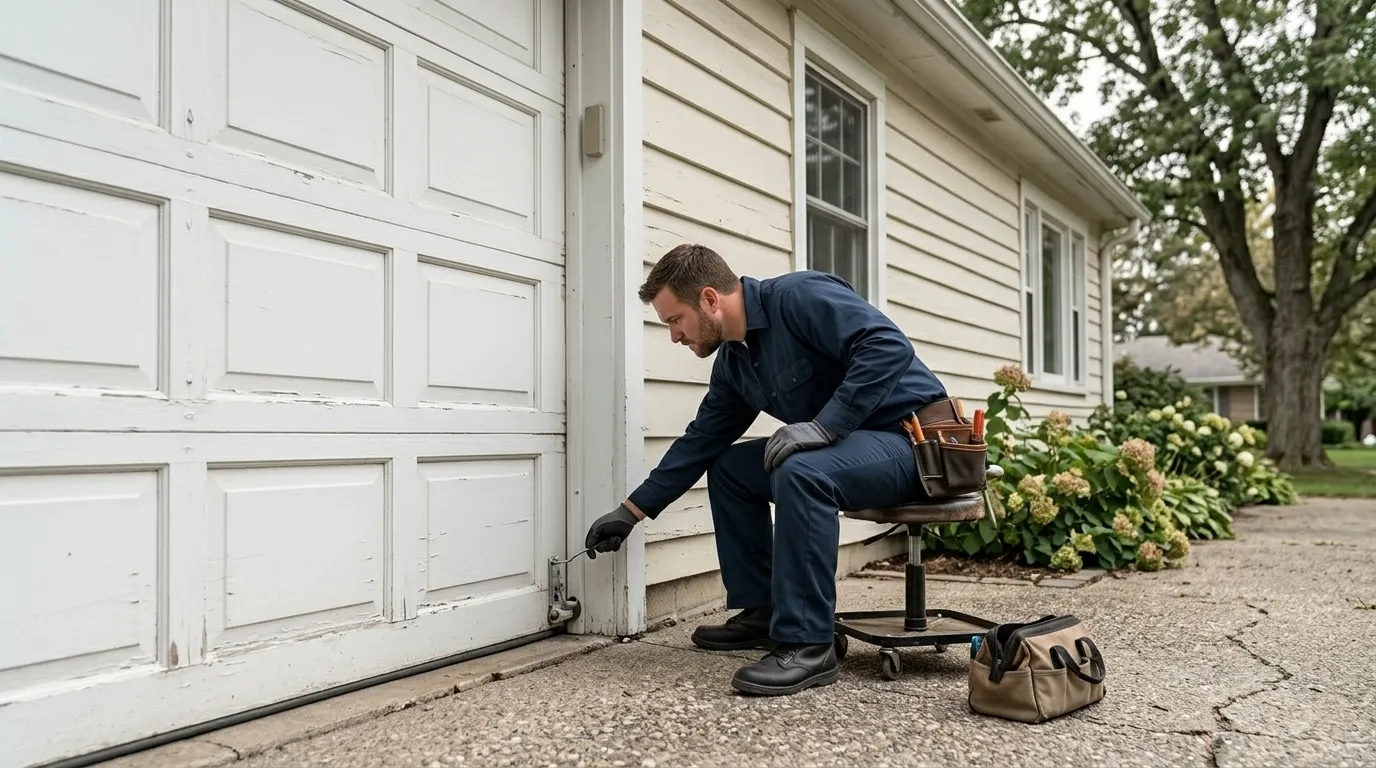
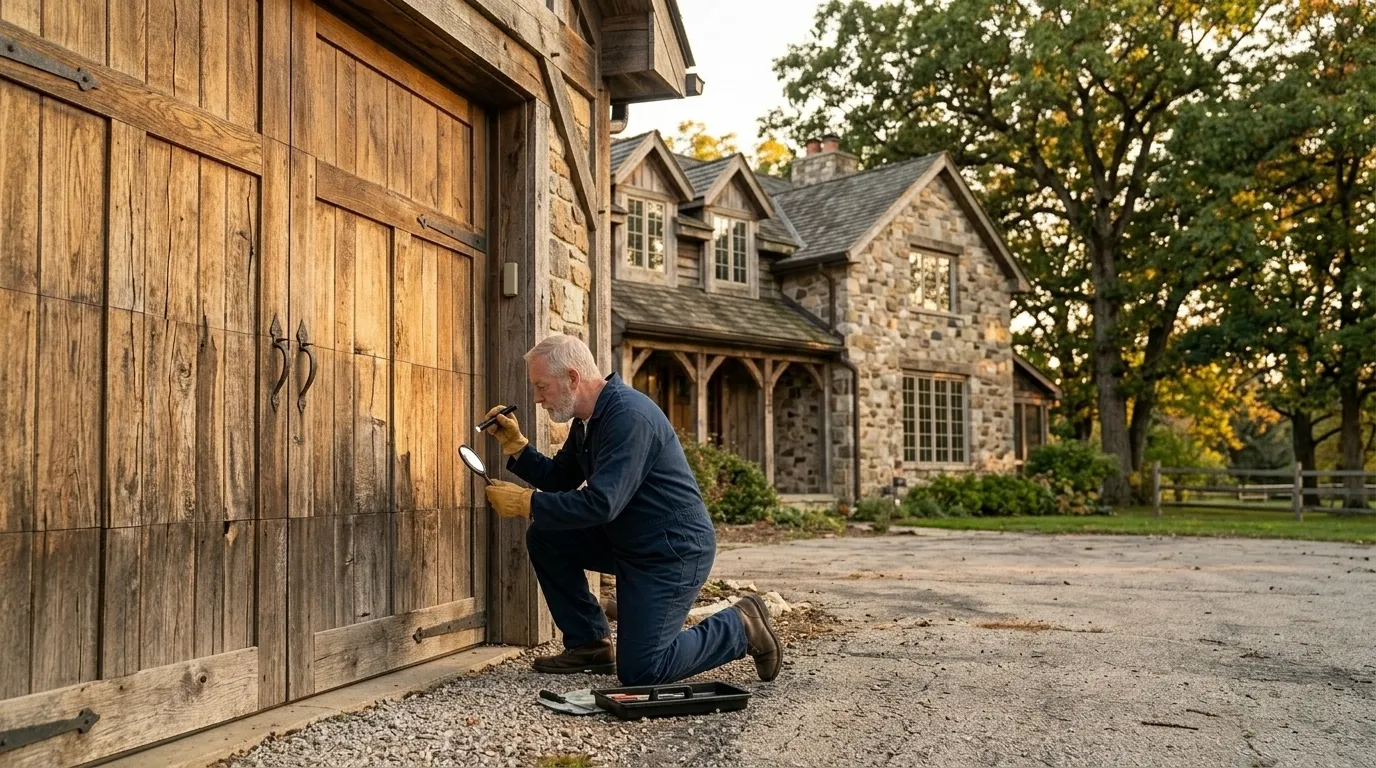
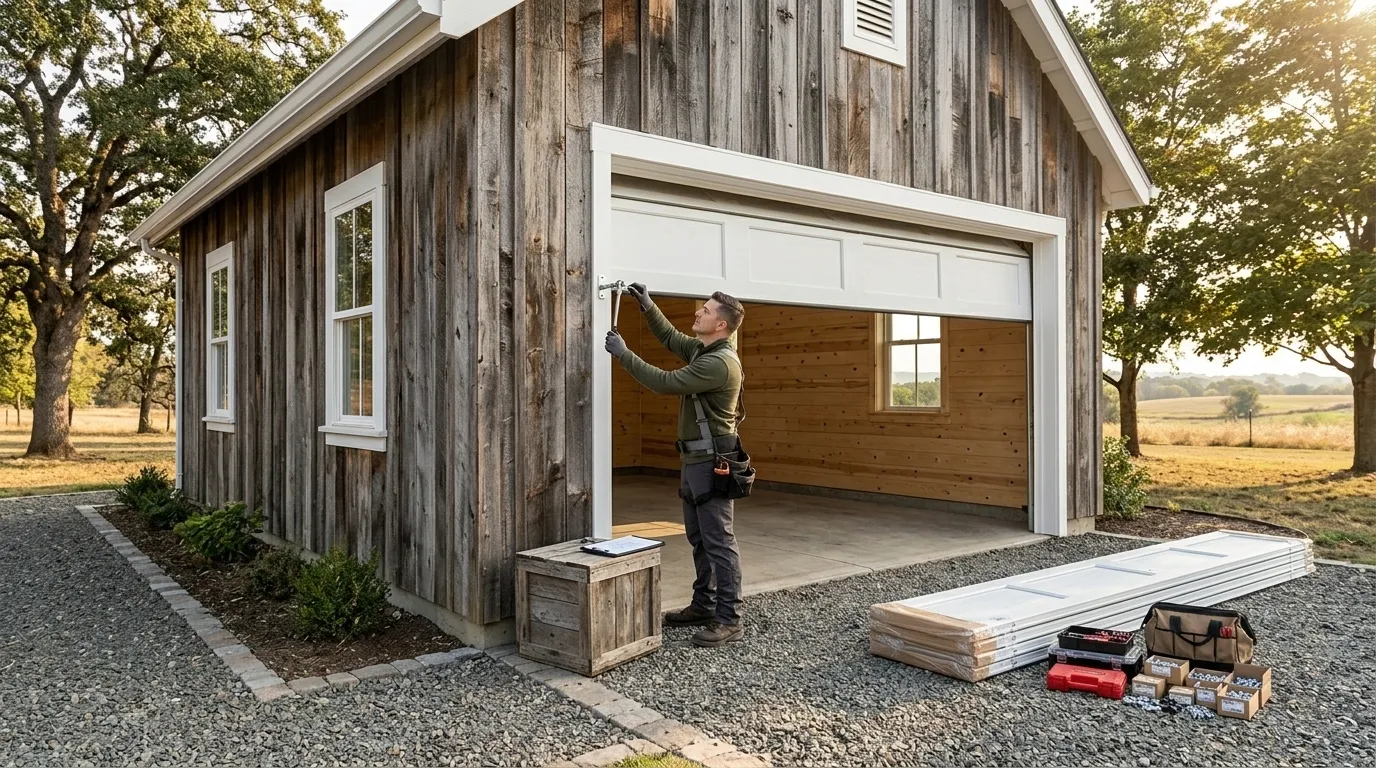
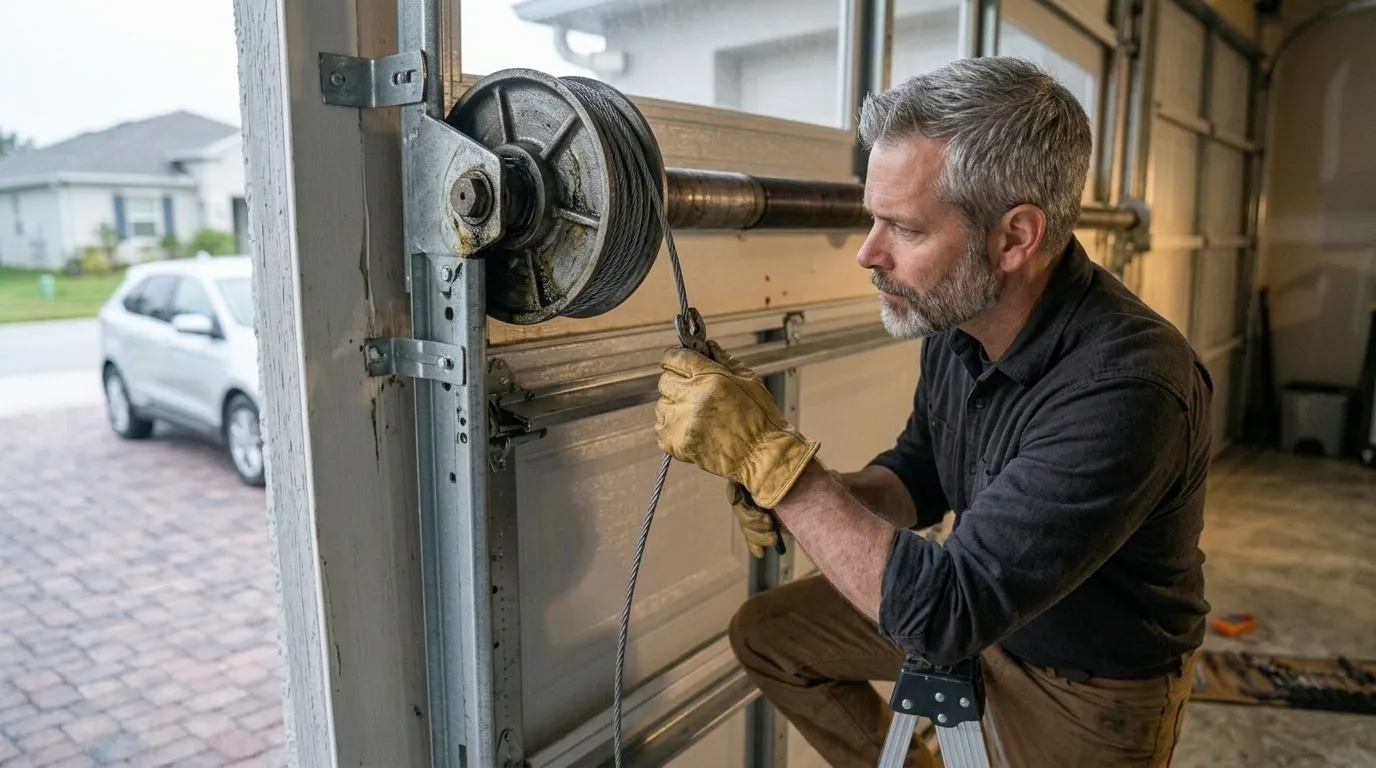
Repair and installation work for Pasadena homes and businesses.
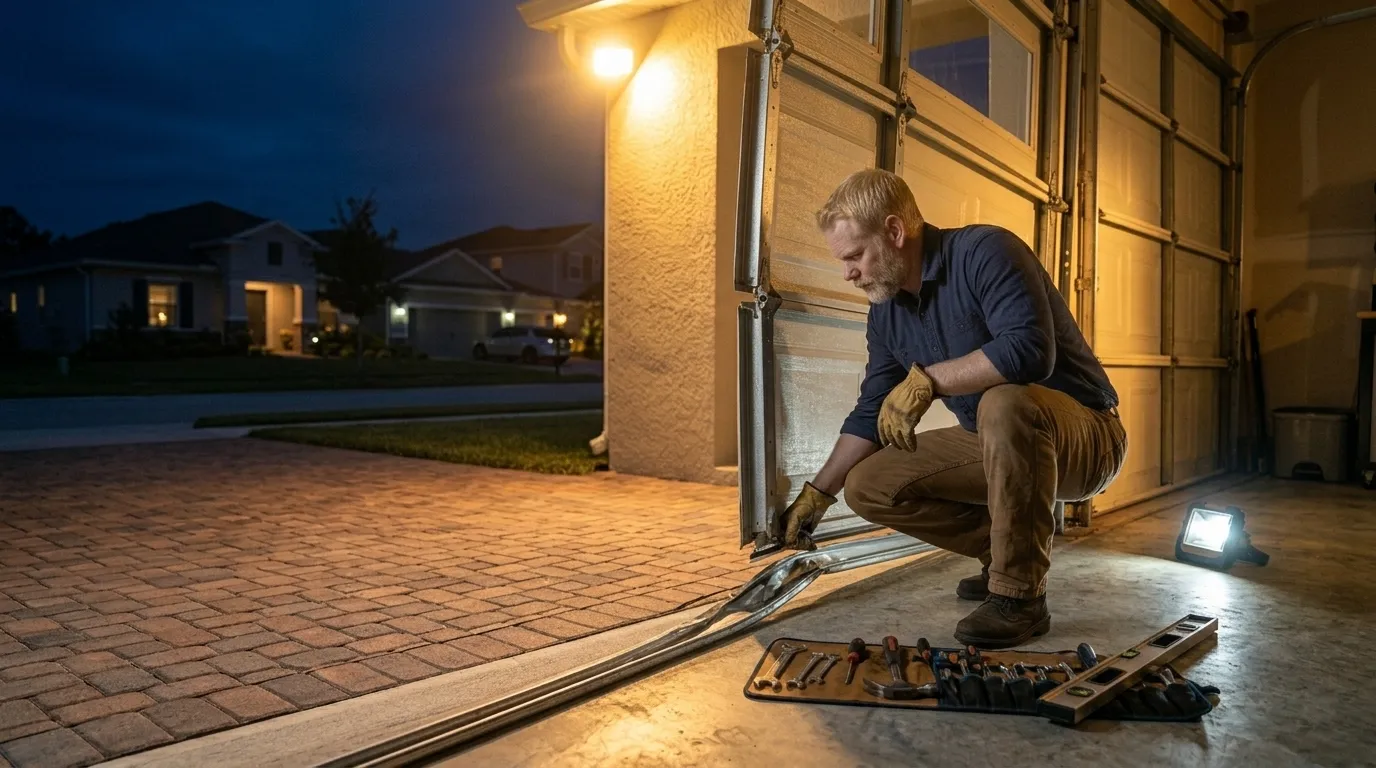
Garage door repair for Pasadena homes built mostly before 1960 - torsion springs, worn rollers, and openers that outlived their hardware. Same neighborhood, real fixes.
Learn more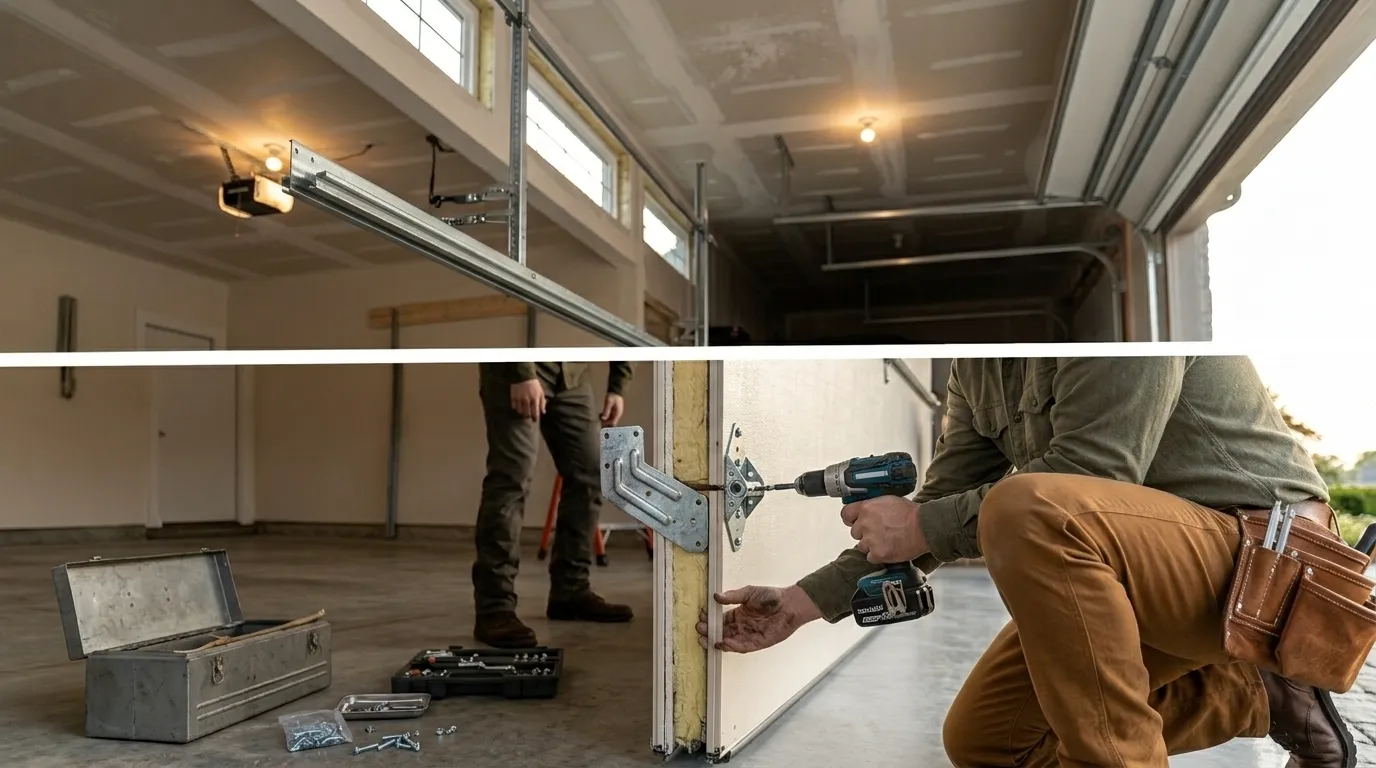
New garage door installation for Pasadena homes, most built before 1960, with hardware sized for older openings and doors that hold up in a mild coastal climate.
Learn more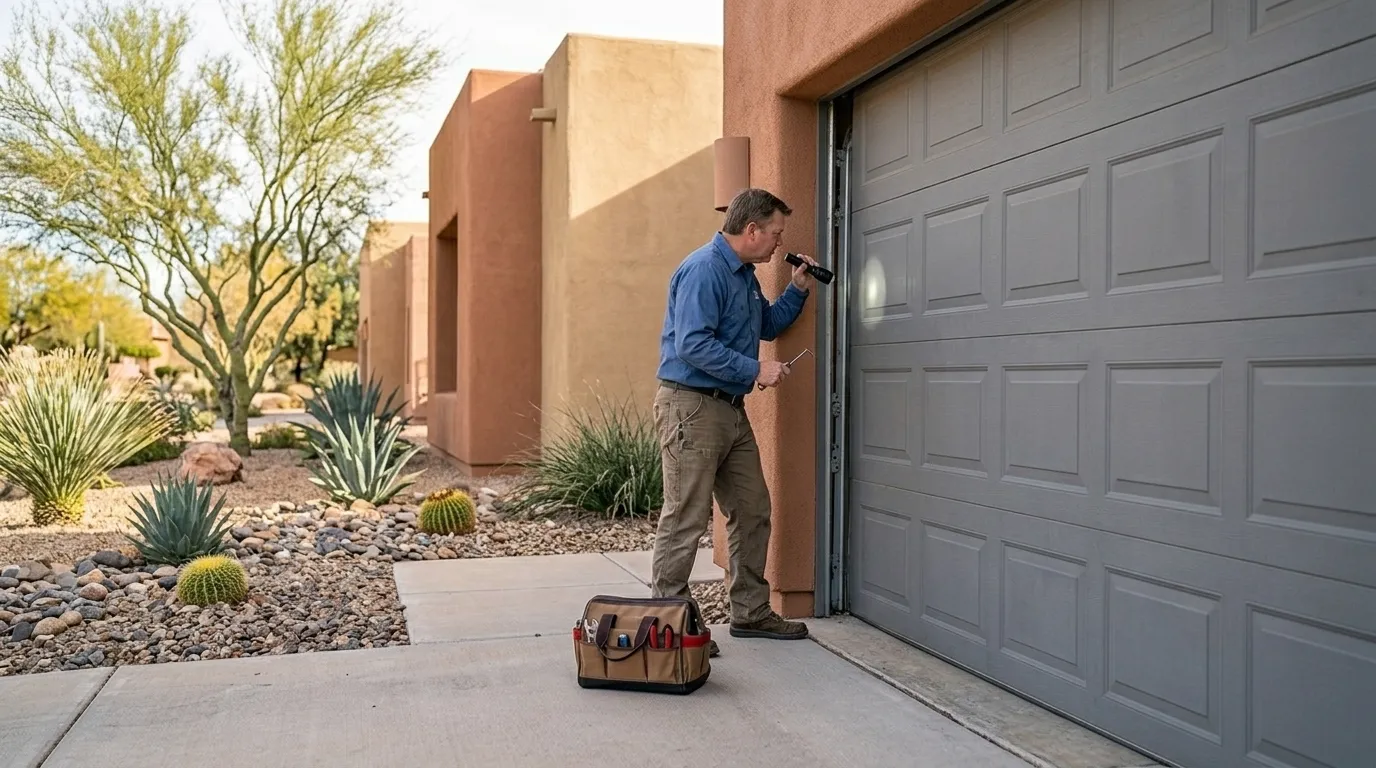
Garage door service for Pasadena homes built between 1943 and 2012 - most from the 1950s. We know the original hardware and what mild-climate age does to it.
Learn moreStraight answers about garage door repair in Pasadena. Still unsure? Ask us directly.
No. We work out of Pasadena, about 15 miles away, and drive out for jobs. We don't keep a local depot here, so we schedule the drive time into the appointment rather than promising an immediate arrival.
It usually does. Houses from that era in this area typically shipped with torsion spring systems rather than the older extension-spring setups common on 1950s construction elsewhere in the service area, and that changes what parts and technique the repair needs.
Depends on the door. If the panels are dented or rusted through at the bottom but the frame and track are sound, repair often makes sense. If the springs, track, and panels are all original and worn, replacement can be the better value - we'll tell you honestly which side of that line your door is on.
Tell us what it’s doing and where you are in Pasadena - we’ll take it from there.