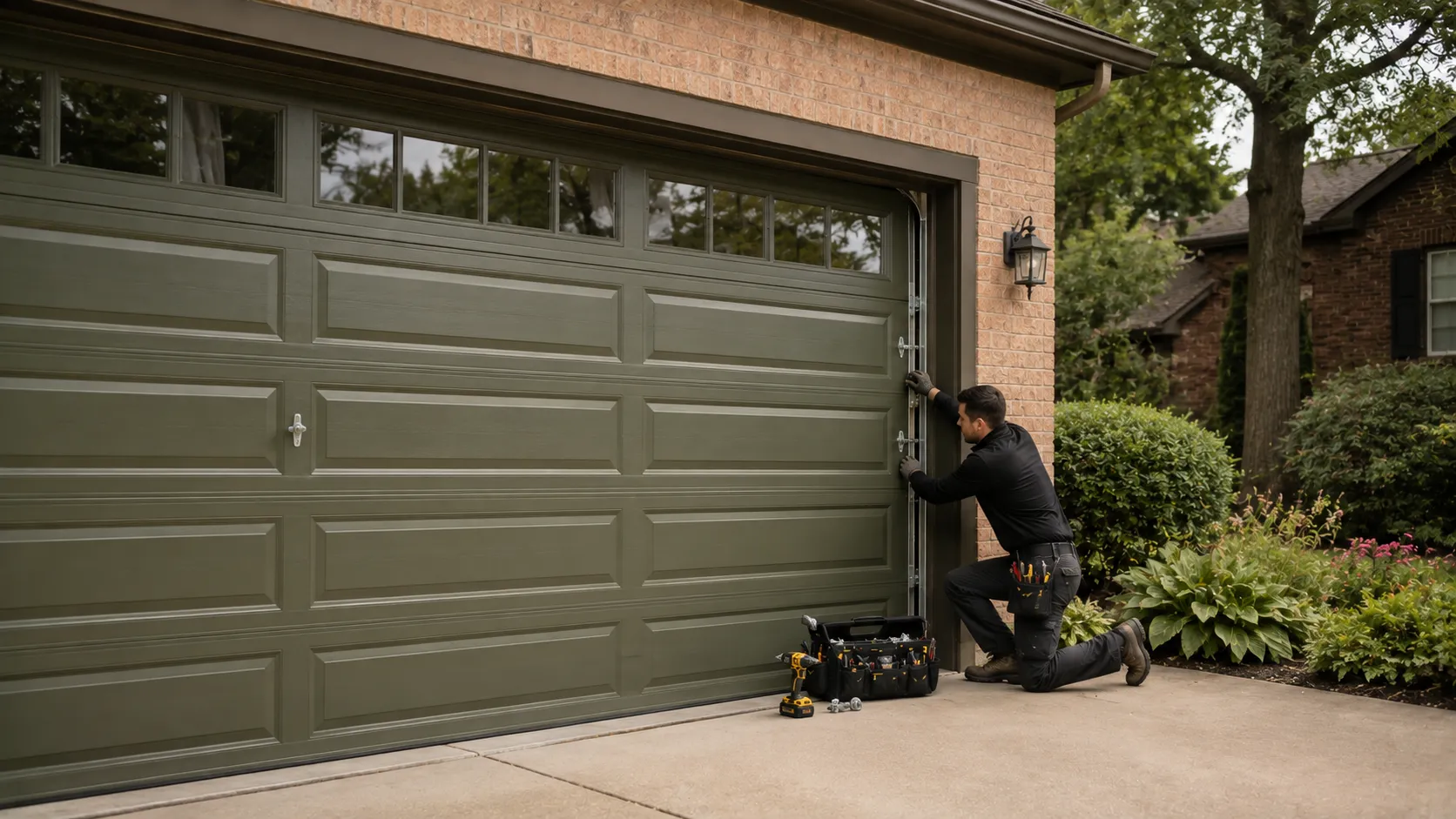
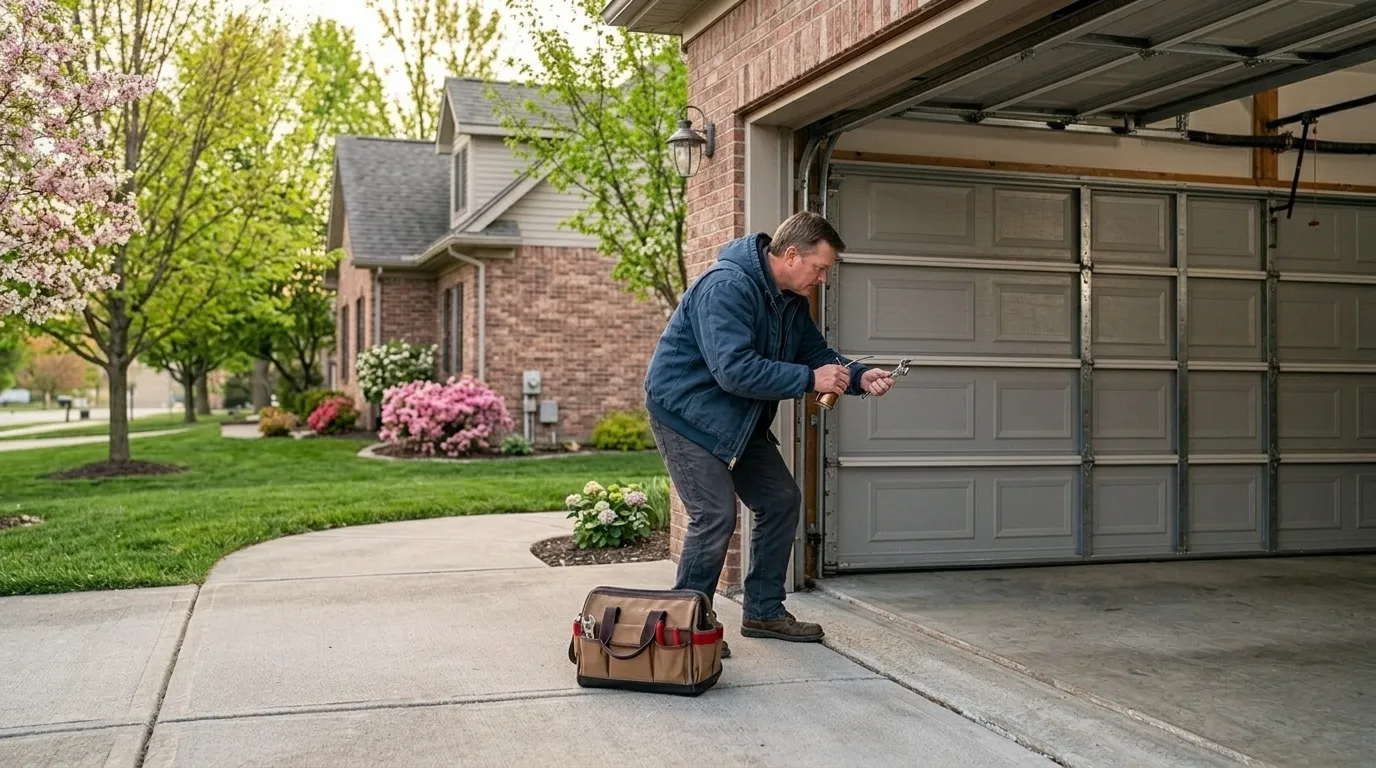
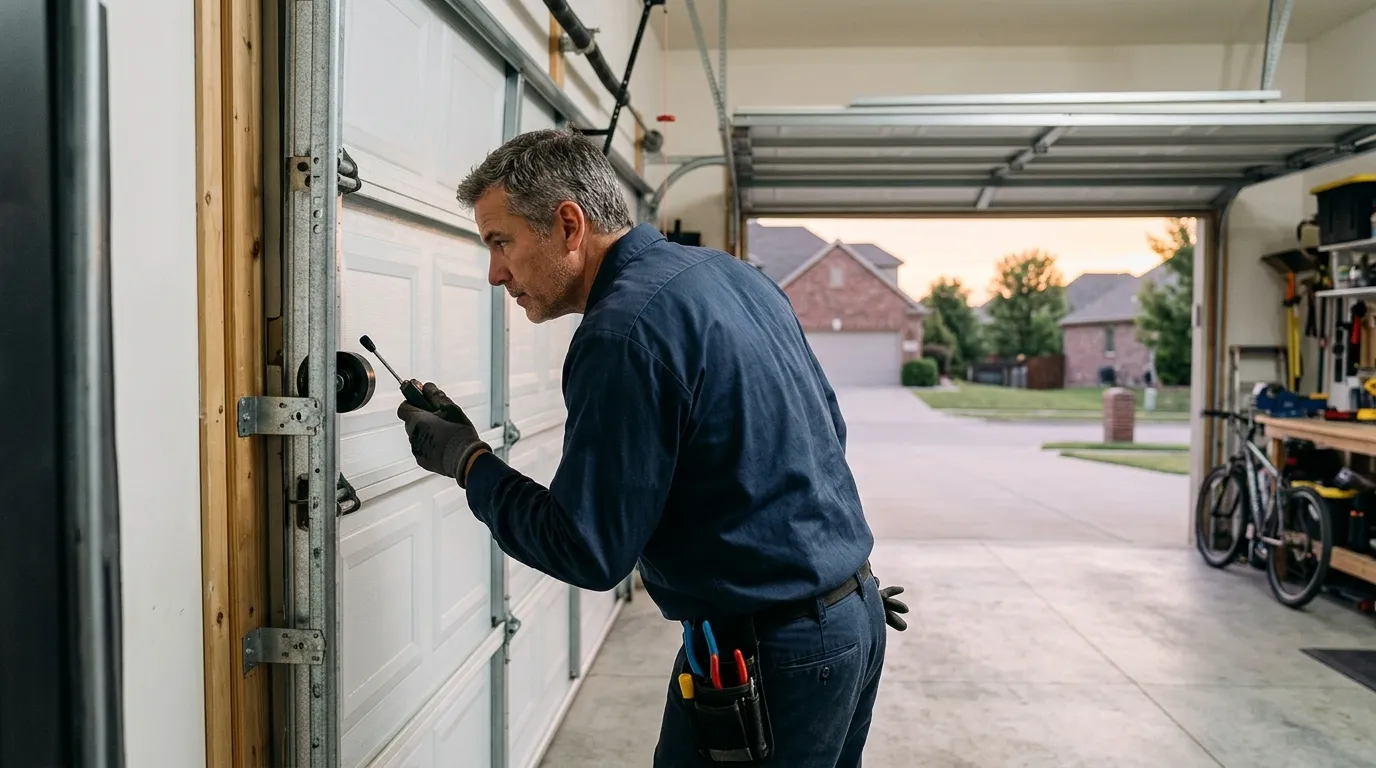
Pasadena Garage Door Pros drives 18 miles to Culver City for spring, opener, and panel repair on the area's early-1960s housing stock. Straight talk, no depot claims.
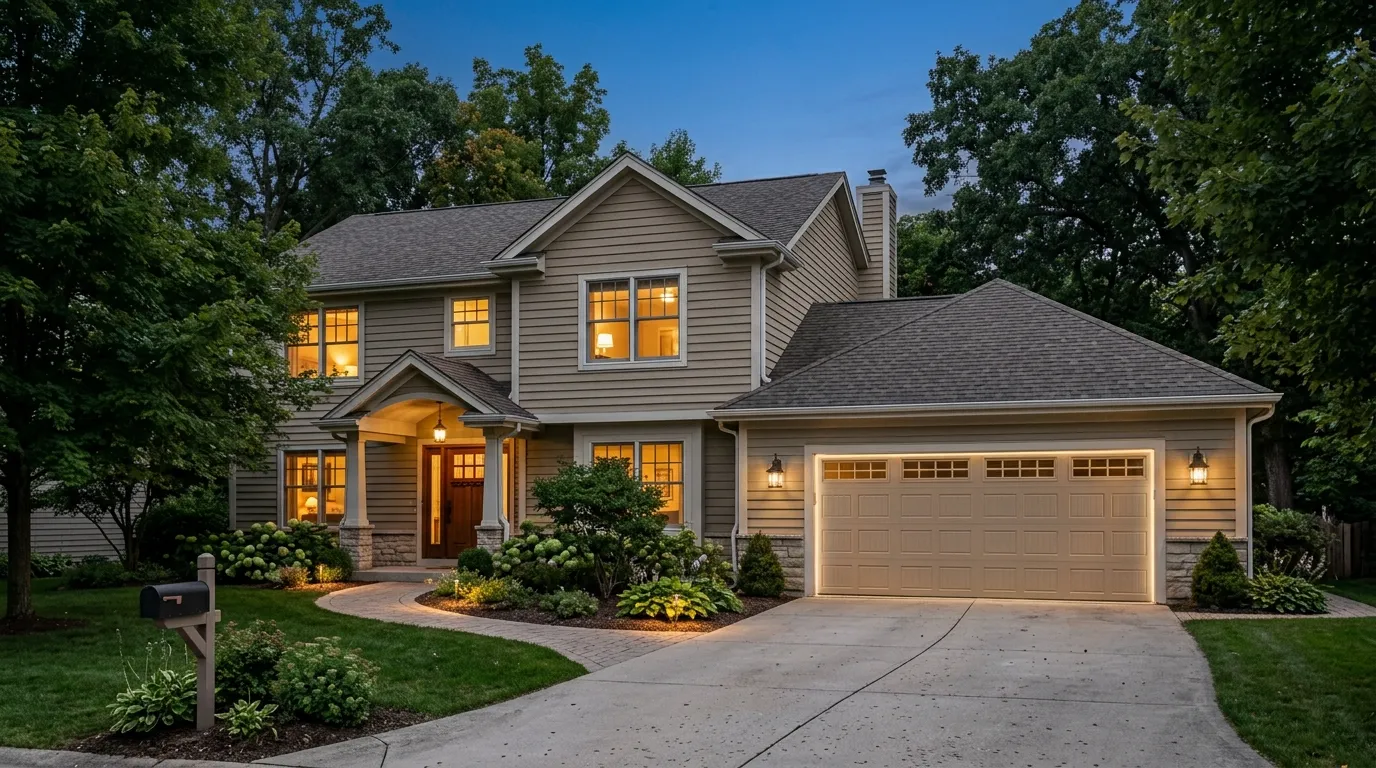
Culver City's housing stock centers on 1962, a few years past the median for our wider service area of 1959. That gap matters more than it sounds. The late 1950s builds nearby still lean on older extension-spring setups bolted straight to the door track, while a 1962 build is right at the point where torsion springs over the header start showing up as standard. So a Culver City garage is more likely to have a torsion bar than a house three miles closer to Pasadena that went up in 1955. Framing is a little more standardized too - post-1960 tract construction tends to use consistent rough openings, which actually makes replacement panel sourcing easier here than in some of the older pockets in our coverage area. The climate band across our whole territory is mild temperate, so you're not dealing with frost-heave foundation shifts that rack a door frame the way colder regions do. What you are dealing with is forty-plus years of California sun on original hardware that nobody's touched since it left the factory.
The Usual Work Here
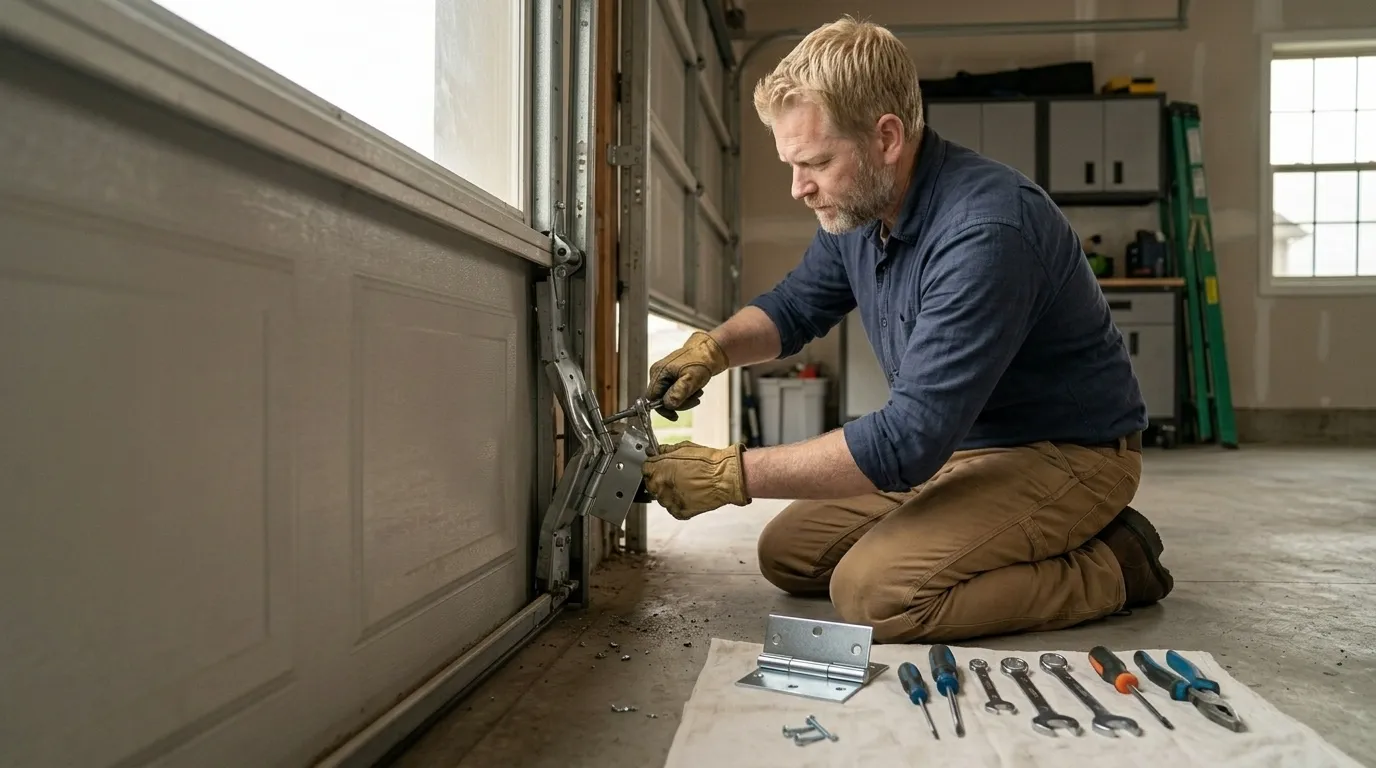
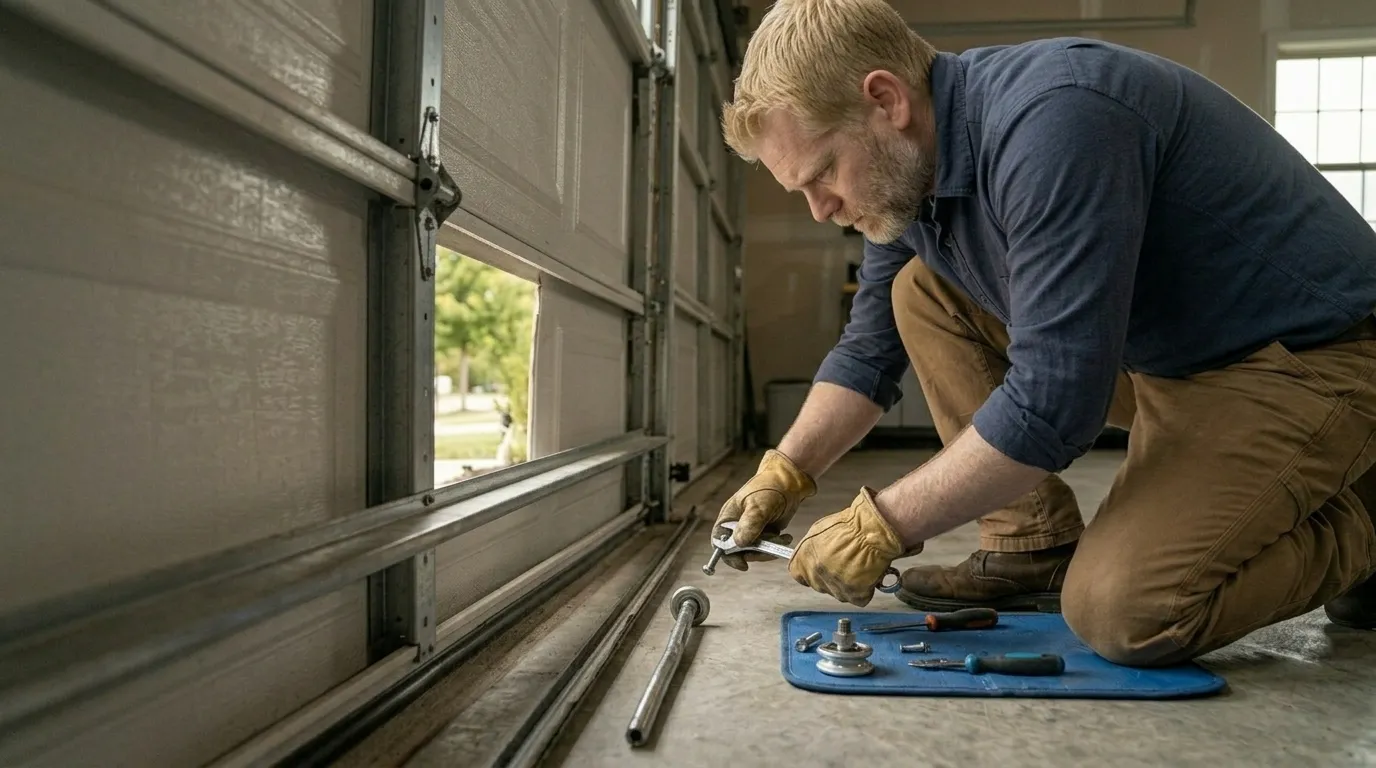
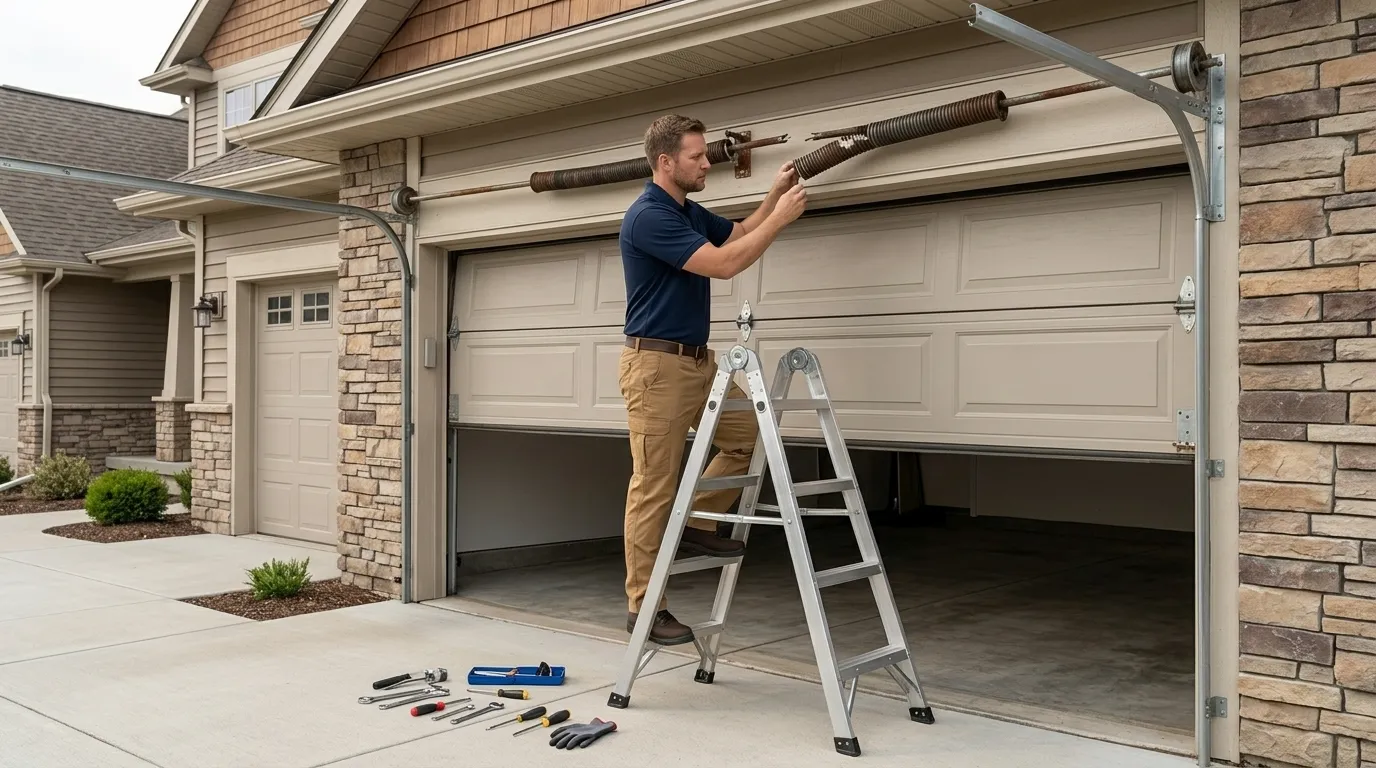
On a 1962-era door in this area, the call is usually one of three things: a torsion spring that's finally given out after decades of cycling, an opener that's original or close to it and just worn through its gears, or a bottom panel that's taken enough sun and door-slam stress to warp at the seam. Extension-spring conversions are less common here than in the older 1940s and 50s tracts, which means when a spring goes, it's almost always the torsion type over the header rather than the side-mounted kind. That's a different repair and different hardware. We don't carry every obsolete part on the truck for houses built before the war, but 1962-era torsion hardware is common enough that stocking it isn't the problem - travel time from Pasadena is the bigger factor in scheduling, which we'll get to.
Timing on This Area
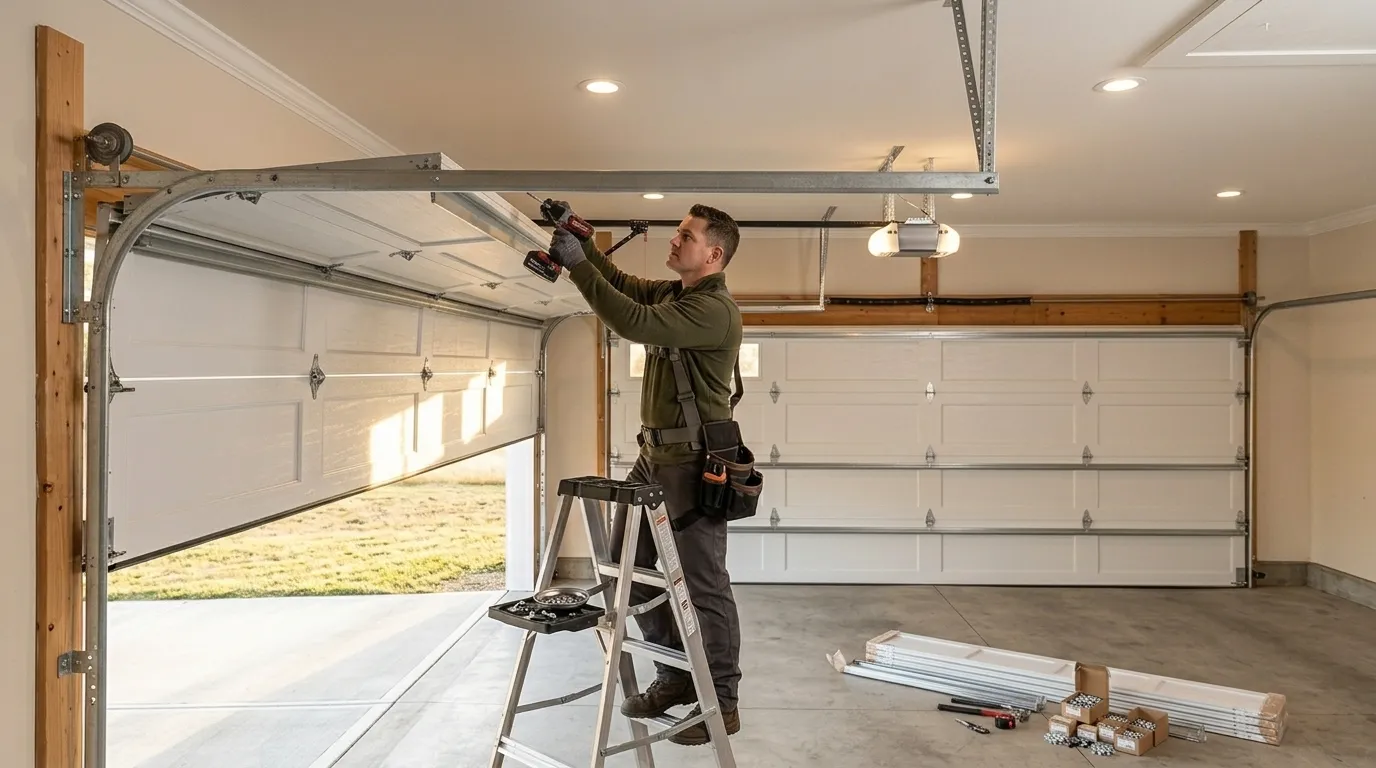
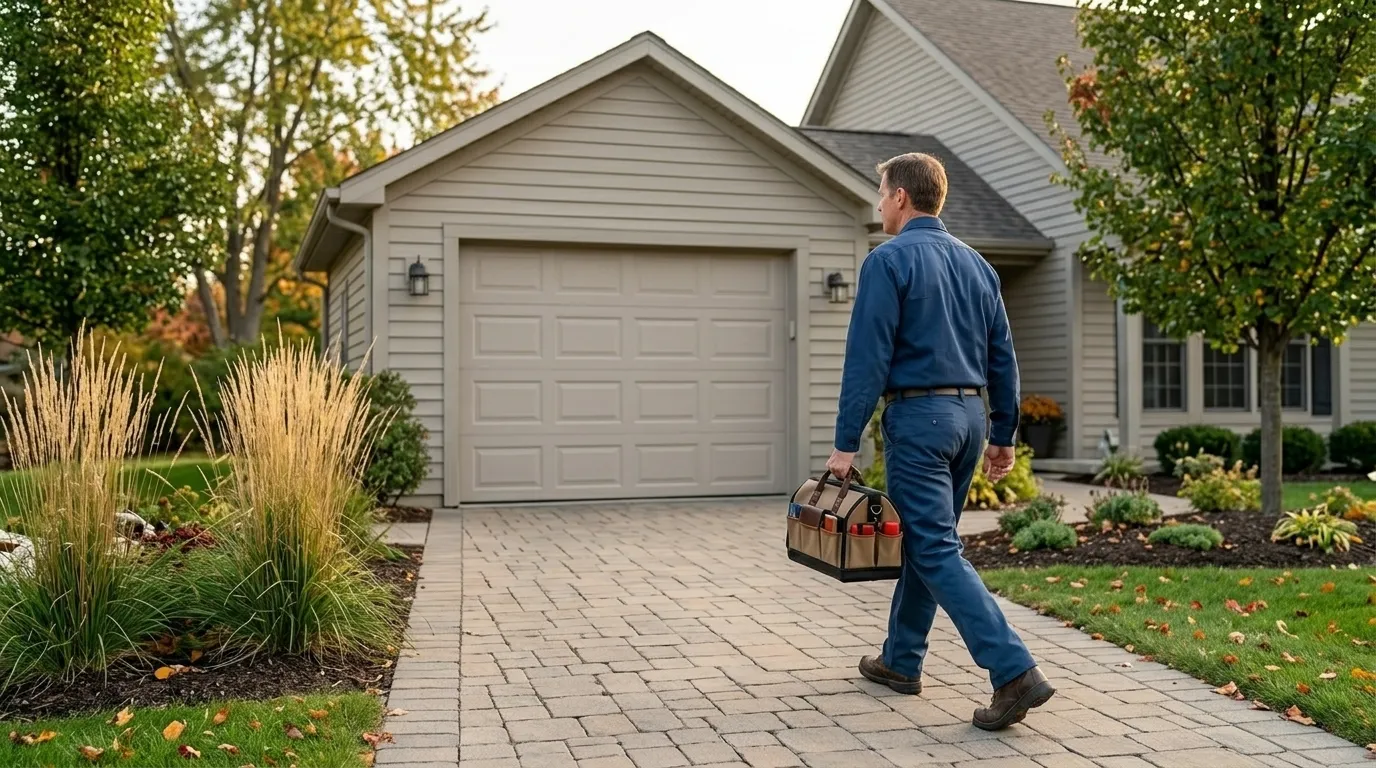
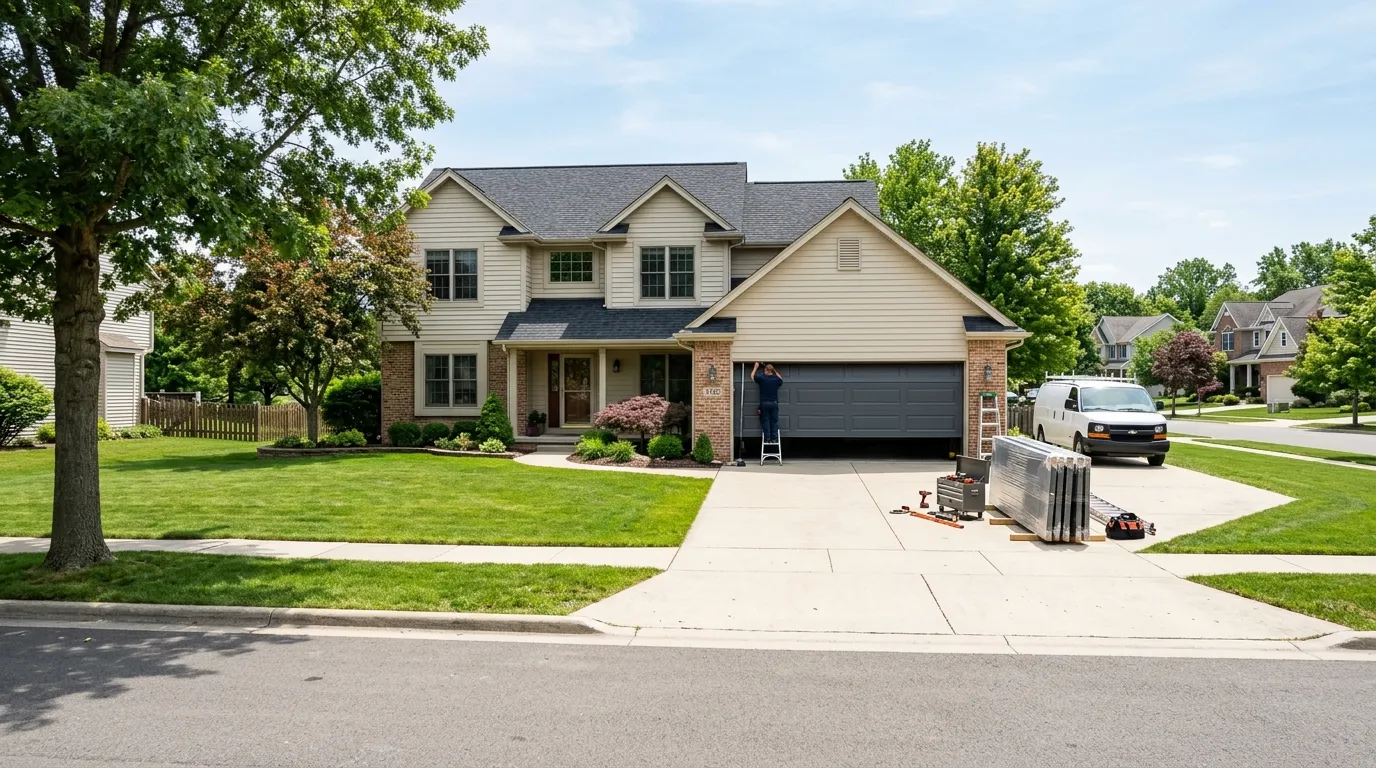
We run out of Pasadena, and Culver City sits about 18 miles out. We don't keep a depot here and we're not going to pretend otherwise - a same-day call still means a drive across the basin, and traffic on that route is not something we control. What we can tell you is that once we're on site, a 1962-era torsion setup is a known quantity, not a guessing game, so the repair itself doesn't run long once the truck arrives. With roughly 17,740 households in this specific area and a median income of $122,312 - well above the $94,792 median across our broader service territory - we see more owners opting for full opener replacement with a quieter belt-drive unit rather than patching an aging chain-drive opener. That's a preference, not a rule, and a working chain-drive doesn't need replacing just because a newer option exists.
How That Shows Up in the Door
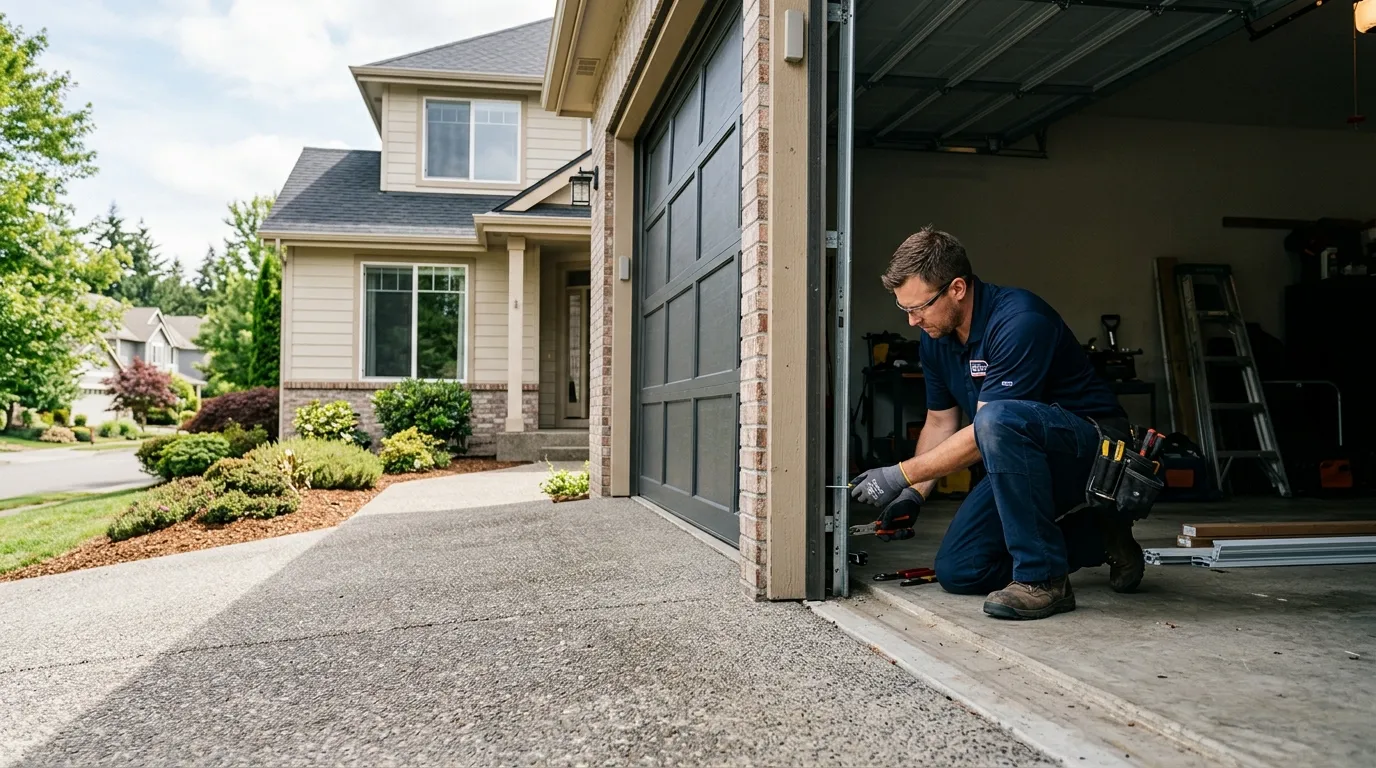
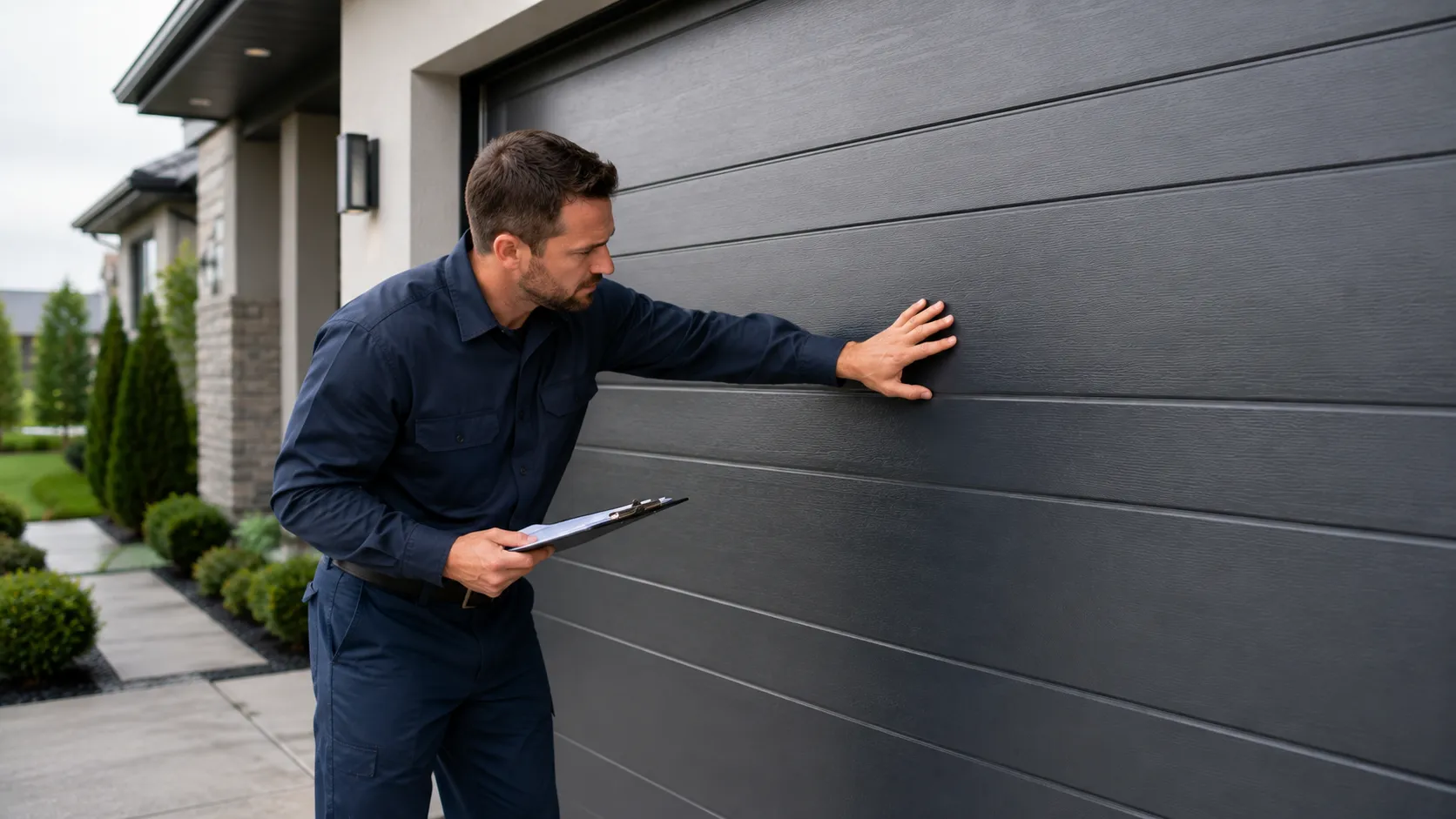
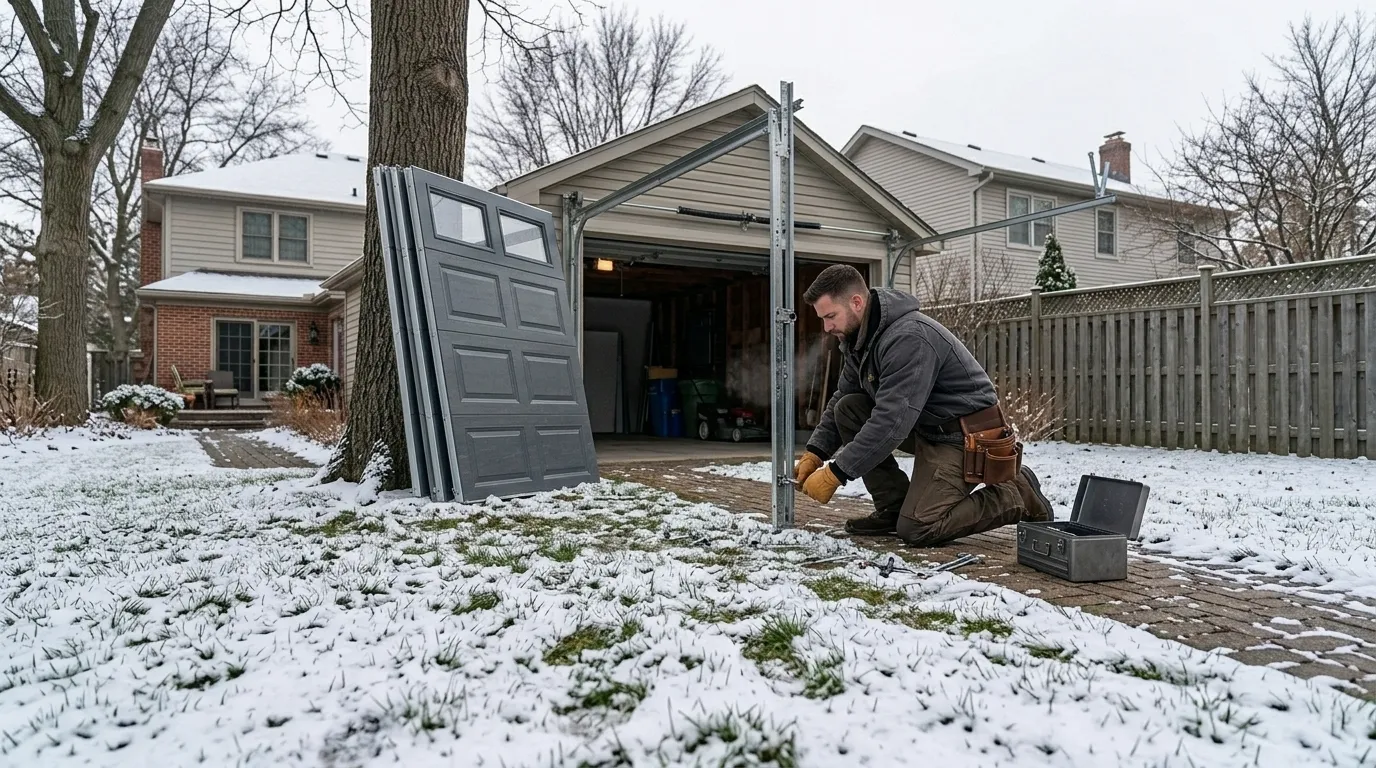
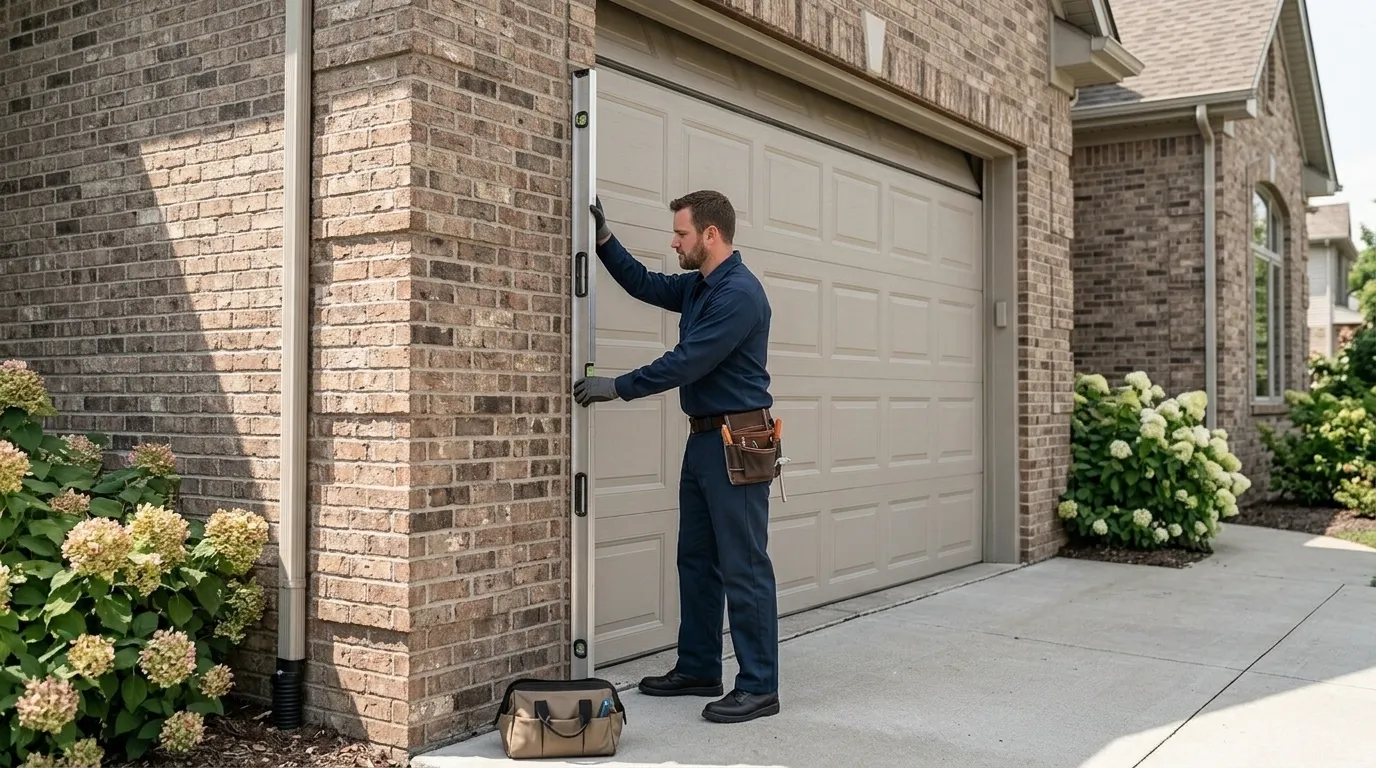
Put the build year and the household numbers together and here's what we actually find on the job. A door installed around 1962 has usually had one spring replacement by now if the original owner kept the house, sometimes none if it changed hands and nobody serviced it. Rollers on these doors are past their rated cycle count more often than not - nylon rollers from that era don't hold up sixty years no matter how mild the climate is. Track alignment tends to be better than in the older 1940s stock nearby because the openings were framed more consistently, so when a door binds here it's more often a bent track from an impact than a structural frame issue. The higher median income in this area also means we more often replace rather than patch - a full panel swap on a warped section instead of trying to bang it straight, since the cost difference matters less to more owners here. That said, replacement only makes sense when the track and opener are sound; if those are shot too, a full door swap is the honest call, not three separate repairs stacked on top of each other.
How it works
From “it’s stuck” to “it’s fixed”
01
Tell us what’s wrong
Describe the symptom - won’t open, loud bang, opener runs but the door won’t move.
02
On-site diagnosis
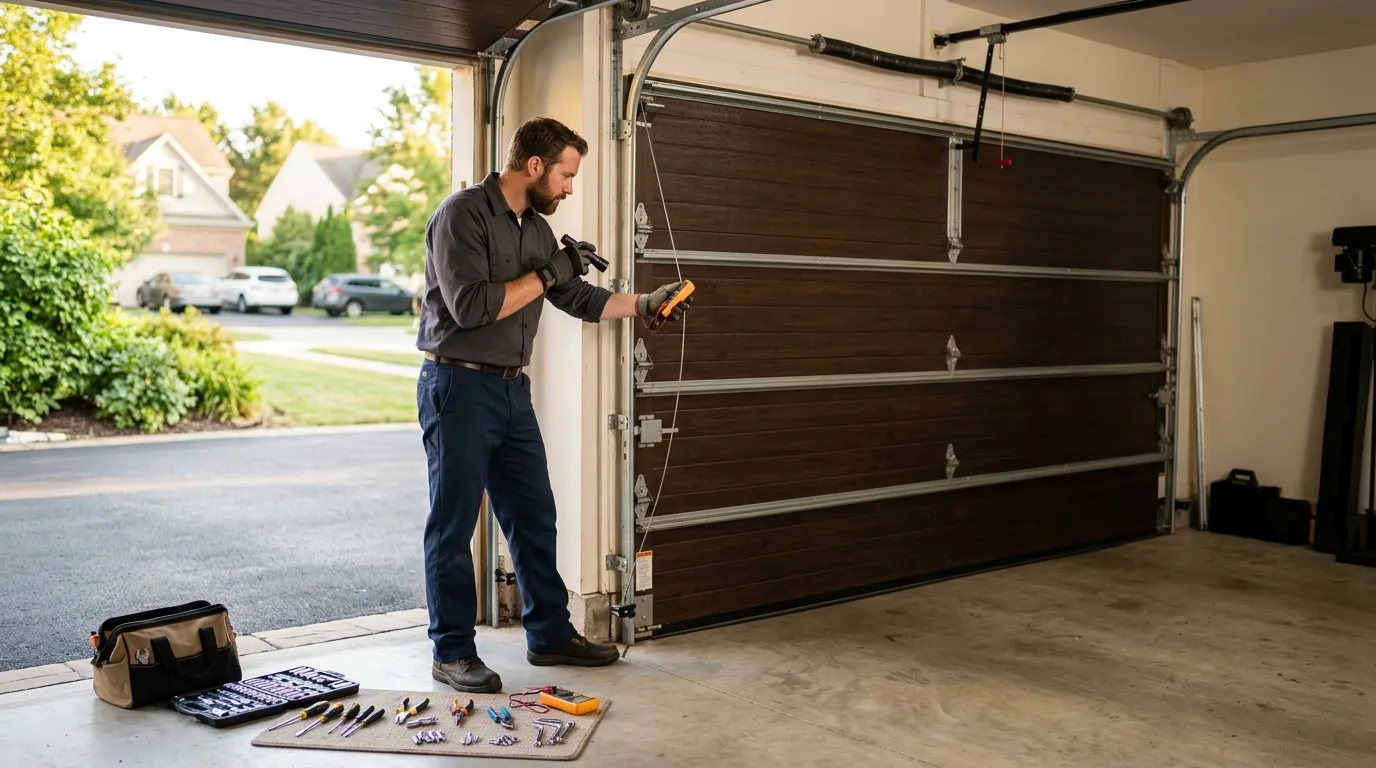
A technician tests the door under power and by hand and finds what actually failed.
03
Clear, up-front plan
You get the fix that’s needed and what drives the cost - before any work starts.
04
Repaired & tested
The repair is done, the door is set true and tested, and the work area left clean.
Serving Pasadena, CA - tell us what your door’s doing and we’ll take it from there.
Straight answers about garage door repair in Pasadena. Still unsure? Ask us directly.
How far out is Culver City from your shop, and does that affect scheduling?
We're based in Pasadena, about 18 miles away. It doesn't change the quality of the repair, but it does mean we build drive time into scheduling rather than promising a same-day window regardless of traffic. We'll give you a realistic arrival estimate when you call, not a guess.
Do most Culver City garages have torsion springs or the older extension type?
Torsion springs over the header are the norm here. The area's housing stock centers on 1962, which is past the point where extension-spring setups were standard on new construction. If your house is older than the area median, it's worth checking which type you have before assuming.
Is it worth replacing an opener that still works?
Not automatically. A working chain-drive opener doesn't need to go just because belt-drive units exist. We replace openers when the gears are worn, the motor struggles, or repair parts for that model aren't available anymore - not on preference alone.