
Do you have a location in Beverly Hills?
No. We work out of Pasadena and drive to Beverly Hills for jobs, about 16 miles each way. There's no local depot here, so scheduling accounts for the drive rather than promising an instant arrival.
Serving Beverly Hills from Pasadena, 16 miles out. Torsion springs, opener swaps, and panel work sized to the 1959-era stock common on these lots.
Beverly Hills sits on the same build clock as most of the wider service area we work out of Pasadena - median year built 1959, right in line with the 1943-2012 range and the pre-1960 pattern that shows up across 65 named areas in this region. That matters more than it sounds like it should. A house from that era wasn't built with a garage door in mind the way a 1995 tract house was. The opening is often narrower, the header is often lower, and the original door - if it's still there - is a single heavy slab on a torsion spring sized for that specific weight, not for whatever a big-box store stocks today.
We don't have a separate build-year figure that splits Beverly Hills off from the rest of the service area's 1959 median, so we're not going to invent one. What we can tell you is that a house built to that era's code and framing standard behaves differently under a garage door retrofit than a newer one does, and that's the frame we work from here.
With household income in this area running well above the broader service area's $94,792 median, we also see more owners choosing full replacement over patch repairs once a door starts showing its age - insulated steel, quieter openers, matching trim to a remodel. Both paths are legitimate. Which one makes sense depends on the door in front of us.
On 1959-era openings, the recurring calls are torsion spring failure on original single-panel doors, worn rollers on track that was never widened when the door was replaced once already, and openers that predate today's safety-reversal standards getting swapped out during a remodel rather than after they fail outright. We also see cable fraying on doors that have had one spring replaced but not the matching one - a mismatch that throws the door off-balance and chews through openers faster than it should.
Because this area's household income sits at $127,979, well above the wider service area's $94,792 median, we get more calls for insulated panel upgrades and quieter belt-drive openers than for bare minimum patch jobs. That's not a judgment, just what the work mix looks like out here compared to older, lower-turnover blocks closer to Pasadena.
One honest limit: if your door is an original from the 1959 build era and a panel is bent or rusted through, we're not going to hunt for a matching replacement panel that doesn't exist anymore. At that point a full door replacement is usually the straighter, cheaper path than trying to keep a fifty-plus-year-old panel alive.
Put the numbers together and the pattern is straightforward: a 1959-median build year means original openings sized differently than what's sold today, mild coastal-influenced temperate conditions mean the springs and cables aren't fighting extreme heat or cold cycles the way they would elsewhere, and a $127,979 median household income means more owners here choose to replace a tired door outright rather than nurse it along. None of those three facts alone tells you what's wrong with your door. Together they explain why the calls skew toward full opener and door upgrades rather than one-off spring swaps on a door that's staying put another twenty years.
If you've got an original slab door on this side of things, expect the spring and rollers to be the first things to go, in that order. If you've already replaced the door once, the opener is usually next. We size the fix to what's actually on your header, not to a generic parts list, because on a 1959-era opening the generic parts list is often wrong.
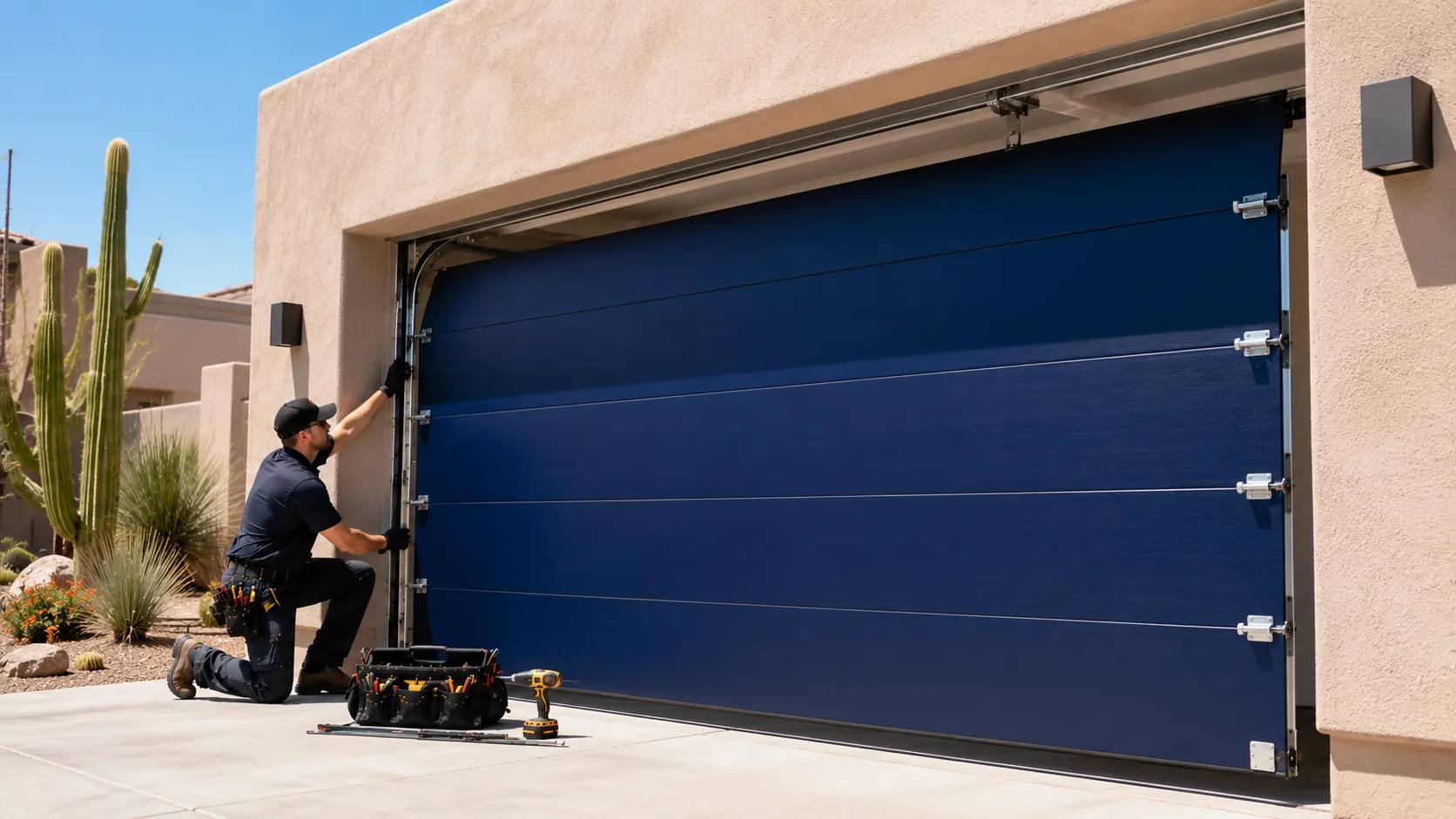
Describe the symptom - won’t open, loud bang, opener runs but the door won’t move.
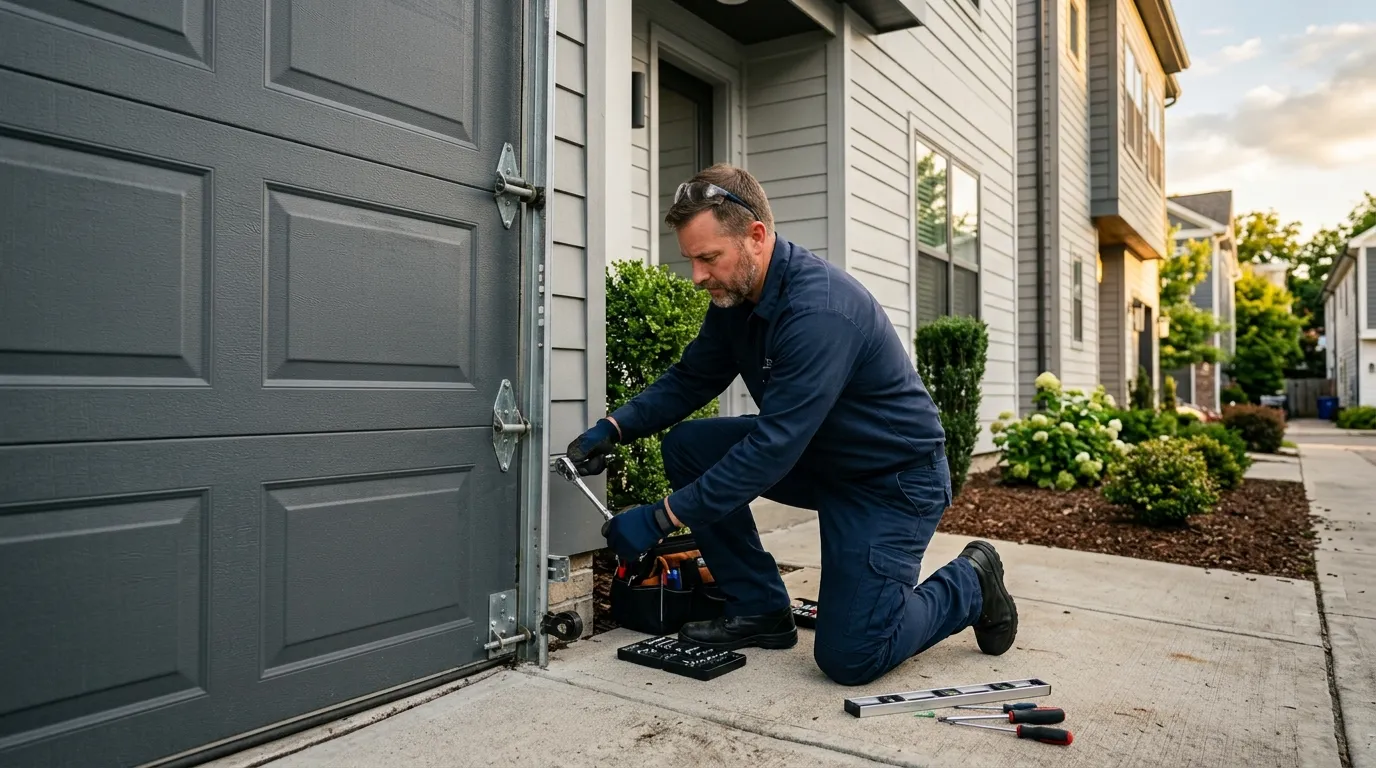
A technician tests the door under power and by hand and finds what actually failed.
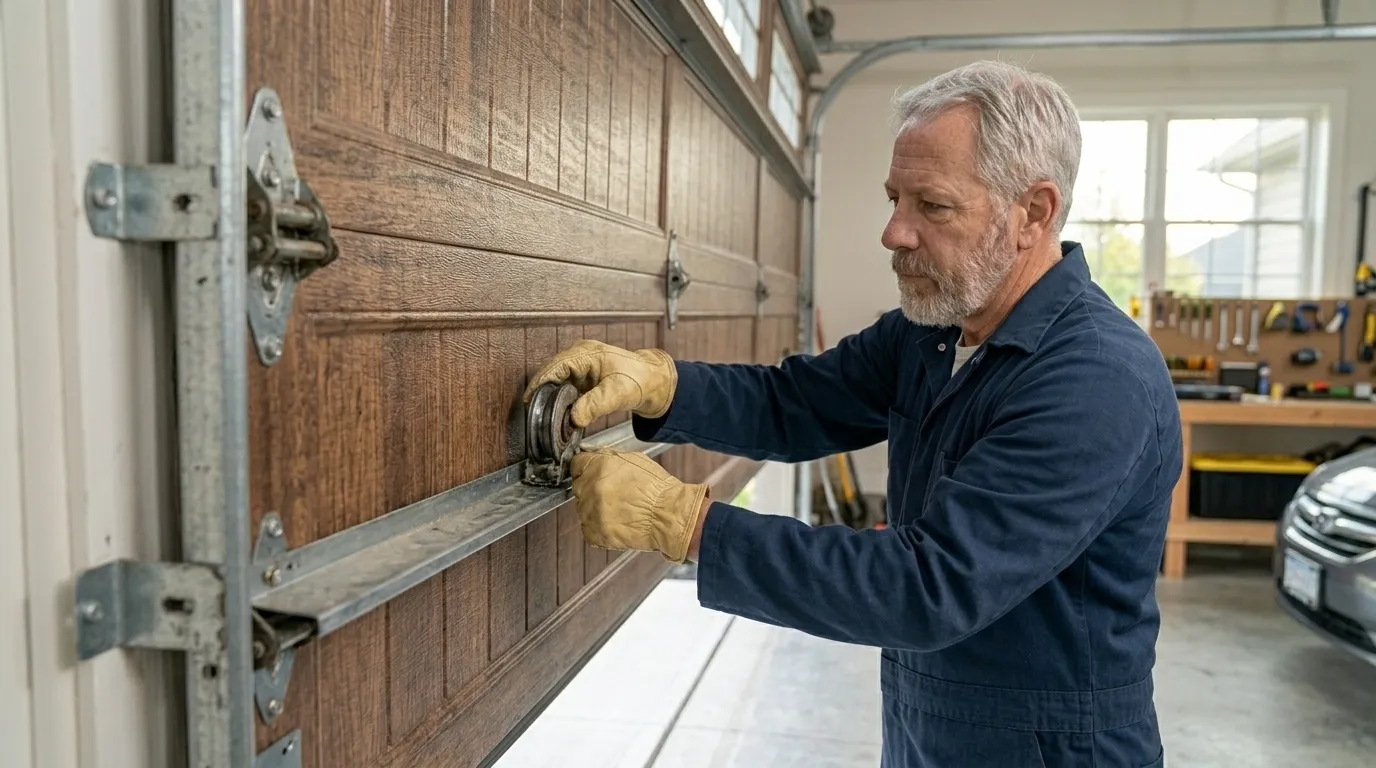
You get the fix that’s needed and what drives the cost - before any work starts.
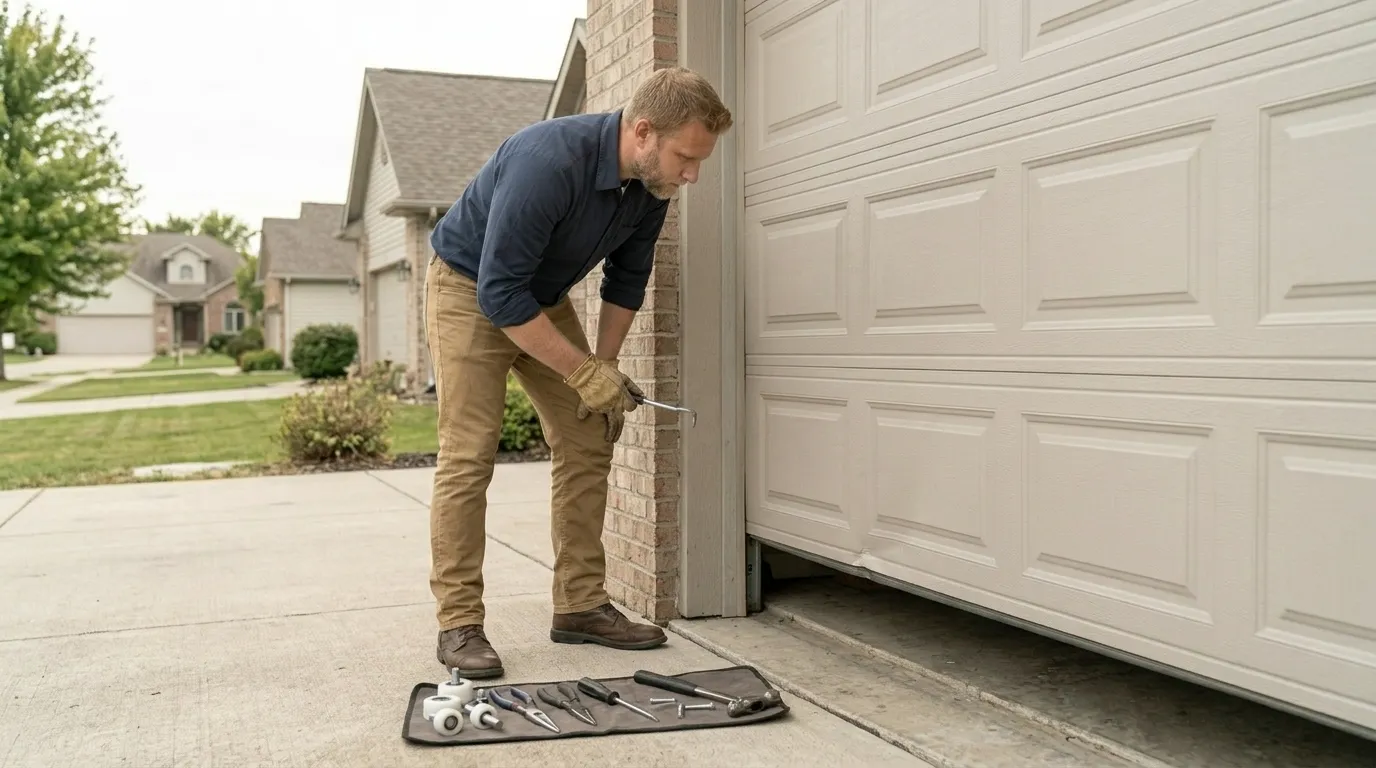
The repair is done, the door is set true and tested, and the work area left clean.
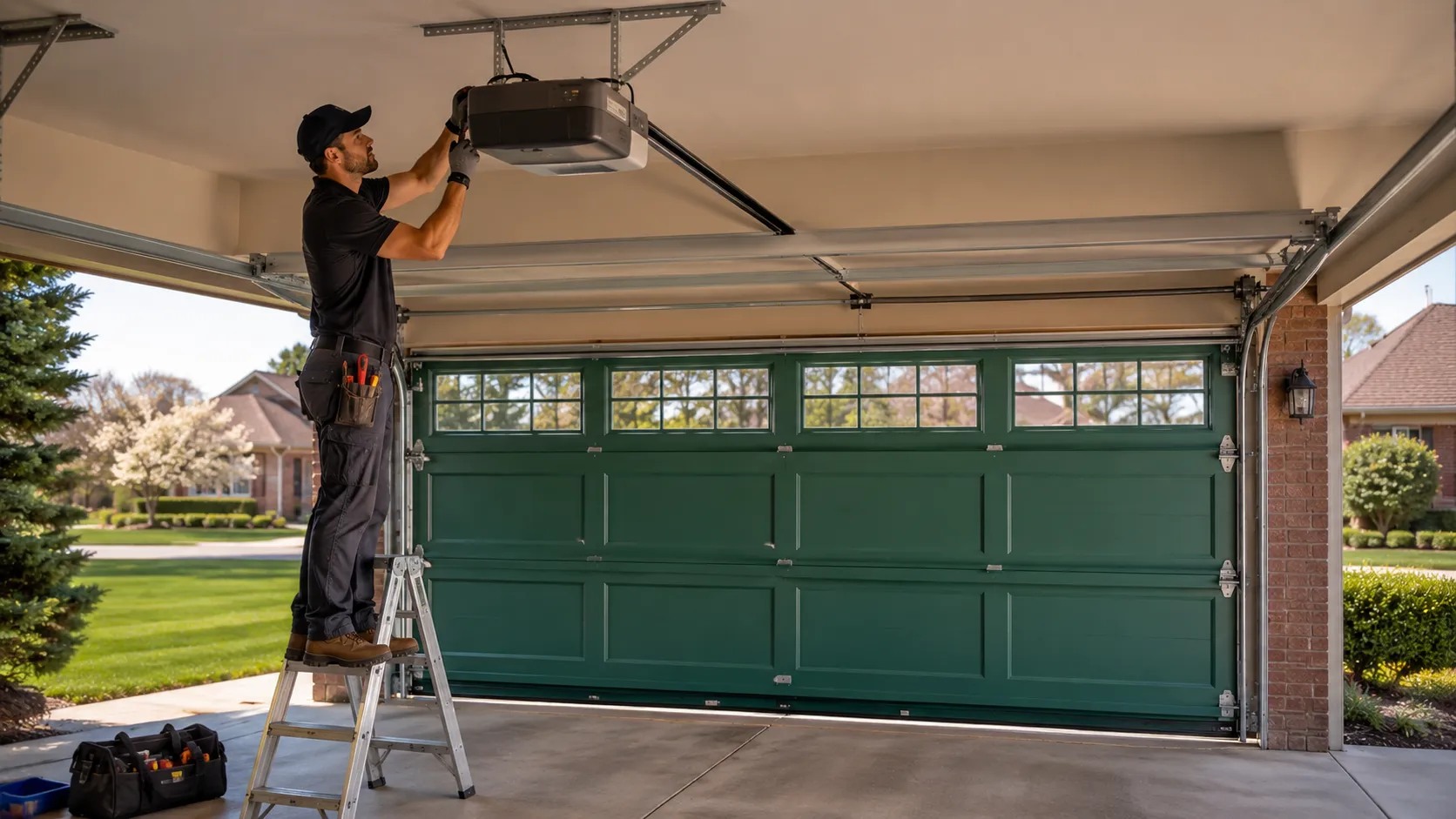
Repair, spring and opener service, and new door installation for single- and double-car home garages.
See services
Rolling steel, sectional, and dock doors serviced with the higher cycle counts of commercial use in mind.
See servicesIllustrative styles - sectional, insulated steel, carriage, and commercial doors.
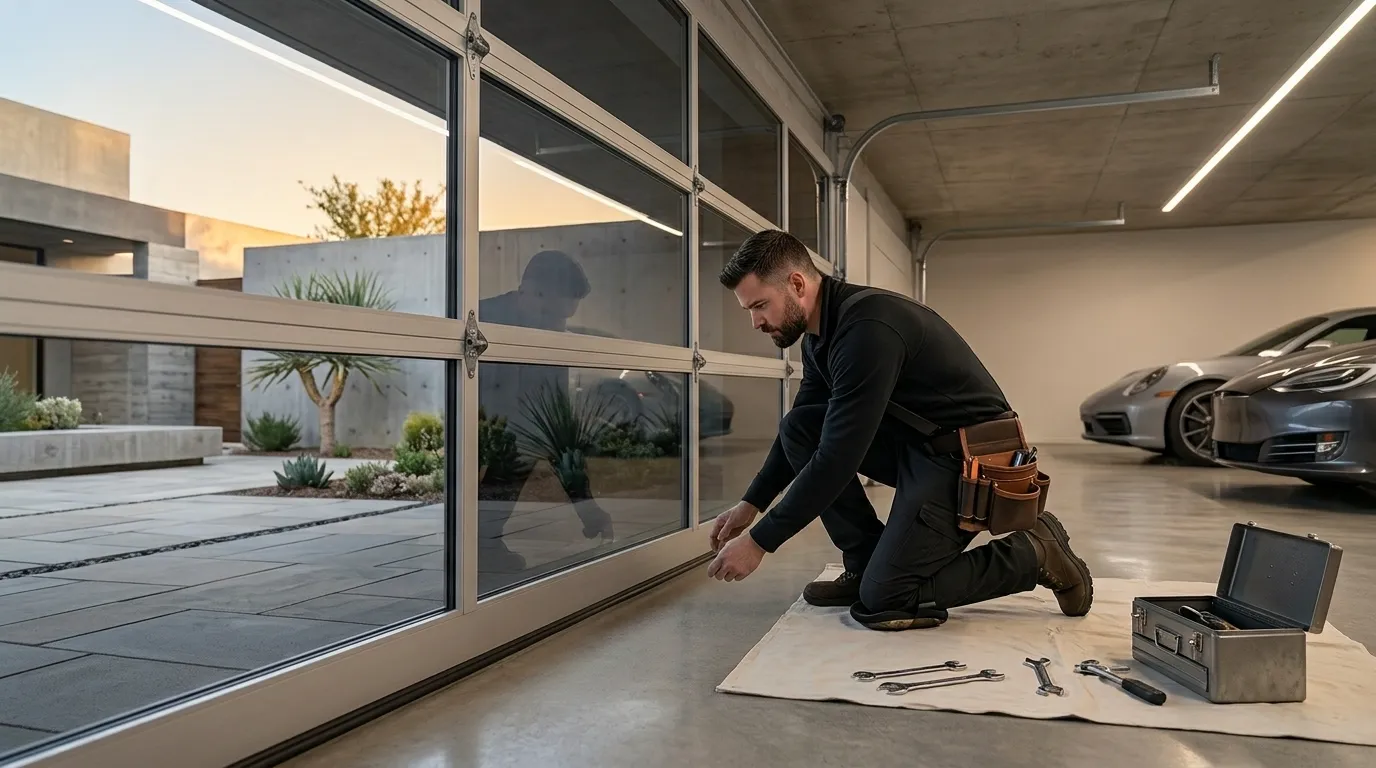
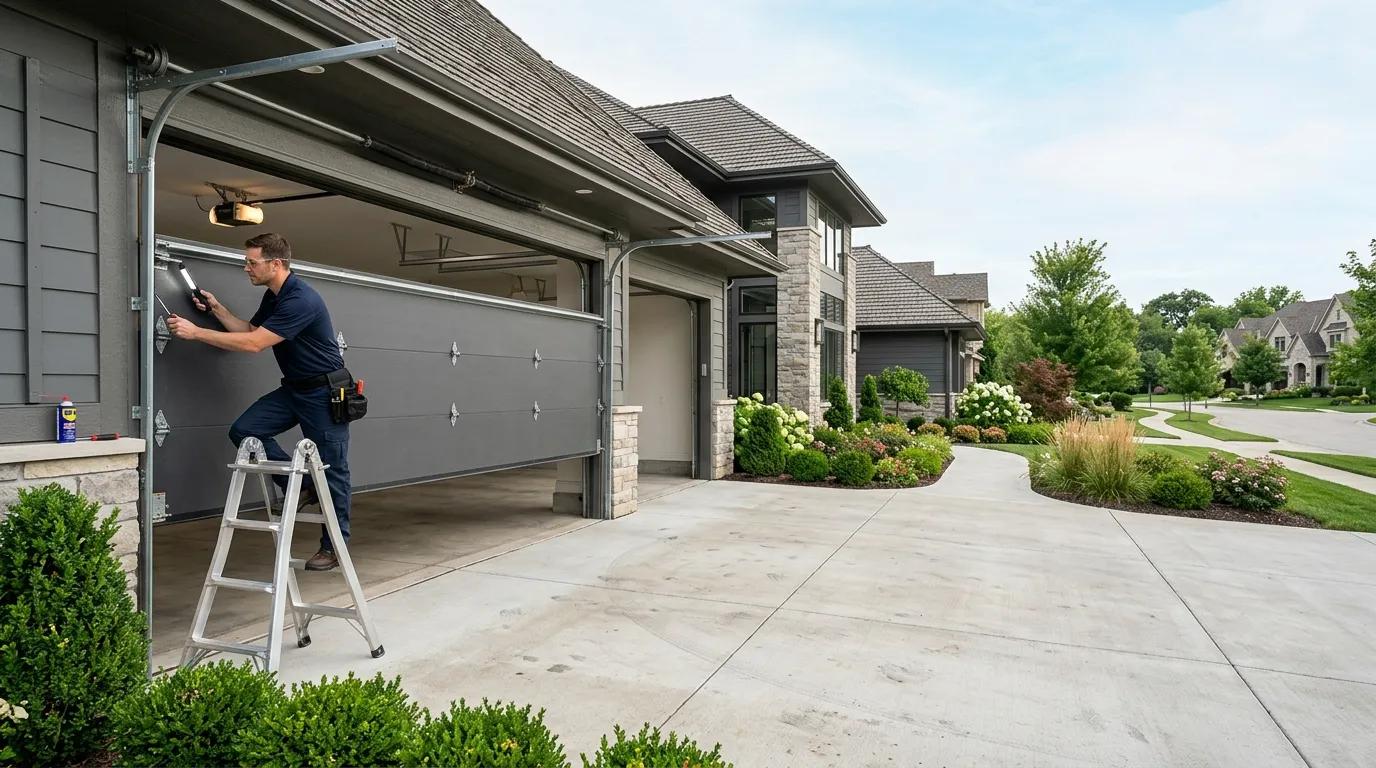
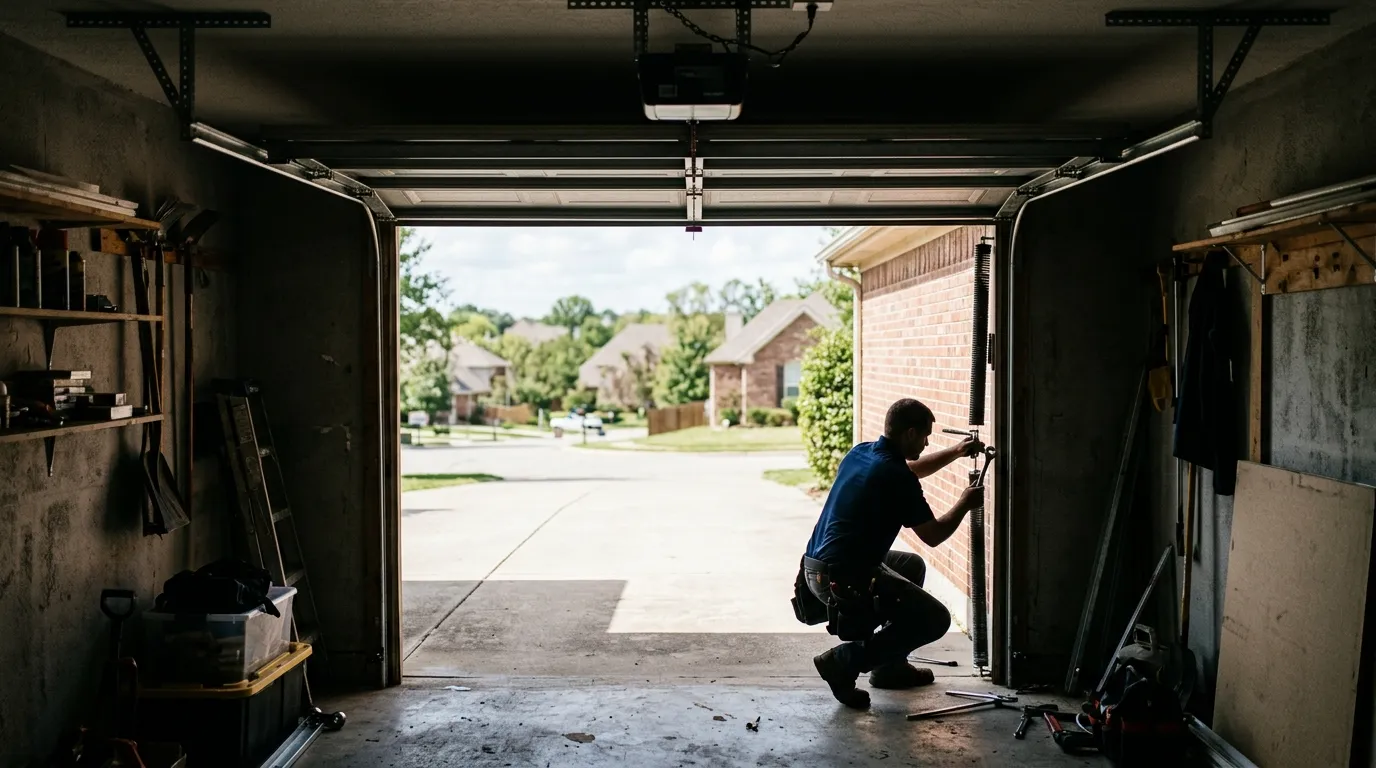
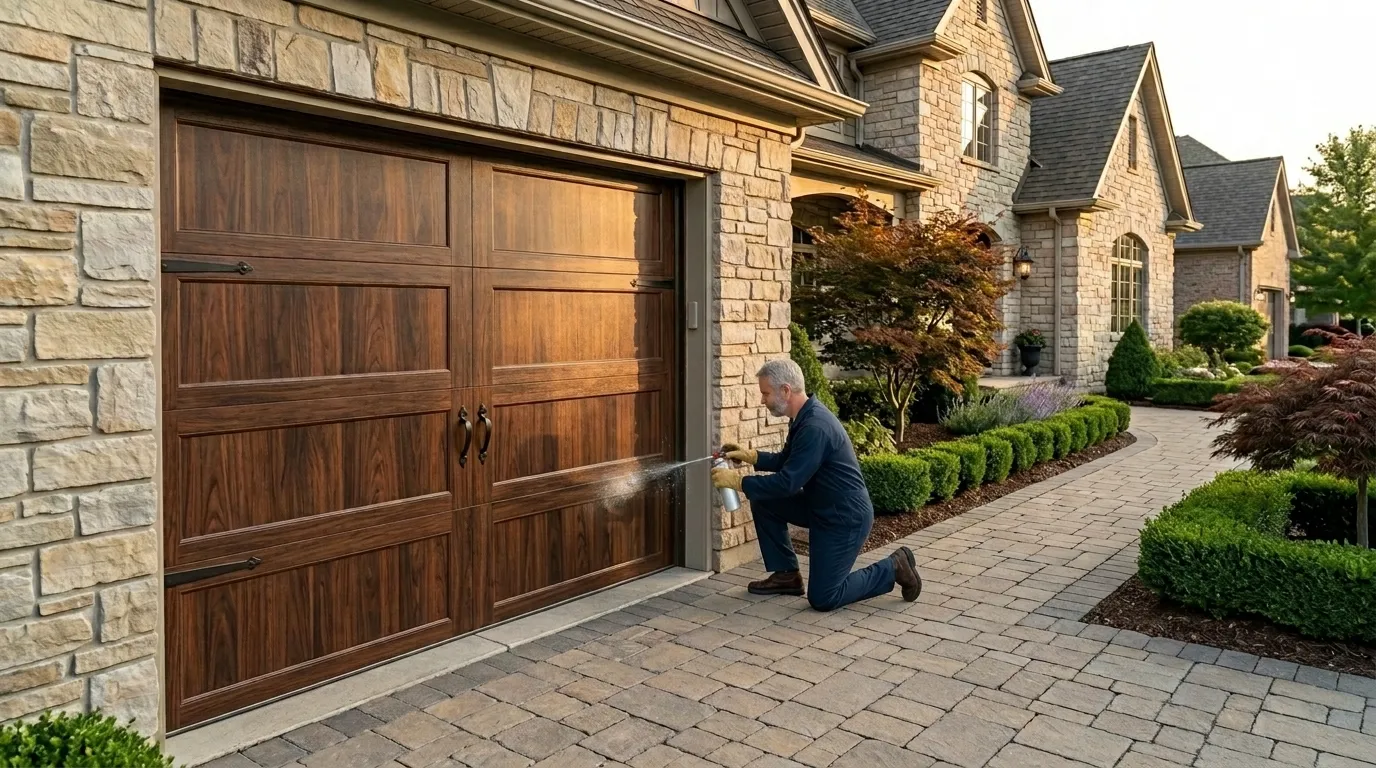
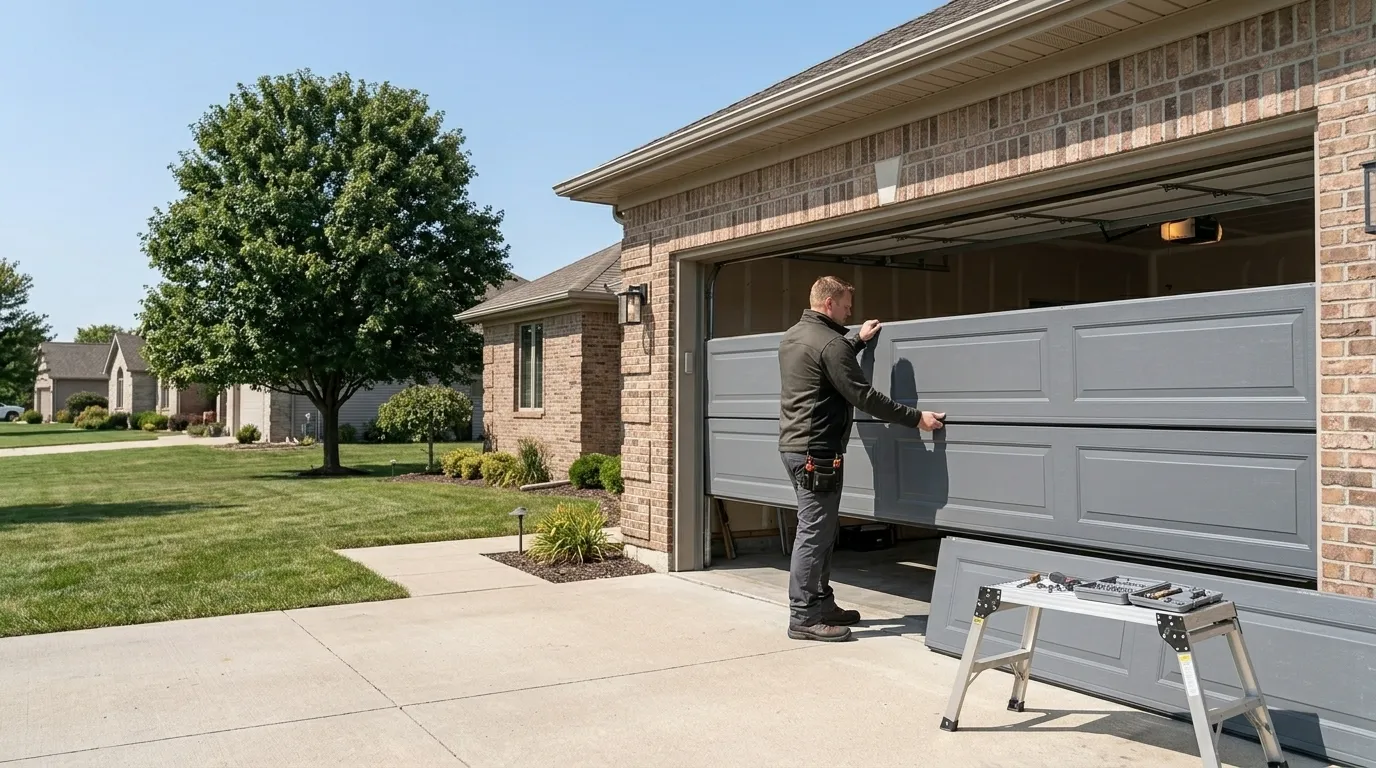
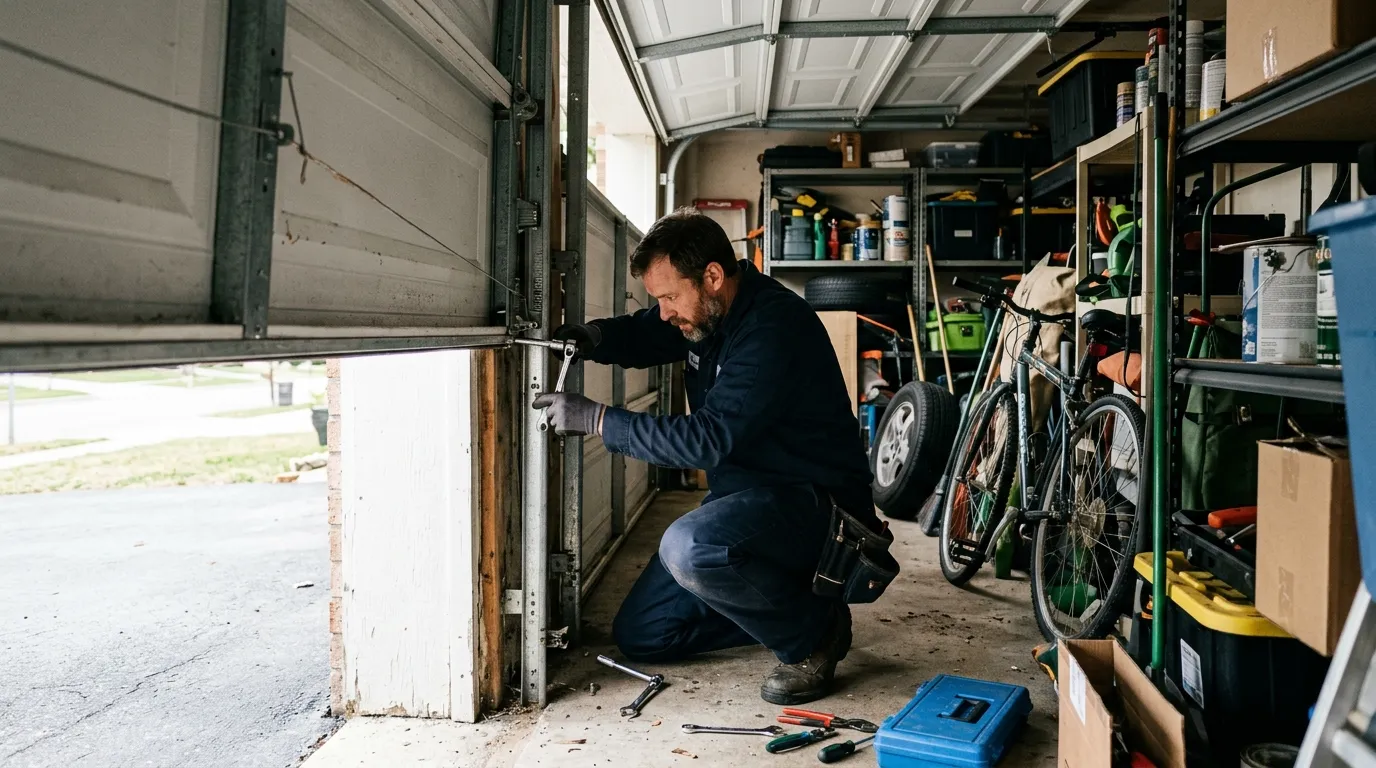
Repair and installation work for Pasadena homes and businesses.
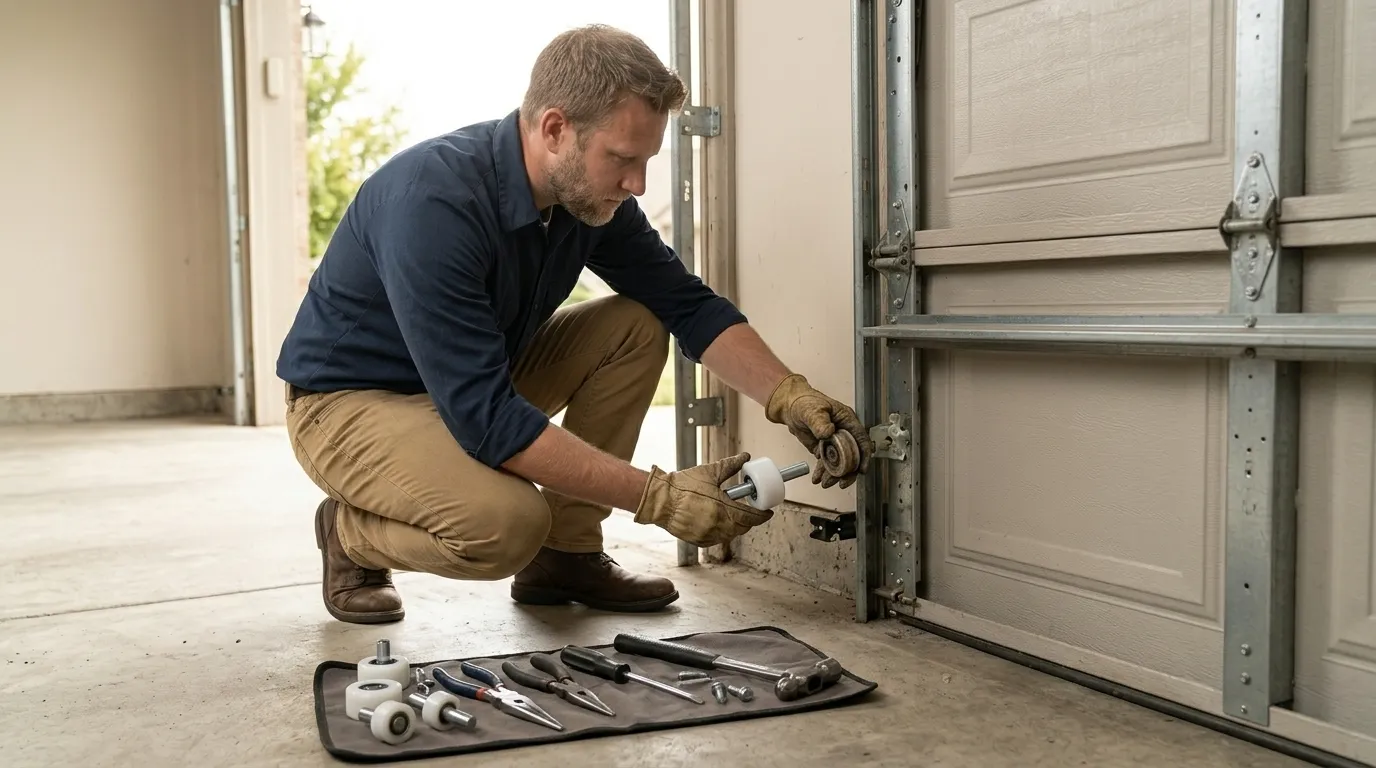
Garage door repair for Pasadena homes built mostly before 1960 - torsion springs, worn rollers, and openers that outlived their hardware. Same neighborhood, real fixes.
Learn more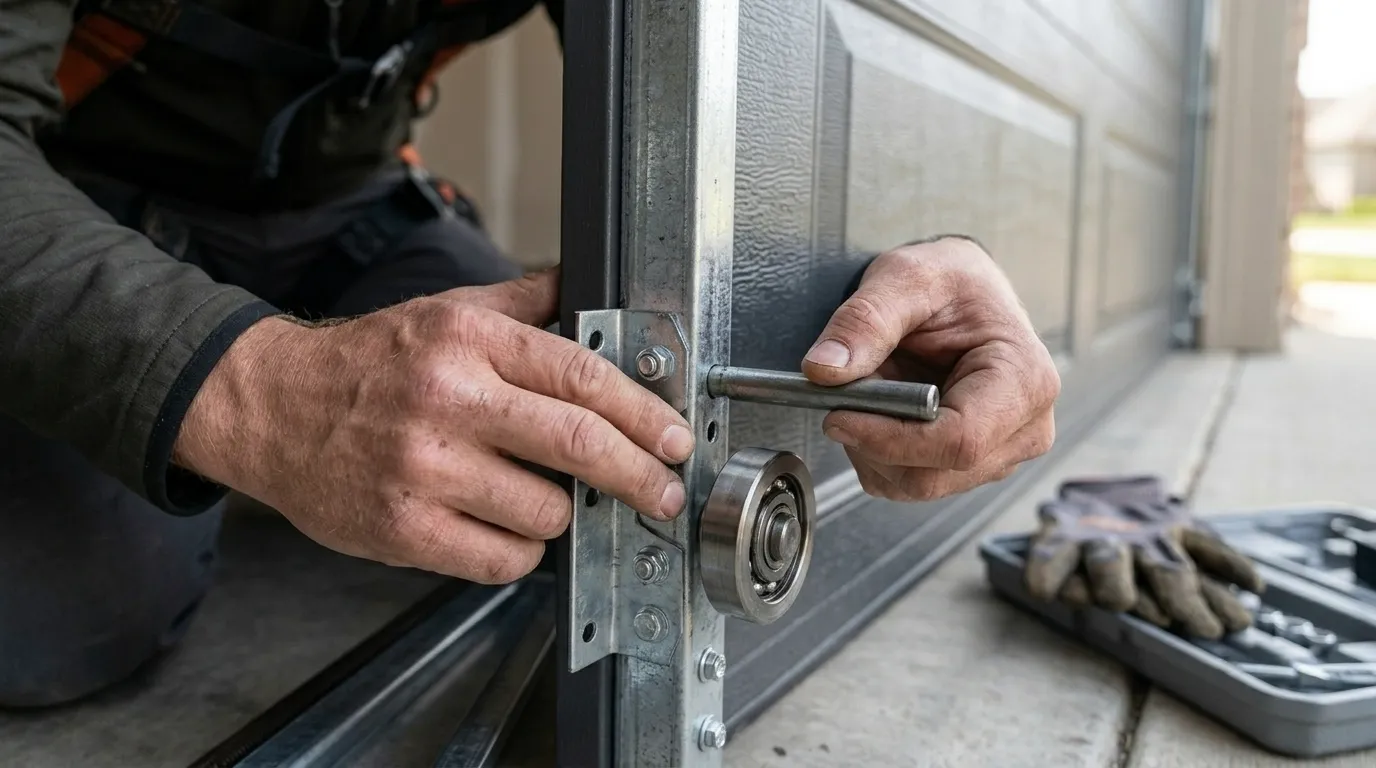
New garage door installation for Pasadena homes, most built before 1960, with hardware sized for older openings and doors that hold up in a mild coastal climate.
Learn more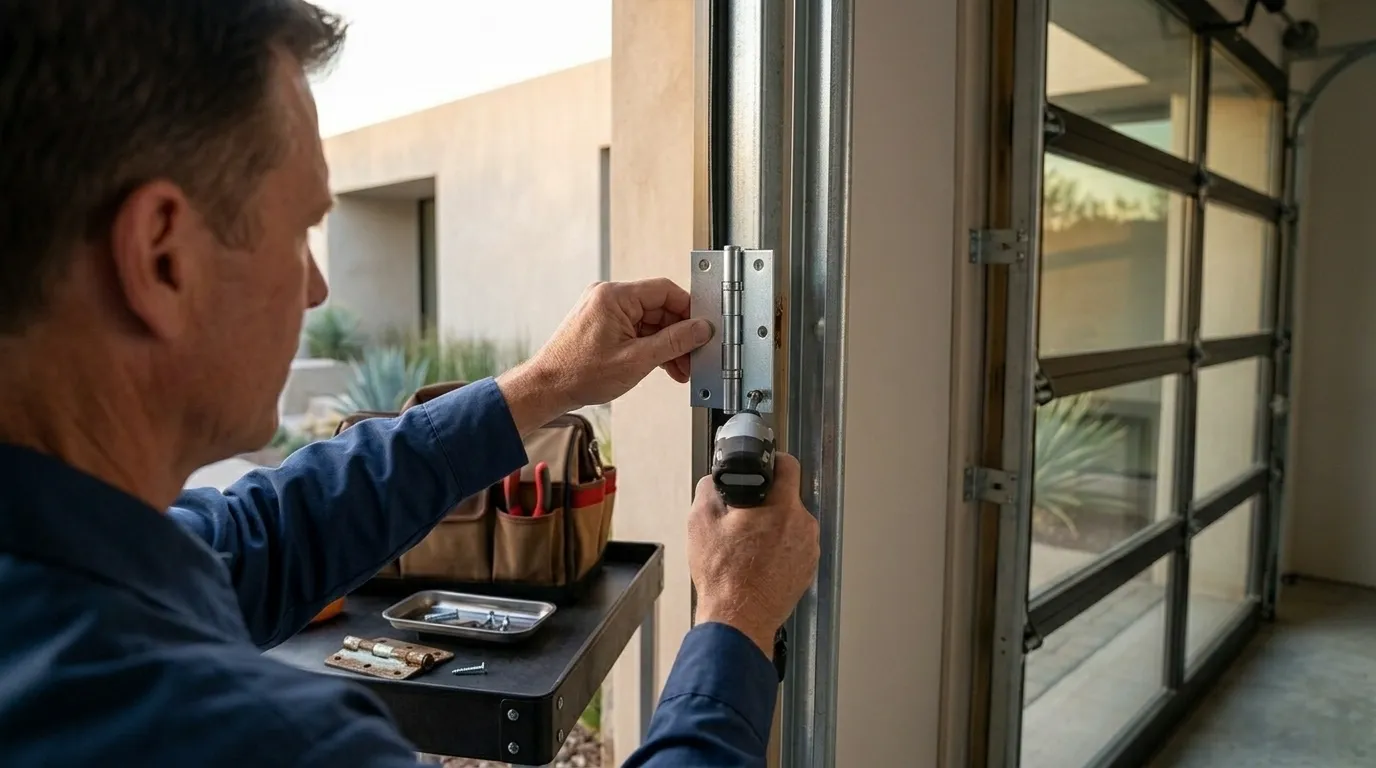
Garage door service for Pasadena homes built between 1943 and 2012 - most from the 1950s. We know the original hardware and what mild-climate age does to it.
Learn moreStraight answers about garage door repair in Pasadena. Still unsure? Ask us directly.
No. We work out of Pasadena and drive to Beverly Hills for jobs, about 16 miles each way. There's no local depot here, so scheduling accounts for the drive rather than promising an instant arrival.
If your house dates near the area's 1959 median build year and the door has never been replaced, it's likely a single-panel slab on torsion hardware sized for that specific weight - not the multi-panel insulated doors sold today. We can confirm on-site.
On older openings, the door and opener were often paired to specs that don't match current safety-reversal standards. When we replace the door, the existing opener frequently can't handle the new weight or doesn't meet current code, so both get addressed together.
Not usually. Panels from a 1959-era door aren't stocked anywhere at this point. If a panel is bent or rusted through, full door replacement is typically the more practical and cheaper route than chasing a matching part.
Tell us what it’s doing and where you are in Pasadena - we’ll take it from there.