
Do you have a shop or depot in Monterey Park?
No. We're based in Pasadena, about 8 miles away, and we drive out for scheduled jobs. We don't keep a local depot or promise a specific arrival window for this area.
Serving Monterey Park's 1963-era housing stock, 8 miles from our Pasadena base. Spring, opener, and track repair suited to this area's build years.
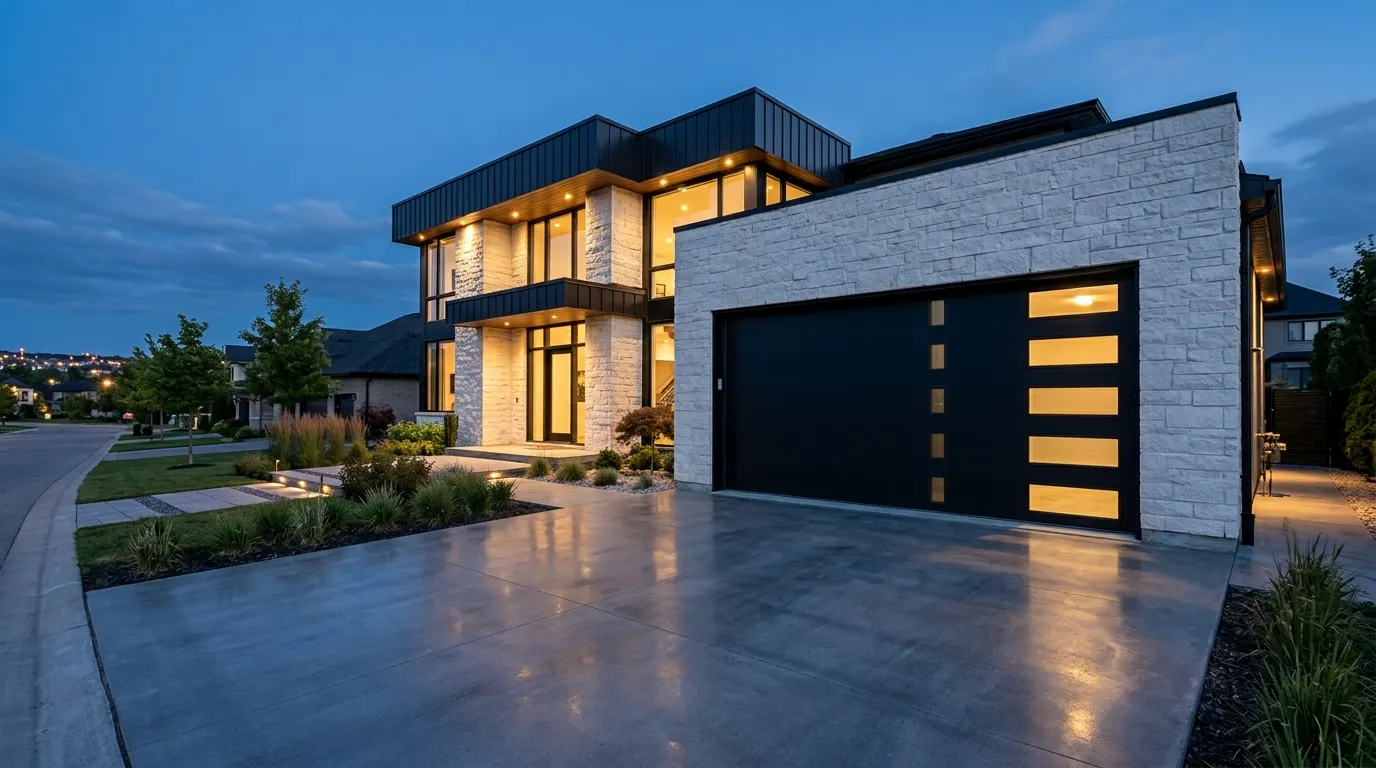
Each of these covers what the work involves for Monterey Park specifically - the housing stock, the common failures, and what drives the cost.
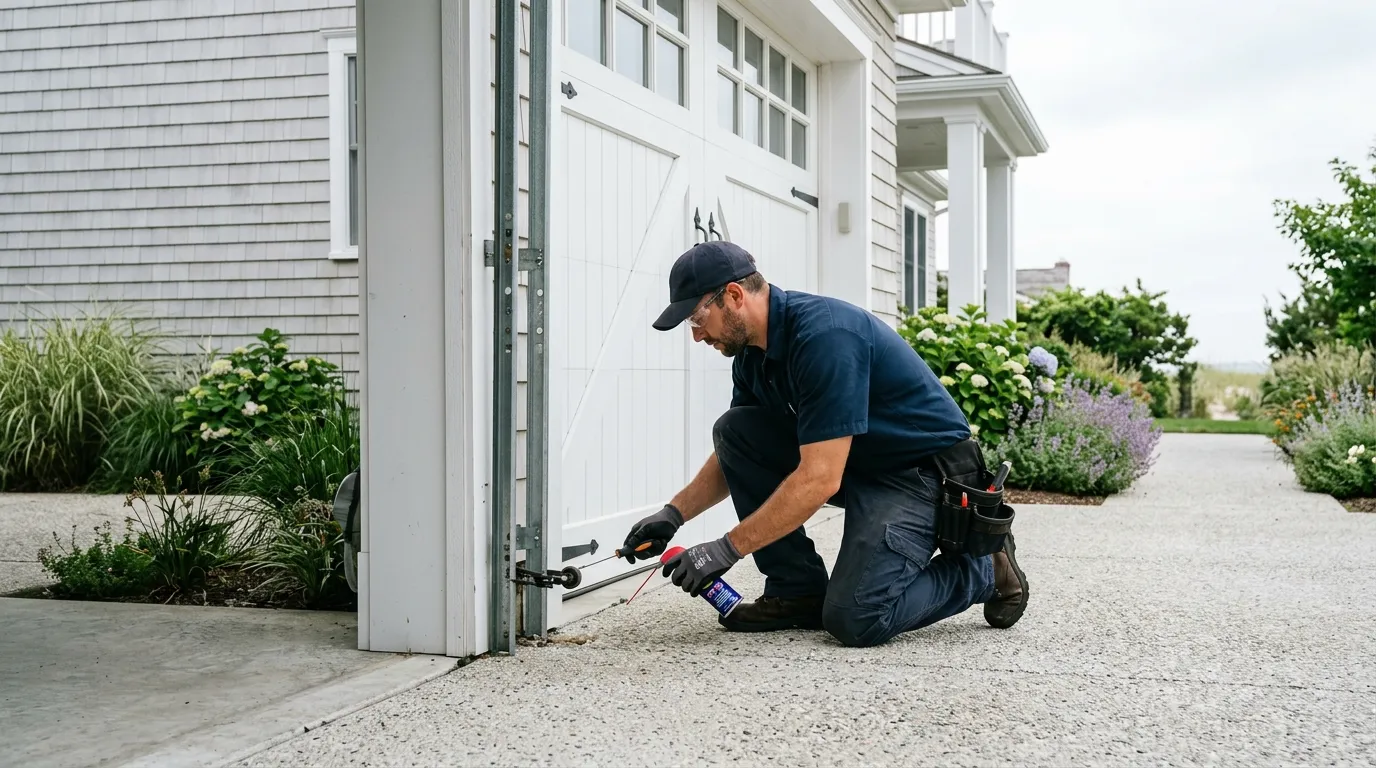
Garage door repair for Monterey Park homes built mostly in the early 1960s, priced against a $77,605 median income. We travel 8 miles from Pasadena for the call.
Learn more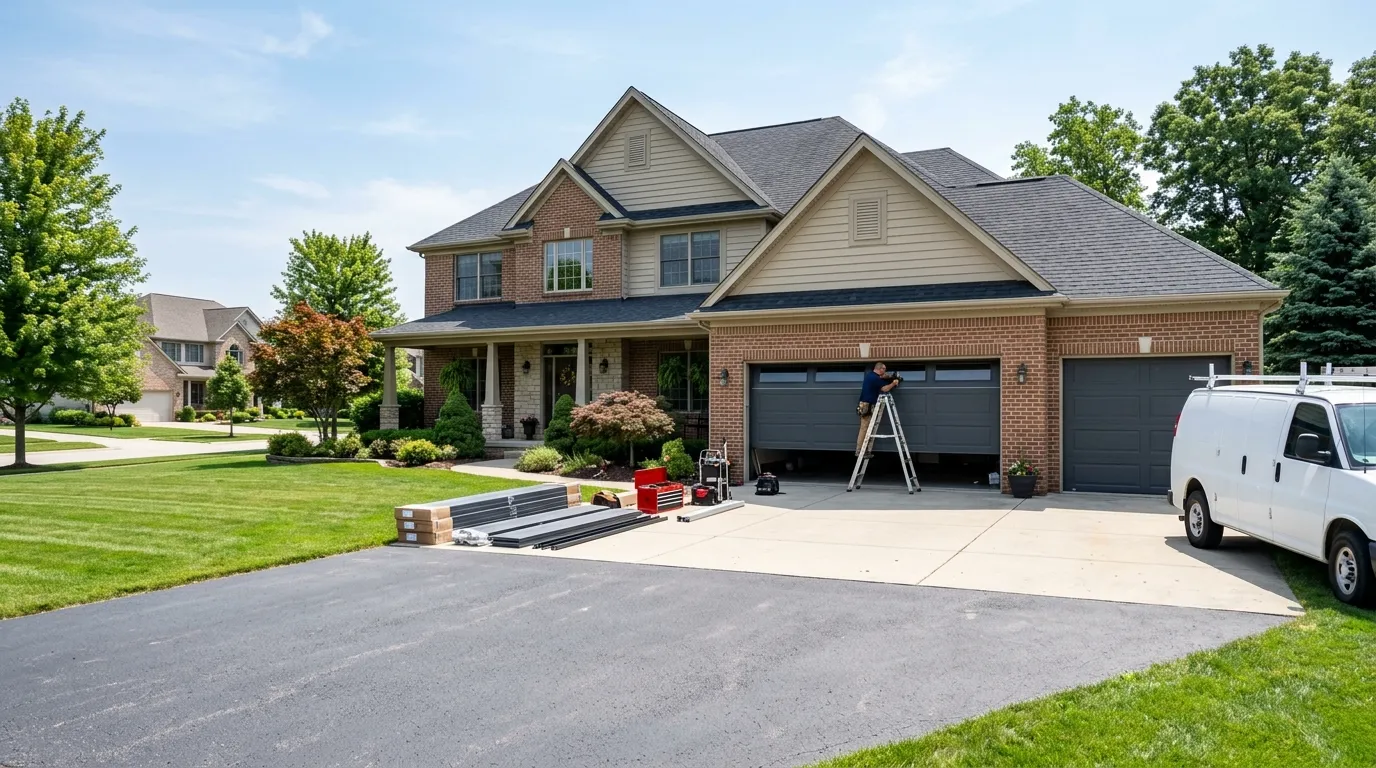
Monterey Park homes built around 1963 often carry the original single-panel steel door on undersized track. Here's what a proper replacement involves, from a crew based 8 miles away in Pasadena.
Learn more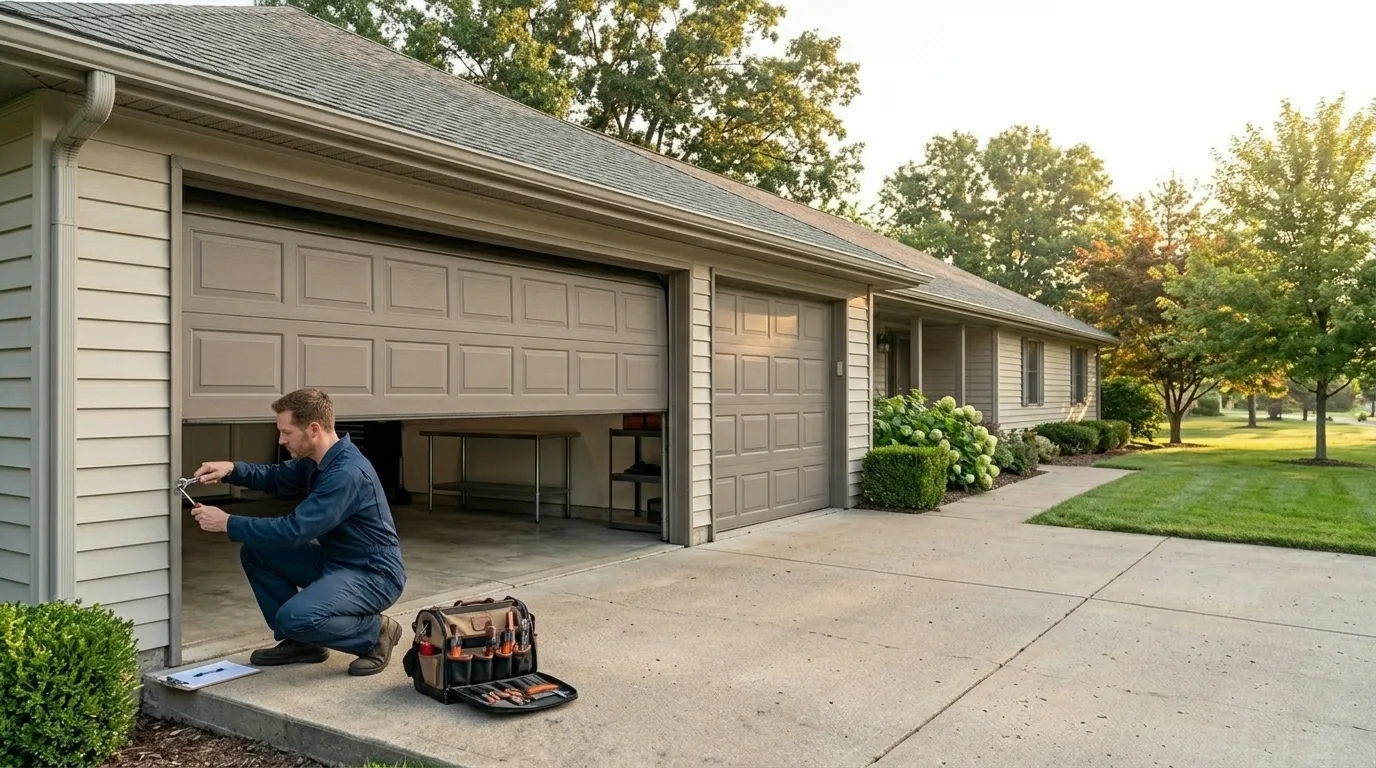
Monterey Park homes run a few years newer than Pasadena's median build year, which shifts what breaks first. We travel 8 miles from Pasadena to work on it.
Learn more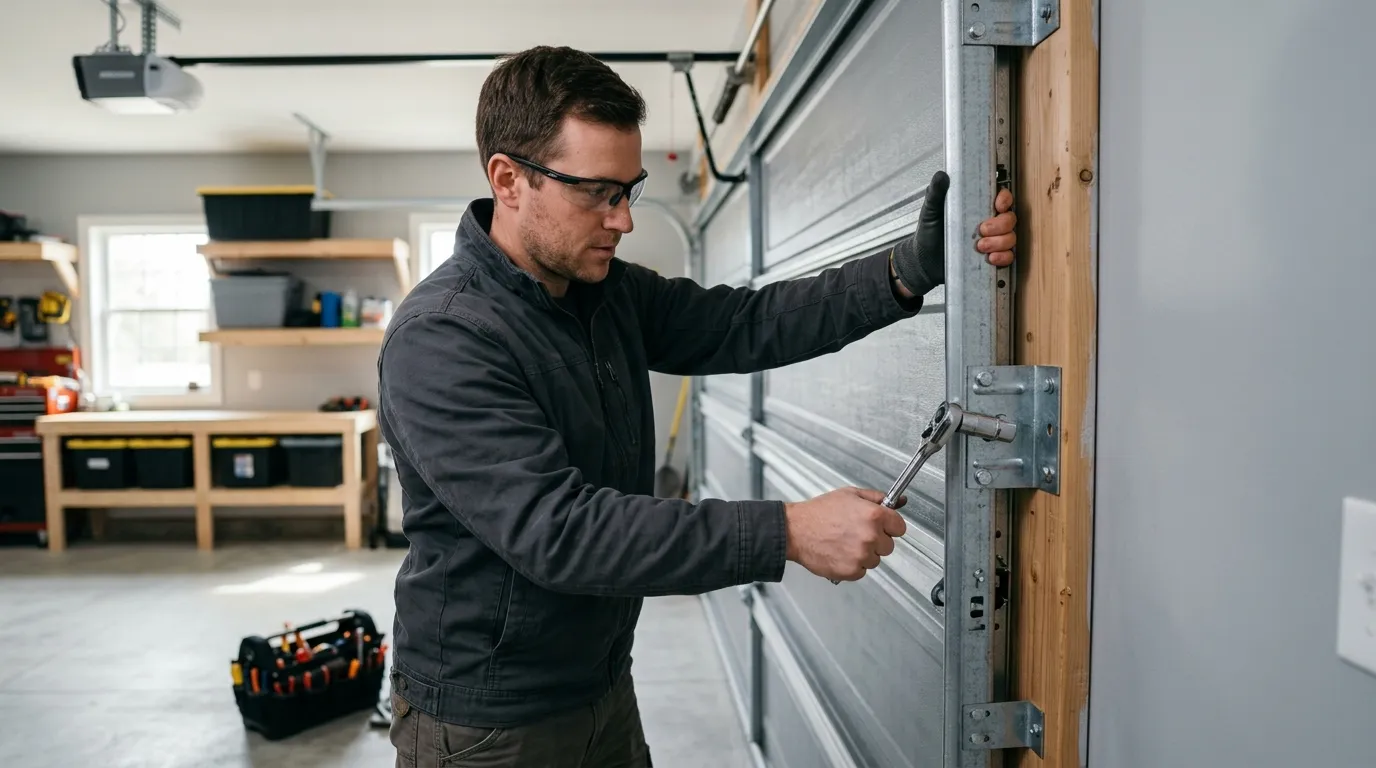
Torsion and extension spring repair for Monterey Park's 20,737 households, most built around 1963. We travel 8 miles from Pasadena to fix the spring, not sell you a door.
Learn more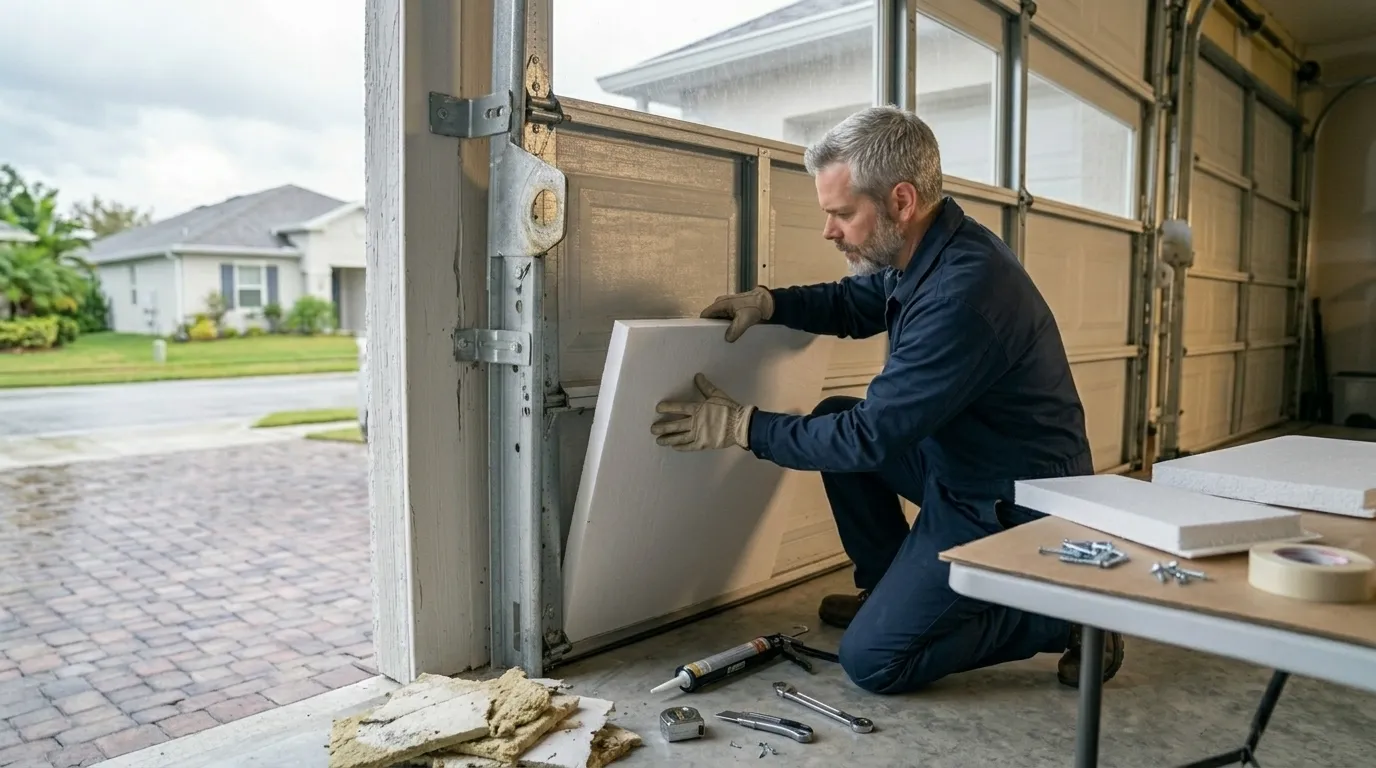
Monterey Park homes built around 1963 often still run original cable drums and pulleys. Pasadena Garage Door Pros travels 8 miles to fix frayed or snapped cables here.
Learn more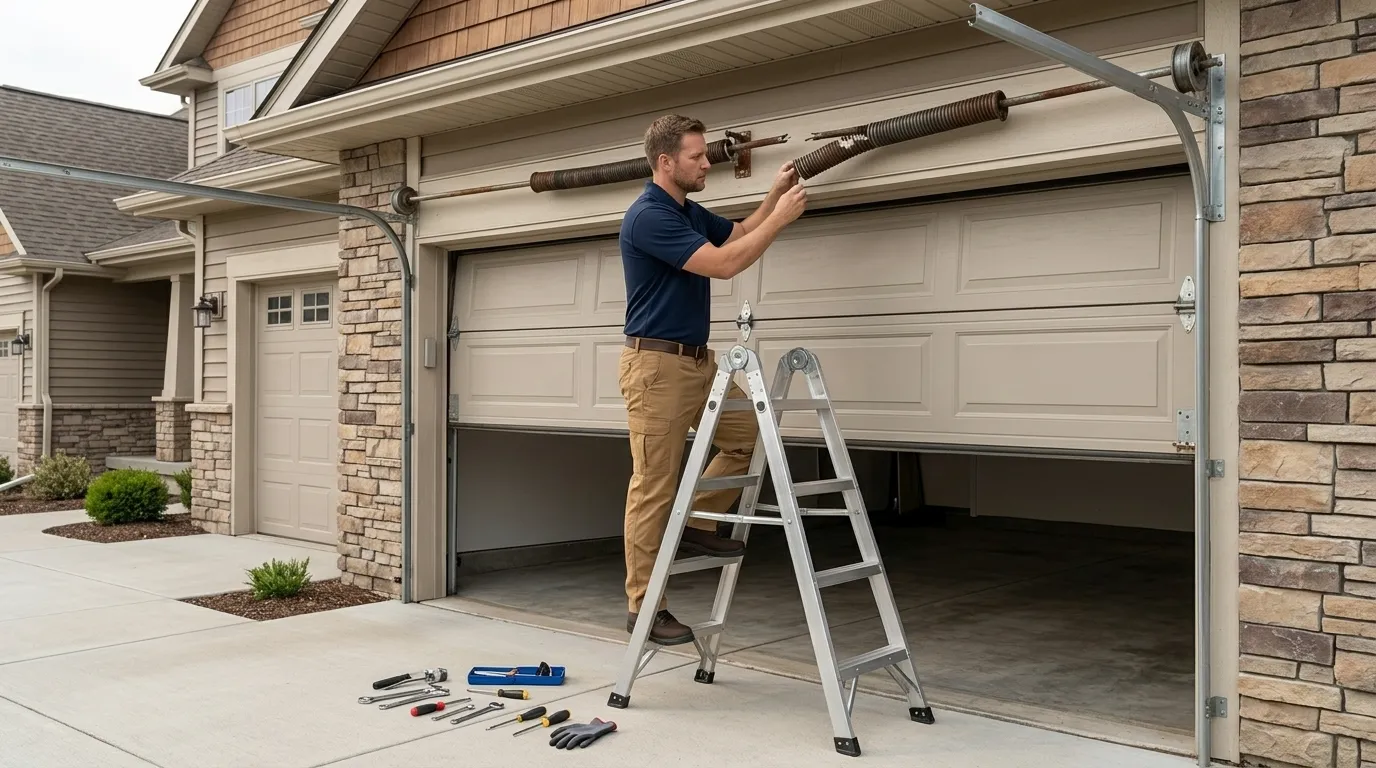
Off-track garage door repair for Monterey Park homes, most built around 1963. We travel the 8 miles from Pasadena and know what that hardware era needs.
Learn more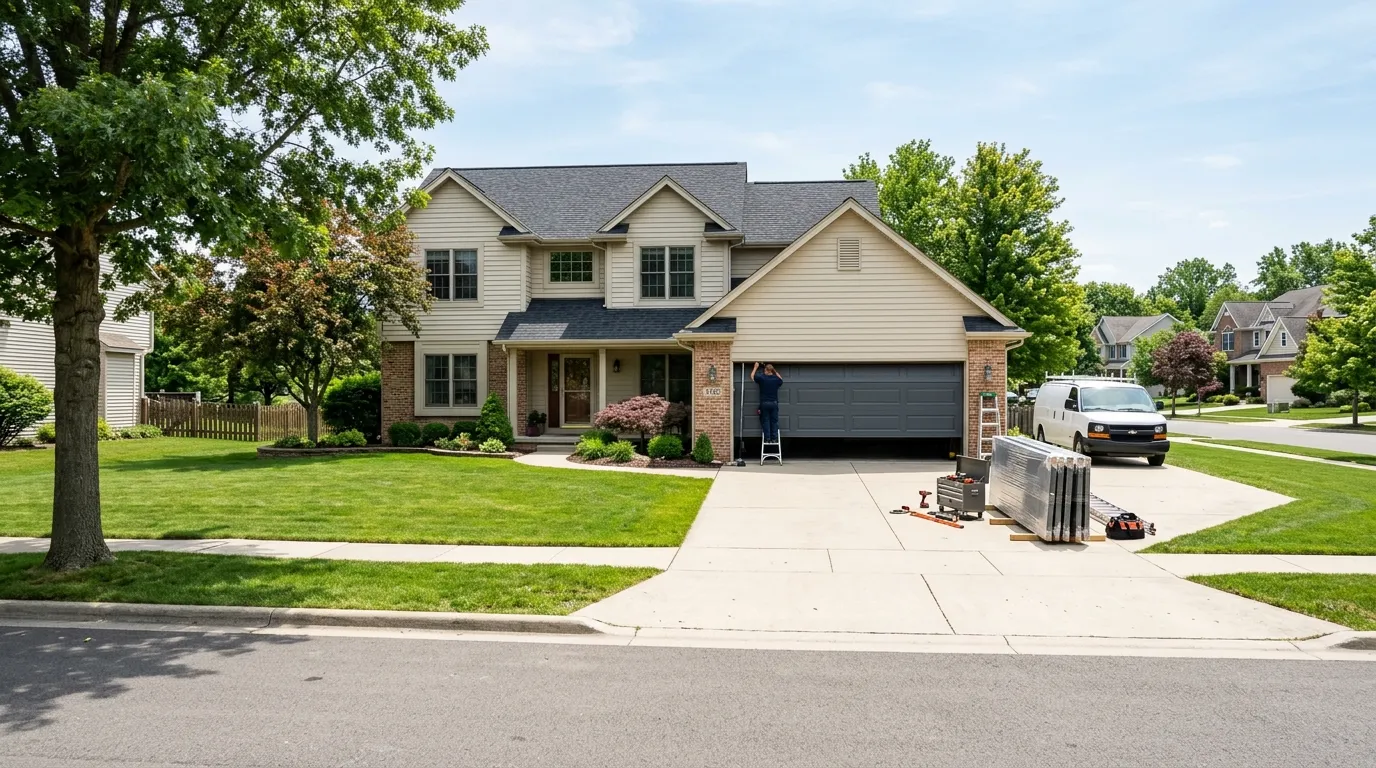
Commercial garage door repair and install for Monterey Park's 1960s-era warehouses and retail bays, serviced from Pasadena, 8 miles away.
Learn more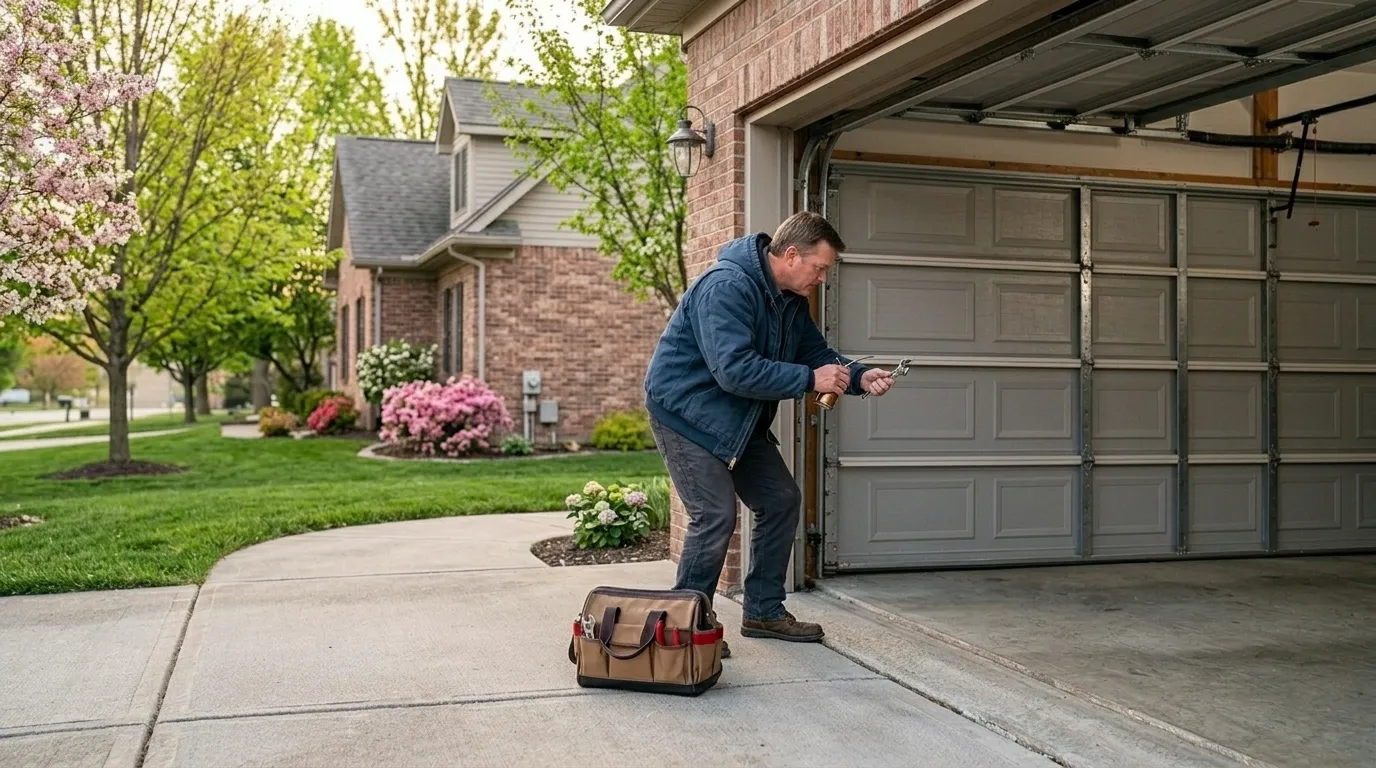
Monterey Park homes built around 1963 carry different spring and track setups than older Pasadena stock. Pasadena Garage Door Pros covers emergency calls here, 8 miles out.
Learn moreMonterey Park's housing stock centers on a median build year of 1963, a bit newer than the broader service area's 1959 median. That gap of a few years matters more than it sounds. Homes going up in the early-to-mid 1960s across this part of the Valley were more likely to get factory double-track steel doors and early extension-spring setups instead of the older wood panel doors with side-mounted torsion hardware common on pre-1950s stock. We still see plenty of original doors here that have never been swapped, just serviced piecemeal over sixty years. The result is a mixed bag: some houses have already been upgraded to modern torsion systems, others are running hardware that predates most of the parts distributors' current inventory. When we get a call from this area, we come in a few miles knowing the build era, which narrows down what's likely wrong before we even open the panel.
Given the 1963 median build year, the most common jobs we run into are worn extension springs (rather than torsion) on older doors that were never converted, and openers that are on their second or third replacement since the house was built. Rollers and hinges on doors from this era tend to be the original steel stamped hardware, which corrodes at the pivot points over decades even in this region's mild temperate climate. We also see cable fraying on the drum side, a fault that shows up more on extension-spring doors than torsion ones. It's less about storm damage and more about age: parts fatigue on a schedule, and a door built in 1963 is due for its second or third hardware refresh by now, whether or not the owner has touched it.
Because so much of Monterey Park's housing sits right around that 1963 mark, the failure patterns are consistent enough that we can guess the culprit from a phone description more often than not. A door that's suddenly heavy on one side and won't stay up is almost always a snapped extension spring on original hardware. A door that reverses on its own partway down is usually a worn sensor or a track that's shifted slightly out of plumb after decades of settling. One honest limitation: if the opener or track is original to a 1963 install, we sometimes can't source an exact replacement part, and the more sensible fix is a full opener swap rather than chasing obsolete hardware. We'll tell you that up front rather than billing for a repair that won't hold.
Describe the symptom - won’t open, loud bang, opener runs but the door won’t move.
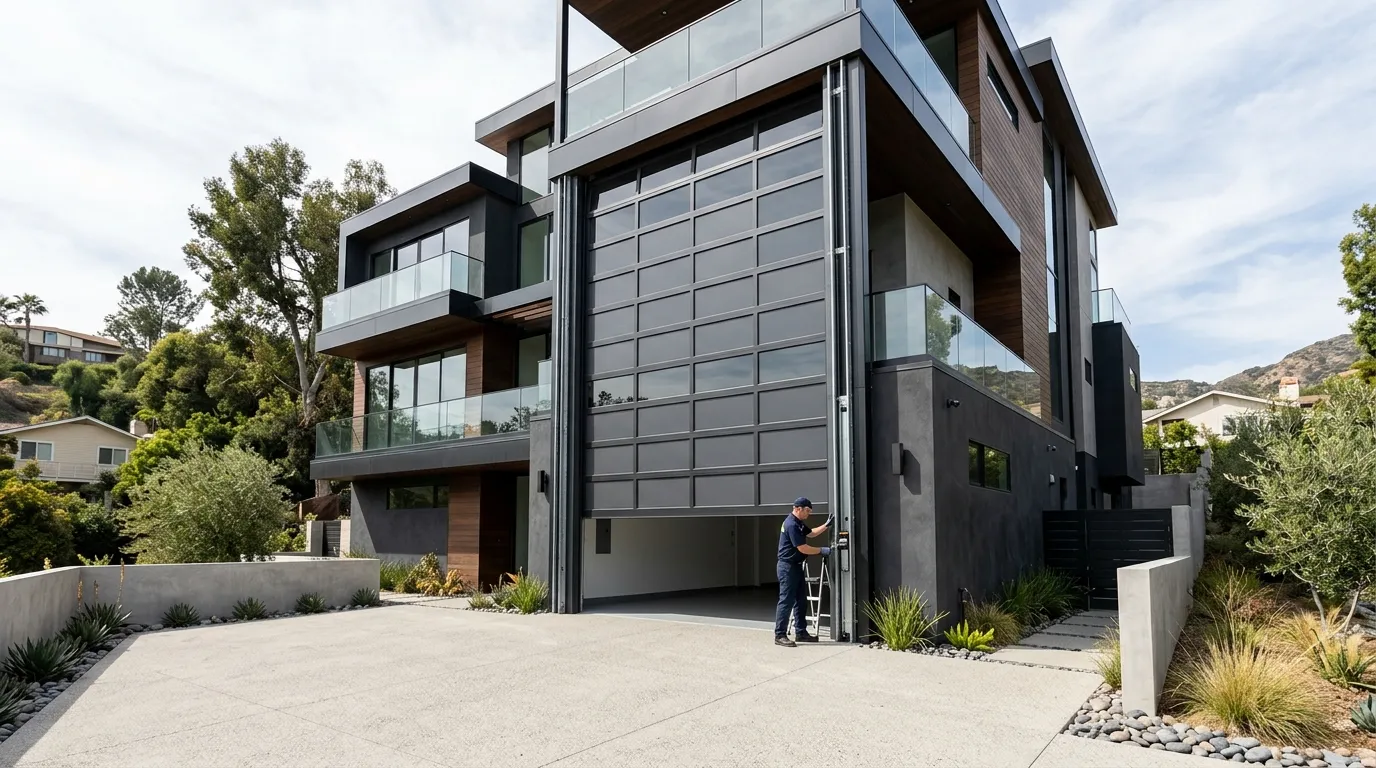
A technician tests the door under power and by hand and finds what actually failed.
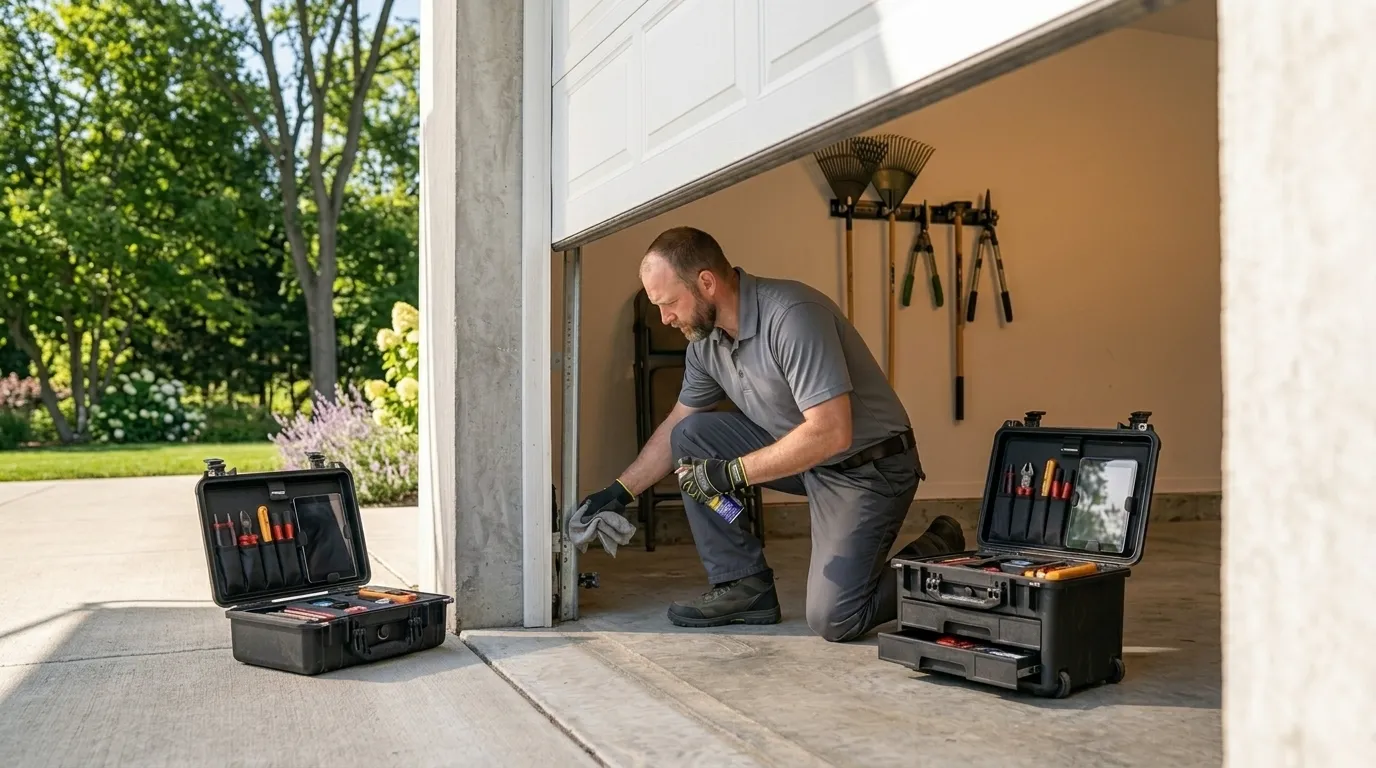
You get the fix that’s needed and what drives the cost - before any work starts.
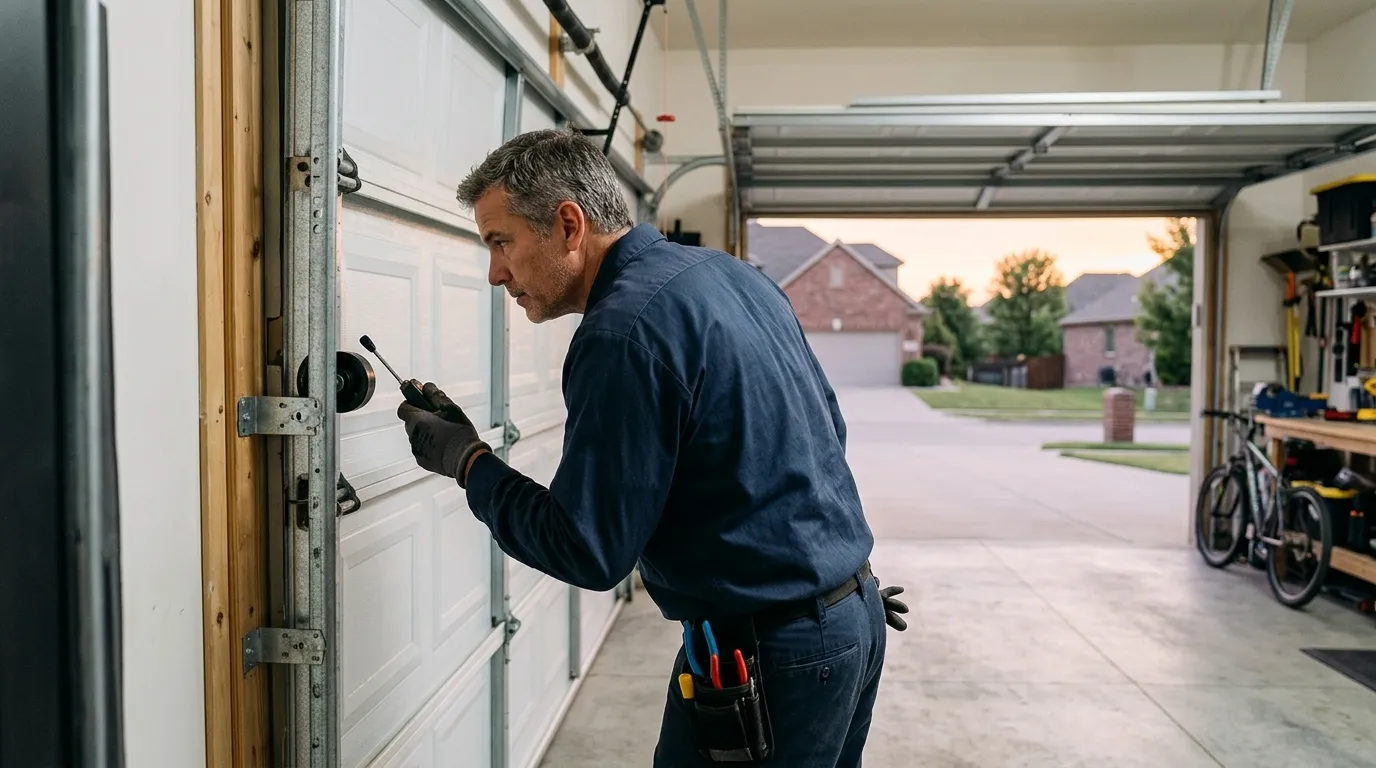
The repair is done, the door is set true and tested, and the work area left clean.
Illustrative styles - sectional, insulated steel, carriage, and commercial doors.
Straight answers about garage door repair in Pasadena. Still unsure? Ask us directly.
No. We're based in Pasadena, about 8 miles away, and we drive out for scheduled jobs. We don't keep a local depot or promise a specific arrival window for this area.
Doors built around 1963, which matches the median build year here, often ran extension springs and steel drum hardware instead of the torsion bar systems standard in newer construction. The mounting points and cable routing differ, so a torsion-era part usually won't just bolt on.
Sometimes the motor itself is fine but the logic board or safety sensors are the failure point, and those parts can be hard to source for a unit that old. If we can't get a matching part, we'll say so and quote a full replacement instead of stringing along a repair.
Tell us what it’s doing and where you are in Pasadena - we’ll take it from there.