
Do you have a location in Monterey Park?
No. We run out of Pasadena, about 8 miles away, and Monterey Park is a regular stop on our route through this part of the Valley. There's no local branch, but the drive doesn't change how a job gets handled.
Commercial garage door repair and install for Monterey Park's 1960s-era warehouses and retail bays, serviced from Pasadena, 8 miles away.
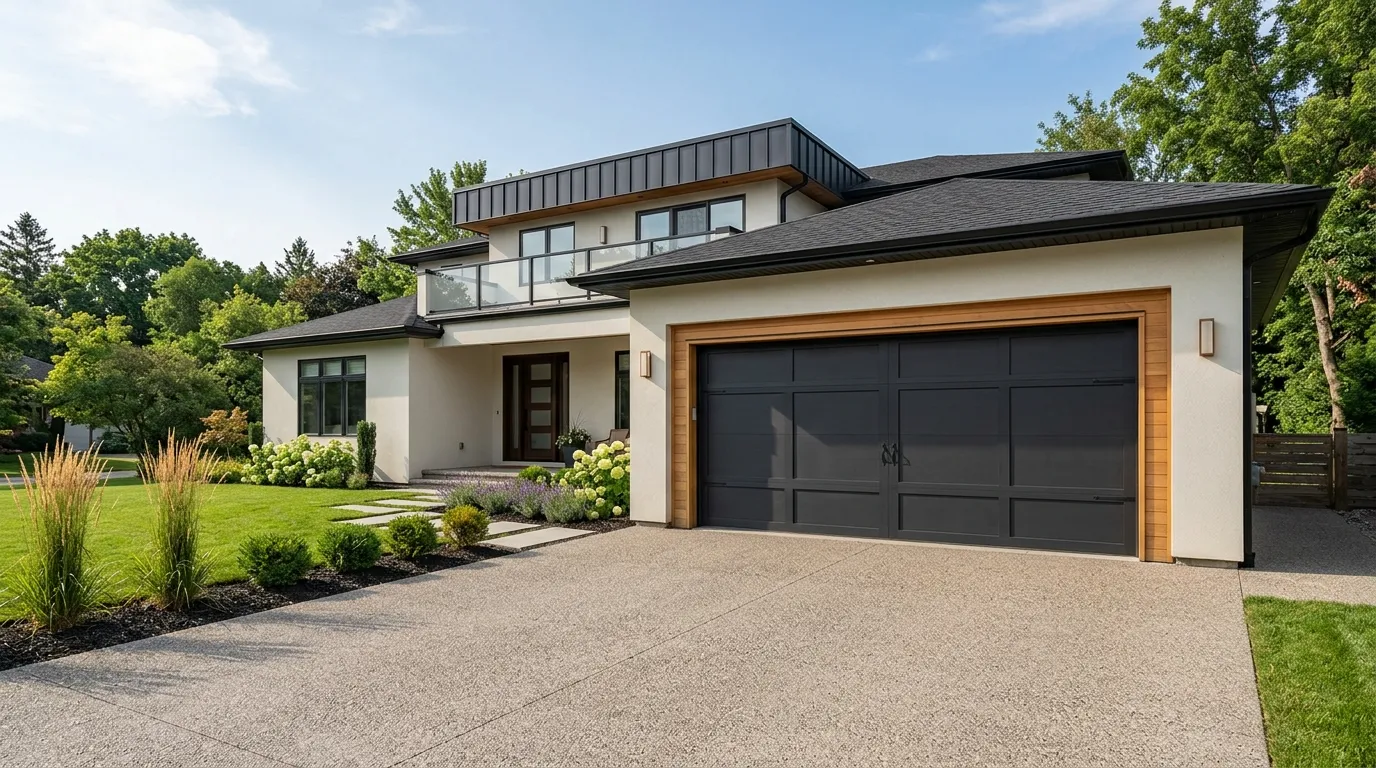
Most commercial buildings in Monterey Park went up around 1963, the same wave that built out this stretch of the Valley. That means a lot of the rollup doors on warehouses, auto shops, and strip-mall loading bays are steel slat or ribbed-panel doors sized for the smaller bay openings common to that era - 10 or 12 feet wide, not the 14-foot clearances you see on newer light-industrial builds. The tracks are usually galvanized steel bolted to block or tilt-up concrete, and on a building that old the anchoring hardware has often been swapped once already by whoever owned the place before. Add a jackshaft or chain-hoist operator retrofitted decades after the door itself went in, and you get a mismatch between door weight and motor torque that shows up as slow cycling or a motor that runs hot. This isn't a Pasadena problem or a generic commercial-door problem - it's what you get when a whole commercial corridor was built in a five-year window and never fully modernized since. Any tech coming out has to size the fix to the building's actual age, not to what a spec sheet from this decade assumes is standard.
On a 1963-era rollup, the failure usually starts at the slat seams or the guide track welds, not the spring - sixty years of thermal cycling loosens the rivets long before the torsion hardware gives out, even in this region's mild temperate climate. You'll notice the door racking sideways in the track, a grinding sound as it climbs, or a chain hoist that skips a link under load. On tilt-up concrete buildings, the track brackets sometimes work loose from the wall over time, which shows up as a door that shudders near the top of its travel. None of this is dramatic until it is: a door that's been racking for months can jump the track entirely and jam mid-cycle, which for a loading bay means a truck sitting outside until someone gets it open. Because Monterey Park sits about 8 miles from our shop in Pasadena, a call here isn't a same-block walk-over - we plan the visit, bring the parts we expect the building's age to need, and go.
A commercial rollup door is not a homeowner project, and we'll say that plainly: the slats are heavier gauge, the springs carry more load, and a torsion spring on a door this size can put someone in the hospital if it lets go while unsecured. What an owner or maintenance person can safely do is watch for the early signs - a door that's started to lean in the track, a chain that jumps, a motor that runs longer than it used to for the same cycle - and call before the door jams mid-travel. Lubricating rollers and hinges with a light oil is fine. Adjusting spring tension, replacing cable, or realigning a track that's pulled loose from tilt-up concrete is not a weekend job, especially on hardware that's been in place since the 1960s and may not match anything sold new today.
On a building from this era, the honest first step is usually matching parts, not swapping them blind - track brackets, roller sizes, and spring wind on a 1963-era commercial door don't always match what's on the shelf, so a tech may need to source or adapt hardware rather than grab a stock replacement. If the slats themselves are heavily corroded or the track brackets have pulled out of the concrete more than once, replacement often costs less over a few years than repeated patch repairs - that's a call we'll make with you, not for you. Where the door and opener are basically sound, most jobs are a spring, cable, roller, or track alignment, done on site without pulling the whole door. We don't stock every obsolete commercial part on the truck for every visit; if a building needs something unusual, we'll tell you that up front rather than pad the invoice guessing.
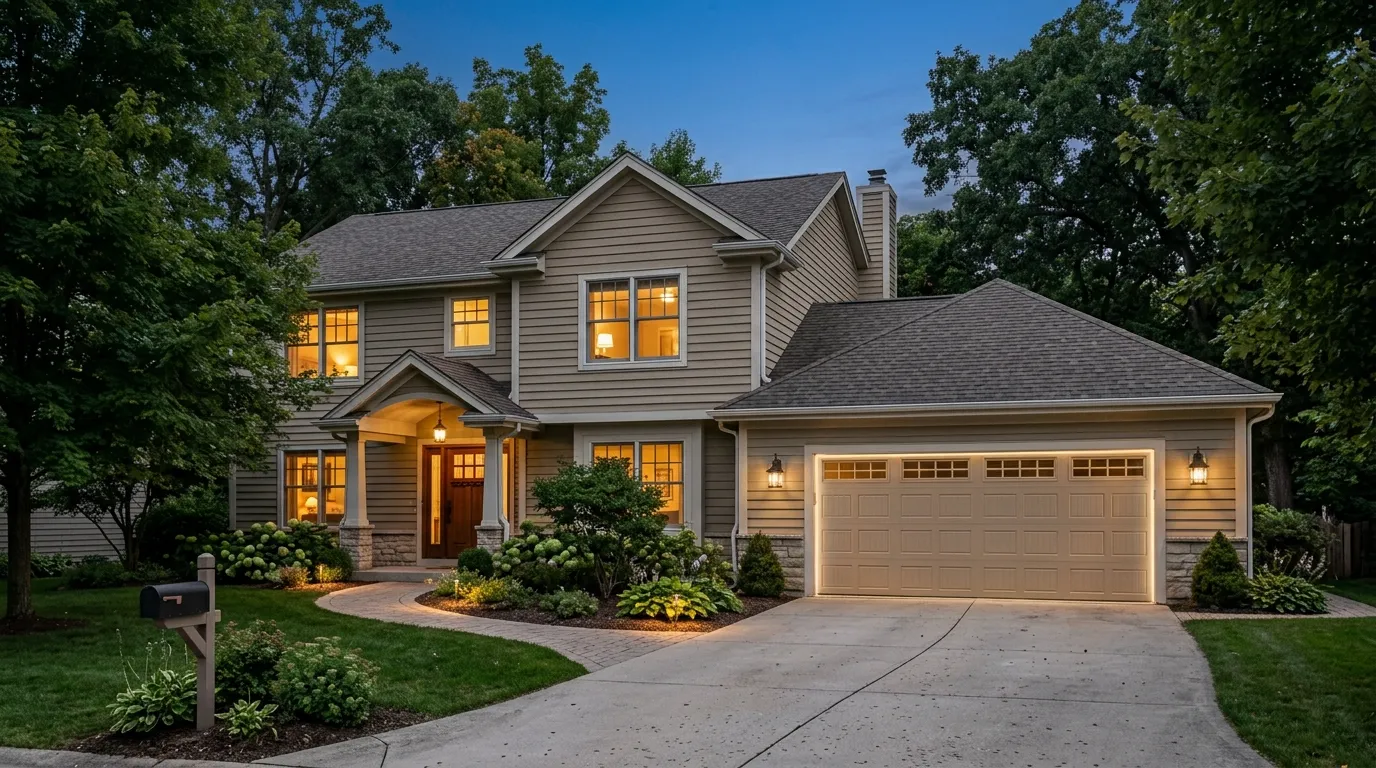
Describe the symptom - won’t open, loud bang, opener runs but the door won’t move.
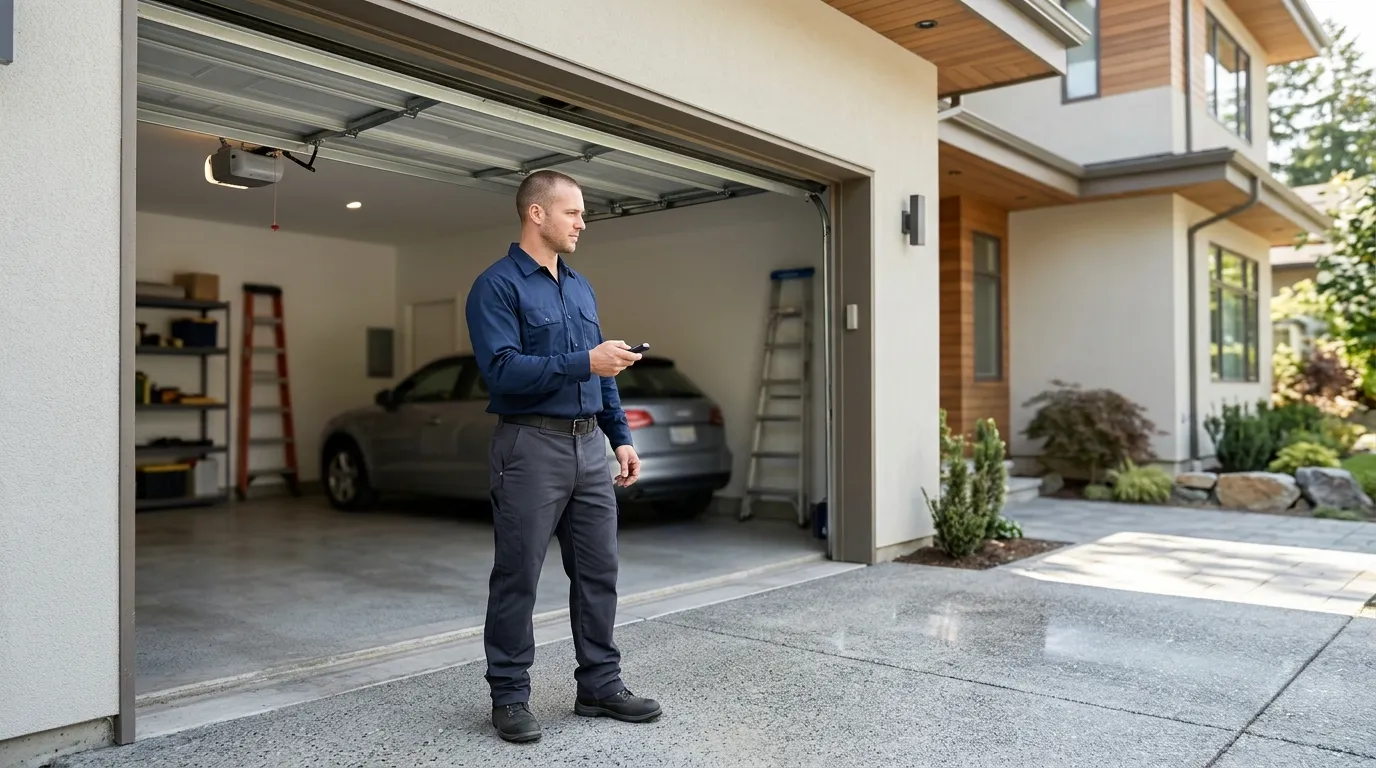
A technician tests the door under power and by hand and finds what actually failed.
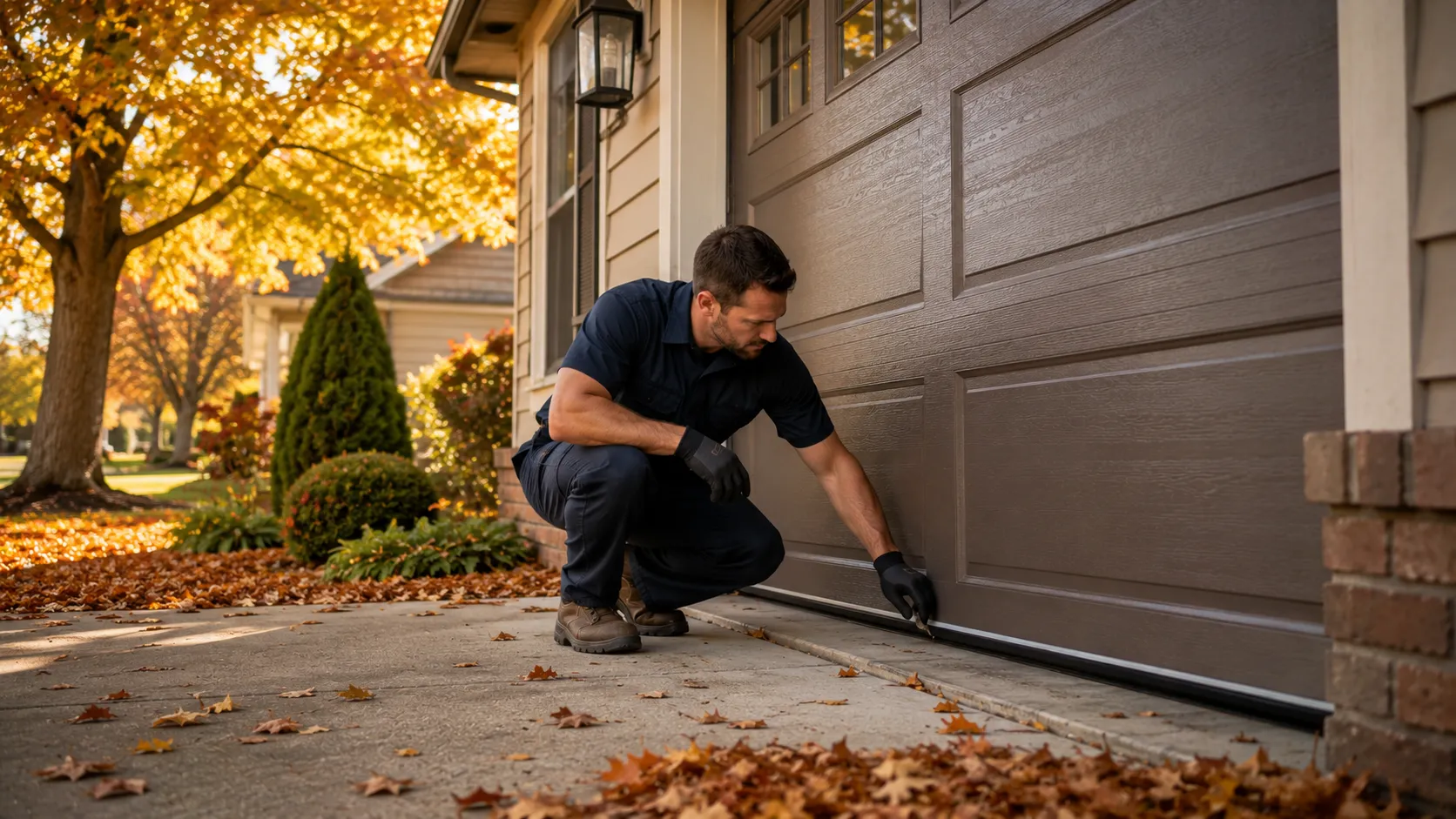
You get the fix that’s needed and what drives the cost - before any work starts.
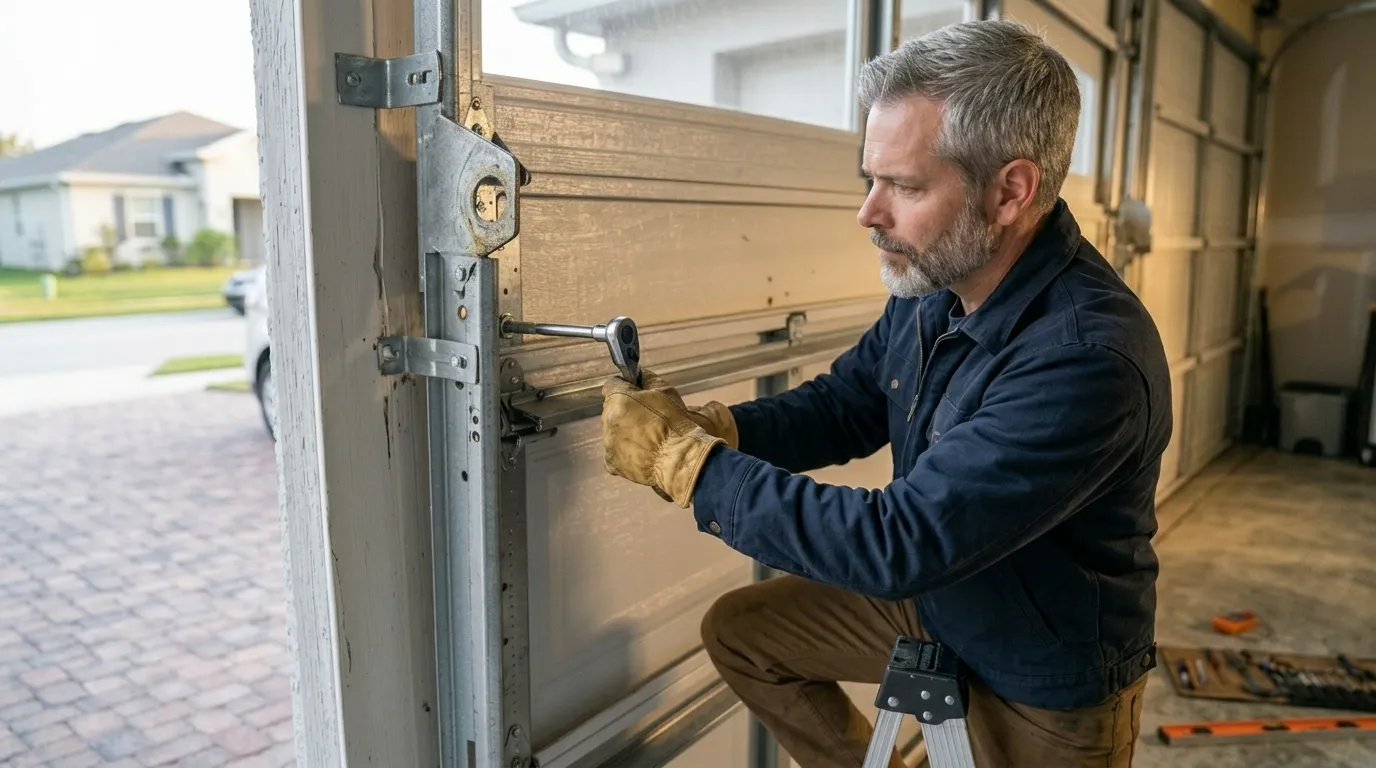
The repair is done, the door is set true and tested, and the work area left clean.
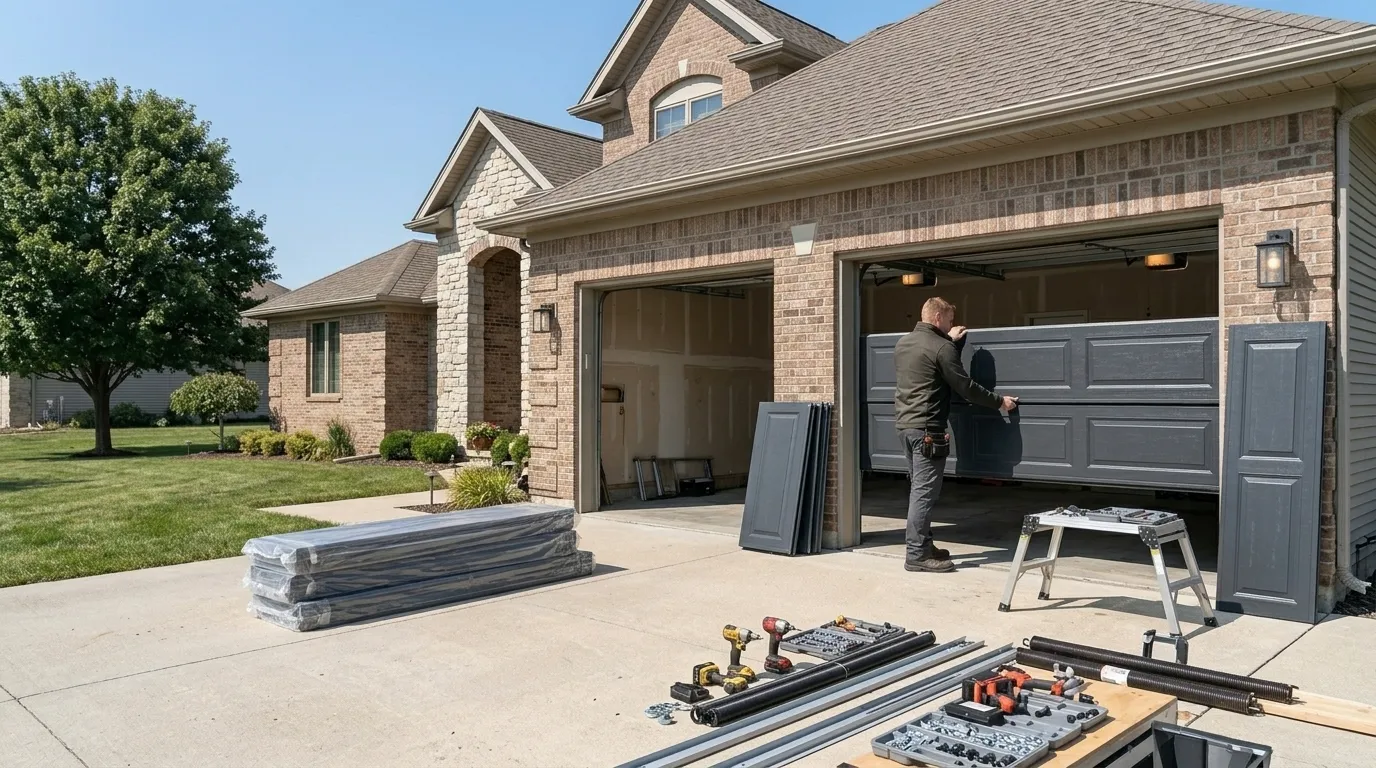
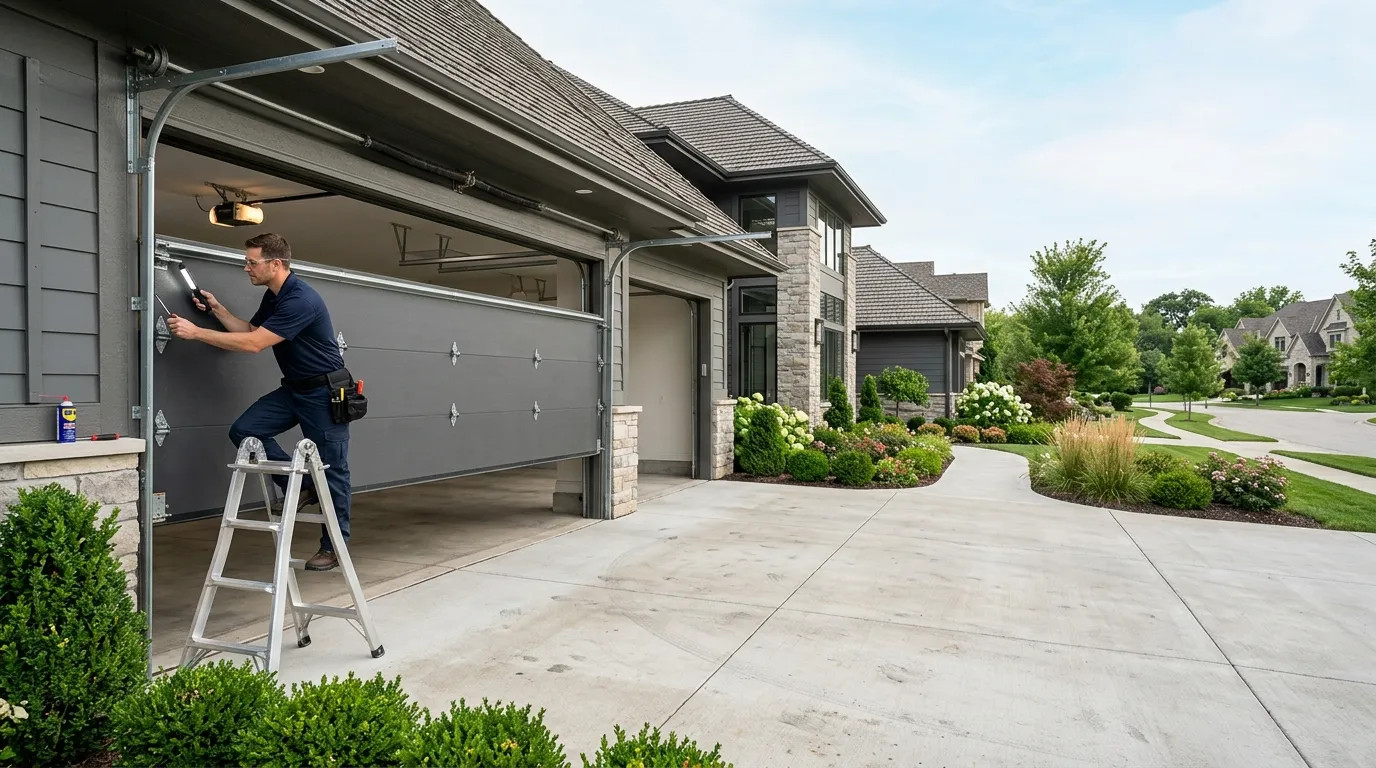
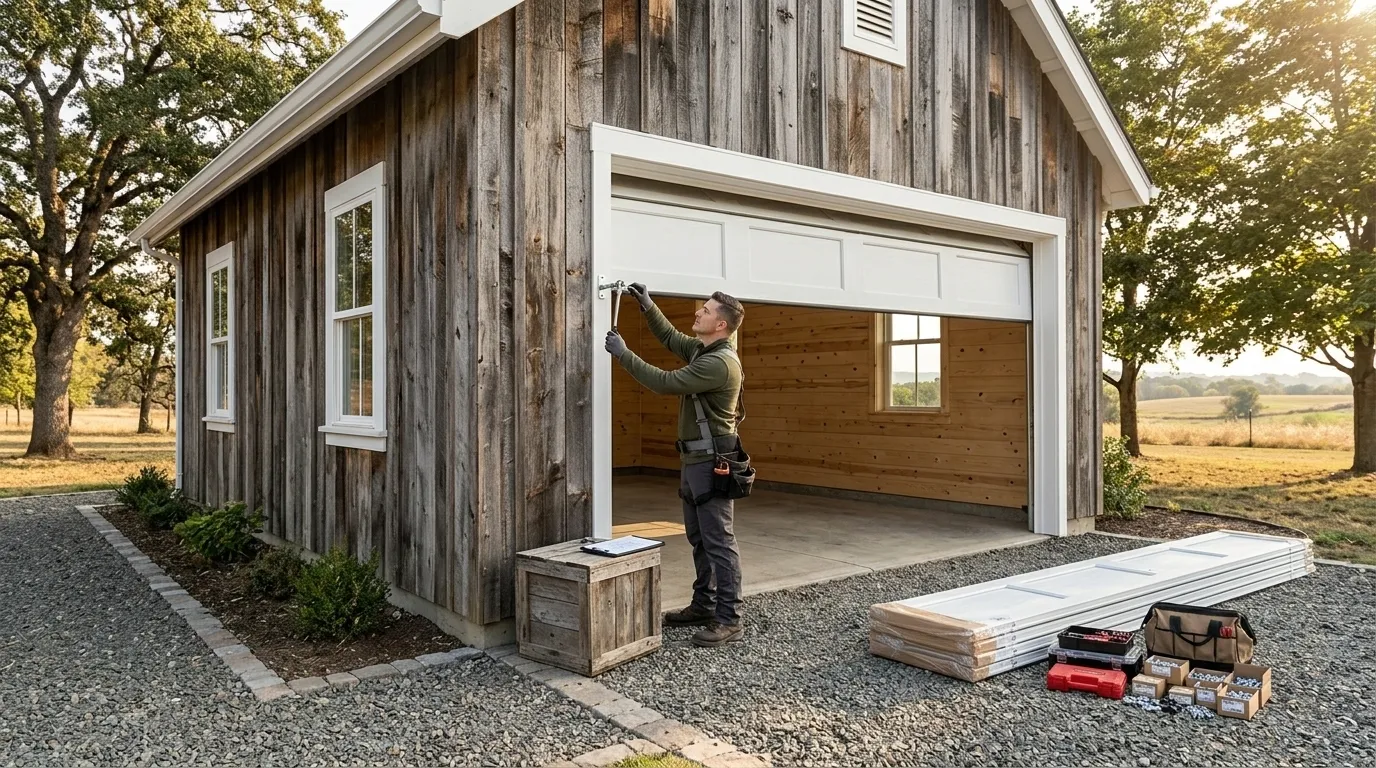
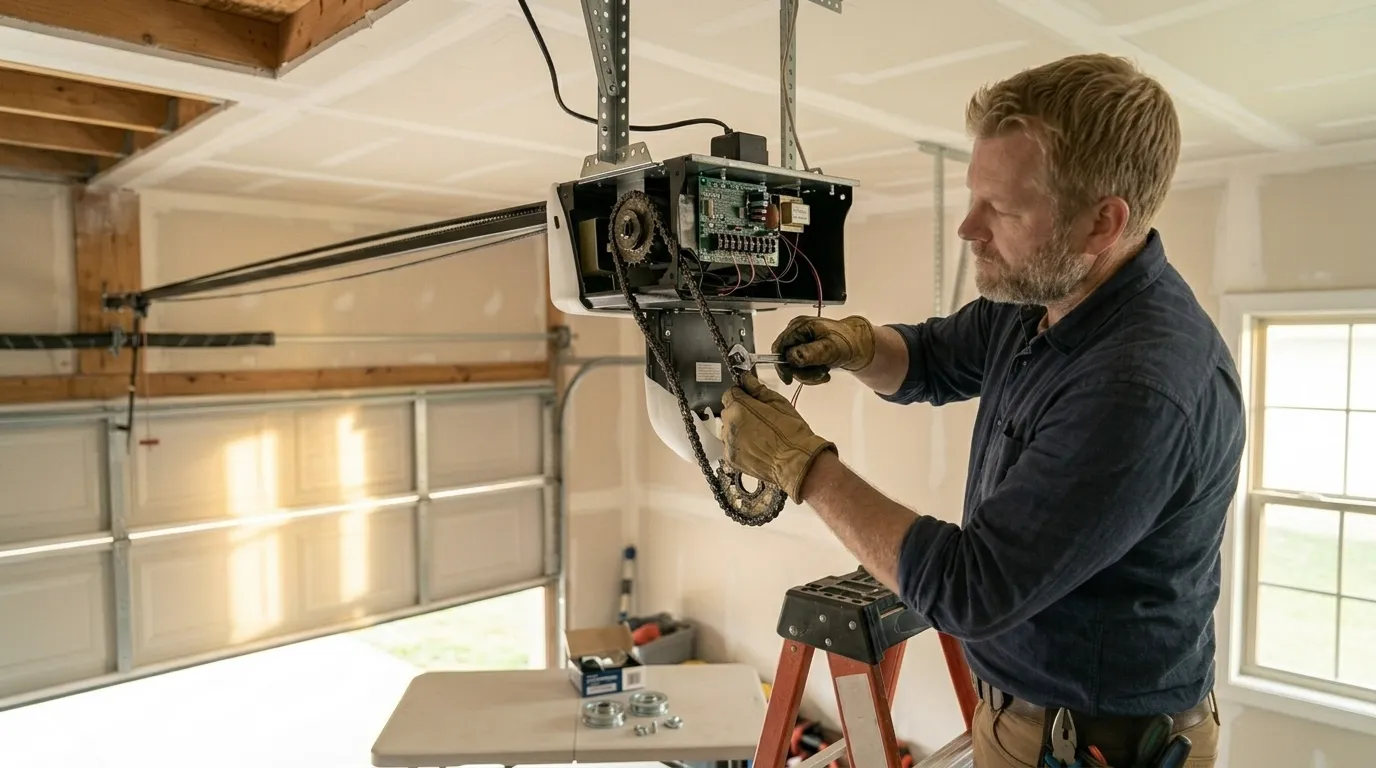
Illustrative styles - sectional, insulated steel, carriage, and commercial doors.
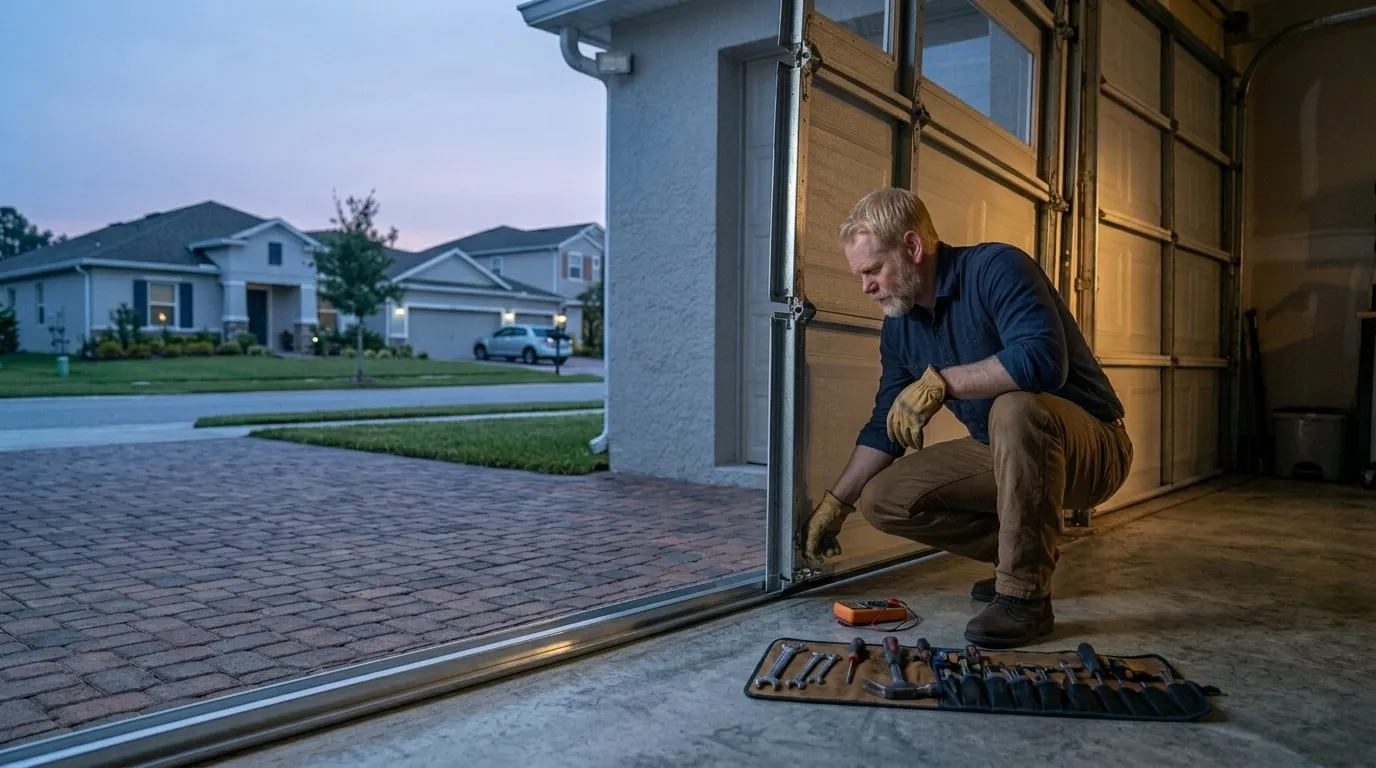
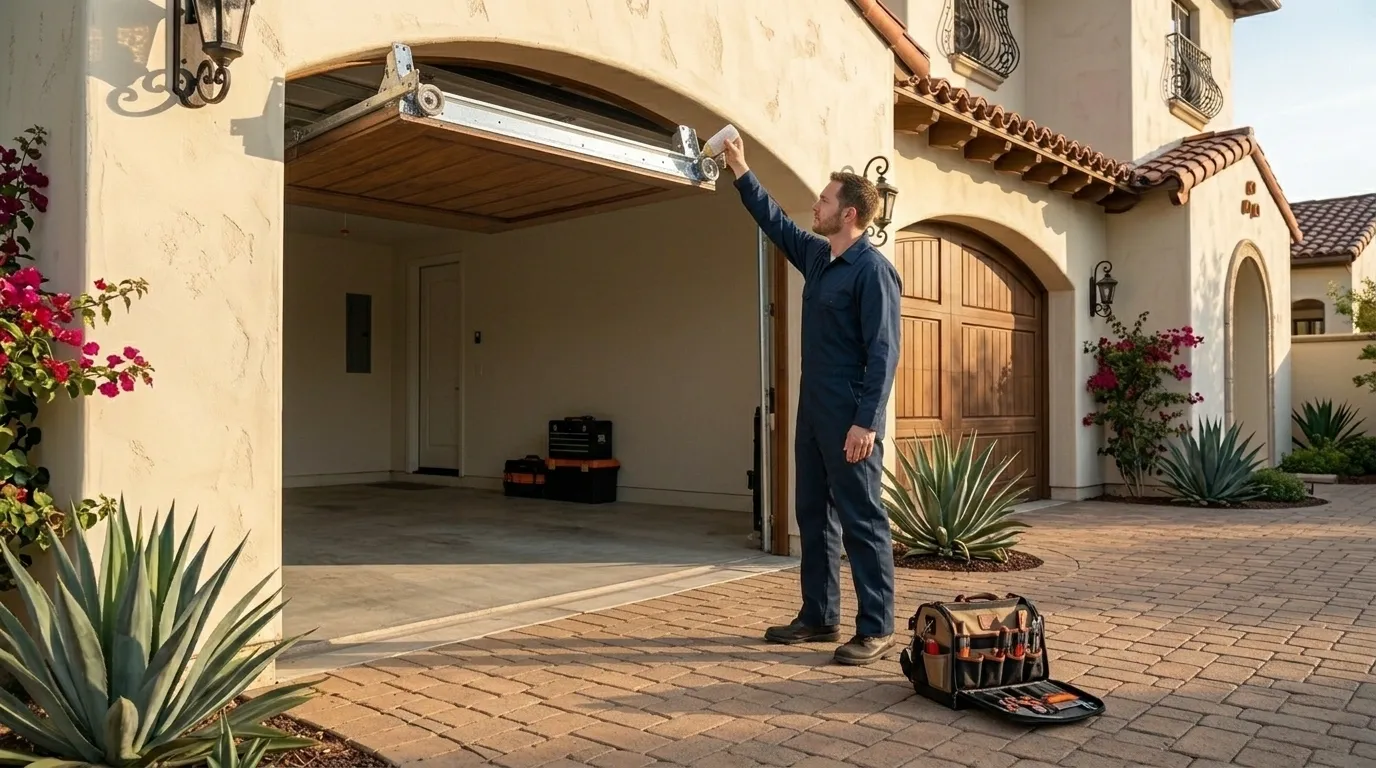
Straight answers about garage door repair in Pasadena. Still unsure? Ask us directly.
No. We run out of Pasadena, about 8 miles away, and Monterey Park is a regular stop on our route through this part of the Valley. There's no local branch, but the drive doesn't change how a job gets handled.
Most commercial buildings in this area went up around 1963, and the door hardware from that period - track gauge, bracket spacing, spring wind - often doesn't match what's sold new today. Knowing the building's rough age helps us bring the right parts instead of guessing on site.
Depends on the damage. If the slats are heavily corroded or the track brackets have pulled loose from the concrete more than once, replacement usually costs less over time than repeat patching. If the door and opener are structurally sound, a spring, cable, or track repair is usually the cheaper and faster call.
Tell us what it’s doing and where you are in Pasadena - we’ll take it from there.