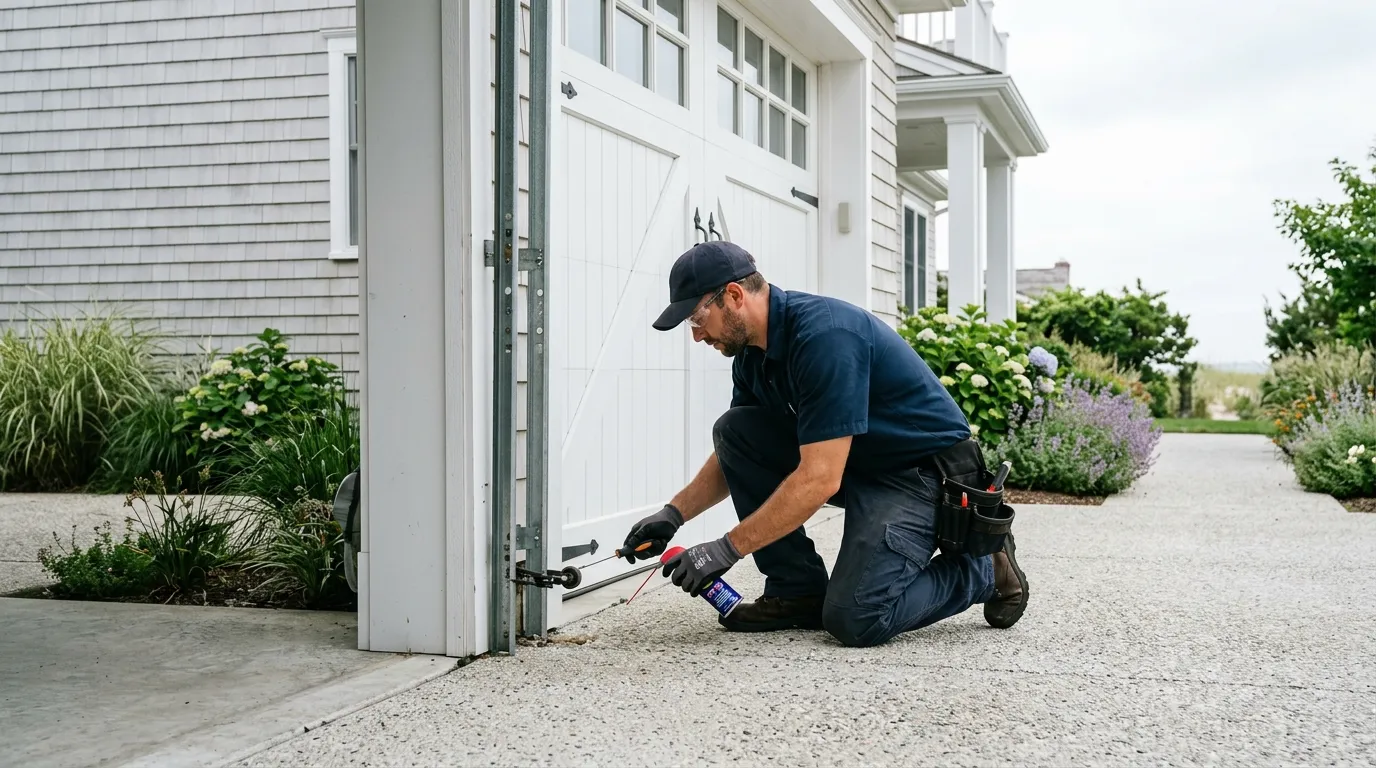
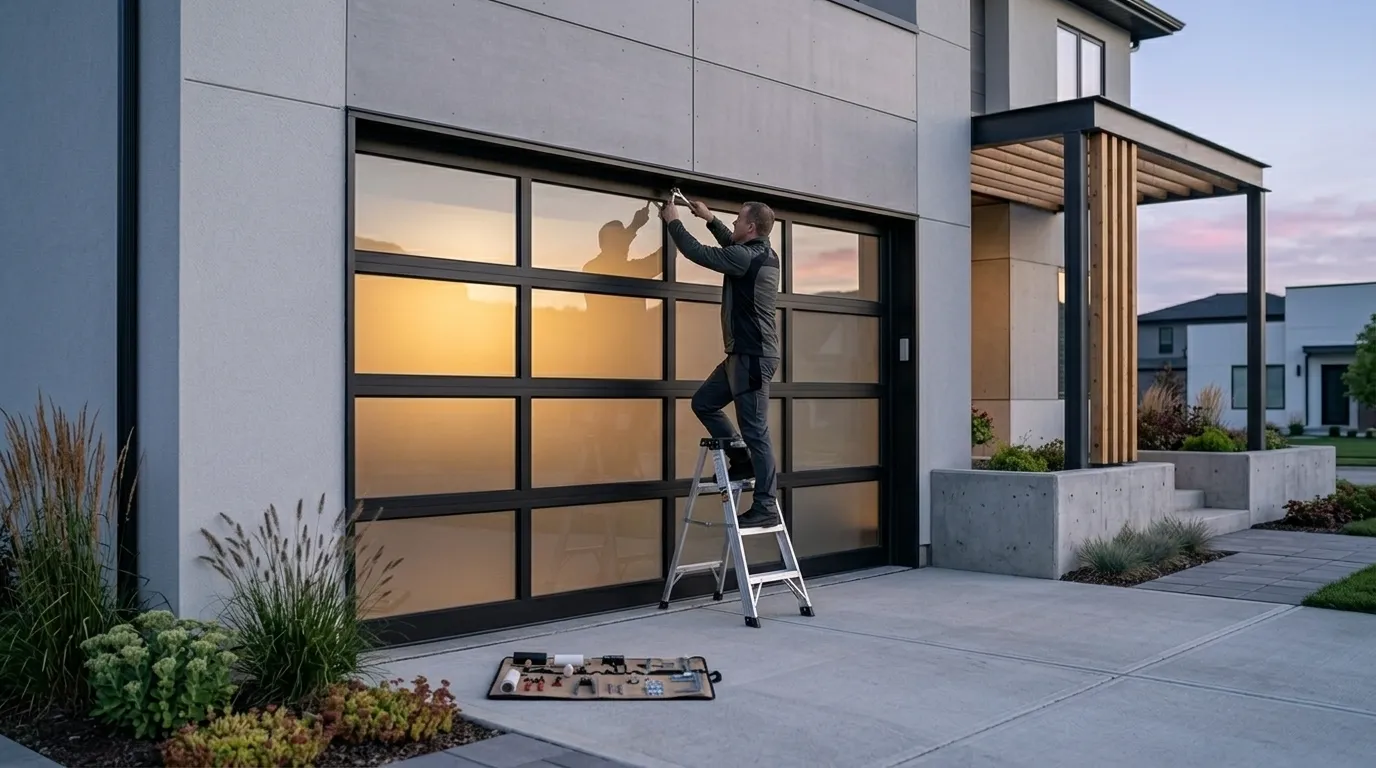
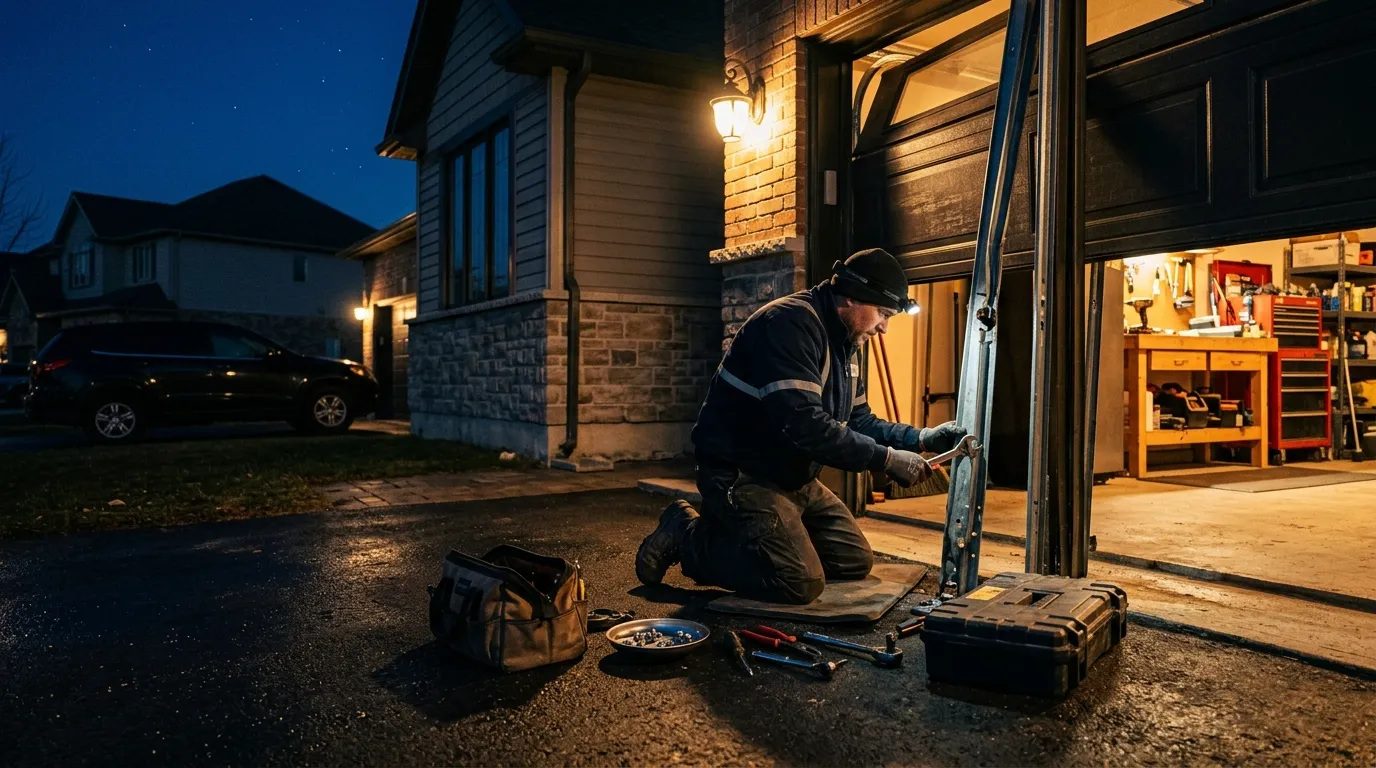
Torsion and extension spring repair for Monterey Park's 20,737 households, most built around 1963. We travel 8 miles from Pasadena to fix the spring, not sell you a door.
Monterey Park is a tight grid of about 20,737 households, small enough that the spring failures we see repeat in patterns instead of scattering all over a map. Most of the housing here went up around 1963, which puts it on the newer edge of the pre-1960s stock that dominates a lot of the wider service area we cover out of Pasadena. That matters for springs: a house built in the early 1960s is more likely to have a torsion spring on a horizontal shaft above the door rather than the older side-mounted extension springs you find on the oldest tracts nearby. The complication is that torsion setups look simple from the garage floor but store far more force in a shorter coil, and the winding cones on 60-year-old shafts are often rusted enough that a standard winding bar won't seat cleanly. We also see doors here that were re-sprung once already, decades back, with a spring rated for the wrong door weight - lighter steel doors got swapped for heavier insulated ones without anyone recalculating the spring. That's a Monterey Park pattern more than a Pasadena one, because the housing age lines up that way.
How It Shows Up
The classic sign is the door that won't budge and an opener that hums but doesn't lift - that's a snapped torsion spring taking the full weight off the opener's small motor. You'll sometimes hear the break itself, a loud bang from the garage that homeowners mistake for something falling off a shelf. Short of a full snap, a weakening spring shows up as a door that closes hard and fast, or one that reverses partway up because the opener's force sensor thinks something's blocking it when really the spring just isn't doing its share of the lift anymore. On older extension-spring setups, still found on some of the earlier houses near the edges of town, you'll see the spring stretched permanently open, coils spread apart with no tension left. Either way, the door gets heavy under hand-lift, and that's the tell before it fails outright.
Booking a Visit
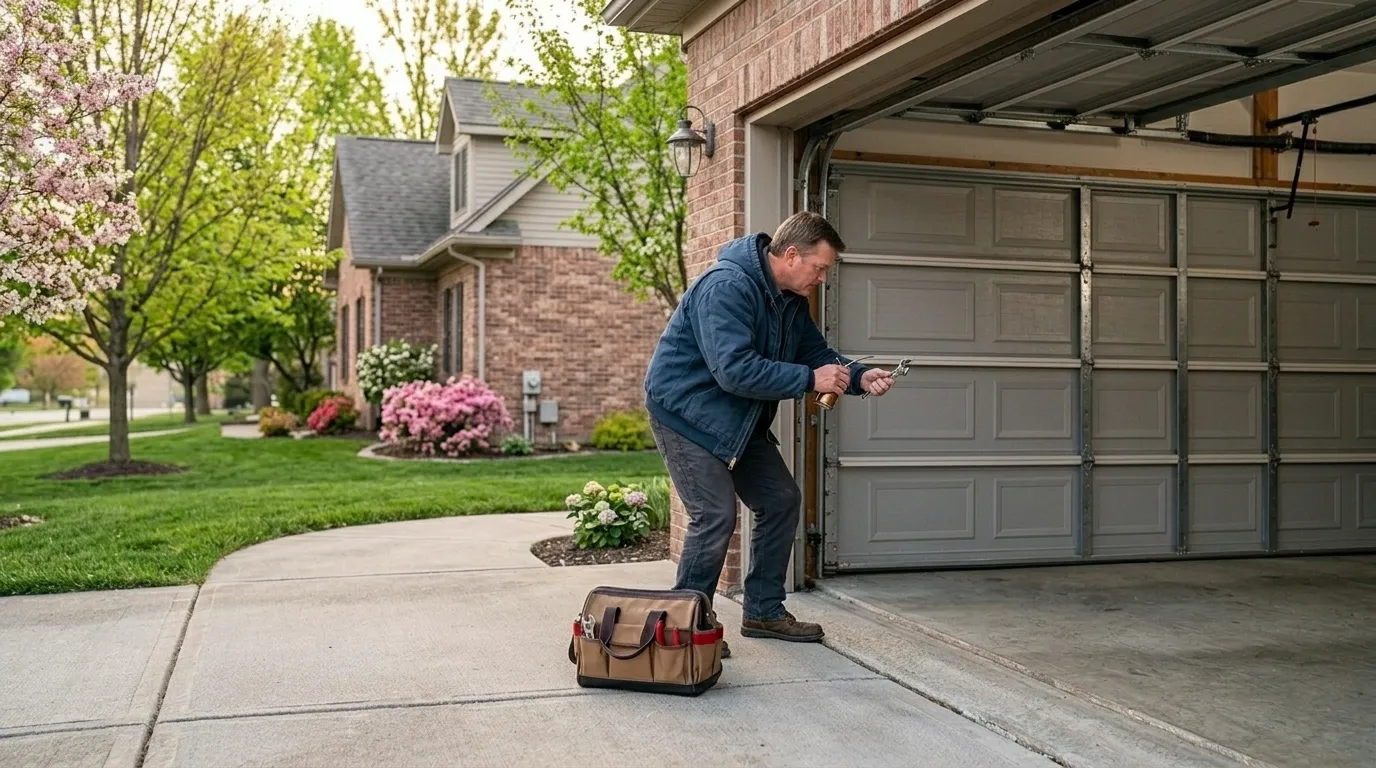
We run out of Pasadena and cover Monterey Park as part of the regular route, about 8 miles out, so there's no separate branch or crew based in town - just the same truck making the trip. When you call, tell us the door size, whether it's one or two torsion springs, and roughly how old the door is if you know it; that's usually enough to bring the right spring on the first trip instead of a second one. We don't quote a fixed response time for this suburb specifically, since it depends on where the truck already is that day, but we'll give you a window when you call rather than a vague 'sometime today.'
The DIY Question
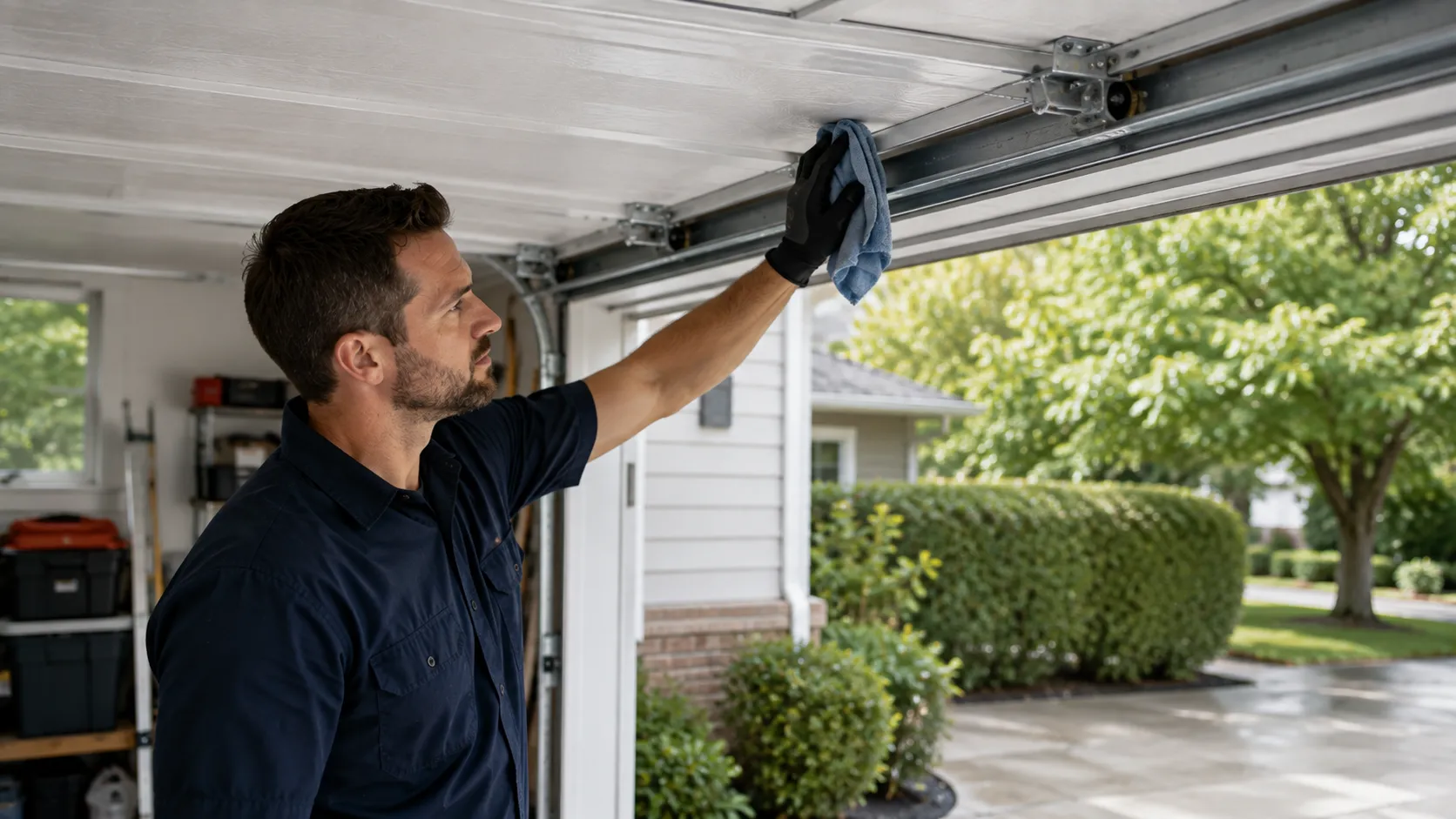
Torsion springs store enough energy to break a bone or worse if the winding bars slip, and we'd rather lose the job than have someone attempt this alone. Extension springs are a little more forgiving but still not something to wing with a ladder and a socket wrench. If you're the kind of homeowner who's comfortable with the mechanics, the honest DIY line is this: replacing rollers, lubricating hinges, tightening loose bolts on the track - fine, go ahead. Winding or unwinding a torsion spring under tension is not in that category, full stop. We'll walk you through what a safe cable-and-roller check looks like over the phone, but the spring itself is a truck call.
What the Fix Involves
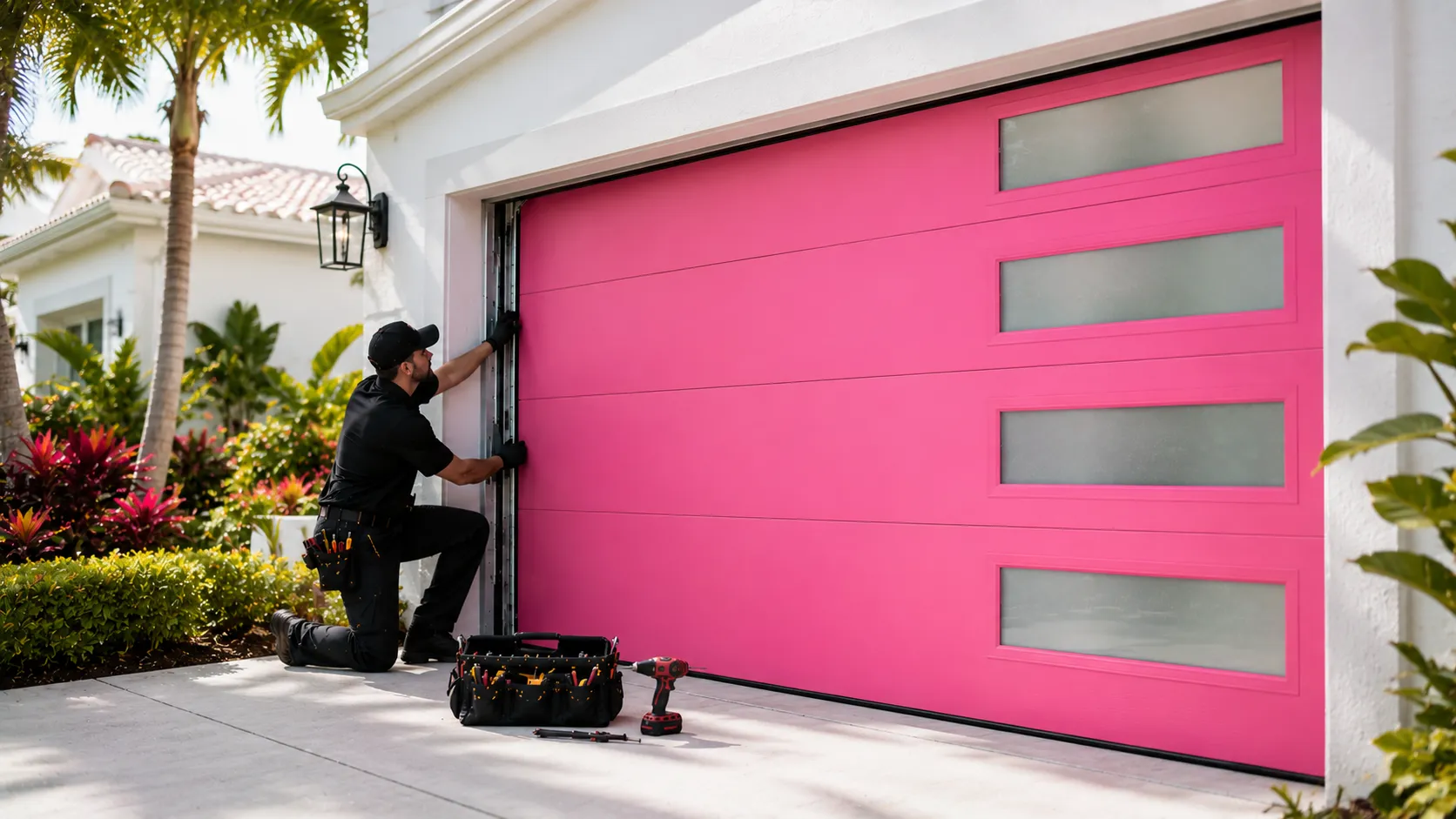
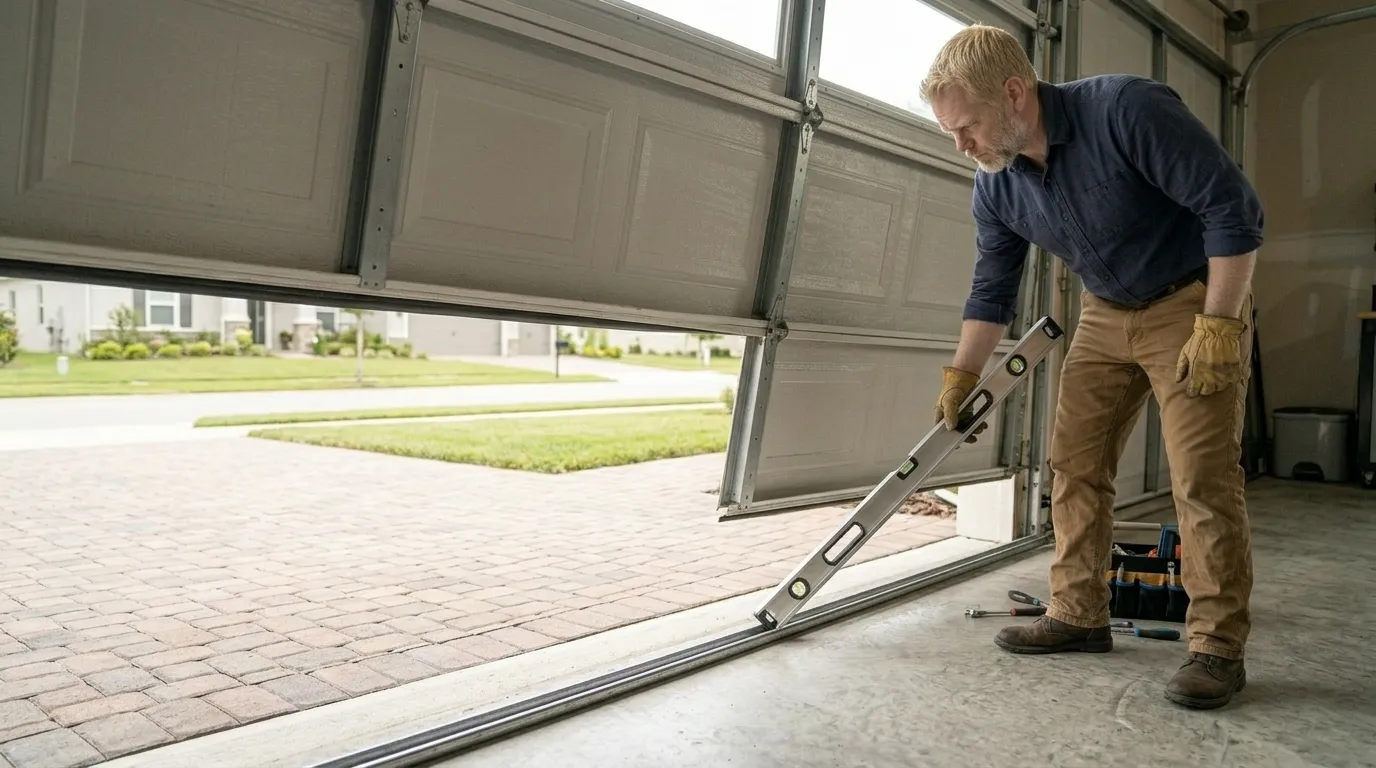
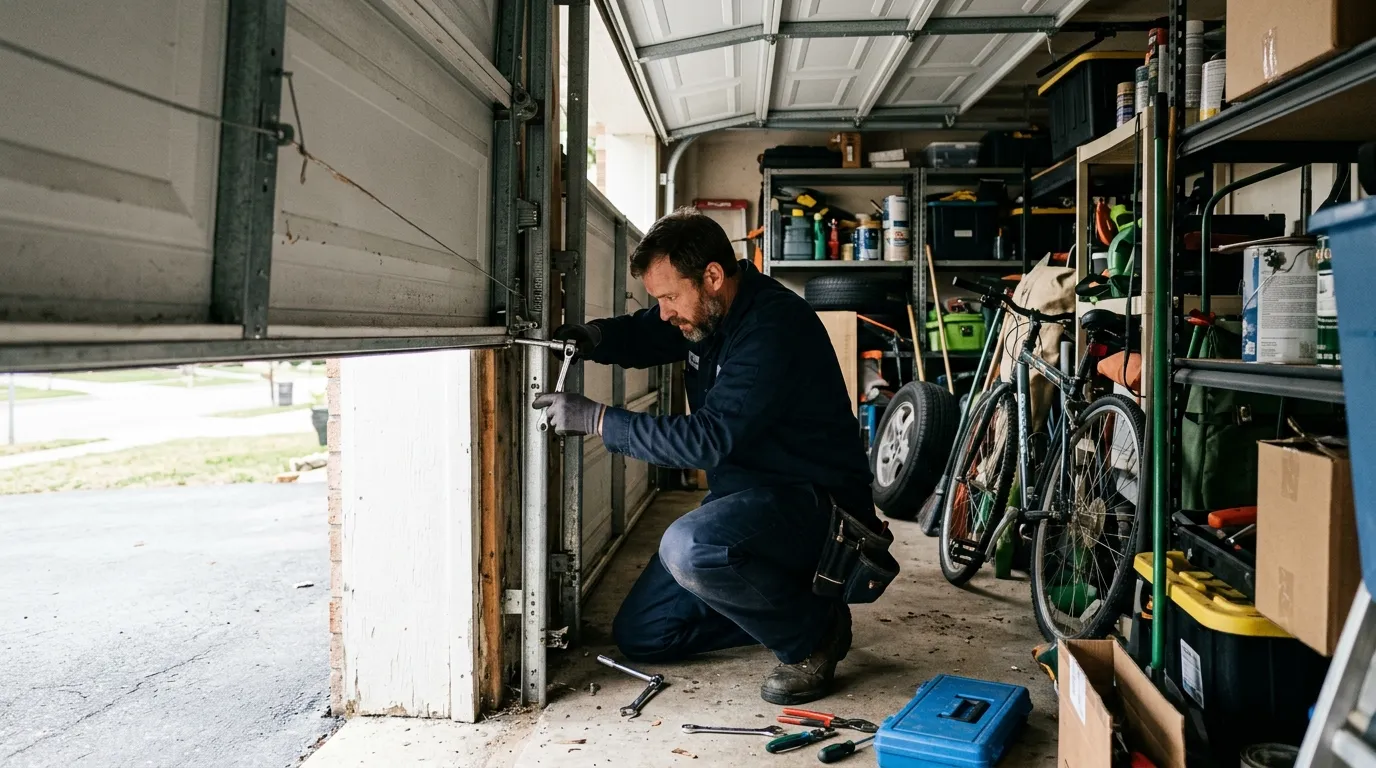
For a snapped torsion spring, the job is matching the wire size, coil diameter, and length to the door's actual weight, not just swapping in whatever's closest on the shelf. On a house from the early 1960s that's had one prior re-spring, we check the drum and shaft for wear before assuming the new spring alone will fix the balance. Extension spring replacement is simpler mechanically but we still check the safety cables, which a lot of older installs never had. Either job usually runs one to two hours once we've got the right part on the truck. One limit worth being upfront about: if the door itself is warped or the track is badly out of alignment, a new spring won't fix a door that's fighting itself on the way up, and we'll tell you that before charging for a spring you don't need yet.
How it works
From “it’s stuck” to “it’s fixed”
01
Tell us what’s wrong
Describe the symptom - won’t open, loud bang, opener runs but the door won’t move.
02
On-site diagnosis
A technician tests the door under power and by hand and finds what actually failed.
03
Clear, up-front plan
You get the fix that’s needed and what drives the cost - before any work starts.
04
Repaired & tested
The repair is done, the door is set true and tested, and the work area left clean.
Serving Pasadena, CA - tell us what your door’s doing and we’ll take it from there.
Straight answers about garage door repair in Pasadena. Still unsure? Ask us directly.
How much does spring repair cost in Monterey Park?
We don't have a fixed price to quote here since it depends on spring type, door weight, and whether one or two springs need replacing. Call and give us the door size and age and we'll give you a number before the truck rolls, not after.
Do you have a crew based in Monterey Park?
No. We work out of Pasadena and drive out to Monterey Park, about 8 miles, as part of our regular coverage area. There's no separate branch here, just the same truck and the same techs who handle Pasadena calls.
Why did my spring break with no warning?
Torsion springs fatigue with cycle count, not age alone - most are rated for around 10,000 open-close cycles. A door used two or three times a day for years can hit that number quietly, then let go on an ordinary afternoon with no prior sign beyond a slightly heavier door.
Can I just replace one spring if I have two?
You can, but we don't recommend it. If one spring snapped from fatigue, the other is usually close behind on the same cycle count, and mismatched springs throw off the door's balance. We'll usually suggest replacing both at once.