Frayed or snapped cables on pre-1960 Pasadena garage doors need torsion-hardware-aware repair. We cover Pasadena and nearby areas out to San Marino and Altadena.
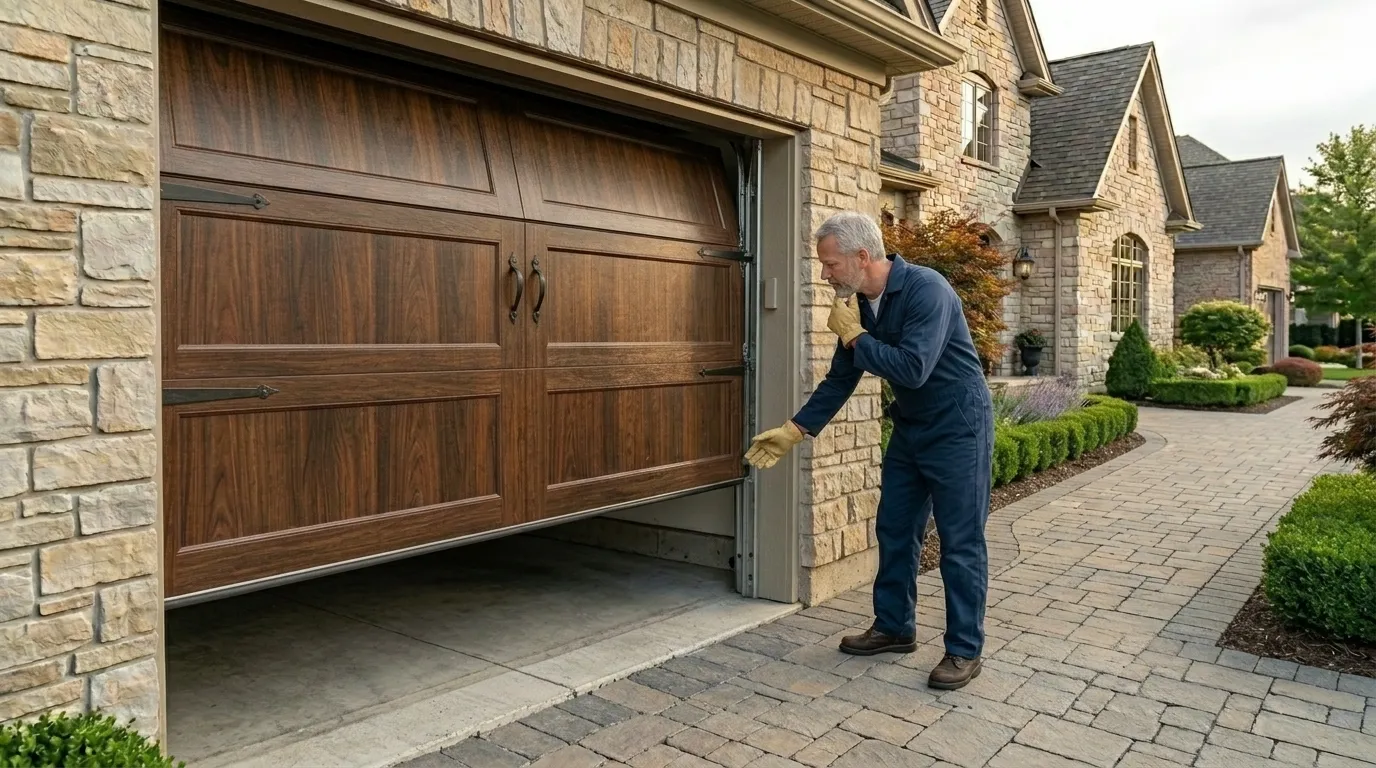
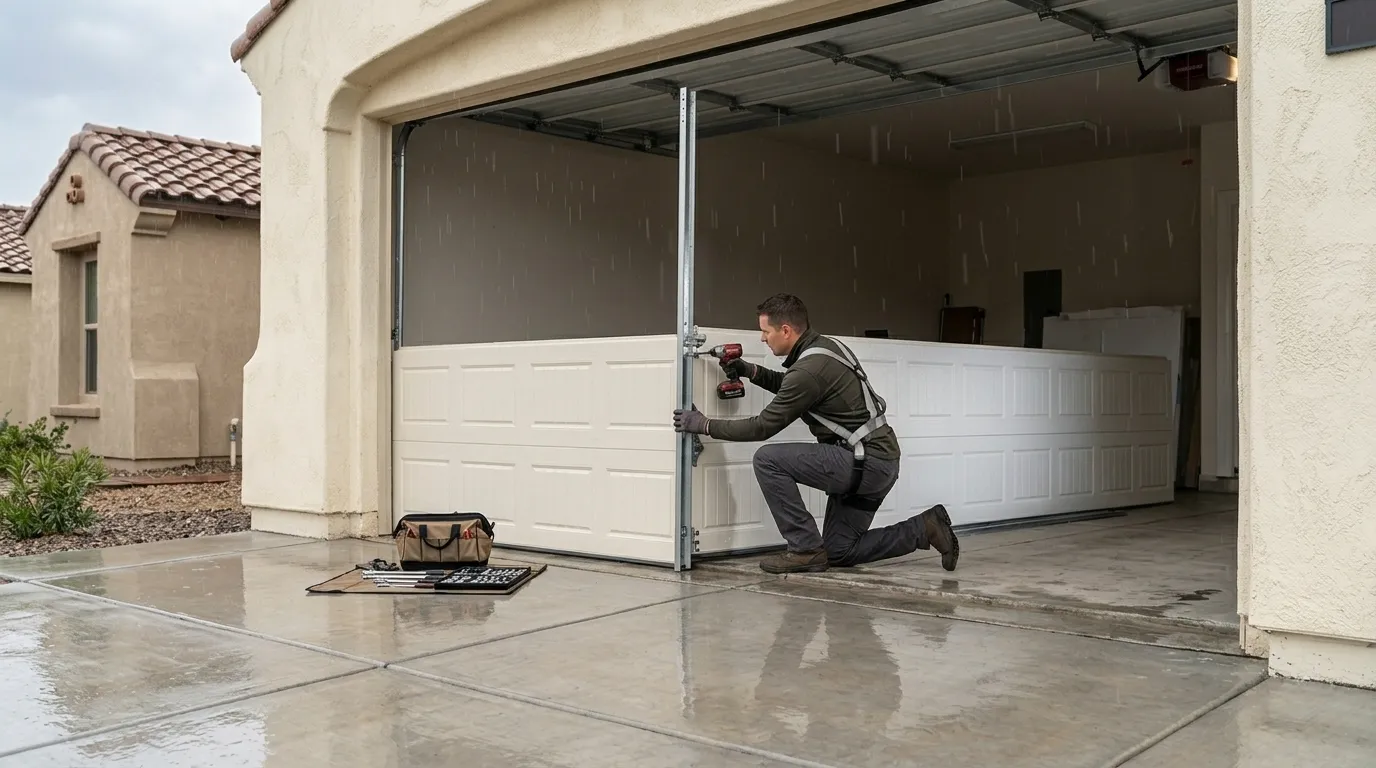
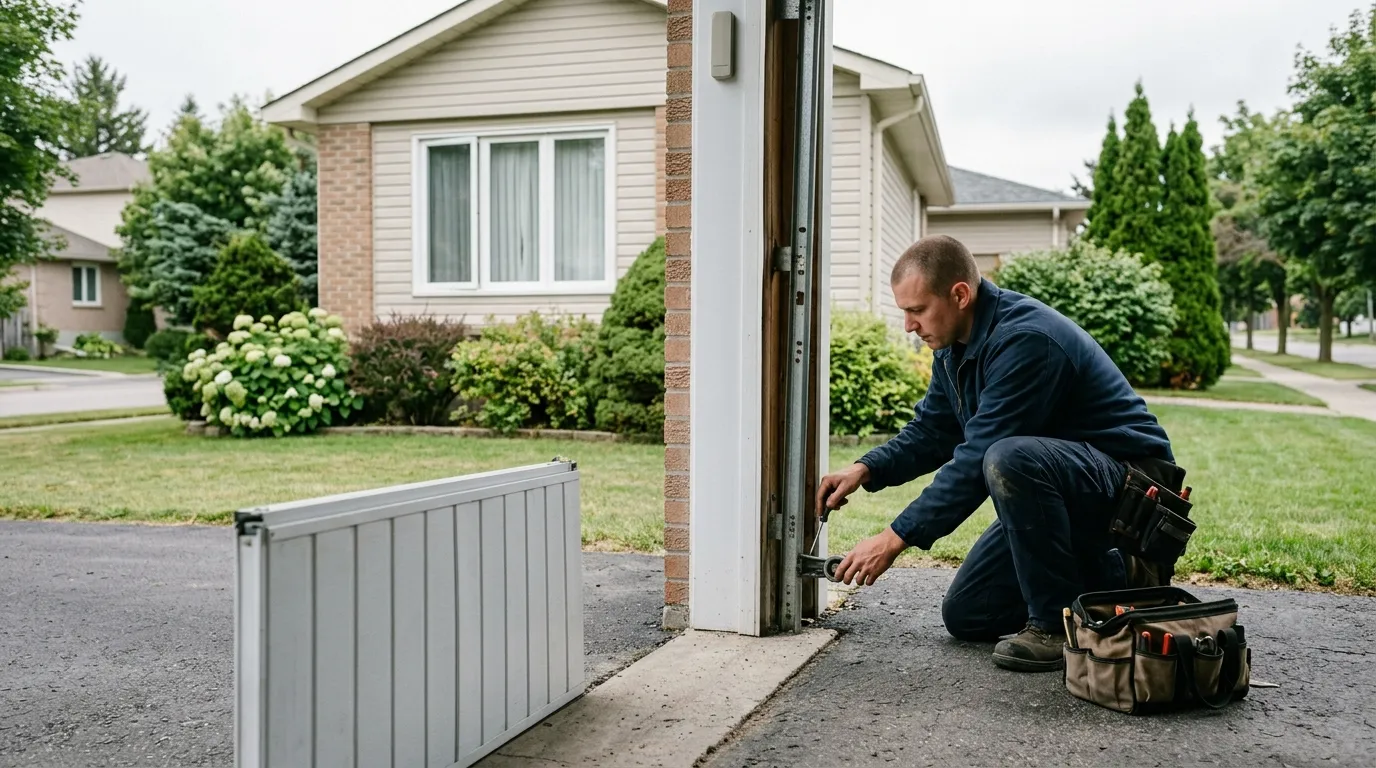
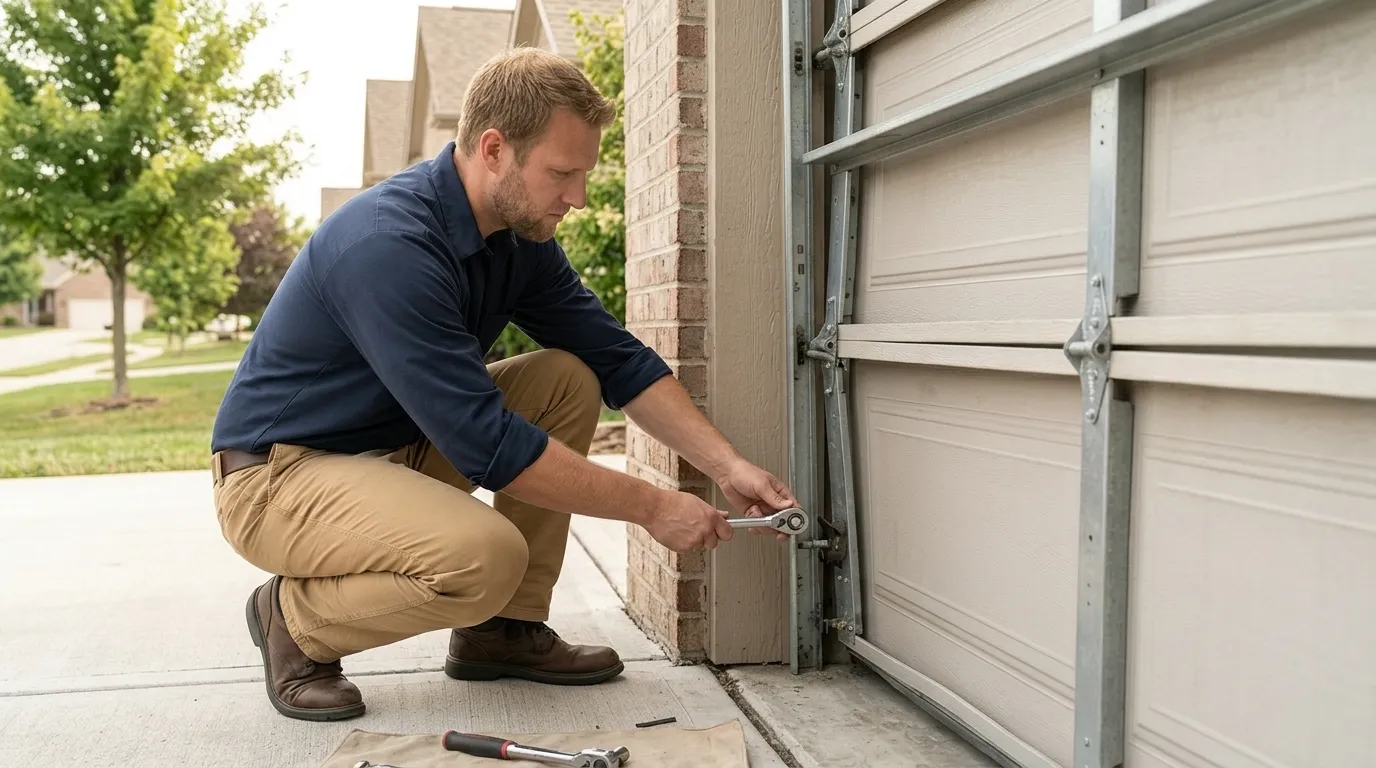
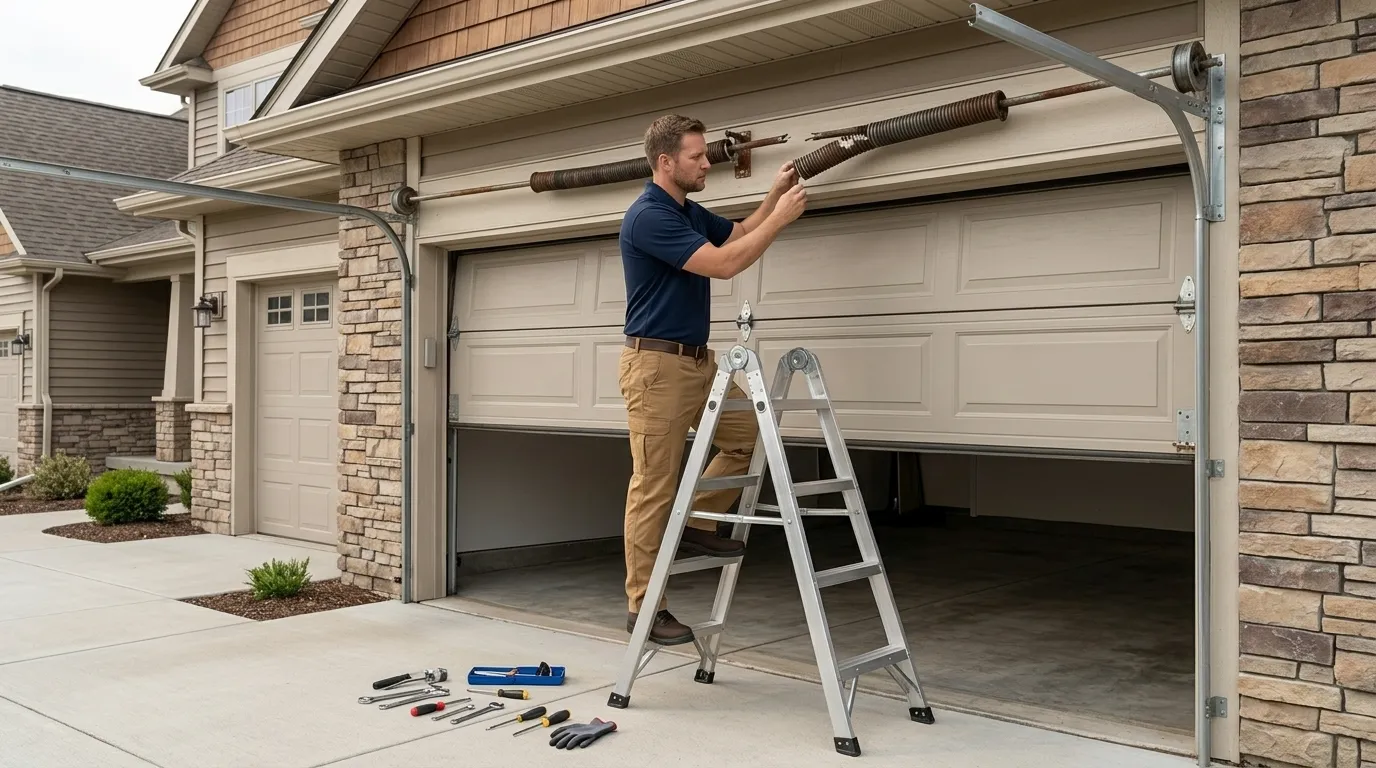
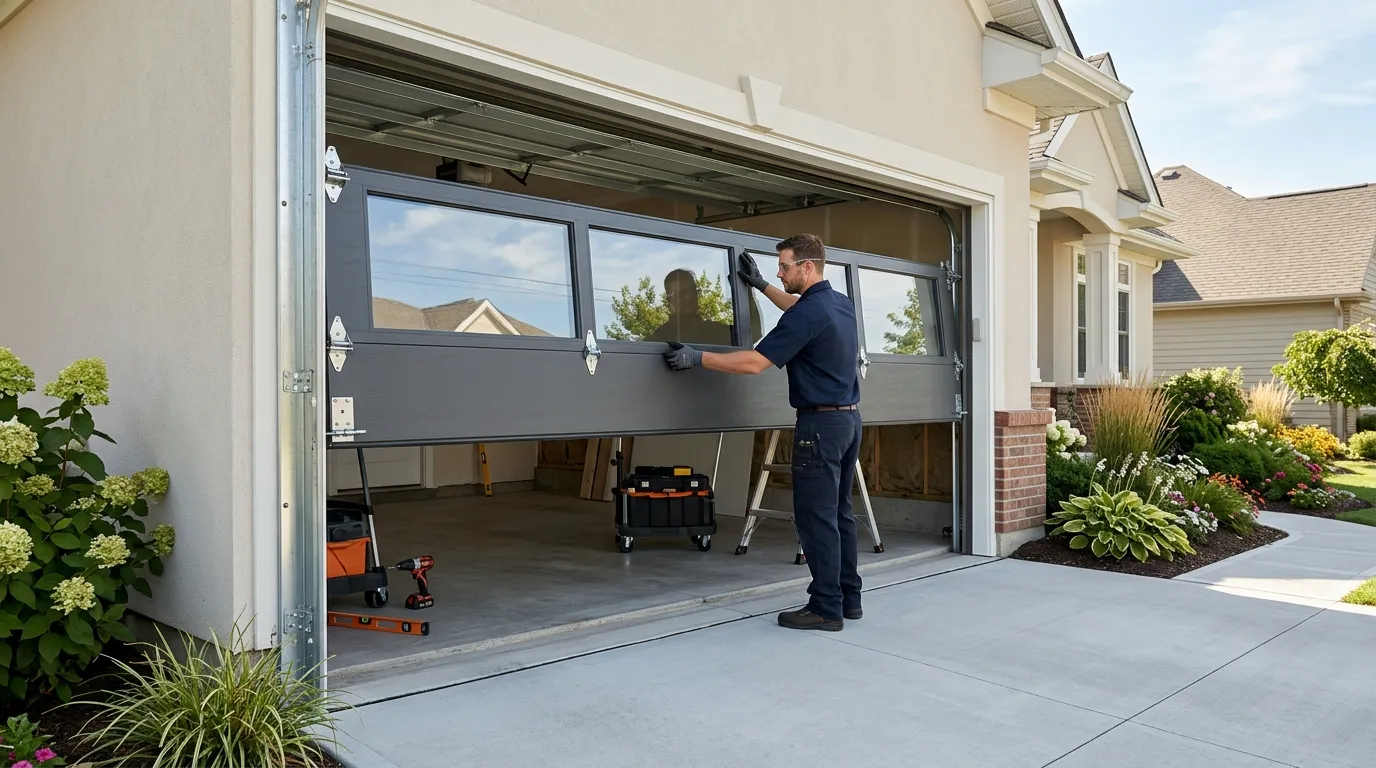
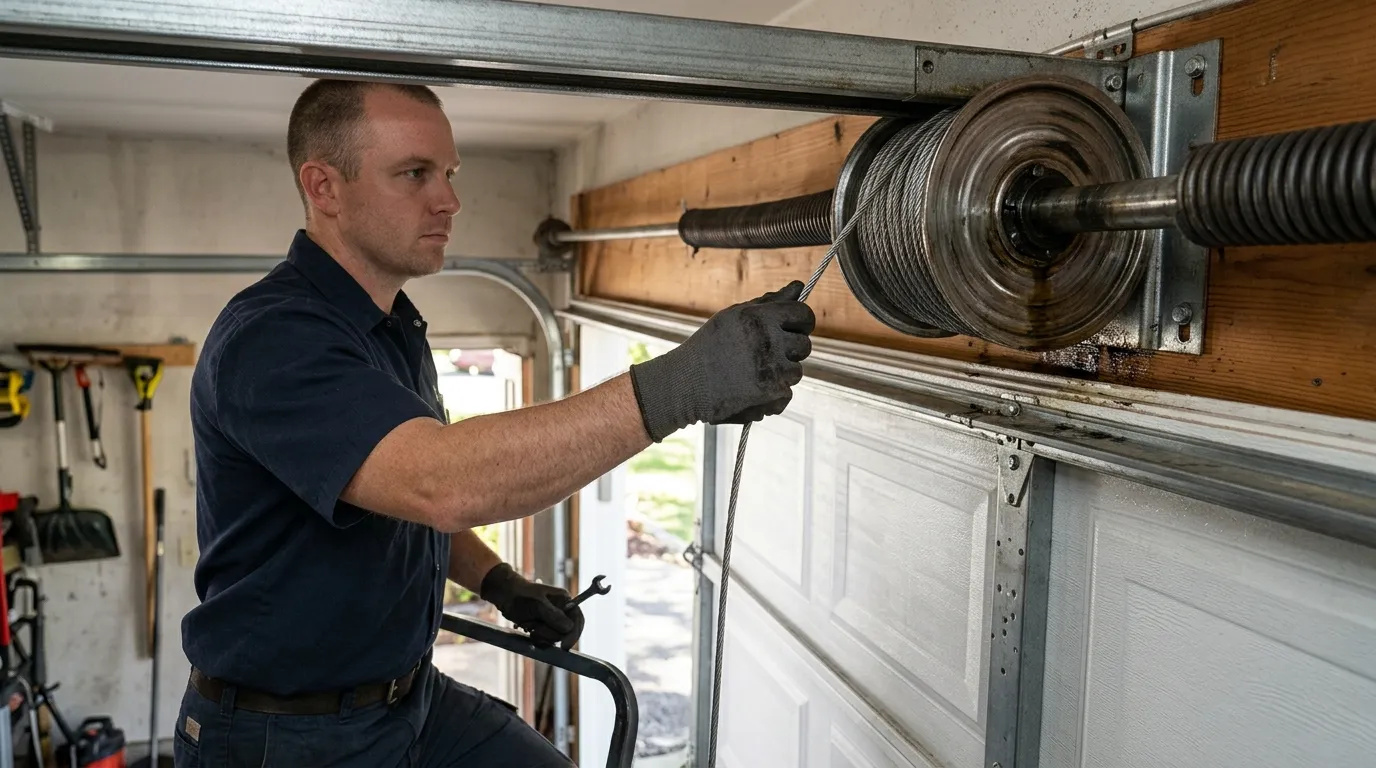
A cable failure rarely comes out of nowhere. You'll notice the door hanging crooked in the track, one side dropping lower than the other, or the door refusing to move at all with the opener straining against dead weight. Sometimes you hear it before you see it - a sharp snap or a metallic pop from the corner near the bottom bracket, then the door won't budge. On older sectional doors common through Pasadena's housing stock, the lift cable runs from the bottom corner up to the drum on the torsion shaft, and when strands start to fray, they usually give out fast, not gradually. If you catch a door sagging unevenly, stop using the opener. A cable under tension that's partway through failing can whip loose and take a bracket or a section of track with it. That's not a DIY moment - the shaft still has spring tension stored in it even with the door down, and that's the part that hurts people.
Booking a Visit
We ask a few questions before we come out: is the door stuck up, stuck down, or moving crooked, and did you hear it break or just find it stuck. That tells us whether to bring standard 1/8-inch aircraft cable, the right drum size, or both, plus new end fittings, because the fix rarely goes well with the wrong cable diameter or a stretched-out swage fitting. We work Pasadena and the surrounding area - Altadena, San Marino, Arcadia, and the rest of the towns within roughly a ten-mile radius of Pasadena. If your address is outside that range, tell us and we'll say so up front rather than quote a job we can't get to promptly.
What Causes It Around Here
Pasadena's housing runs mostly 1943 to 2012 with a lot of it built around 1959, and across the wider service area the pattern holds - pre-1960 construction is the norm in most of the named neighborhoods, not the exception. Garages from that era were built for lighter wood doors on simpler cable-and-pulley or early torsion setups, and decades of openers, extra insulation, and heavier replacement panels have loaded cables that were never sized for that weight. Add the mild temperate climate here - no deep freeze, no heavy salt air - and cables don't usually corrode through. They fail from fatigue: thousands of lift cycles on a strand that's been carrying more than its rated load since someone swapped in a heavier door twenty years ago. That's a different failure path than you'd get in a harsher climate, where rust eats the cable from the outside in. Here it's almost always internal wire fatigue at the drum or the bottom bracket, which is exactly why the break tends to be sudden instead of a slow fray you can spot ahead of time.
What the Fix Involves
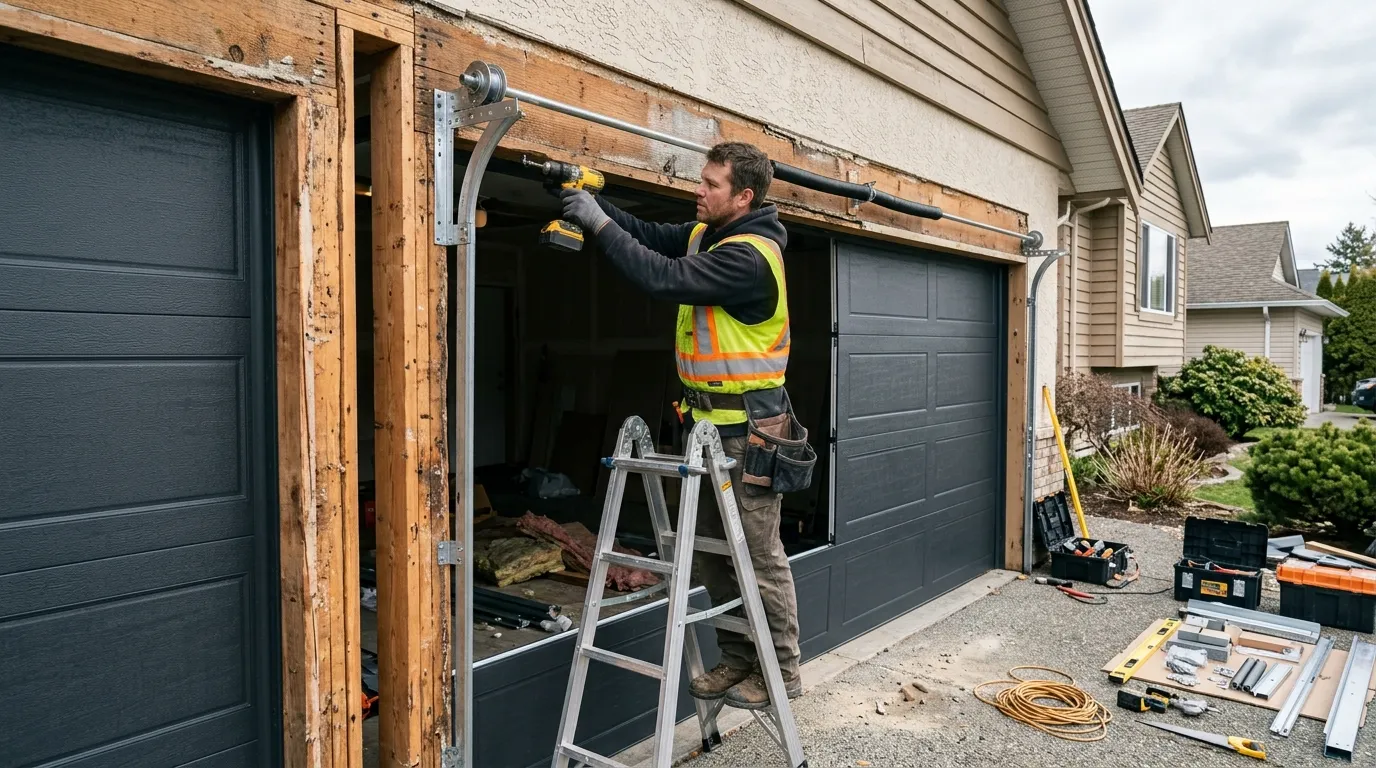
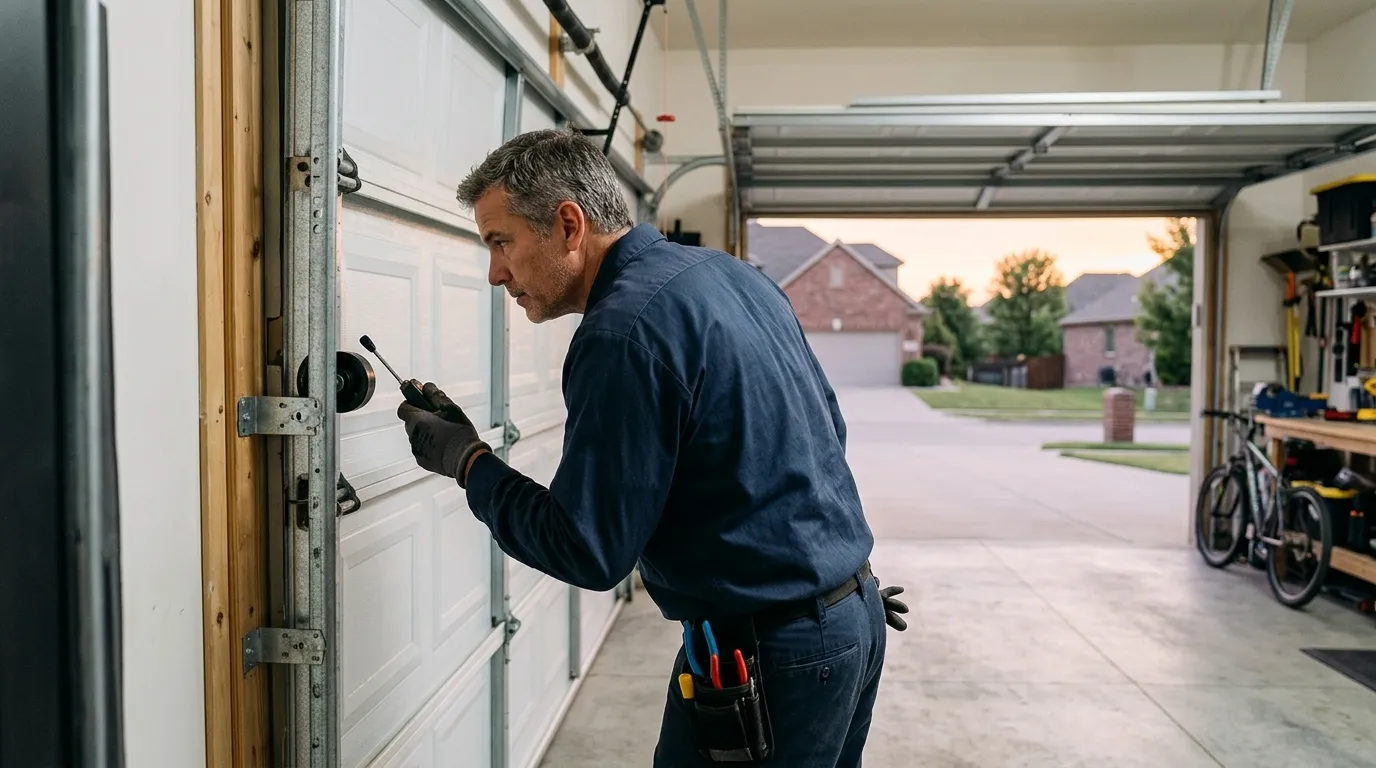
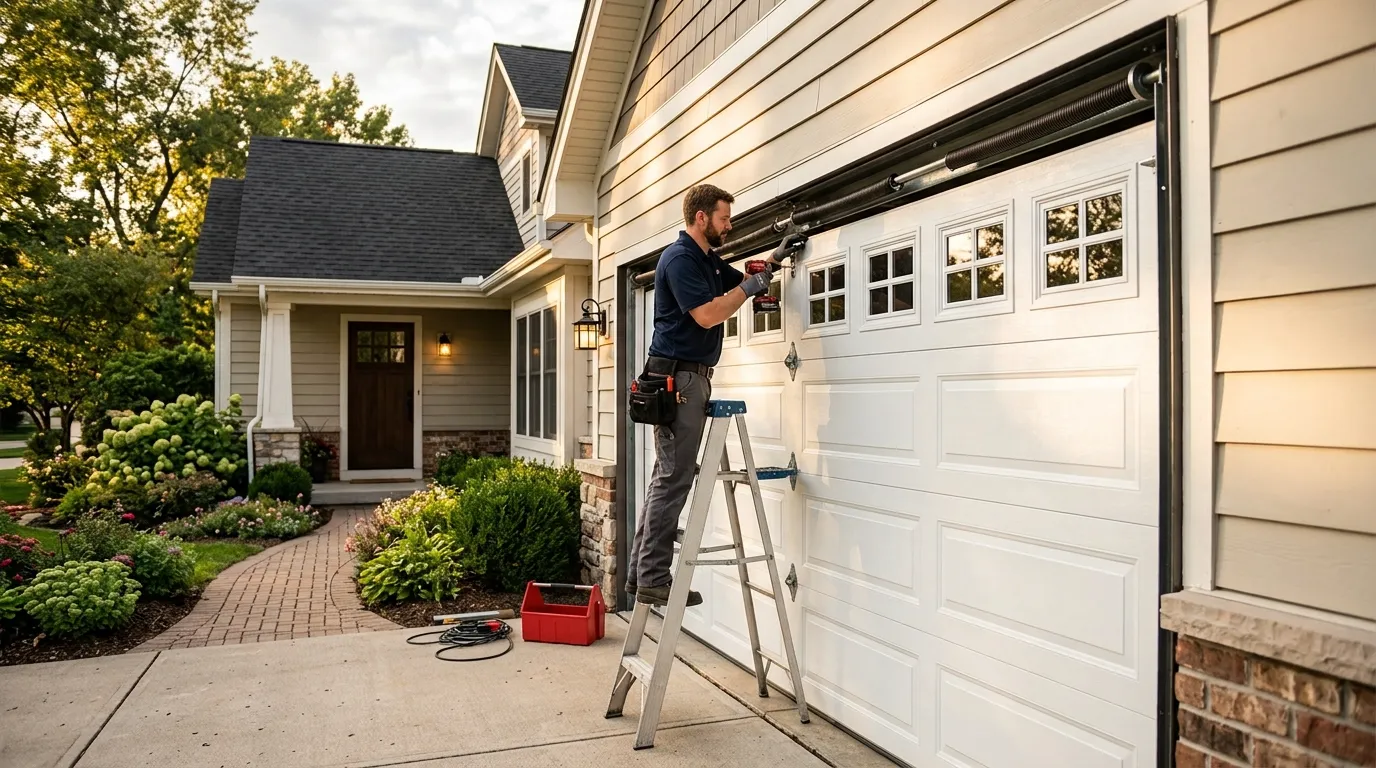
A cable job means releasing spring tension safely, pulling both cables even if only one broke - a mismatched pair stretches unevenly and you're back out here in a year - checking the drums for wear grooves, and confirming the track and bottom brackets didn't get bent when the door dropped. We also check whether the door's actual weight matches what the springs were sized for, because if someone upgraded to a heavier insulated door on original 1960s-era hardware, replacing the cable without addressing the spring size just sets up the next failure. One honest limit: if the drums are cracked or the shaft is bent, that's a bigger repair than a cable swap, and we'll tell you that on site rather than patch around it.
How it works
From “it’s stuck” to “it’s fixed”
01
Tell us what’s wrong
Describe the symptom - won’t open, loud bang, opener runs but the door won’t move.
02
On-site diagnosis
A technician tests the door under power and by hand and finds what actually failed.
03
Clear, up-front plan
You get the fix that’s needed and what drives the cost - before any work starts.
04
Repaired & tested
The repair is done, the door is set true and tested, and the work area left clean.
Serving Pasadena, CA - tell us what your door’s doing and we’ll take it from there.
Straight answers about garage door repair in Pasadena. Still unsure? Ask us directly.
Why did my garage door cable snap with no warning?
Most cable failures come from internal wire fatigue built up over years of lift cycles, not sudden damage. Once enough strands fatigue, the cable gives out all at once rather than fraying visibly first, which is why it feels sudden even though the wear was gradual.
Can I drive with a broken garage door cable?
No. A broken cable leaves the door unbalanced and the torsion spring still under tension. The door can drop suddenly or the other cable can whip loose. Leave it closed or open, don't force the opener, and call for a repair before touching it.
Do you replace one cable or both?
We replace both, even if only one broke. The surviving cable has usually stretched or fatigued at nearly the same rate, and mismatched old-and-new cables pull the door unevenly, which shortens the life of the new one.
Is cable repair covered if my door is original to the house?
We don't offer warranty terms beyond what's stated at the time of the job, so ask us directly when we're on site. Older original hardware sometimes needs a drum or bracket swap alongside the cable, which we'll price separately before we start.