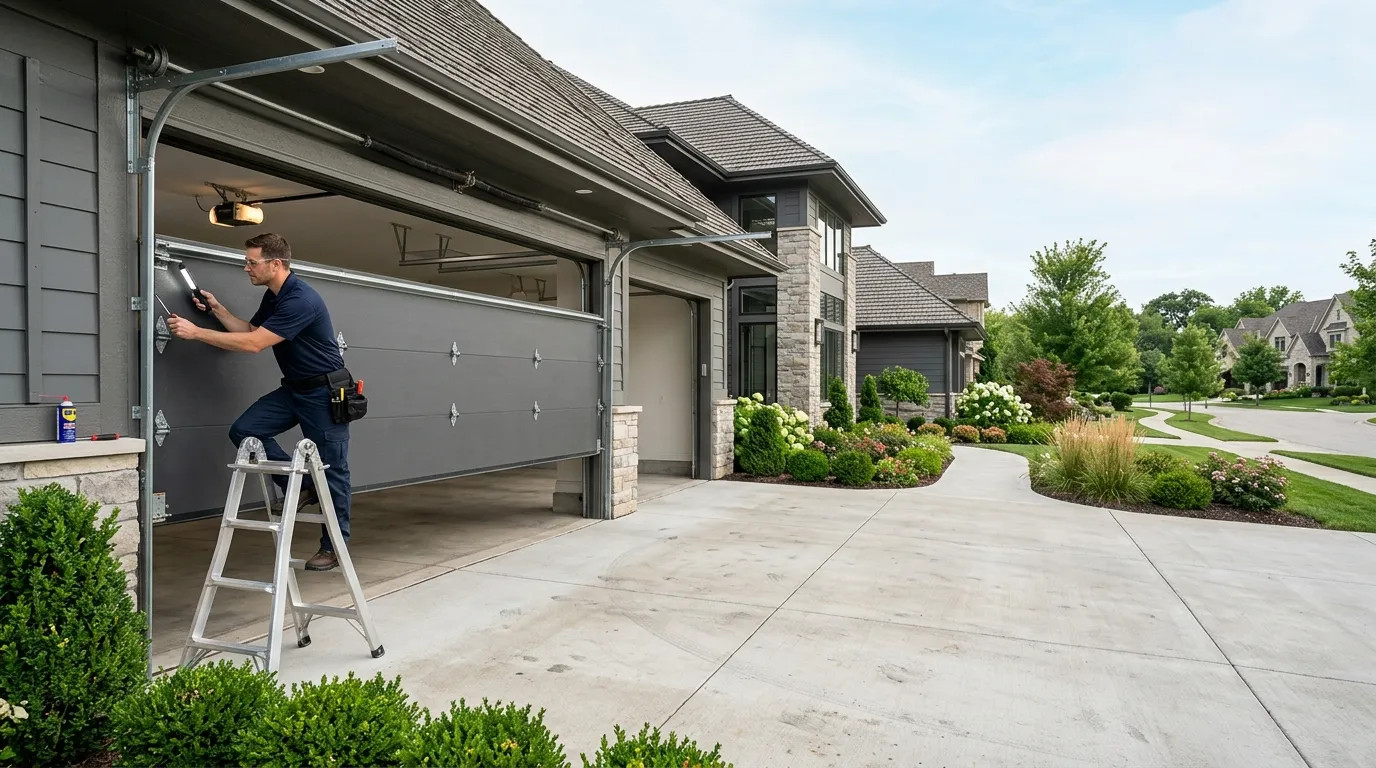
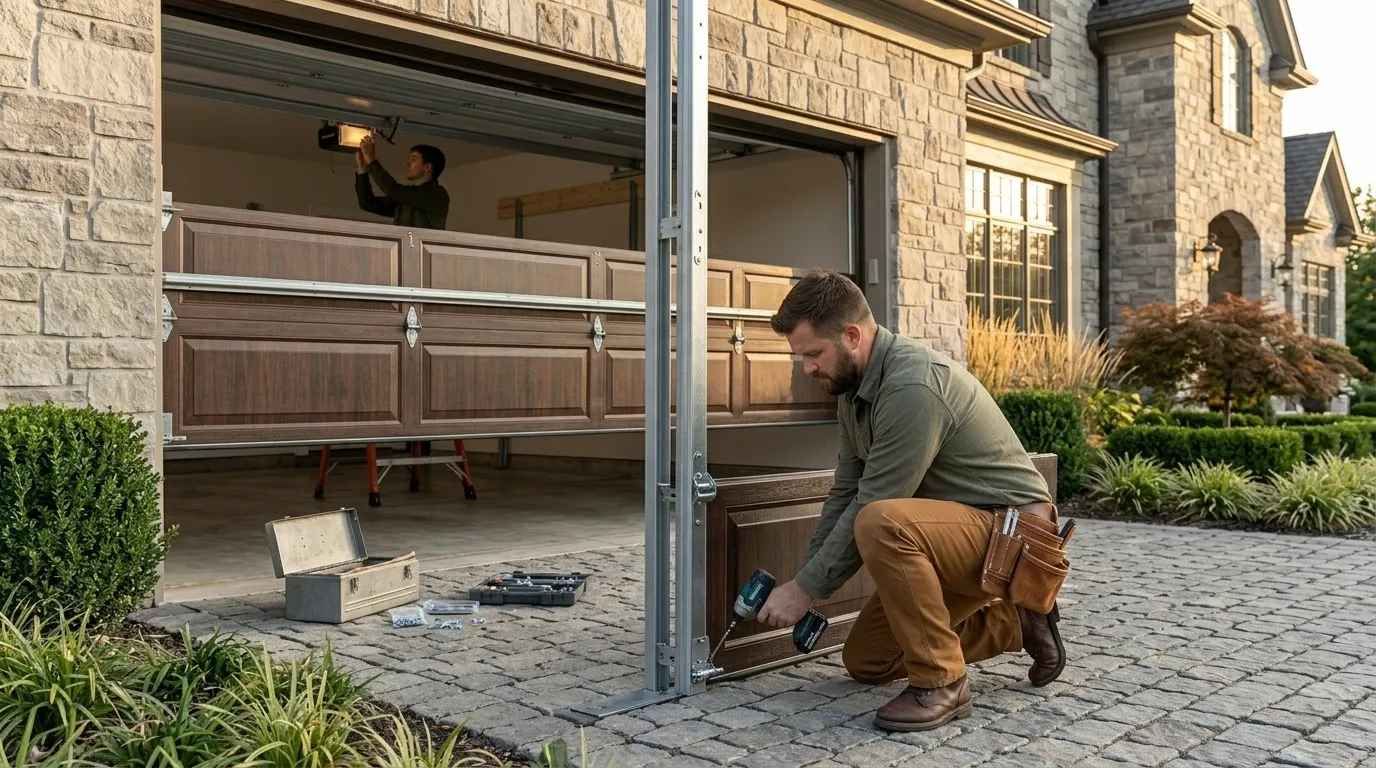
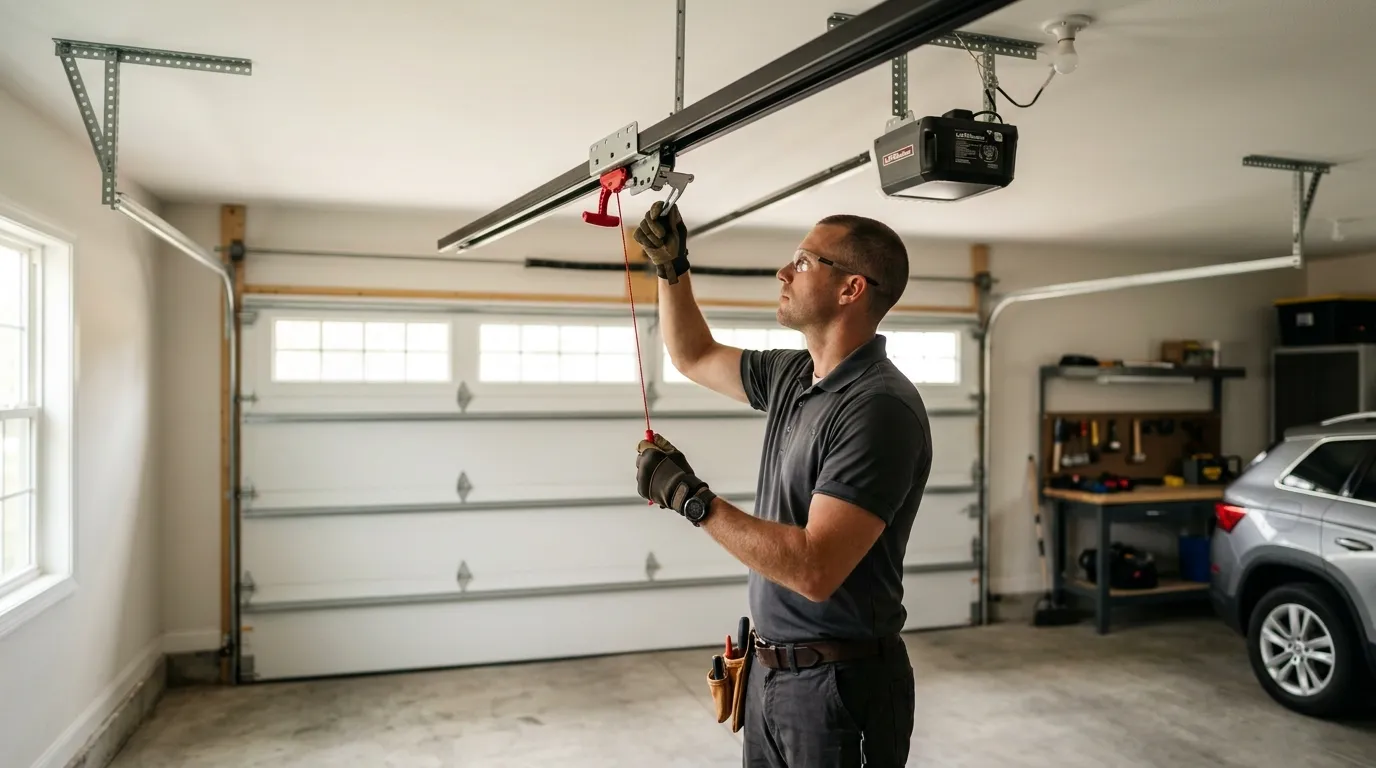
We don't quote a flat number for Altadena because the job itself varies more here than in newer parts of the service area. A house built around 1945 usually still has its original jamb and header framing, and fitting a modern door or opener into that opening often means extra bracket work or a track adjustment that a 1980s house wouldn't need. That adds labor time, not a markup - we're not charging Altadena more because of the address, we're charging for the actual hours the door in front of us takes.
What we can tell you: median household income here runs well above the service area average, at $129,123 against $94,792 across the wider area we cover. That doesn't change our price, but it does mean we see more owners choosing full replacement over patching an old door once repair costs start stacking up, since the option is there financially. We'll always give you both numbers - fix versus replace - before you decide anything.
One honest limit: if a part on your door was discontinued decades ago, sourcing it can take longer than the repair itself, and sometimes replacement ends up cheaper than the wait.
Booking a Visit
Altadena sits about two miles from our Pasadena base, which is close enough that a call here doesn't get bundled or delayed behind farther stops the way some of the other towns we cover do. It's a short drive, so scheduling tends to be straightforward rather than something we have to route around.
We don't hold a branch or drop-off point in Altadena itself - every job here is dispatched from Pasadena, same as our other nearby stops. When you call, tell us the age of the house if you know it. A door installed when the house was built in the mid-1940s behaves very differently under a service call than one put in during a remodel, and knowing that up front helps us bring the right hardware on the first trip instead of a second one.
We ask this because Altadena's housing skews older than most of what we see closer to central Pasadena, and showing up with parts sized for a 1990s track on a 1945 opening wastes your time and ours.
Time on the Job
A straightforward spring replacement or opener swap runs about the same regardless of town - it's the door itself that decides the clock. In Altadena, where the median house dates to 1945, we more often find double doors on original hardware that predates the torsion-spring designs most trucks stock as standard. Getting that hardware apart without damaging a jamb that's had eighty years to settle takes longer than the same job on a house built in the 1970s.
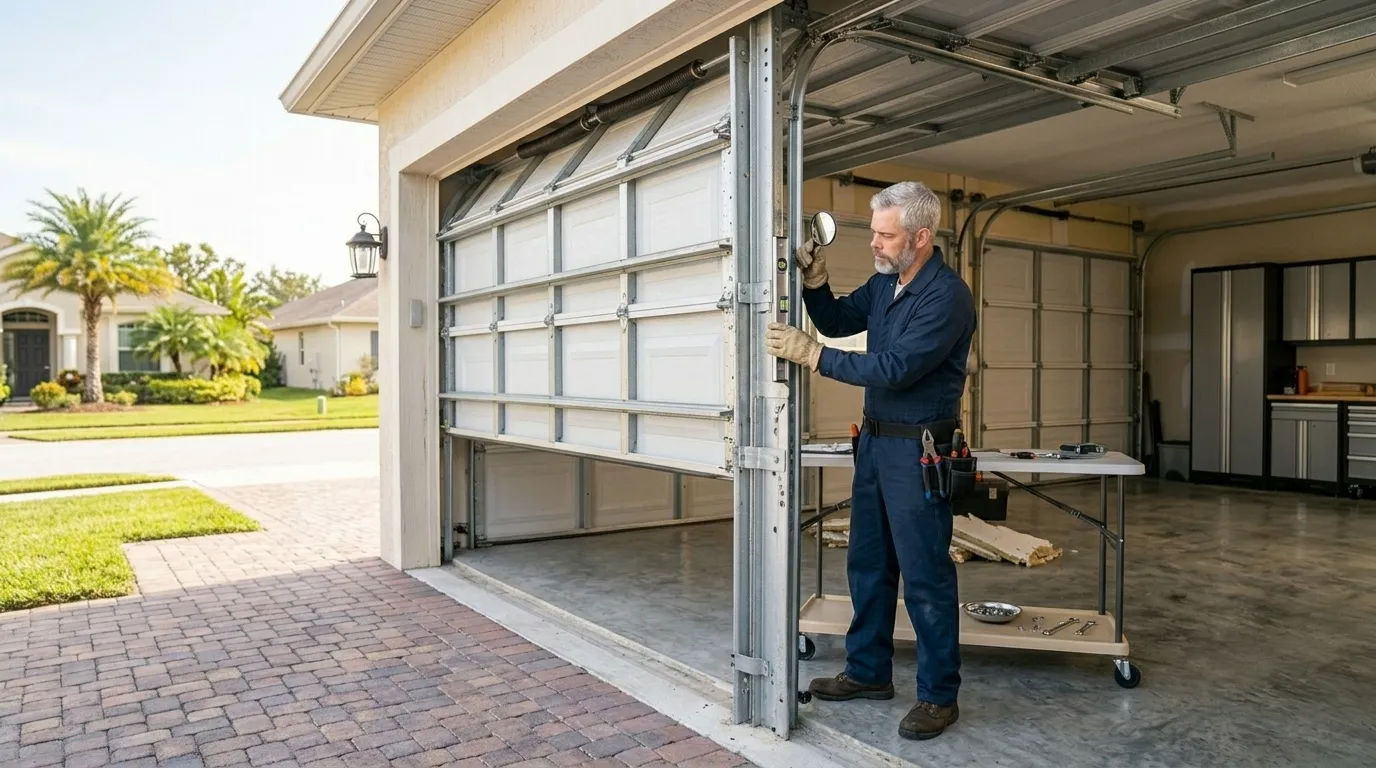
If the track is bent or the header framing has shifted with the foundation over the decades - which happens in older houses across this area - that adds time too. We won't rush that part. Forcing a misaligned track back into place fast is how a door comes off its rollers again in six months.
We'll tell you at the start, before any tools come out, roughly how long we expect to be there, and we'll say so again if we find something once we're inside the opening that changes it.
How It Shows Up
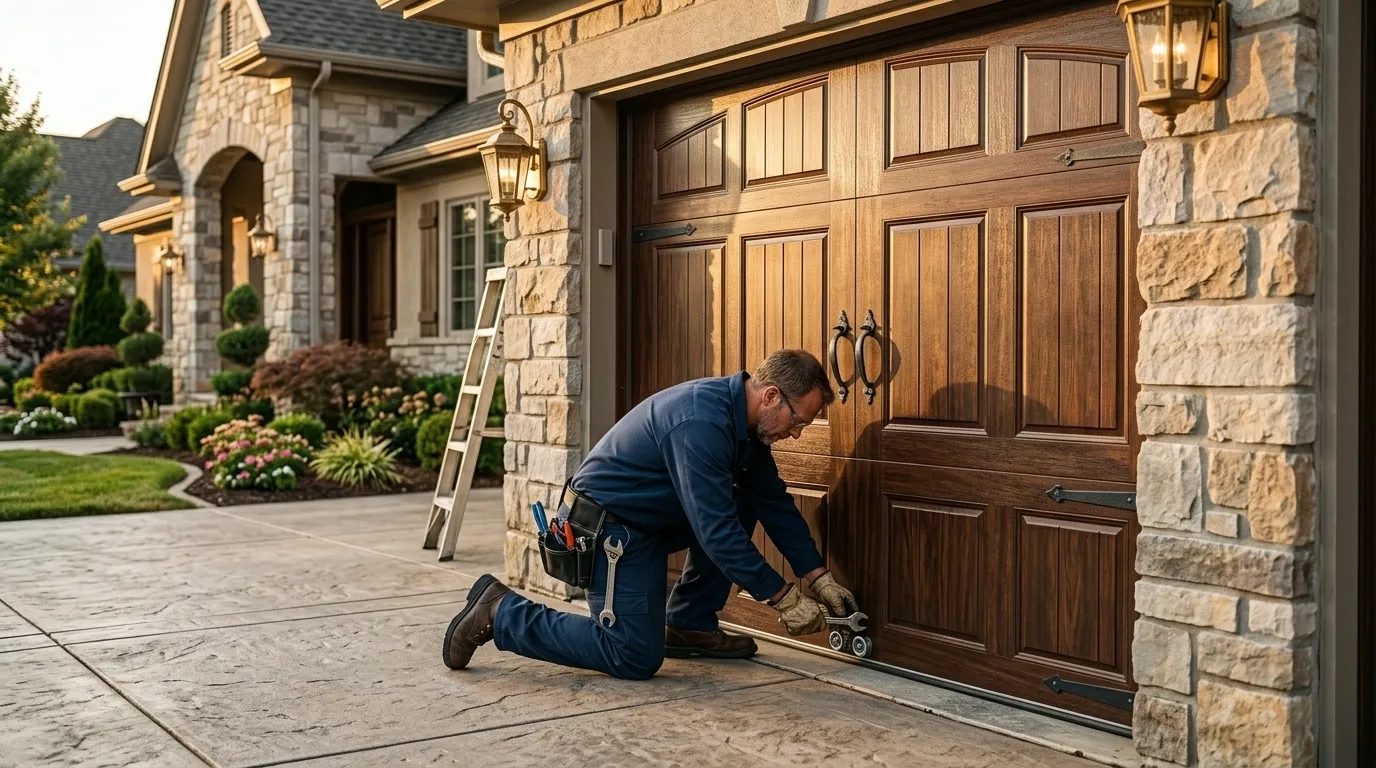
The mild temperate climate across this whole area means we're not chasing frozen springs or ice-jammed tracks the way a shop in a harsher climate would - that's not what breaks doors here. What breaks them in Altadena is age and use: springs that have cycled tens of thousands of times since a house went up in the 1940s, rollers worn oval instead of round, and cables starting to fray at the drum from decades of the same rub point.
With around 15,018 households in Altadena itself, most sitting on housing stock from the mid-20th century, we see the same failure pattern repeat - it's rarely a single dramatic break. More often it's a door that's gotten louder, or slower to close, or noticeably heavier to lift by hand, over months. That's the spring losing tension, not the opener failing, and it's worth a call before the opener motor starts working overtime to compensate and burns itself out too.
What the Fix Involves
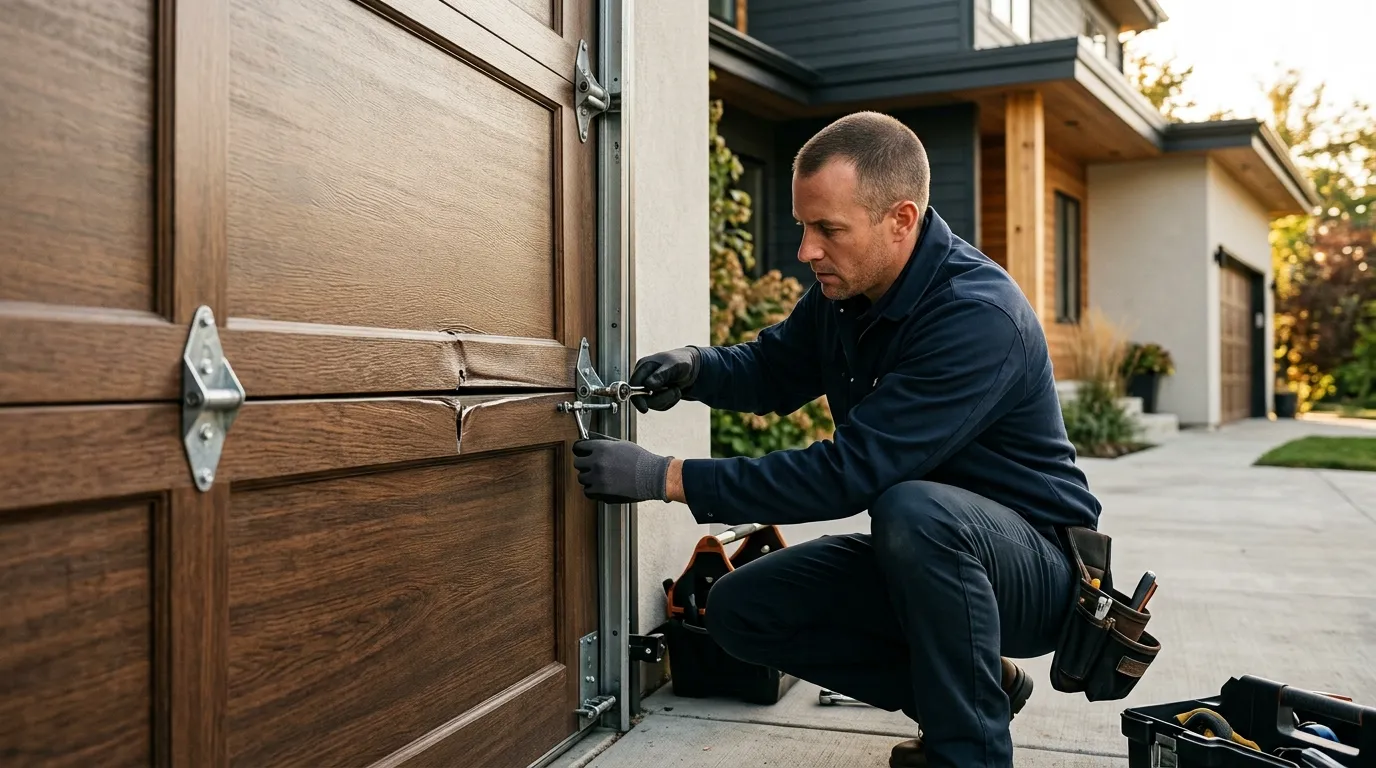
On a house from this era, the fix usually starts with figuring out what's original and what's been swapped out somewhere along the way - it's rare that a door built when the house was still has every original part. We check the track alignment first, since older jamb framing shifts, then the spring tension, then the cables and rollers, in that order, because fixing a spring on a door that's still riding a warped track just moves the failure point somewhere else.
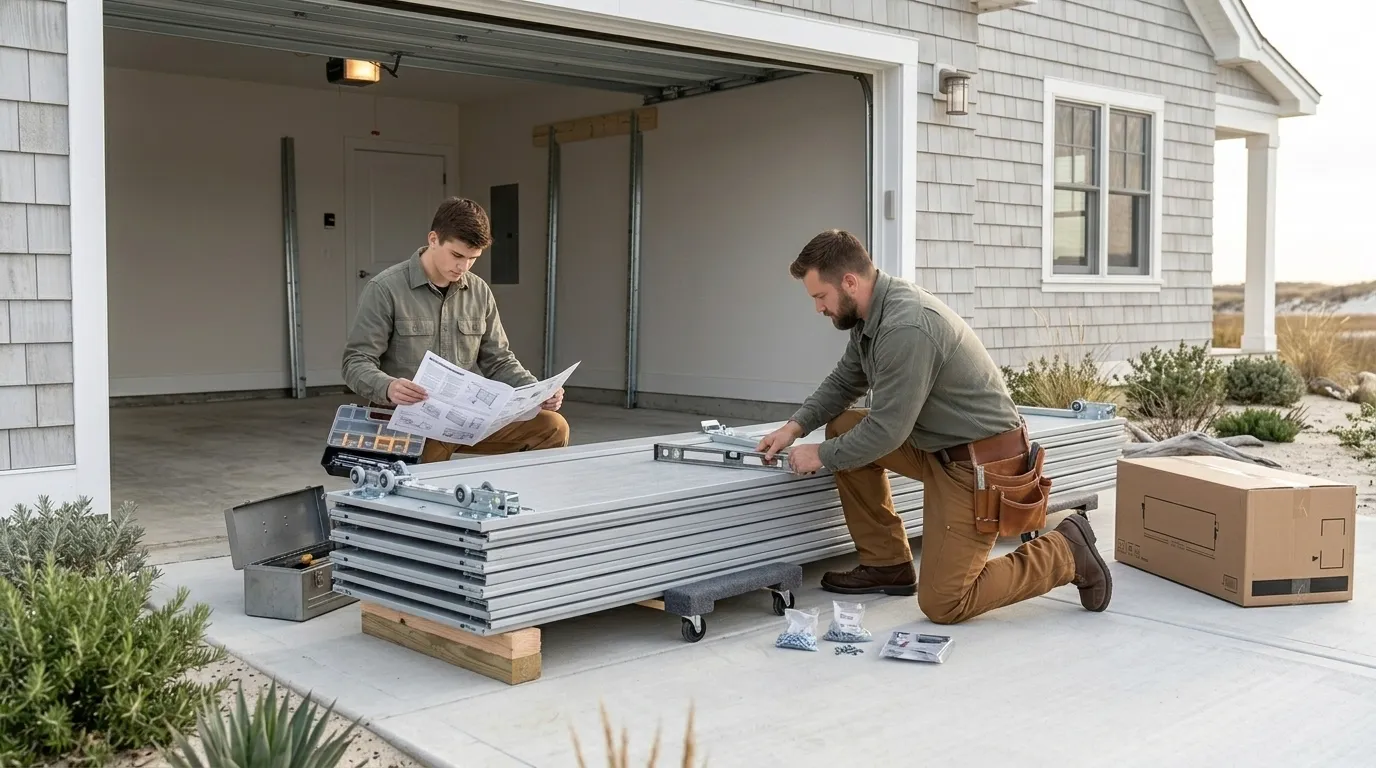
We carry standard torsion hardware sized for the range of openings common in houses from the 1940s through the 1960s, which covers most of what's still standing in Altadena. What we won't do is force a modern opener onto framing that isn't square - if the header's out of alignment, that gets corrected first, even if it adds a step you weren't expecting.
Straight answers about garage door repair in Pasadena. Still unsure? Ask us directly.
Do you have a location in Altadena?
No - we run out of Pasadena, about two miles away, and dispatch from there for every Altadena call. It's a short enough drive that it doesn't change how we schedule the work, but we want to be upfront that there's no separate Altadena branch.
Why does my door need a longer repair than my neighbor's newer house?
Altadena's median house dates to 1945, well before the standardized torsion-spring hardware most trucks stock today. Original jamb framing and older bracket setups take more time to work with safely than a door installed in a 1990s remodel, even for a similar repair.
Is it worth replacing instead of repairing?
Often yes here. Altadena's median household income, $129,123, runs above the wider service area average of $94,792, and we see more owners choose full replacement once a repair on an old door starts costing close to what a new one would. We'll give you both numbers before you decide.
Does the climate cause much damage to doors here?
Not really - this area sits in a mild temperate band, so we're not dealing with frozen tracks or ice-jammed springs. What actually wears doors out here is age and cycle count on hardware that's been in place since houses went up decades ago.