
Do you have a location in Altadena?
No. We're based in Pasadena, about two miles away, and cover Altadena from there. There's no separate branch or storage yard in town, just a short drive over for every call.
Garage door repair for Altadena homes built mostly in the mid-1940s, two miles from Pasadena. Original hardware, spring swaps, and opener fixes done right.
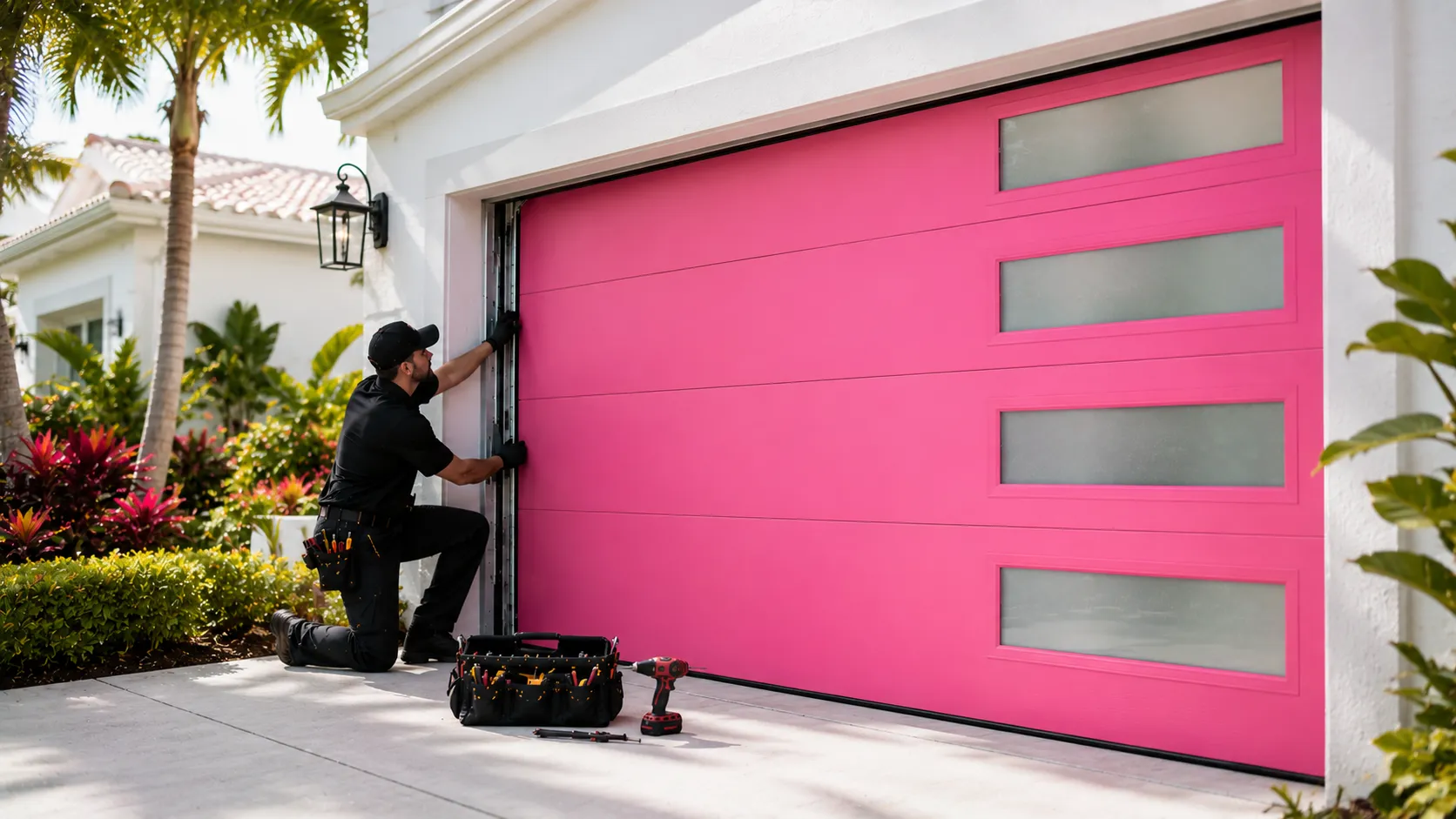
Altadena's median home dates to 1945, well ahead of the broader service area's 1959 median. That gap matters on a repair call. Houses from this stretch of the 1940s often still carry their original wood jambs and, in a fair number of cases, hardware nobody has manufactured in decades - narrow-track rollers, older extension spring setups instead of the torsion systems that became standard later. Pricing a repair here means pricing around what's actually on the door, not a generic quote. A worn extension spring costs less to swap than replacing a torsion conversion, but if the track or drum has been bent or improvised on over the years, the job runs longer than a straight parts swap. We price after we look at the door, not before, because on housing this old the surprise is usually in the hardware, not the labor.
Altadena households report a median income of $129,123, well above the wider area figure of $94,792, and that shows up in the calls: more owners here choose to replace worn hardware outright rather than patch it repeatedly. We'll tell you honestly when a repair is the better spend and when it isn't.
We run out of Pasadena, about two miles from Altadena, so there's no separate branch or crew stationed in town - every visit is a short drive over. That's worth saying plainly: if you need a same-day fix, the two-mile distance is one of the shortest hops in our whole coverage area, but it's still a drive, not a walk-in shop. Tell us the make and rough age of your door when you call, and if you know it's original to the house, say so. On 1940s stock that single detail changes what's in the truck.
Altadena has roughly 15,018 households, a smaller base than some of the neighboring cities we cover, which means we're not fielding the volume of calls a bigger city generates - appointments tend to be easier to land on short notice. We book by the job, not by a flat time slot, since a torsion conversion and a simple roller swap don't take the same block of time.
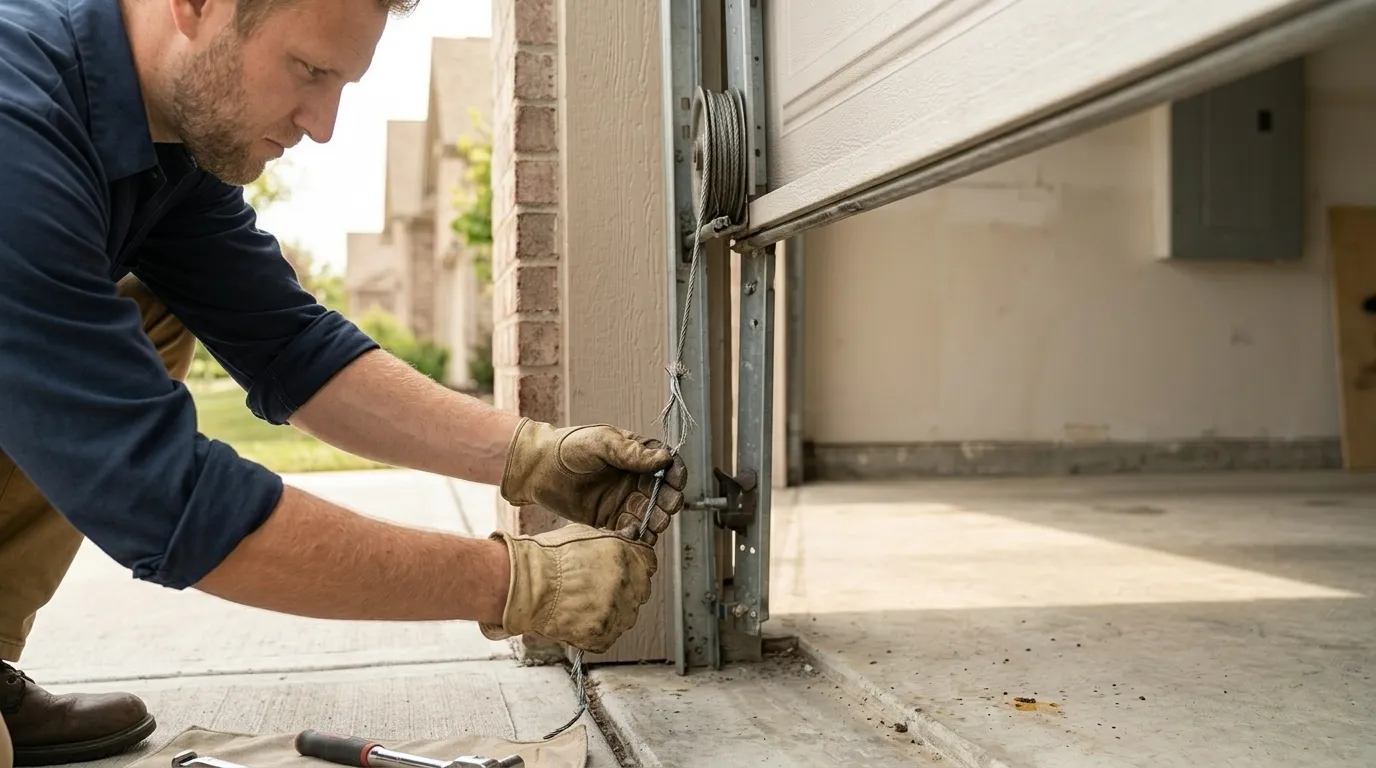
On a house built in 1945, the failure pattern is usually mechanical fatigue, not storm damage or a sudden shock. A spring that's been cycling for decades on original hardware doesn't always snap clean - it can go slack gradually, so the door feels heavier for weeks before it finally won't lift. Rollers on older track systems wear unevenly because the track itself was never designed for today's heavier insulated panels if a previous owner upgraded the door but kept the original track.
Across the wider service area, homes were built anywhere from 1943 to 2012, so what's normal in Altadena - original mid-1940s hardware still in daily use - isn't the norm everywhere we go. That's part of why we ask about the house's age on the phone before we ask about the symptom. The two together tell us more than either alone.
Fixing a door on 1940s hardware sometimes means straight replacement rather than repair, and we'll say so up front rather than stretch a patch job. If a torsion drum or an extension spring bracket is original to a 1945 build and has cracked or corroded past a safe repair point, swapping it for a modern equivalent is the honest call, even if it costs more up front than a quick fix. We won't rewind a spring on a shaft that's visibly pitted just to get the door moving again.
Where the hardware is sound, the fix is what you'd expect: replace the failed part, check the door's balance across the full range of travel, and make sure the opener isn't compensating for a mechanical problem by running harder than it should. One honest limit: if a part is obsolete enough that we can't get it locally, we'll tell you that on the spot rather than have you wait on a guess.
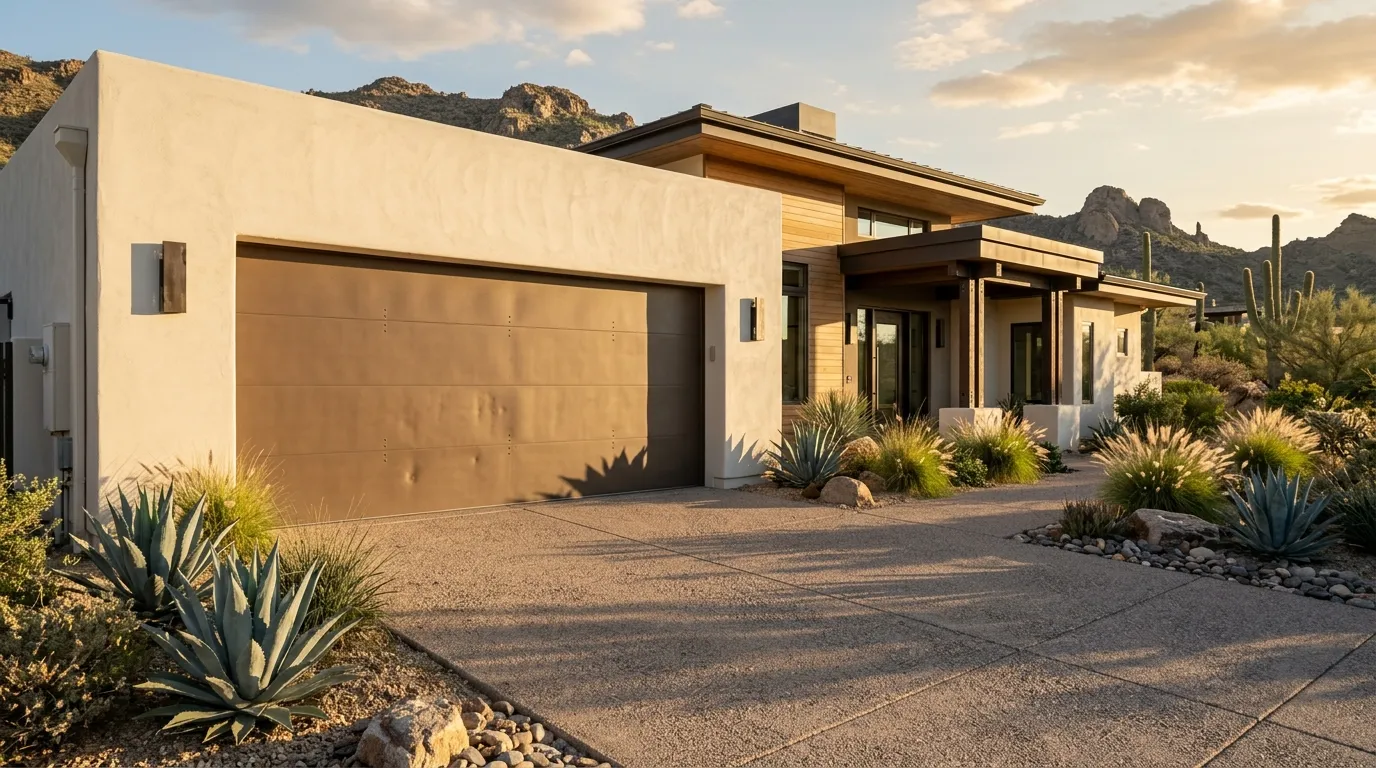
Describe the symptom - won’t open, loud bang, opener runs but the door won’t move.
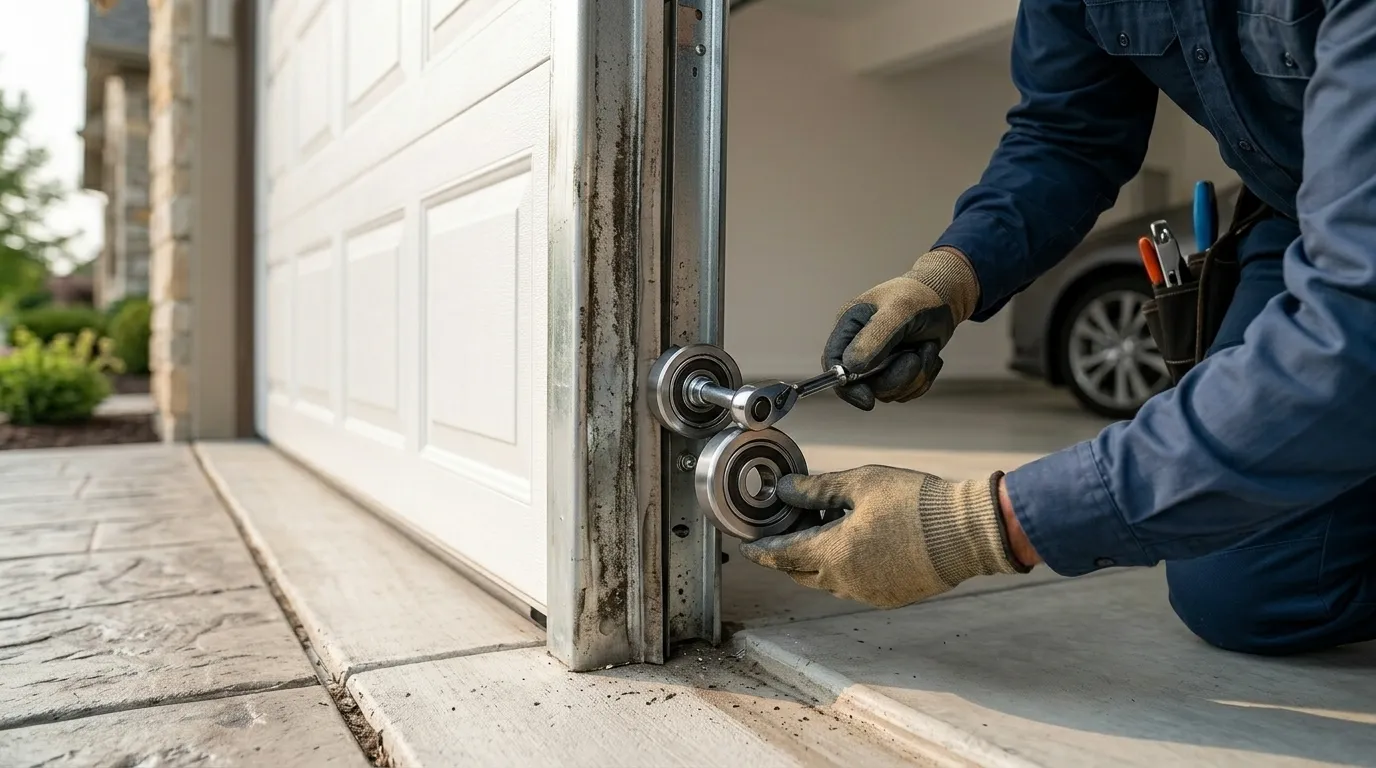
A technician tests the door under power and by hand and finds what actually failed.
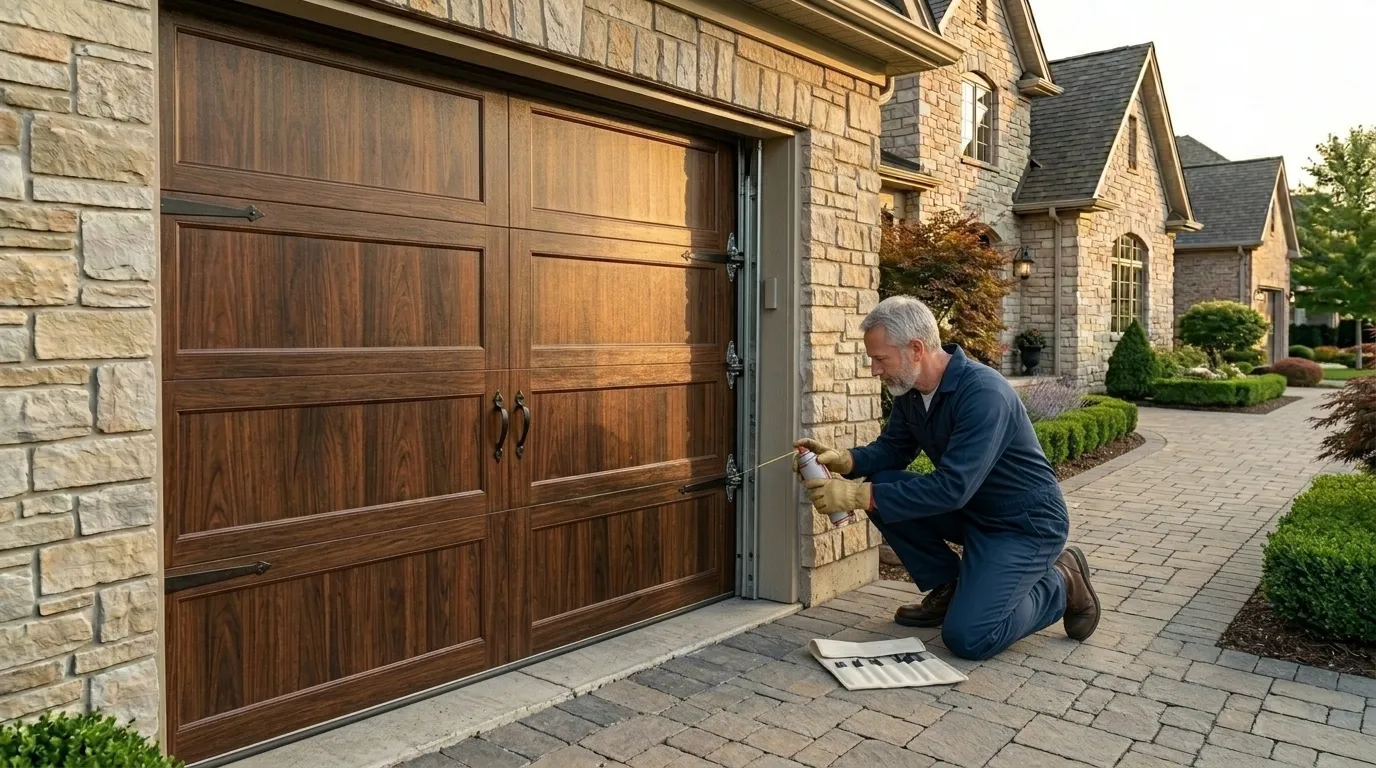
You get the fix that’s needed and what drives the cost - before any work starts.
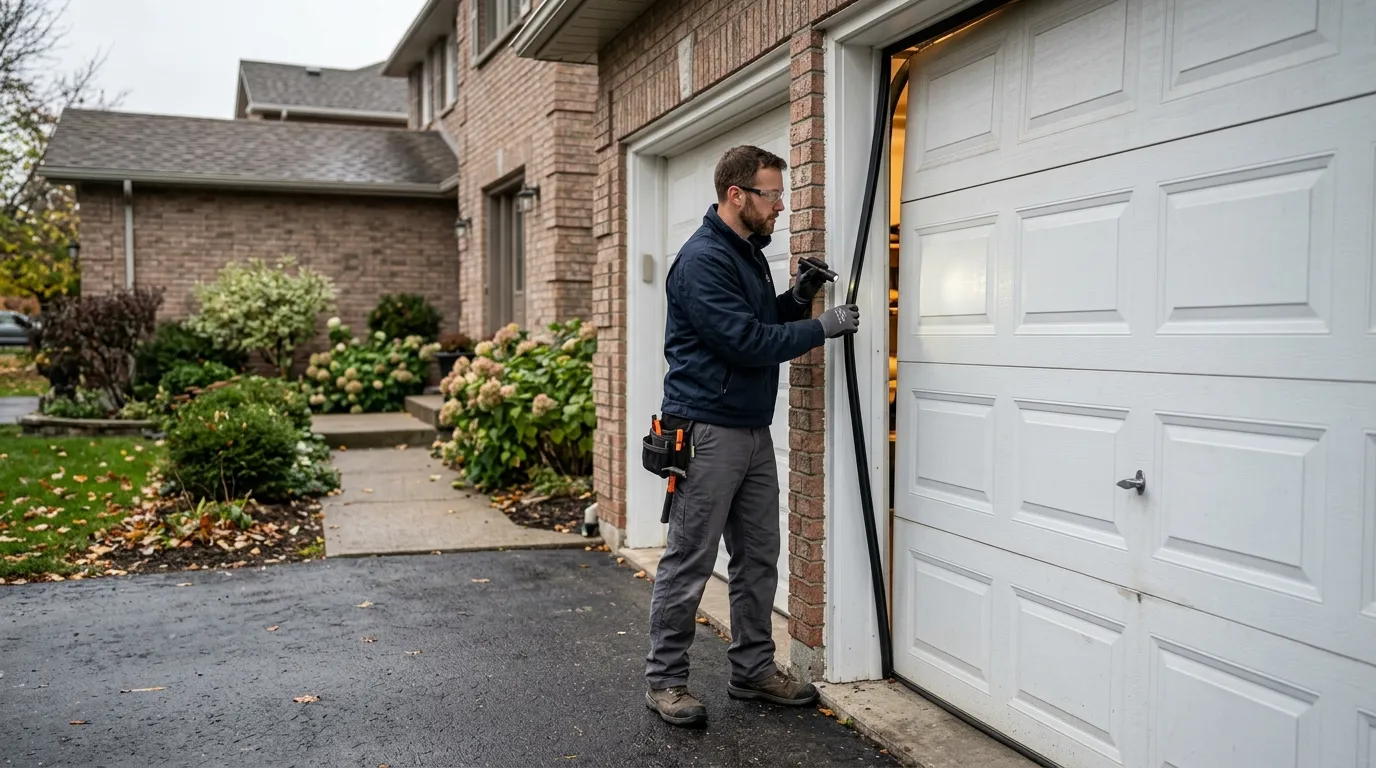
The repair is done, the door is set true and tested, and the work area left clean.
Illustrative styles - sectional, insulated steel, carriage, and commercial doors.
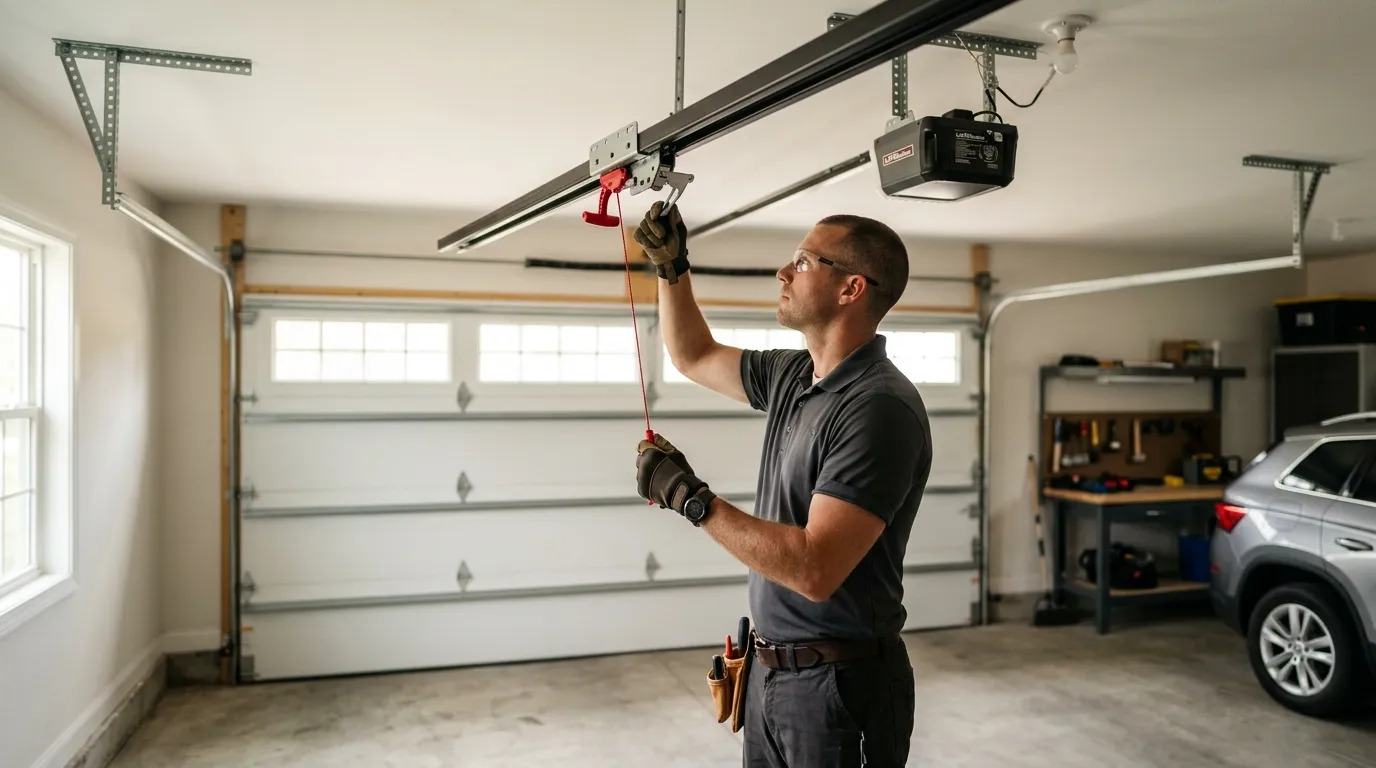
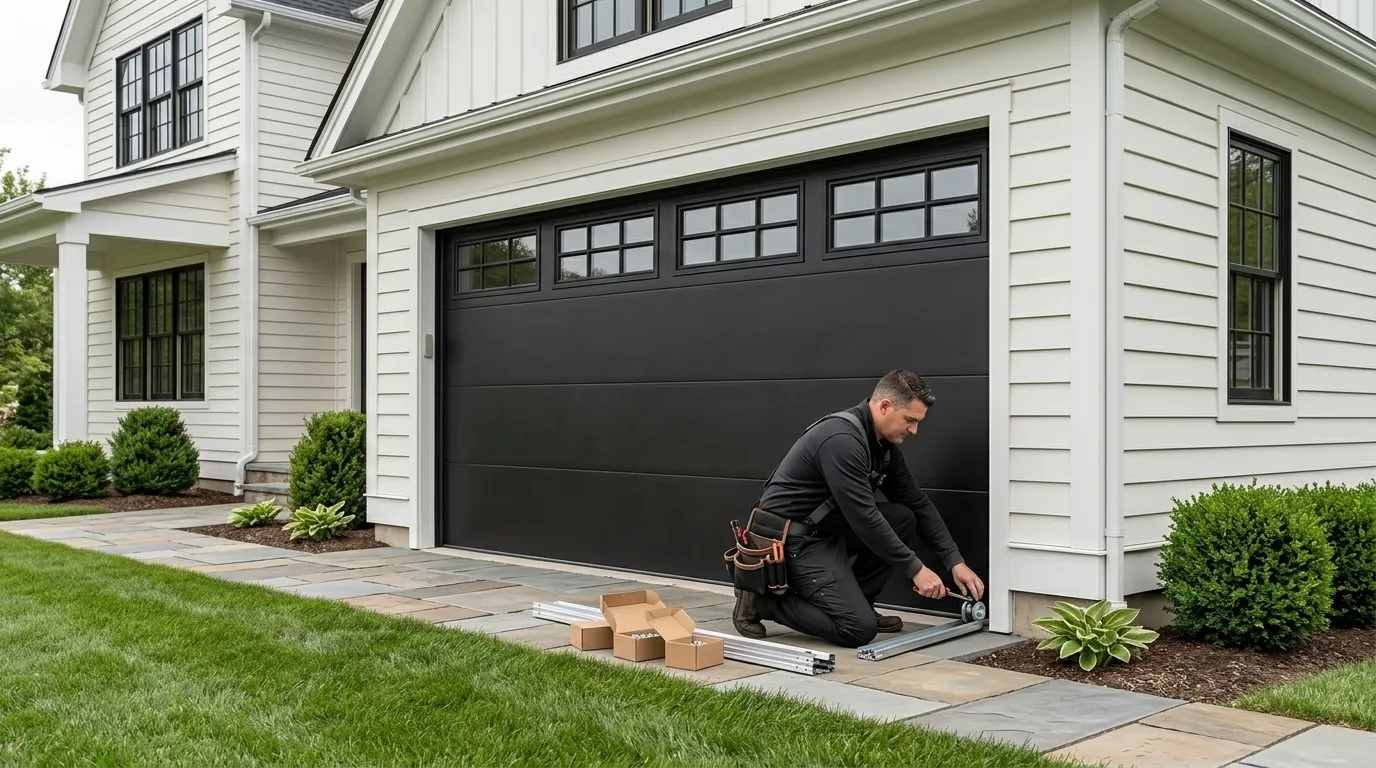
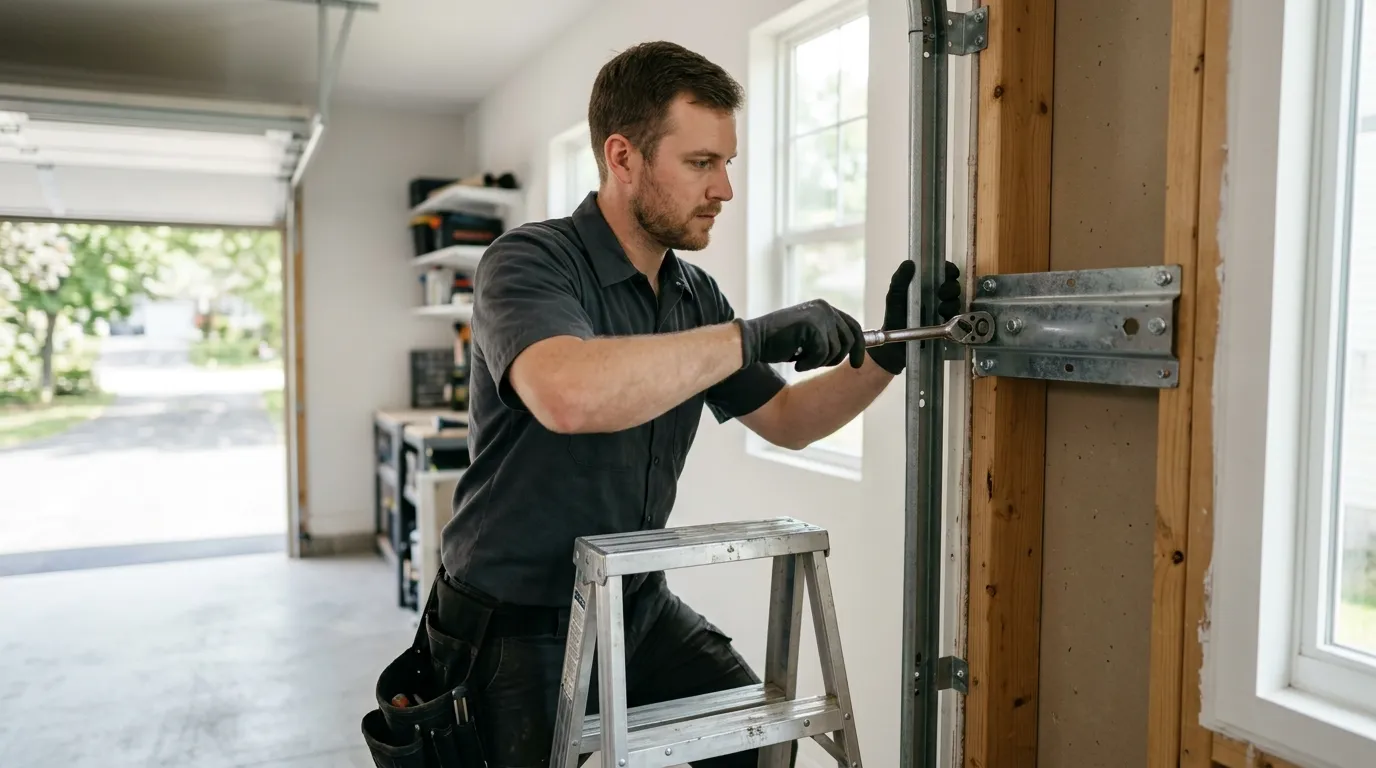
Straight answers about garage door repair in Pasadena. Still unsure? Ask us directly.
No. We're based in Pasadena, about two miles away, and cover Altadena from there. There's no separate branch or storage yard in town, just a short drive over for every call.
Altadena's median home dates to 1945, older than much of the surrounding service area. Original hardware from that era - extension springs, narrower track, early torsion retrofits - often needs different parts and more time than a standard modern door, which changes the price.
Sometimes, sometimes not. We check the shaft, drum, and brackets for corrosion and fatigue before touching anything. If it's sound, we work with it. If it's pitted or cracked, we'll tell you replacement is the safer and often cheaper long-term choice.
Not particularly. The area sits in the same mild temperate climate band as the rest of our service area, so we don't see the rust or swelling failures that show up in harsher regions. Most issues here come down to age and cycle count, not weather.
Tell us what it’s doing and where you are in Pasadena - we’ll take it from there.